
Baking
Rice flour, sorghum and starches appear in gluten-free blends. Bread and cakes may need different formulations.
Compare baking ingredients →THE GLUTEN-FREE CUPBOARD
Know the grain.
Then follow it into the food.
Compare familiar flours, discover alternatives and recognise the names that deserve a closer look.
Explore the directory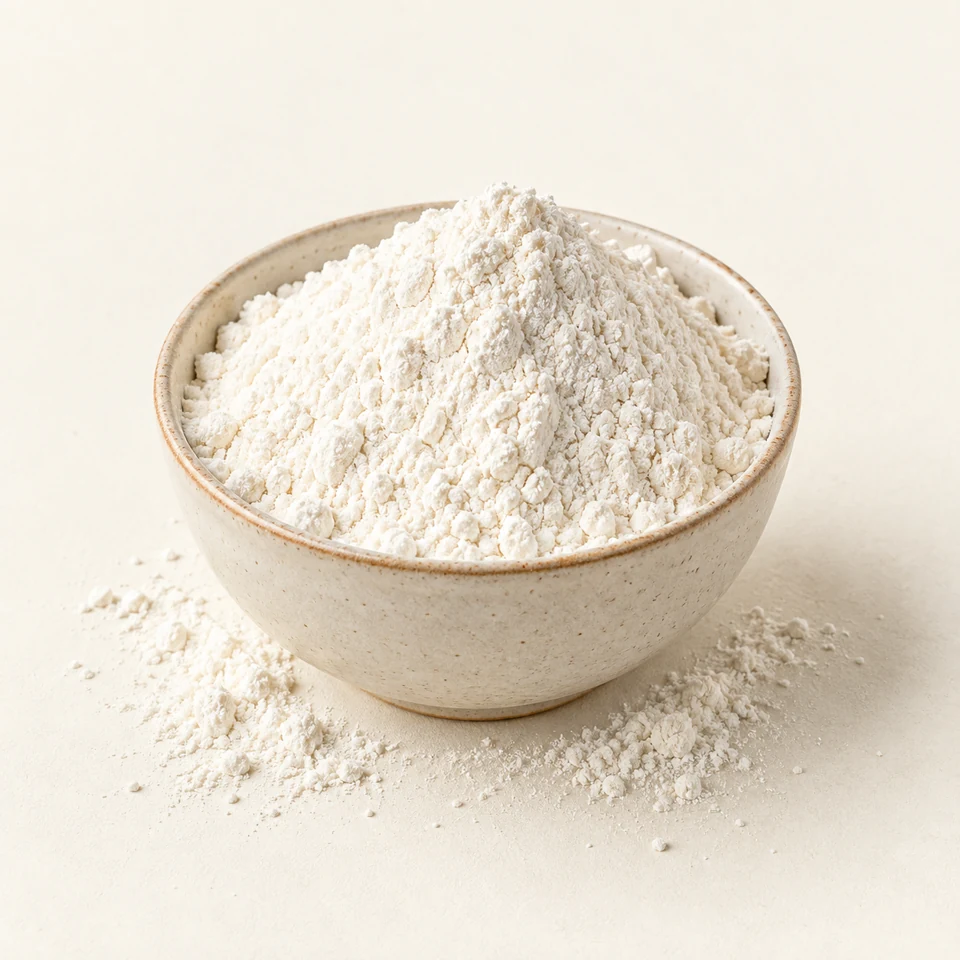
A LITTLE INGREDIENT KNOWLEDGE
Whole grain, flour or starch.
Start with the ingredient underneath.
“Naturally gluten-free” describes the plain ingredient. For flour, check a gluten-free label and how it was milled, packed and prepared. These entries do not approve a particular product.
3 of 18 entries · Thickening
Clear filters ×| Flour or grain | Gluten relationship | Common uses | Worth knowing |
|---|---|---|---|
| Corn starch Often called cornflour | Naturally gluten-free | Thickening · Baking · Coatings | Names vary: check which plant the starch comes from. |
| Potato starch Starch extracted from potato | Naturally gluten-free | Thickening · Baking · Coatings | Different from whole-potato flour in a recipe. |
| Tapioca Tapioca starch · tapioca flour | Naturally gluten-free | Thickening · Baking | A cassava-derived starch, often used in flour blends. |
START WITH WHAT YOU’RE MAKING
A flour that works in a sauce may behave differently in bread. Use a recipe designed for the ingredient or follow the flour blend’s instructions; substitutions are not automatically one-for-one.
Rice flour, sorghum and starches appear in gluten-free blends. Bread and cakes may need different formulations.
Compare baking ingredients →Explore rice and buckwheat. Check the entire noodle recipe: a buckwheat name does not rule out added wheat.
Explore noodle ingredients →Corn starch, potato starch and tapioca are options to investigate. Match the starch to the recipe and check the packet.
Compare starches →Rice flour, maize and chickpea flour offer starting points. A different coating still needs a check of the frying oil.
Explore coating ingredients →THE NAME IS A CLUE
Durum, semolina, spelt, bulgur and conventional couscous belong on your wheat checklist. An “ancient grain” description does not mean gluten-free.
See gluten-containing entries →Buckwheat is naturally gluten-free, but buckwheat noodles may be a mixture. Cornflour is a name to verify on the ingredient list, rather than relying on the front of the pack.
Find country-specific label guidance →FROM THE MILL TO THE KITCHEN
Look for the gluten-free claim and read the full blend. Check your other allergies too: gluten-free does not mean free from every allergen.
Shared mills, scoops and open flour containers can introduce other grains. A naturally gluten-free plant does not settle the product question.
Ask about flour on worktops, shared pasta water, utensils and frying oil. Check the sauce and seasoning as well as the flour.
FOLLOW IT TO THE PLATE
Examples to investigate,
not gluten-free recommendations.

Batter → wheat flour in the referenced recipe.

Pasta sheets → durum wheat in the product example.
Buckwheat can share the dough with wheat. Ask about the flour mixture, cooking water and dipping sauce.
Explore buckwheat →Open Japan’s gluten page →Keep following the ingredient.
Back to the gluten ingredient directory →