A little ingredient knowledge.Hover or tap to open the walnut
START WITH THE SOURCE
Understanding tree nut allergy.
Name the specific nut you need to avoid.Almond, cashew and walnut are distinct ingredients, and an allergy to one does not by itself establish allergy to every other nut.
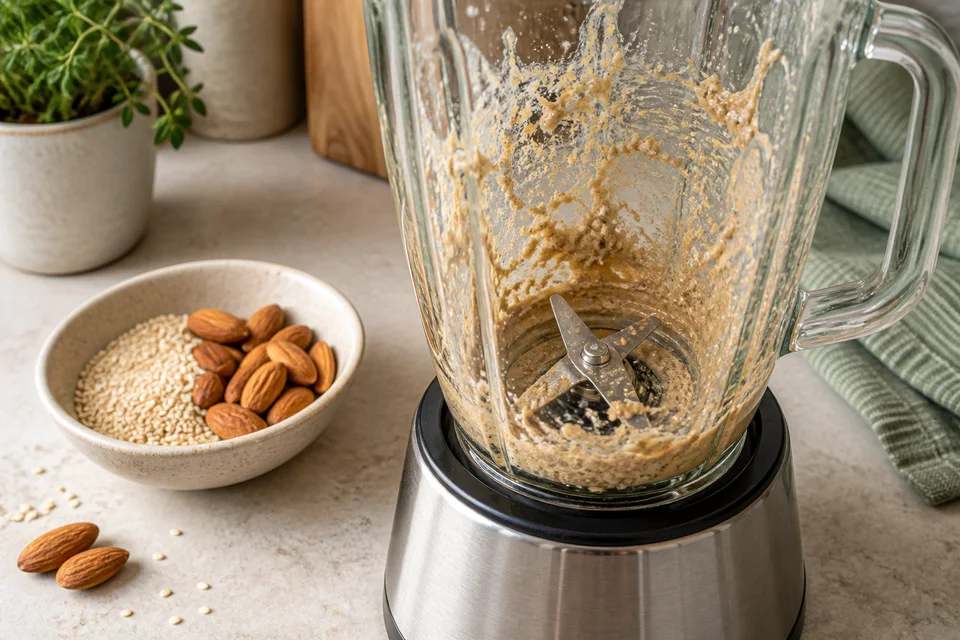
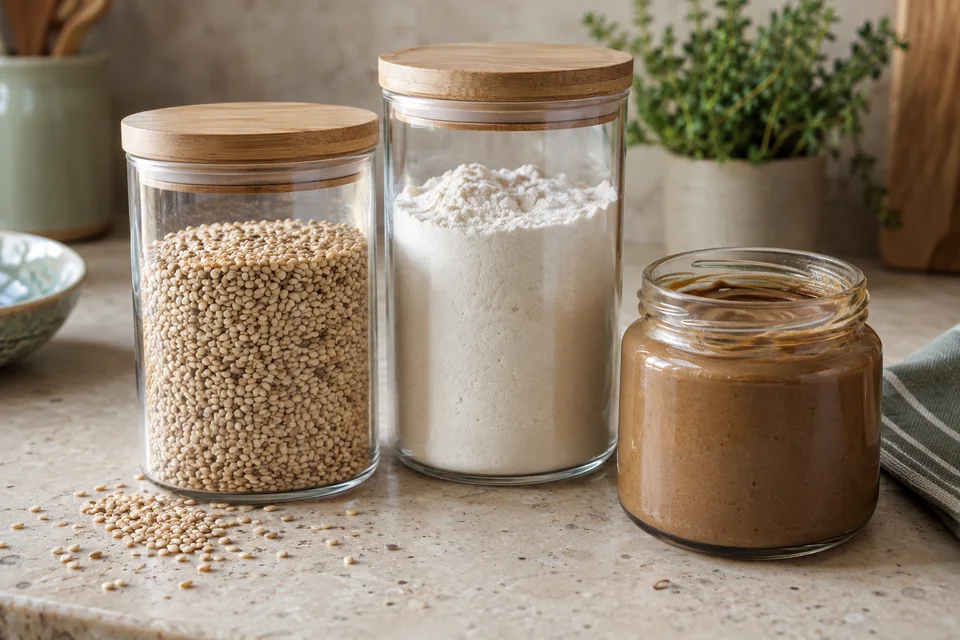
Nuts add body as well as crunch. They can become flour, butter, drinks or smooth pastes, so a food can contain nuts without any visible pieces.
Use these ingredient and preparation checks alongside your personal allergy plan. Knowing the name is the first step; the complete recipe and handling matter too. If your avoidance needs are unclear, ask your allergy team before changing what you eat.
Learn the forms of the nuts in your allergy plan: almond flour, cashew cream and hazelnut paste are useful examples. These are selected examples, not an exhaustive list. Follow the ingredient into powders, mixtures and finishing additions.
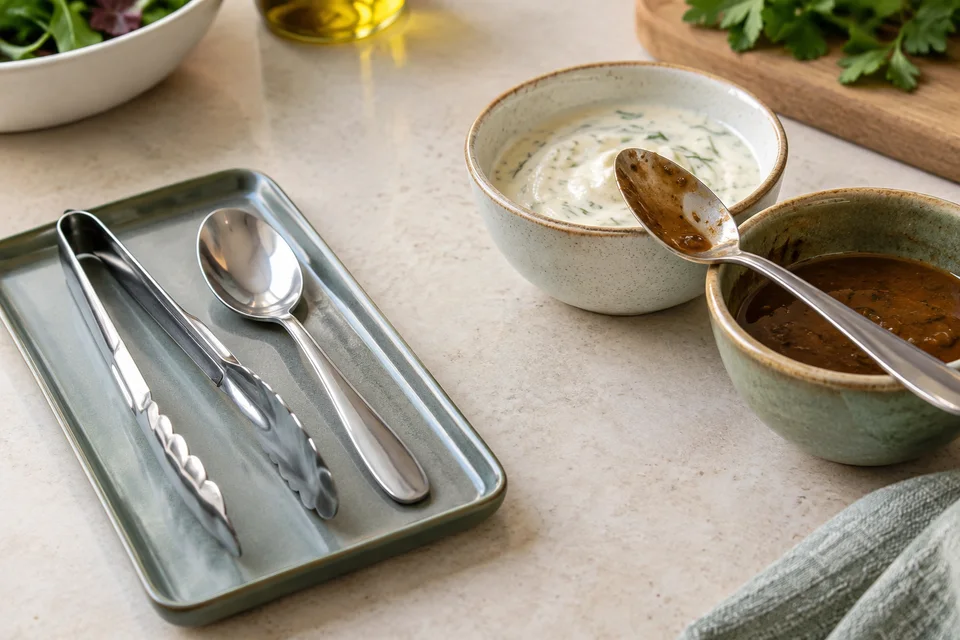
Check pesto, pastry fillings, confectionery and plant-based sauces. Dairy-free can still mean nut-based; recipes with the same name can use different nuts.
Read the full ingredients list each time, including the ingredients inside a mix or sauce. Keep the packet available if staff need to check it. A product name or front-of-pack claim cannot answer every ingredient question.
Use the labelling guidance for the country where the food is sold. The foods covered, wording and presentation of allergen information can differ. Do not assume a familiar brand has the same recipe everywhere.
For unpackaged food, ask for ingredient information from the person preparing it. If a name or translation is unclear, keep the original wording available rather than guessing from a partial translation.
Match the replacement to texture or flavour, then check your own avoidance list. Peanut and sesame are separate allergens, not universally suitable swaps. Check the replacement as carefully as the original. If you regularly replace a major food group, discuss nutritional needs with a dietitian.
In place of
Options to consider
What to check
Nut butter or paste
Options to considerSunflower-seed butter, if tolerated
What to checkCheck sesame or other seed allergies and shared production.
Almond meal in baking
Options to considerA rice- or wheat-flour recipe, if tolerated
What to checkA flour swap is not automatically one-for-one.
Cashew cream or almond drink
Options to considerA tolerated dairy, oat or rice alternative
What to checkCheck ingredients and nutritional suitability; these choices are not interchangeable for everyone.
03 / FOLLOW THE PREPARATION
Explain the allergy, then ask about the kitchen.
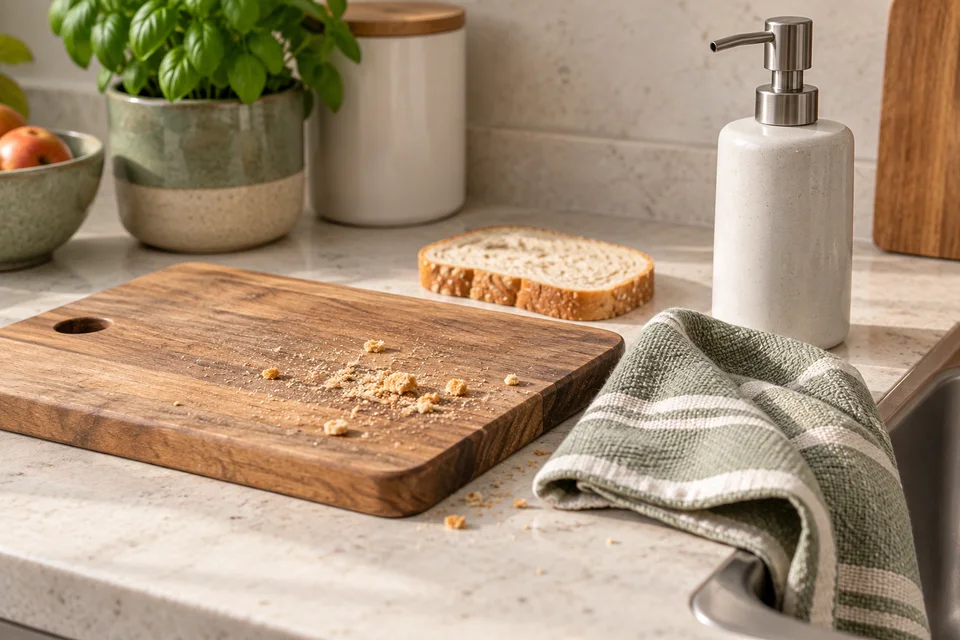
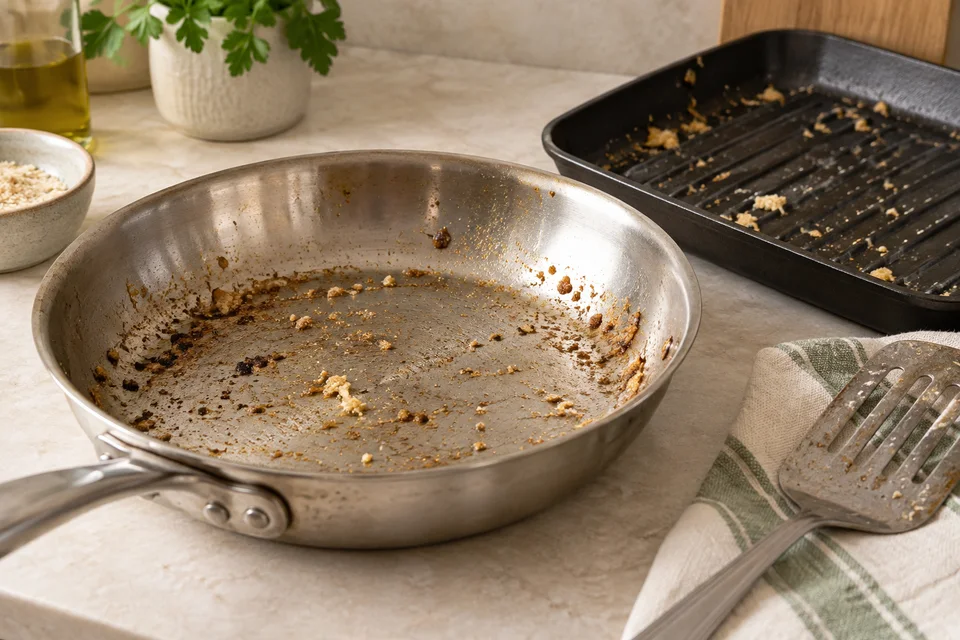
Mixed nut containers, bakery equipment and shared blenders can introduce a different nut. Specify the nut and ask about shared handling, not just the recipe.
Ask staff to check the recipe and any bought-in ingredients with the kitchen. Include the sauce, garnish and finishing step in the conversation, and explain which ingredients you need to avoid.
Get a clear answer about both ingredients and preparation before ordering. If the kitchen cannot confirm them, choose another option. A translated card can support this conversation when you do not share a language.
Does one nut allergy mean every nut must be avoided?
Not necessarily, but the decision needs individual assessment. Use a specific avoidance list from your allergy team. Closely related nuts and shared processing both matter; do not test an unfamiliar nut based on its appearance.
Peanut is a legume. Peanut and tree nut allergies can occur together, but they are different diagnoses. A peanut-free claim does not establish that a product is free from almonds, cashews or other tree nuts.
Yes. Grinding or blending changes the form, not the ingredient’s origin. Check flours, meals, pastes, creams and drinks for the specific nut. A smooth sauce can contain nuts even when there are no crunchy pieces.
Dairy-free does not mean nut-free. Cashew cream and almond drinks are examples of milk replacements that introduce nuts. Read the complete ingredients list, including the base used in a cheese or dessert substitute.
Can I choose the nuts I tolerate from a mixed bowl?
A shared container can bring nuts into contact before you pick them out. Ask about separate storage and handling, and follow your individual advice on products with cross-contact warnings. Sorting a mix is not a reliable way to separate allergens.