
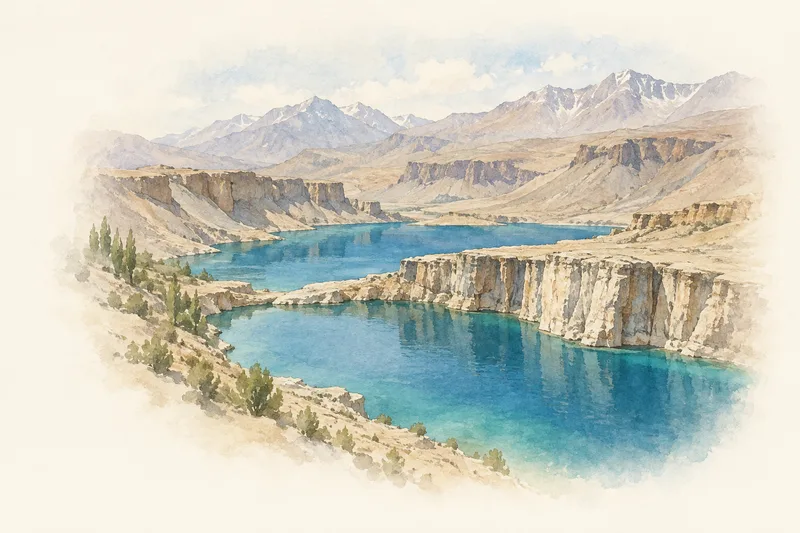
BEFORE YOUR FIRST MEAL
Navigating food allergies in Afghanistan
Afghan food commonly combines rice, breads, stews, dumplings, grilled meats and yoghurt-based toppings, with recipes varying between homes, vendors and restaurants. Kabuli pulao may include lamb, lentils, raisins, carrots and optional nuts; mantu may carry meat, wheat wrappers and yoghurt sauce. Treat familiar names as starting points only: confirm the complete recipe, garnishes, cooking liquid and preparation equipment before ordering.
What to know first
Rice is assembled in layers
Chalao is baked with oil, butter and salt, while palao may include meat, stock, qorma, herbs, fruit or spices. Ask what was mixed in before cooking.
Dough appears in several forms
Naan, bolani, mantu, ashak and other pastries can involve wheat flour. Ask whether a filling, sauce, crumb or garnish adds another ingredient.
Explain the whole request
Give your dietary needs in Dari or Pashto, then ask staff to confirm the complete recipe, stock, marinade, topping and cooking method rather than relying on a dish name.
Preparation details matter
Ask whether shared oil, water, boards, knives, grills or serving utensils are used, and whether toppings are added after cooking. Request separate preparation only if the kitchen agrees.
Read every packaged label
Read the complete ingredients and allergen information on the actual product. If you avoid a food that is not highlighted, ask the producer or food provider to check it specifically.
Understanding the food
Afghan cooking joins wheat bread, soups and qormas with rice dishes, grilled meat, pulses, yoghurt, fruit and nuts. Geography and household means change the balance, while Silk Road connections help explain a repertoire shared across several neighbouring regions.
Start with the grain at the centre.
| Base | How it is served | Examples to explore |
|---|---|---|
| Wheat bread | Everyday accompaniment to soup or stew | Nan with shorba, qorma, vegetables or yoghurt |
| Rice | Urban, prosperous or special-occasion meals | Shola, palao and qâbli palao |
| Maize bread | Maize-producing regions | Bread served with dogh and tea |
Wheat bread is the everyday foundation documented by FAO. A common family meal pairs bread with a soup or stew. Rice is also important, but its form and frequency vary: soft shola and drier palao create different kinds of complete meal. [7]
Qâbli palao is a composed dish, not plain rice. The FAO account describes rice with onion, oil and tomato, enriched in its more elaborate form with carrots, raisins, almonds, cinnamon and mutton. These layers explain why rice dishes can carry sweet, savoury and aromatic notes at once. [7]
A pantry of grain, fruit and gentle aromatics.
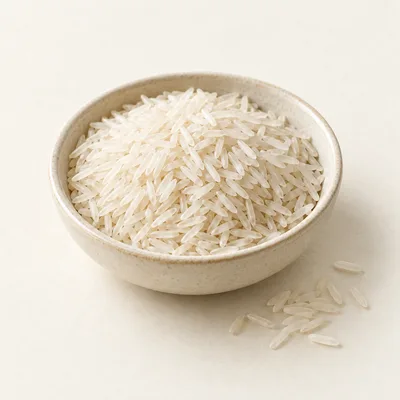 GRAINRice
Soft shola, drier palao and celebratory qâbli palao
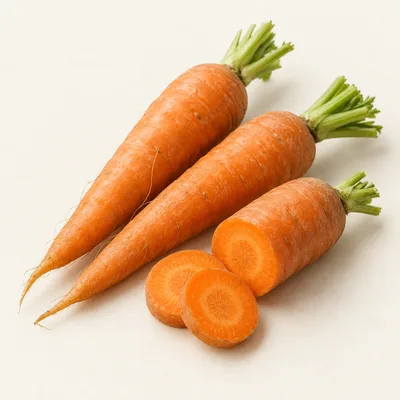 VEGETABLECarrot
A sweet savoury layer in qâbli palao
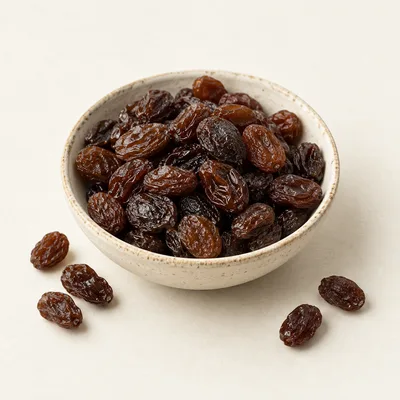 DRIED FRUITRaisin
Used with rice, nuts and warm spices
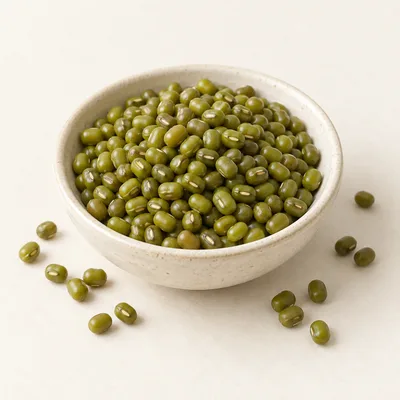 PULSEMung bean
Added to shola and other nourishing preparations
The food is more than kebab and rice. Bread, wheat, pulses, onions, tomato, vegetables, yoghurt and seasonal fruit all support the better-known meat and rice dishes. Soups, stews, dumplings and filled breads broaden the texture of the table. [7][8]
Trade routes help explain familiar names across borders. The Smithsonian identifies pilau, nan, kebabs, noodles and tea among foods carried and served across Central Asian Silk Road bazaars. Afghan versions belong to that connected history while retaining local and household forms. [9]
The table moves between home, bazaar and grill.
Shared dishes often combine the meal before it reaches the plate. Bread may accompany soup or qorma, while palao can bring rice, meat, vegetables, fruit and nuts together. Read the table as a group of complementary dishes rather than expecting a separate starter, main and side in a fixed sequence. [7]
Bazaars and teahouses connect food with movement and trade. Smithsonian material on Central Asian bazaars places nan, pilau, grilled meat, fruit, nuts and tea in commercial and social spaces. A bakery, kebab stand and rice kitchen each reveal a different slice of the same wider food culture. [9]
Food-culture sources checked .
Rice dishes and their additions
Afghan rice may be parboiled, drained and baked, or cooked until sticky. Chalao can contain oil, butter and salt; yakhni palao adds meat and stock; zamarod palao incorporates spinach qorma. Kabuli or qabili pulao may combine rice with lamb, lentils, raisins and carrots, with almonds or pistachios added on top. Ask whether stock, butter, fried toppings and nuts were used separately or in the pot.
Qorma, greens and yoghurt
Qorma is described as an onion-based stew or casserole simmered with meat, water and changing combinations of fruit, spices and vegetables. Examples include lawand with yoghurt, turmeric and coriander; nadroo with yoghurt and lotus roots; and sabzi with spinach and other greens. Ask whether yoghurt is in the stew or served afterwards, and whether the accompanying rice was cooked with stock, oil or butter.
Breads, dumplings and fried dough
Naan may be a white-and-whole-wheat blend with poppy, sesame or nigella seeds; obi non is thicker, and lavash is very thin. Mantu uses wheat wrappers around onion and ground beef, while ashak uses wrappers around leeks. Their sauces may include yoghurt, sour cream, garlic, goat cheese or qoroot. Ask about dough flour, fillings, sauce ingredients and shared boiling or steaming equipment.
Grilled, minced and sweet foods
Kebabs may be lamb, chicken, beef or kofta, with recipes differing by restaurant; lamb skewers may include sheep-tail fat and naan is a common accompaniment. Chapli kebab is a fried minced-meat mixture that can include flour. Desserts range from milk-based firni and sheer yakh to pastries and fruit sweets. Ask about marinades, binders, frying oil, dairy and nut garnishes.
Ingredients worth recognising
Start with these ingredients, then follow their names and recorded food connections. Check the recipe and product actually used.
Wheat flour
Wheat flour is recorded in naan-e-Afghani, bolani, mantu, ashak, sambosa, rote and pastries such as gosh-e-fil. Ask whether it is also used in fillings, binders, crumbs, sauces or shared dough equipment.
Egg
Egg is an intrinsic recorded ingredient, and some chapli, seekh and shami kebab recipes use it as a binder; enriched pastries may also contain it. Ask about the mixture before shaping and frying.
Yogurt
Yoghurt may be a sauce or topping for mantu and ashak, and is recorded in several qormas, puddings and batters. Ask whether it is mixed into the dish, served separately, or combined with sour cream or garlic.
Raisins
Raisins occur in Kabuli or qabili pulao, narenj and other sweet rice preparations, sometimes added during baking or as a topping. Ask whether the fruit is separate, cooked in stock or syrup, and check the packaged ingredient list.
Sesame Seed
Sesame may finish naan-e-Afghani or kulcha as a topping or garnish. Ask whether seeds are added to the dough, sprinkled after baking, or present on a shared tray or serving surface.
Pistachio
Pistachio is recorded as an optional or common garnish for firni, sheer yakh, narenj and shirin pulao. Ask whether it is sprinkled on top, folded through a dessert or present in a mixed garnish.
How food labelling works
A current, country-specific allergen-labelling summary for Afghanistan has not yet been verified for this guide. Do not transfer the list of regulated allergens or restaurant disclosure rules from your home country to this one.
Read the complete ingredients on the actual package and keep any local-language sticker with the original label. For imported products, compare the information on that pack rather than a photograph of the brand sold elsewhere. Ask the manufacturer or seller to clarify an unfamiliar term.
For loose food or meals prepared to order, ask who can check the recipe and the labels on bought-in ingredients. Explain every food you avoid, including ingredients outside familiar allergy groups; a short symbol chart may not cover your list.
Language and communication
Prepare a written explanation in Dari, Afghanistan’s widely used Persian variety, and Pashto, the language associated with Pashtun communities. Show it before ordering and ask the person taking the order to repeat the full request back in the same language.
Pashto may be especially relevant near the Pakistan border, while Uzbek and Turkmen are also used in some communities. Regional wording and staff confirmation matter; food names such as mantu or naan are recognition aids, not complete allergy instructions.
Eating in different settings
Outdoor kebab stall
For seekh, tikka or lamb kebab, ask what is in the marinade and minced-meat mixture, including yoghurt, egg, flour, crumbs and sheep-tail fat. Check whether the grill, skewers and serving tools are shared with naan or other foods.
Rice and qorma counter
Ask whether the rice is chalao, yakhni palao, Kabuli pulao or another palao, and what was added before baking. Confirm stock, butter, oil, raisins, lentils, carrots and nut toppings, then ask whether qorma is served in the same dish.
Bakery or bread seller
Ask whether naan, obi non, lavash, bolani or kulcha contains wheat flour, egg, yoghurt or sesame, and whether seeds are added after baking. Check shared boards, ovens, trays and tongs if separate preparation is being considered.
Home meal or special-occasion table
For mantu, ashak or a spread of rice dishes, ask the host to identify each dough, filling, sauce and garnish. Confirm whether yoghurt, sour cream, qoroot, nuts or fried toppings were added, and whether serving spoons are shared.
Before you travel
Review your personal plan
Discuss your travel plans with your clinician and keep your prescribed medicines and emergency instructions accessible. Tell companions where these are and how to follow your plan.
Check your medicines before entering Afghanistan
The official health guidance says that medicines prescribed or bought in the UK may have different legal status and regulation in Afghanistan, and that serious shortages affect some medicines. Before travel, check medicine import and documentation requirements with the relevant Afghan authority and review TravelHealthPro guidance.
Make the first meals easier to organise
Contact your accommodation and transport providers in advance. Save your written food list, menu questions and destination address offline. Check entry restrictions before packing backup food, and plan how you will check meals during arrival and onward journeys.
Plan access to medical help
Because the official guidance notes serious medicine shortages in Afghanistan, ask an appropriate authority how ongoing medicines could be obtained and ask your insurer what your policy covers for local treatment and unexpected medical evacuation. For travel and mental-health planning, consult the FCDO guidance and TravelHealthPro.
Emergency resources
For a suspected severe allergic reaction, follow your prescribed emergency plan and seek urgent medical help. Give your exact location clearly.
Ambulance and urgent medical help
Kabul’s ambulance number is 102; other provinces use different numbers. Public ambulance services are limited. Establish local medical contacts and transport arrangements beforehand. Hospital ambulances may request payment or insurance evidence.
Explore next
Your allergy in Afghanistan
Choose a food concern for the country notes and questions relevant to it.
Dishes in Afghanistan
Follow the ingredients and cuisine connections in individual dish records.
Your own food list
Combine allergy groups and individual ingredients in one guide, with local names where recorded.
Allergy cards
Prepare the information you need to explain your food requirements.
FAQs, sources and review dates
Could a rice dish contain more than rice and meat?
Yes. Palao may contain stock, qorma, herbs, fruit or spices, while Kabuli pulao may include lentils, raisins and carrots. Ask what entered the pot before baking, whether butter or oil was used, and whether fried nuts or fruit were added afterwards.
How should I ask about mantu or ashak?
Ask separately about the wheat wrapper, filling, cooking water or steam, and sauce. Mantu may contain onion and ground beef with tomato and yoghurt-based toppings; ashak may contain leeks, meat mixture and garlic-mint yoghurt or qoroot. Confirm each component rather than accepting the dish name.
Is vegetable oil specific enough when checking a dish?
Not necessarily. The recorded ingredient is generic vegetable oil, and its source is unspecified. Ask which oil was used, whether it was used in the rice, qorma or frying, and whether the same oil or fryer was used for other foods.
Sources checked: . This researched draft is awaiting editorial review. Practical questions apply the sources below to local food settings; they do not confirm any individual meal's ingredients or preparation.
Sources & references (9)
- Wikivoyage contributors · Afghanistan
Community-edited food and dining context, checked against the recorded food examples. This is not an allergy or medical authority. Brief food-context adaptations; CC BY-SA 4.0, https://creativecommons.org/licenses/by-sa/4.0/.
- FCDO · Afghanistan health and medical assistance
Emergency contact details, local healthcare and medicine guidance. UK-specific eligibility does not apply to every visitor.
- FARE · Dining out
General recipe and preparation questions, applied here to country-specific food examples.
- FARE · Travelling with food allergies
General preparation, written communication and access to prescribed medicines. Not country-specific import permission.
- PlateSafe · Afghanistan recorded food connections
Existing draft dish and ingredient records, used as examples to investigate. These are not independently verified recipes or suitability assessments.
- Unicode CLDR · Territory language data
Language suggestions. Regional language needs must be confirmed with the particular food provider.
- FAO — Composition of common Afghan meals
- FAO — Food-based dietary guidelines for Afghanistan
- Smithsonian Folklife Festival — Food along the Silk Road