
BEFORE YOUR FIRST MEAL
Navigating food allergies in Albania
Albanian meals range from flaky byrek and baked cheese dishes to lamb stews, grilled meats, fresh salads and coastal fish. Recipes can change by region, season and cook: a meat-free filling may still contain cheese, while a familiar dish name does not settle every ingredient. Ask about the complete recipe, cooking fats, sauces, toppings and shared equipment before ordering.
What to know first
Pastry and pies
Byrek, lakror and petulla commonly involve wheat flour; fillings may add egg or fresh cheese. Ask whether the dough, filling and accompanying yoghurt are made separately.
Baked and stewed dishes
Tavë kosi combines lamb and rice with a baked yoghurt topping; fërgesë uses baked cheese, vegetables and eggs. Confirm every layer rather than relying on the dish name.
Explain the whole concern
In Albanian, give a written explanation of the ingredients or preparation you must avoid, then ask the server to confirm the recipe, stock, sauce, garnish and cooking surface.
Check shared preparation
For fried petulla, qofte or other snacks, ask what oil is used, whether it is shared, and whether utensils, trays or water are shared with other foods.
Read the complete label
Read the complete ingredients and allergen information on the actual product. If you avoid a food that is not highlighted, ask the producer or food provider to check it specifically.
Understanding the food
Layered pies, baked dishes, grilled meat, cultured dairy and fish all belong to the table. The useful starting point is not one national menu, but the landscape and local produce behind each meal.
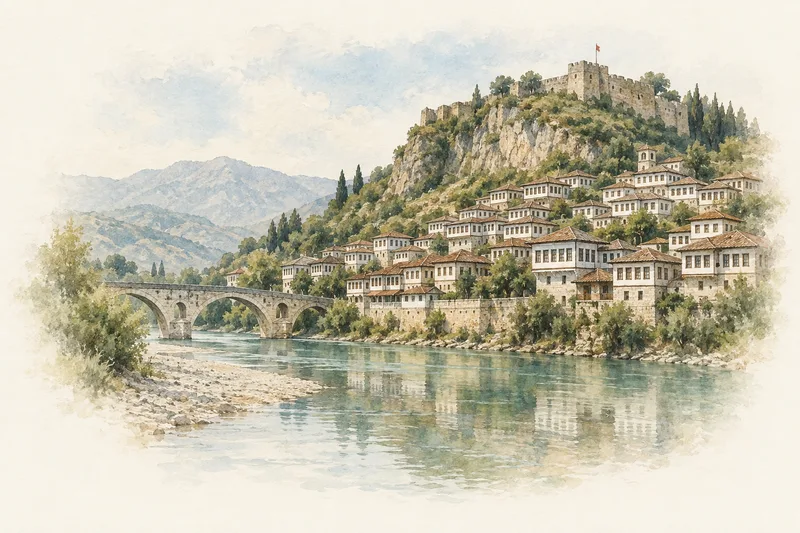
The landscape changes the table.
| Setting | Food context | Look for |
|---|---|---|
| Mountain areas | Livestock, grains and wood-fired cooking | Lamb or beef, cheese, yoghurt, bread, herbs and mushrooms |
| Central Albania | Baked family and festive dishes | Tavë kosi, rice, lamb, yoghurt-based sauces and casseroles |
| Coast, lakes & rivers | Fishing alongside farm produce | Fresh fish, vegetables, olive oil and local variations of pies and grills |
Local produce is a useful organising idea. Albania’s tourism authority highlights meat, river fish, cheese, yoghurt, seasonal fruit and vegetables, grains and wood-fired bread. Their balance changes between mountain, inland and waterside communities. [7]
Regional names point to context, not one immutable recipe. Tavë kosi is strongly associated with Tirana and Central Albania, while local pies, meat dishes and vegetable preparations change with place, season and household. [8][9]
A pantry built from grain, dairy and the land.
Layered pastry, loaves and accompaniments
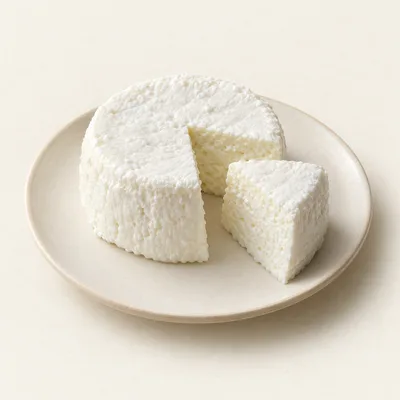 DAIRYCheese
Fresh and local cheeses in pies, bakes and salads
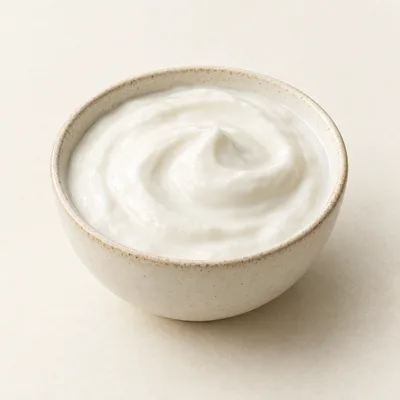 CULTURED DAIRYYoghurt
Served directly and cooked into savoury dishes
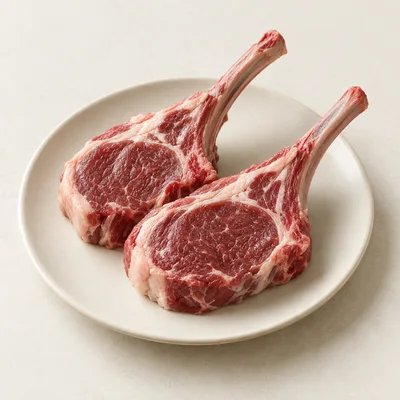 MEATLamb
Roasted, grilled, stewed or baked with yoghurt
Pastry and dairy often do more than one job. Byrek and other pies can carry vegetables, meat or cheese; yoghurt and cheese can appear as fillings, sauces, side dishes or the defining element of a bake. The whole preparation matters more than its headline ingredient. [7][8]
Herbs and vegetables keep substantial dishes lively. Mint, garlic, seasonal vegetables, fruit and mushrooms appear beside grains, meat and dairy. Olive oil, grilling, roasting and slow baking are recurring techniques rather than a single national formula. [7]
Expect food to move between bakery, grill and family table.
Different settings reveal different parts of the repertoire. A bakery counter may centre on pastry and bread; a grill on meat, meatballs and salads; an agrotourism meal on produce from the surrounding farm; a coastal restaurant on fish. Choose the setting for the food you want to understand. [7]
Hospitality and celebratory meals remain important contexts. The tourism authority describes tavë kosi as a family and festive dish. Shared serving does not mean every plate is identical, so look at the complete table: bread, salad, yoghurt, cheese and small accompaniments may be as characteristic as the main dish. [8]
Food-culture sources checked .
Byrek and layered dough
Byrek is made from thin pastry layers with fillings that vary by region, season and preference. Examples include spinach with feta or ricotta, minced meat with onion, potato, onion and tomato, tuna or other fish near the coast, and milk pie. Ask about wheat flour, egg, cheese, toppings and whether a bakery uses the same boards, trays or oil for different fillings.
Baked dishes and stews
Tavë kosi can be lamb and rice with a yoghurt sauce; its topping may also include wheat flour and egg. Fërgesë combines fresh cheese with vegetables and egg, while tavë dheu adds liver. Tasqebap is a lamb, tomato and onion stew, but flexible versions may include potatoes, rice or no lamb. Confirm the actual pot and thickener.
Grilled, fresh and regional foods
Meat may be grilled, baked or skewered, including qofte, shishqebap and mixed grill; chicken can come with cream and mushrooms. Salads may include tomato, onion, cucumber, olives or cheese, while coastal areas and lakes have fish dishes. Qifqi is associated with Gjirokastër and uses fried rice balls. Ask about marinades, bread, yoghurt dips, garnishes and shared grills.
Ingredients worth recognising
Start with these ingredients, then follow their names and recorded food connections. Check the recipe and product actually used.
Wheat flour
Wheat flour appears in byrek, petulla, lakror and some thickened or sweet dishes. Ask whether it is in pastry, batter, a soup thickener, breadcrumbs or a sauce, and whether the work surface is shared.
Egg
Egg can bind or set byrek, qofte, qifqi, baked custards and dishes such as tavë kosi. Ask whether it is mixed into the filling, brushed over pastry, used in batter or added as a topping.
Fresh Cheese
Fresh cheese is recorded in byrek, fërgesë, shapkat and tavë dheu, while cheese may also accompany peppers or salads. Ask what milk it comes from, whether it is in the filling or garnish, and whether the same knife is used elsewhere.
Tuna
Tuna is recorded as a possible byrek filling, particularly in coastal examples, but a named fish pie does not establish its contents. Ask which fish is used, whether it is canned or fresh, and how it is handled with other seafood.
Walnut
Walnuts are typical in bakllava and common in hasude, kadaif and Shëndetlie; they may also garnish tarator. Ask about fillings, decoration and shared pastry tools, and check whether a dessert is finished with nuts after baking.
How food labelling works
A current, country-specific allergen-labelling summary for Albania has not yet been verified for this guide. Do not transfer the list of regulated allergens or restaurant disclosure rules from your home country to this one.
Read the complete ingredients on the actual package and keep any local-language sticker with the original label. For imported products, compare the information on that pack rather than a photograph of the brand sold elsewhere. Ask the manufacturer or seller to clarify an unfamiliar term.
For loose food or meals prepared to order, ask who can check the recipe and the labels on bought-in ingredients. Explain every food you avoid, including ingredients outside familiar allergy groups; a short symbol chart may not cover your list.
Language and communication
Albanian is the official language and should be prioritised in a written explanation of the ingredients and preparation you need to avoid. Include the dish name, every relevant ingredient, and a request to confirm the complete recipe, sauce, garnish and cooking equipment. Names such as byrek or tavë kosi help recognition but are not a complete request.
Italian is widely spoken as a foreign language, while Greek may be encountered in the far south and Macedonian occasionally near Pogradec and Korçë. Regional variation matters, so show the same written explanation to the person preparing the food and ask for confirmation rather than relying on a dish label.
Eating in different settings
Byrek bakery or street counter
Ask which filling is in each tray and whether the pastry contains wheat flour, egg or cheese. Check if spinach, meat, potato and fish byrek share knives, boards, trays or oil, and ask for a freshly separated portion only if the staff confirms the preparation.
Restaurant with baked dishes
For tavë kosi, fërgesë or tavë dheu, ask for the complete ingredient list, including the topping, thickener, stock, butter and garnish. Confirm whether the dish is assembled in a shared baking dish and whether bread or yoghurt is added at service.
Grill or mixed-meat meal
Ask what is in qofte, shishqebap and marinades, including breadcrumbs, egg, sauces and yoghurt dips. Check whether meat, vegetables and bread use the same grill, tongs or oil, and ask whether salad toppings are added separately.
Market or packaged-food shop
For cheese, yoghurt, butter, pastries, dried fruit or desserts, read the full label and ask about compound fillings, nuts, milk ingredients and unclear oils. For loose foods, ask how they were stored and whether serving utensils are shared.
Before you travel
Review your personal plan
Discuss your travel plans with your clinician and keep your prescribed medicines and emergency instructions accessible. Tell companions where these are and how to follow your plan.
Check your medicines before entering Albania
The health source warns that medicines prescribed or bought in the UK may have different legal status or regulation in Albania. Before travel, read TravelHealthPro guidance on travelling with medicines and ask the relevant Albanian authority what requirements apply to your medicines.
Make the first meals easier to organise
Contact your accommodation and transport providers in advance. Save your written food list, menu questions and destination address offline. Check entry restrictions before packing backup food, and plan how you will check meals during arrival and onward journeys.
Plan access to medical help
Medical and dental facilities, including emergency care, are described as very poor outside Tirana. Arrange adequate travel health insurance and accessible funds for treatment, possible air-ambulance evacuation and repatriation. Check the FCDO list of Albanian medical providers and confirm treatment, evacuation and repatriation cover with your insurer.
Emergency resources
For a suspected severe allergic reaction, follow your prescribed emergency plan and seek urgent medical help. Give your exact location clearly.
Ambulance and urgent medical help
Call 127 and ask for an ambulance.
Explore next
Your allergy in Albania
Choose a food concern for the country notes and questions relevant to it.
Dishes in Albania
Follow the ingredients and cuisine connections in individual dish records.
Your own food list
Combine allergy groups and individual ingredients in one guide, with local names where recorded.
Allergy cards
Prepare the information you need to explain your food requirements.
FAQs, sources and review dates
Could a vegetarian byrek still contain dairy or egg?
Yes. Examples include spinach byrek with feta or ricotta, and potato byrek that may include cheese or onion. Ask whether the pastry itself contains egg, what is in the filling, and whether yoghurt or cheese is served alongside.
What should I ask about tarator if yoghurt is a concern?
Tarator can be cucumber, dill and lots of yoghurt; walnuts may be used as a garnish. Ask whether yoghurt is included, whether walnuts are added, and whether the bowl or spoon is shared.
Is a food outside common allergy groups worth checking?
Yes. If you avoid a particular ingredient such as liver, okra, cucumber or a named fish, ask directly even when it is not a common regulated allergen. Confirm the exact filling, stock, marinade, garnish and cooking method for that serving.
Sources checked: . This researched draft is awaiting editorial review. Practical questions apply the sources below to local food settings; they do not confirm any individual meal's ingredients or preparation.
Sources & references (9)
- FCDO · Albania health and medical assistance
Emergency contact details, local healthcare and medicine guidance. UK-specific eligibility does not apply to every visitor.
- Wikivoyage contributors · Albania
Community-edited food and dining context, checked against the recorded food examples. This is not an allergy or medical authority. Brief food-context adaptations; CC BY-SA 4.0, https://creativecommons.org/licenses/by-sa/4.0/.
- FARE · Dining out
General recipe and preparation questions, applied here to country-specific food examples.
- FARE · Travelling with food allergies
General preparation, written communication and access to prescribed medicines. Not country-specific import permission.
- PlateSafe · Albania recorded food connections
Existing draft dish and ingredient records, used as examples to investigate. These are not independently verified recipes or suitability assessments.
- Unicode CLDR · Territory language data
Language suggestions. Regional language needs must be confirmed with the particular food provider.
- Albanian National Tourism Agency — Culinary traditions
- Albanian National Tourism Agency — Tavë kosi
- Albanian National Tourism Agency — Fërgesë