
BEFORE YOUR FIRST MEAL
Navigating food allergies in Andorra
Andorra’s food combines substantial soups, potato-and-cabbage dishes, meat stews, pastries and dairy-based desserts. Escudella and Trinxat are recognisable traditional choices, while restaurant and café recipes can vary. Ask about every component rather than relying on a dish name: flour used for coating or thickening, pasta added to soup, sauces, garnishes, frying oil and shared utensils may all matter.
What to know first
Soup and stew details matter
Escudella may include wheat-based pasta, while Fricandó and game stews may use flour for coating or thickening. Ask how the stock and sauce were made.
Pastry recipes are mixed
Bunyols de Vent can contain wheat flour, egg, milk and butter; panellets may use almond flour, pine nuts and egg. Confirm the complete recipe, not just the pastry name.
Communicate in writing
Catalan is Andorra’s official language and Spanish is also widely used. Prepare a written explanation, show it before ordering, and ask staff to confirm ingredients and preparation.
Ask about preparation
Check whether food shares a fryer, pan, water, board or serving utensil with another item. For stews and soups, ask about stock, wine, pasta, toppings and thickening ingredients.
Read the whole label
Read the complete ingredients and allergen information on the actual product. If you avoid a food that is not highlighted, ask the producer or food provider to check it specifically.
Understanding the food
Terrain, climate and a close relationship with neighbouring Catalan and French foodways shape a compact but distinctive repertoire of soups, pork, potatoes, cabbage, mushrooms, cheese and hearty seasonal cooking.
The mountain climate sets the rhythm.
| Context | What it shapes | Examples to explore |
|---|---|---|
| High valleys | Cold-weather, substantial cooking | Soups, stews, potatoes, cabbage and preserved meats |
| Pastoral landscape | Livestock and local production | Pork, beef, lamb, cheese and other dairy foods |
| Border connections | Catalan and French exchange | Shared dishes, techniques and restaurant influences |
Andorra presents its cuisine as mountain gastronomy. Official tourism material connects the food directly to rugged valleys, altitude, climate, local ingredients and the producers and artisans who work with them. [7]
The borders are part of the story. Catalan foundations and French influence sit alongside local high-mountain traditions. That makes Andorran cooking recognisable to its neighbours without reducing it to either one. [8]
Substantial ingredients, simply assembled.
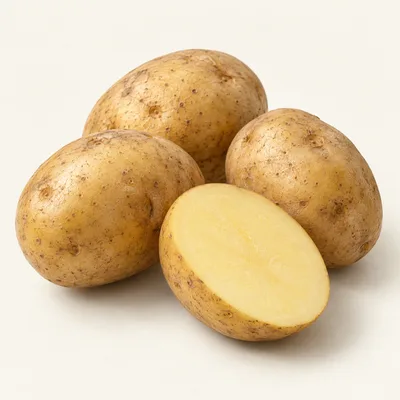 VEGETABLEPotato
Mashed, fried or folded into mountain dishes
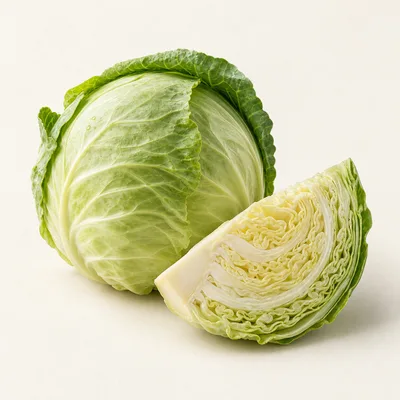 VEGETABLECabbage
A defining partner for potato in trinxat
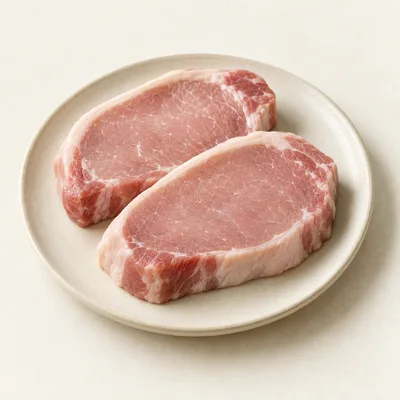 MEATPork
Fresh, salted or made into sausages and stews
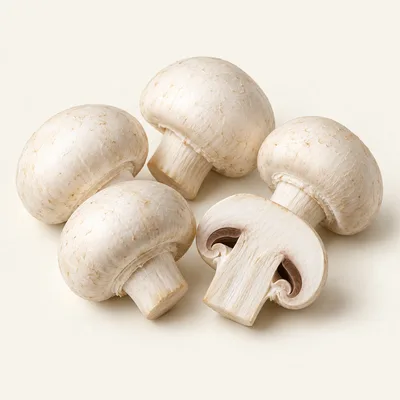 FORAGEDMushrooms
Seasonal mountain produce for sautés and stews
Trinxat captures the directness of the pantry. Potato and cabbage are cooked together and commonly finished with pork, turning a short ingredient list into a substantial plate. Soups and stews similarly bring vegetables, pulses, pasta or meat together in one vessel. [8]
Local production now sits beside a broader restaurant scene. Official tourism material foregrounds livestock, artisan products and locally sourced ingredients, while also presenting traditional cooking alongside gastrobars, resort restaurants and contemporary signature dining. [7]
The borde is the most distinctive place to begin.
Traditional bordes connect the meal to the landscape. Former high-mountain farm buildings have become emblematic restaurant settings for Andorran cooking. They are useful places to encounter soups, grilled or stewed meats and other cold-weather dishes in their local context. [7][8]
The country’s small size does not mean one dining format. Visitors will also find informal gastrobars, terraces, ski-resort restaurants, contemporary fine dining and food events. A traditional recipe and a modern interpretation can belong to the same food culture while differing in composition and presentation. [7]
Food-culture sources checked .
Soups and substantial one-pot dishes
Escudella is described as a traditional peasant soup and may sometimes include large wheat-based pasta. Ask whether pasta is present, what stock is used, and whether meatballs or other additions are made separately. Sopa de Galets also uses large pasta shells ordinarily made from wheat. Confirm whether pasta water, ladles and serving utensils are shared with other dishes.
Potato, cabbage and savoury plates
Trinxat is made with cabbage, potato and bacon or salted pork, but recipes can vary. Ask whether the pan also contains butter, stock, flour or other seasoning, and whether bacon or salted pork is added during cooking. If ordering a version with a topping, confirm every garnish rather than treating the dish name as a full ingredient list.
Meat stews and wine-based sauces
Civet de llebre and Civet de senglar may use wheat flour to coat meat or thicken the stew, while Fricandó commonly uses wheat flour and white wine. Red wine appears in the marinades or sauces of the civets and in Peres al vi. Ask which wine, whether the sauce is reduced from a shared base, and whether flour is added before or after cooking.
Bakes, custards and sweet finishes
Bunyols de Vent use a wheat-flour batter with egg, milk and butter in the traditional preparation. Coca de llardons and Coca masegada use wheat-flour dough; panellets use almond flour and may have a pine-nut coating. Crema Catalana is milk- and egg-based, with some versions using wheat flour as well as or instead of cornstarch.
Ingredients worth recognising
Start with these ingredients, then follow their names and recorded food connections. Check the recipe and product actually used.
Wheat flour
Wheat flour appears in the batter for Bunyols de Vent, doughs such as Coca masegada, and coatings or thickeners for several stews. Ask whether it is in the sauce, topping or shared preparation, not only the main item.
Egg
Egg is a core ingredient in Bunyols de Vent and may bind or glaze panellets; it also appears in egg pasta and crema catalana. Ask about batter, pasta, glaze, custard and shared utensils.
Cod
Cod is the defining fish in Bacallà amb Samfaina, and some preparations lightly flour it before cooking. Ask whether the fish is floured, what oil or pan is used, and whether the sauce contains additional ingredients.
Butter
Butter is used with cow milk in the traditional Bunyols de Vent batter and in the béchamel or topping associated with Canelons. Ask whether butter is used in frying, sauces or finishing, and what the complete dairy base is.
Mató cheese
Mató is a fresh cheese made from animal milk and features in Mel i Mató, traditionally with a walnut accompaniment. Ask which milk the cheese uses, whether the serving includes the accompaniment, and whether utensils are shared.
Red Wine
Red wine is used in the marinade or braising sauce of some civets and in Peres al vi. Sulfites are commonly present but not universal. Ask which wine is used and whether the full sauce or syrup is included.
How food labelling works
A current, country-specific allergen-labelling summary for Andorra has not yet been verified for this guide. Do not transfer the list of regulated allergens or restaurant disclosure rules from your home country to this one.
Read the complete ingredients on the actual package and keep any local-language sticker with the original label. For imported products, compare the information on that pack rather than a photograph of the brand sold elsewhere. Ask the manufacturer or seller to clarify an unfamiliar term.
For loose food or meals prepared to order, ask who can check the recipe and the labels on bought-in ingredients. Explain every food you avoid, including ingredients outside familiar allergy groups; a short symbol chart may not cover your list.
Language and communication
Catalan is Andorra’s sole official language, so prepare a written explanation in Catalan and ask for confirmation of the complete recipe. Spanish is also widely spoken; show the same explanation in Spanish where that is clearer for the person serving you.
French and Portuguese are widely spoken, but you cannot assume that a particular member of staff will understand a written allergy explanation in either language. Names such as Escudella, Trinxat or Crema Catalana help identify the dish, not its ingredients; request confirmation in the language used at that venue.
Eating in different settings
Traditional restaurant
For Escudella or Trinxat, ask whether the soup contains galets or other pasta, what stock is used, and whether meatballs are included. For Trinxat, confirm the bacon or salted pork, cooking fat, pan and serving utensil.
Bakery or café
Before choosing Bunyols de Vent, Coca or panellets, ask about wheat flour, egg, milk, butter, almond flour and pine-nut coatings. Check whether the item was baked, glazed or displayed with other pastries using shared tongs.
Restaurant serving stews
For Civet de llebre, Civet de senglar or Fricandó, ask whether flour coats the meat or thickens the sauce, which wine is used, and whether the sauce comes from a shared base or is finished separately.
Packaged-food shop
Read the complete ingredient list for chocolate, pasta, wine and dried fruit. For dried short pasta or wheat pasta, check the grain and whether egg is included; for prunes, check whether sulfites are listed rather than relying on the product name.
Before you travel
Review your personal plan
Discuss your travel plans with your clinician and keep your prescribed medicines and emergency instructions accessible. Tell companions where these are and how to follow your plan.
Check your medicines before entering Andorra
The legal status and regulation of some medicines prescribed or bought in the UK can differ in Andorra. Check TravelHealthPro’s best-practice guidance before travelling and verify any medicine import or documentation requirements with the relevant Andorran authority.
Make the first meals easier to organise
Contact your accommodation and transport providers in advance. Save your written food list, menu questions and destination address offline. Check entry restrictions before packing backup food, and plan how you will check meals during arrival and onward journeys.
Plan access to medical help
EHIC and GHIC cards are not valid in Andorra. Arrange comprehensive travel and medical insurance before travelling, and check the insurer’s eligibility and claims arrangements. Visit Andorra provides a list of medical centres and pharmacies; confirm which service is appropriate for your circumstances.
Emergency resources
For a suspected severe allergic reaction, follow your prescribed emergency plan and seek urgent medical help. Give your exact location clearly.
Ambulance and urgent medical help
Dial 116 and ask for an ambulance.
Explore next
Your allergy in Andorra
Choose a food concern for the country notes and questions relevant to it.
Dishes in Andorra
Follow the ingredients and cuisine connections in individual dish records.
Your own food list
Combine allergy groups and individual ingredients in one guide, with local names where recorded.
Allergy cards
Prepare the information you need to explain your food requirements.
FAQs, sources and review dates
Could Escudella be ordered without pasta?
Pasta may sometimes be added to Escudella, while Sopa de Galets uses large wheat pasta. Ask whether pasta is included in this serving, whether it was cooked in the same stock, and whether the ladle or pot is shared.
What should I check in Mel i Mató?
Mató is a fresh cheese made from animal milk, and the traditional accompaniment is walnut. Ask which milk the cheese uses, whether walnut is added or served separately, and whether the plate includes another topping or shared serving utensil.
Do pine nuts always appear on these sweets and dishes?
There is no basis for treating them as universal. Panellets commonly use pine nuts as a coating, Coca de llardons may use them, and some Pollastre amb prunes versions garnish with them. Ask specifically whether pine nuts are present and whether they were added after cooking.
Sources checked: . This researched draft is awaiting editorial review. Practical questions apply the sources below to local food settings; they do not confirm any individual meal's ingredients or preparation.
Sources & references (9)
- FCDO · Andorra health and medical assistance
Emergency contact details, local healthcare and medicine guidance. UK-specific eligibility does not apply to every visitor.
- Wikivoyage contributors · Andorra
Community-edited food and dining context, checked against the recorded food examples. This is not an allergy or medical authority. Brief food-context adaptations; CC BY-SA 4.0, https://creativecommons.org/licenses/by-sa/4.0/.
- FARE · Dining out
General recipe and preparation questions, applied here to country-specific food examples.
- FARE · Travelling with food allergies
General preparation, written communication and access to prescribed medicines. Not country-specific import permission.
- PlateSafe · Andorra recorded food connections
Existing draft dish and ingredient records, used as examples to investigate. These are not independently verified recipes or suitability assessments.
- Unicode CLDR · Territory language data
Language suggestions. Regional language needs must be confirmed with the particular food provider.
- Visit Andorra — Gastronomy
- Visit Andorra — Official visitor guide
- Visit Andorra — Local food products