
BEFORE YOUR FIRST MEAL
Navigating food allergies in Antigua and Barbuda
Antigua and Barbuda’s food examples range from cornmeal-based fungie and pepper to ducana, saltfish, macaroni pie, baked goods and roadside barbecue meals. A dish may combine a main food with rice, salad, vegetables, sauces or fried sides, while recipes vary. Ask about every component, including batter, stock, toppings, cooking oil and shared utensils, rather than relying on the dish name.
What to know first
Cornmeal is not the whole plate
Fungie is mainly cornmeal, but the accompanying pepper preparation may include salted fish. Ask about both the cornmeal dish and its accompaniment.
Baked and fried foods need recipe checks
Bread pudding, macaroni pie, conch fritters and accra can involve wheat, egg or dairy. Ask which binder, batter and filling the kitchen uses.
Explain the complete concern
In English or Spanish, describe the ingredient you must avoid and ask about the whole recipe, including stock, sauce, topping, oil, water and utensils.
Ask how food is prepared
Check whether fritters, dumplings or other foods share oil, and whether pasta, vegetables or seafood share cooking water, pans, boards or serving utensils.
Read the complete label
For packaged bread, pasta, vinegar, raisins, ketchup or oil, read the full ingredient list and ask about the specific formulation; no national labelling rule is established here.
Understanding the food
African, Caribbean and European histories meet fresh seafood, tropical produce and slow-cooked one-pot dishes. Fungee and pepperpot are the best-known pairing, but cookshops, markets and modern restaurants reveal a wider island repertoire.
Several signature dishes are built for sharing.
| Food | Structure | What defines it |
|---|---|---|
| Fungee & pepperpot | Cornmeal accompaniment with slow-cooked stew | A classic pairing rather than a single combined recipe |
| Saltfish breakfast | Preserved fish with fungee or other sides | A familiar Sunday-morning food tradition |
| Ducana | Sweet potato mixture steamed in banana leaf | Coconut, sugar and spices in a compact parcel |
| Goat water | Long-simmered spiced stew | Goat with hot pepper and warm spices |
Pepperpot changes from family to family. The official visitor guide describes a slow-simmered one-pot meal of fresh and pickled meats, local vegetables and spices, explicitly noting that families have their own recipes. [8]
Fungee is the quiet partner to stronger flavours. Cornmeal is cooked into a polenta-like accompaniment, commonly paired with pepperpot or saltfish. It is useful to think of the meal as a relationship between staple, stew and sides. [8][9]
Preservation and tropical produce shape the pantry.
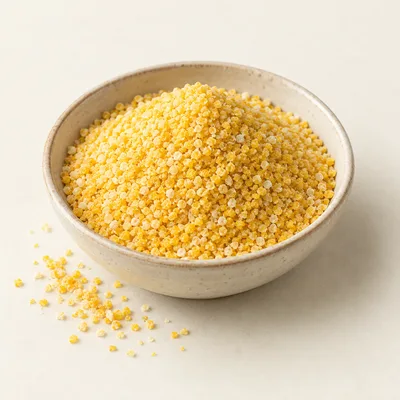 GRAINCornmeal
Cooked into fungee beside stews and fish
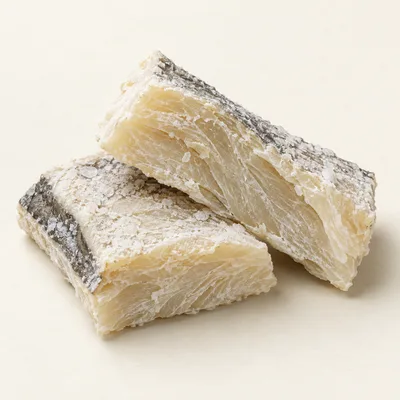 PRESERVED FISHSalt cod
Saltfish for breakfasts and savoury plates
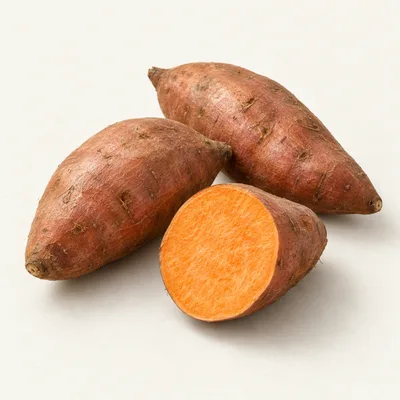 ROOTSweet potato
Grated for ducana and served in savoury meals
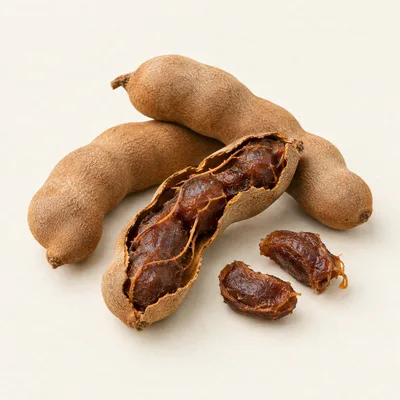 FRUITTamarind
A sharp-sweet base for local drinks and preserves
Seafood and produce share equal billing. The tourism authority highlights fresh seafood, locally grown produce and dishes such as saltfish, fungee and pepperpot. Sweet potato, coconut, banana leaf, tamarind, sorrel and passion fruit extend that story into dumplings, parcels and drinks. [7][8]
Spice is aromatic as well as hot. Goat water combines hot pepper with cloves and cinnamon, while ducana uses sweet spice with coconut and sweet potato. Island cooking moves between savoury heat, preservation, sweetness and fresh fruit acidity. [8]
Cookshops make the local repertoire visible.
Casual local businesses are an important place to begin. The tourism authority’s Eat Like A Local programme specifically promotes island cookshops and names pepperpot, fungee, goat water, ducana and saltfish as foods to seek out. These settings sit alongside markets, beach restaurants and hotel dining. [9]
Contemporary chefs work with, not outside, tradition. Official culinary material describes chefs preserving traditional recipes while adding modern interpretations, and presents local food alongside a broad international restaurant scene. A fine-dining plate and a cookshop stew can therefore tell different parts of the same island story. [7][9]
Food-culture sources checked .
Cornmeal dishes and accompaniments
Antigua and Barbuda’s national dish is fungie and pepper. Fungie is mainly cornmeal, and some versions of the pepper accompaniment commonly include salted fish; recipes vary. Ask whether the accompaniment contains salted fish, stock or added seasoning, and whether the fungie is cooked in separate water and utensils from other dishes.
Saltfish, fritters and dumplings
Saltfish appears in ducana, saltfish and chop-up, accra and the pepper accompaniment. Accra and conch fritters commonly use egg and wheat flour in the batter; conch-water and goat-water may include wheat-flour dumplings. Ask about the complete batter, soup, thickener, frying oil and cross-use of utensils.
Baked dishes, bread and pasta
Macaroni pie is a baked dish whose recorded connections include wheat-based macaroni, cheese, milk, butter and commonly egg. Bread pudding commonly uses wheat bread and egg custard; butter bread uses wheat flour and butter. Ask whether pasta, breadcrumbs, sauces and fillings are made separately and what the recipe contains.
Meals, sides and regional examples
Recorded meal descriptions include rice or macaroni or pasta with vegetables or salad, a main course and sides such as macaroni pie, scalloped potatoes or plantains. Local examples also include Barbuda lobster, ducana and roadside barbecue meals. Ask about each side, seasoning, glaze, stock and shared grill or serving tools.
Ingredients worth recognising
Start with these ingredients, then follow their names and recorded food connections. Check the recipe and product actually used.
Bread
Bread may be made with wheat and can also contain milk, soy, egg or sesame, depending on the formulation. For bread pudding, ask whether the bread is wheat-based and whether the custard or topping adds egg or dairy.
Wheat flour
Wheat flour is used in the recorded connections for bread, fritter batters, some ducana recipes and possible dumplings. Ask whether it is present in the complete dish, including a thickener, coating, batter or side.
Macaroni
Conventional macaroni is commonly wheat- or semolina-based, and some formulations include egg. In macaroni pie, ask about the pasta, cheese sauce, milk, butter, egg and any breadcrumbs, rather than treating the dish name as a recipe.
Butter
Butter is a cow-milk ingredient and is recorded in macaroni pie and Antiguan butter bread connections. Ask whether butter is used in the dough, sauce, pastry, vegetables or finishing, and whether another spread or cooking fat is substituted.
Egg
Egg is recorded as a binder in bread pudding, sweet potato pudding, conch fritters, accra and macaroni pie, though recipes vary. Ask whether it is in the batter, custard or baked mixture, and whether it is brushed on top.
Vinegar
Generic vinegar has an unspecified source: some versions are malt-based and some may contain sulfites. Ask which vinegar is used in a sauce, pickle, salad dressing or seasoning, and request the bottle or complete label for a packaged product.
How food labelling works
A current, country-specific allergen-labelling summary for Antigua and Barbuda has not yet been verified for this guide. Do not transfer the list of regulated allergens or restaurant disclosure rules from your home country to this one.
Read the complete ingredients on the actual package and keep any local-language sticker with the original label. For imported products, compare the information on that pack rather than a photograph of the brand sold elsewhere. Ask the manufacturer or seller to clarify an unfamiliar term.
For loose food or meals prepared to order, ask who can check the recipe and the labels on bought-in ingredients. Explain every food you avoid, including ingredients outside familiar allergy groups; a short symbol chart may not cover your list.
Language and communication
English is the official language identified for Antigua and Barbuda, and local dialects are also spoken. Spanish has been declared the second official language and is taught in schools. Prepare a written explanation in English and Spanish, naming the ingredient and the dishes or components to check.
Names such as fungie, pepper, ducana, saltfish, accra, macaroni pie and conch fritters help identify foods, but they are not complete allergy requests. Explain the concern in writing and ask for confirmation of regional wording, the full recipe and preparation method.
Eating in different settings
Public markets and provision stalls
For bread, vinegar, raisins, ketchup, oil or other packaged provisions, ask to see the complete ingredient list and identify the exact product. At prepared-food stalls, ask what is in the dish, sauce and seasoning, and whether serving utensils are shared.
Bakeries and sweet counters
For bread pudding, butter bread, sweet potato pudding, sugarcake, fudge or peanut brittle, ask about wheat flour, egg, milk, butter and the named ingredients. Check toppings, fillings, trays and utensils, and ask whether nearby products share surfaces or tools.
Roadside barbecues and takeaway meals
For Saturday barbecue food such as rice, chicken, dumplings or soup, ask about marinades, stock, flour-based dumplings, sauces and finishing ingredients. Ask whether the grill, fryer, cooking oil, pan or serving tongs are shared with other foods.
Restaurants and mixed meals
When ordering fungie and pepper, ducana with saltfish, macaroni pie, roti or a fish, meat or vegetable meal, ask for each component separately. Confirm rice, salad, plantain, sauce and side recipes, plus shared water, oil, boards and utensils.
Before you travel
Review your personal plan
Discuss your travel plans with your clinician and keep your prescribed medicines and emergency instructions accessible. Tell companions where these are and how to follow your plan.
Check your medicines before entering Antigua and Barbuda
The legal status and regulation of some medicines prescribed or bought in the UK can differ in Antigua and Barbuda. Before travelling, read best-practice guidance on travelling with medicines from TravelHealthPro. Do not stop or change prescribed medicine.
Make the first meals easier to organise
Contact your accommodation and transport providers in advance. Save your written food list, menu questions and destination address offline. Check entry restrictions before packing backup food, and plan how you will check meals during arrival and onward journeys.
Plan access to medical help
The main government hospital can provide many types of treatment, but serious cases may require evacuation; treatment can be expensive. Arrange adequate travel health insurance and accessible funds. Before using a private facility, check its pre-payment policies and whether it accepts medical travel insurance as payment. Check FCDO’s list of medical providers and contact your insurer promptly if referred for treatment.
Emergency resources
For a suspected severe allergic reaction, follow your prescribed emergency plan and seek urgent medical help. Give your exact location clearly.
Ambulance and urgent medical help
Call 999 or 911 and ask for an ambulance.
Explore next
Your allergy in Antigua and Barbuda
Choose a food concern for the country notes and questions relevant to it.
Dishes in Antigua and Barbuda
Follow the ingredients and cuisine connections in individual dish records.
Your own food list
Combine allergy groups and individual ingredients in one guide, with local names where recorded.
Allergy cards
Prepare the information you need to explain your food requirements.
FAQs, sources and review dates
Could fungie and pepper contain fish?
The fungie itself is described as mainly cornmeal, but salted fish is a common component of the pepper accompaniment and versions vary. Ask specifically about the pepper, seasoning and stock, then check whether the two parts were cooked or served with shared utensils.
What should I check in macaroni pie?
Ask about the macaroni, cheese sauce, milk, butter and egg, as well as wheat in the pasta. Also check breadcrumbs, seasoning, stock and preparation surfaces. A version made without one recorded ingredient is not necessarily free from another concern.
What about an ingredient such as celery?
Celery is recorded as a seasoning variation in conch fritters, and some seasoned tomato ketchups may contain celery or celery-derived flavouring. Ask whether celery is in the batter, sauce, seasoning or condiment, and check the label of packaged ketchup.
Sources checked: . This researched draft is awaiting editorial review. Practical questions apply the sources below to local food settings; they do not confirm any individual meal's ingredients or preparation.
Sources & references (9)
- FCDO · Antigua and Barbuda health and medical assistance
Emergency contact details, local healthcare and medicine guidance. UK-specific eligibility does not apply to every visitor.
- Wikivoyage contributors · Antigua and Barbuda
Community-edited food and dining context, checked against the recorded food examples. This is not an allergy or medical authority. Brief food-context adaptations; CC BY-SA 4.0, https://creativecommons.org/licenses/by-sa/4.0/.
- FARE · Dining out
General recipe and preparation questions, applied here to country-specific food examples.
- FARE · Travelling with food allergies
General preparation, written communication and access to prescribed medicines. Not country-specific import permission.
- PlateSafe · Antigua and Barbuda recorded food connections
Existing draft dish and ingredient records, used as examples to investigate. These are not independently verified recipes or suitability assessments.
- Unicode CLDR · Territory language data
Language suggestions. Regional language needs must be confirmed with the particular food provider.
- Antigua and Barbuda Tourism Authority — Culinary heritage
- Antigua and Barbuda Tourism Authority — Antigua’s flavours
- Antigua and Barbuda Tourism Authority — Culinary Month 2026