
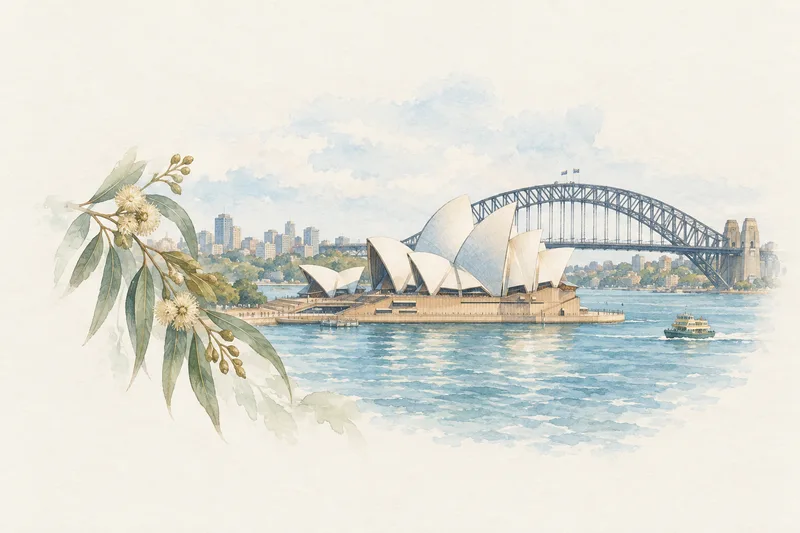
BEFORE YOUR FIRST MEAL
Navigating food allergies in Australia
Australia’s food scene combines British-influenced staples, immigrant cuisines, native ingredients and modern fusion cooking. A café breakfast, pub meal, bakery snack, market purchase and barbecue may use different breads, sauces, coatings and shared equipment. Regional availability also changes: city food halls and specialist shops differ from remote areas. Treat familiar dish names as starting points, not evidence of a complete recipe.
What to know first
Culinary pattern
A pub meal may be steak, burger, fish and chips or chicken parmigiana; ask about coatings, sauces, chips and shared fryers rather than relying on the menu title.
Recipe variation
Australian staples vary between commercial and home-style versions: banana bread may contain walnuts, while fish batter may include egg, milk or wheat flour.
Communication
Explain your specific allergy or avoidance in writing, then ask staff to confirm the complete recipe, including stock, sauce, toppings and any garnish added at service.
Preparation
Ask whether a meal uses shared oil, water, grills, boards or utensils, and whether the kitchen can prepare it separately; do not assume cooking changes allergen status.
Packaged labels
Applicable packaged foods use plain-English allergen declarations, emphasised in ingredients and summarised in a Contains statement; read the full label and check any May contain wording.
Understanding the food
There is no single national plate. Aboriginal and Torres Strait Islander food knowledge, extraordinary regional produce and successive migrations shape a scene that moves easily between cultural tours, markets, cafés, pubs and ambitious restaurants.
Produce follows climate, coast and Country.
| Setting | Food context | Examples to explore |
|---|---|---|
| Tropical north | Monsoon climate, reefs and multicultural cities | Barramundi, mud crab, tropical fruit, laksa and outdoor markets |
| Southern coasts | Cool waters and maritime farming | Oysters, abalone, mussels, tuna and lobster |
| Temperate food regions | Farms, orchards and vineyards | Cheese, wine, apples, berries, grains and seasonal restaurants |
| Arid & inland Country | Deep Indigenous knowledge of seasonal landscapes | Saltbush, wattleseed, native fruits and guided cultural food experiences |
Indigenous food knowledge is foundational and place-specific. Tourism Australia emphasises that Aboriginal seasons do not always follow a four-season calendar and that foods change with Country, flowering, fruiting and animal cycles. “Bush food” is therefore not one pantry shared uniformly across the continent. [8]
Regional produce is unusually diverse. Official tourism material moves from tropical fruit and barramundi in Darwin to Eyre Peninsula oysters, Gippsland farms, Canberra wine and Tasmanian orchards. Geography is a more useful guide than a short list of national dishes. [10]
Native ingredients belong to living cultures.
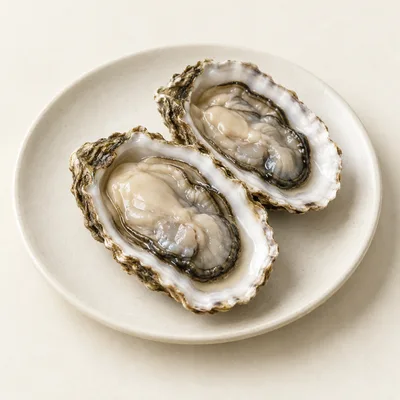 SEAFOODOysters
Cold-water regional produce, especially prominent in southern coasts
A rainforest food from the north-east coast
Ground for breads and used in contemporary sweets
Salty leaves from dry landscapes, fresh or ground
Native ingredients should come with cultural context. Macadamia, lemon myrtle, finger lime, wattleseed, saltbush and Kakadu plum are not novelty garnishes detached from place. Aboriginal-led tours and businesses explain how particular communities know, harvest and use them. [9][8]
The contemporary pantry is also profoundly migrant. City food scenes combine long-established Chinese, Greek, Italian, Lebanese, Vietnamese and many other traditions with newer arrivals and local produce. Markets and suburban dining strips often explain Australian food better than a single “modern Australian” menu. [11][10]
Markets, cafés and cultural tours are as important as restaurants.
The best setting depends on the story you want. An Aboriginal-guided food experience centres knowledge of Country; a regional cellar door or farm gate centres production; a seafood cooperative centres catch; a city market or neighbourhood restaurant centres migration and community. [8][10]
Café culture is part of everyday urban life. Tourism Australia highlights coffee in Melbourne alongside al-fresco dining, seafood experiences and native-food tours. Pubs, bakeries, clubs and takeaway shops add another layer of ordinary meals beyond destination restaurants. [11]
Food-culture sources checked .
Cafés, bakeries and breakfast
Cafés commonly serve light meals, cakes and breakfast. Smashed avo is avocado with feta on toast and an egg, while bacon and egg rolls combine a wheat bread roll with egg and bacon. Bakery choices include meat pies, sausage rolls, damper and sweet items such as lamingtons. Ask whether bread, pastry, butter, fillings and toppings are made separately or shared.
Pubs, takeaway and fried food
Pubs serve staples such as fish and chips, burgers, steaks and chicken parmigiana; takeaway shops may sell pies, sushi, kebabs and rotisserie chicken. Fish batter can contain egg, milk and wheat flour, while chicken parmigiana commonly combines an egg-bound wheat breadcrumb coating with mozzarella and Parmesan. Ask about the coating, sauces, fryer oil and cooking surfaces.
Barbecues, pies and regional examples
Public-barbecue and meal examples include steaks, chops, sausages, chicken fillets, fish and kebabs, but the accompanying bread, marinades and sauces still need checking. An Adelaide pie floater pairs a meat pie with thick mushy pea soup. Scallop pie is another recorded example, with creamy filling and wheat-based pastry; regional recipes and commercial versions can differ.
Desserts and modern cooking
Desserts range from pavlova with cream and fruit to peach Melba with vanilla ice cream, sticky date pudding, caramel slice and ANZAC biscuits. Modern Australian restaurants may apply Western techniques to Australian ingredients with Asian touches and tasting-menu courses. Ask about every component, crumb, glaze, ice cream, sauce and garnish instead of treating the dish name as a recipe.
Ingredients worth recognising
Start with these ingredients, then follow their names and recorded food connections. Check the recipe and product actually used.
Bread
Bread may be a roll for a bacon and egg roll, toast for Vegemite or a base for fairy bread. Wheat is common, while sesame, egg, milk, rye or soy may occur. Ask for the exact loaf, toppings and bakery handling.
Fish
Fish appears in fish and chips, barbecues and takeaway meals, with species varying by venue. The fish itself is only one part of the check: ask about batter, flour, egg, milk, marinades, sauces and shared frying oil.
Celery
Celery may occur in a vegetable filling such as Chiko roll, or in some beef-broth formulations. Ask whether it is present in the complete filling, stock, gravy or seasoning, and whether a prepared sauce or broth has already been added.
Butter
Butter is recorded in ANZAC biscuits, pastry, damper, slices and many puddings. Ask whether the recipe uses butter, another dairy ingredient or a substitute, and check the bread, pastry, gravy, sauce or crumb rather than assuming the visible portion is the whole recipe.
Mustard Paste
Mustard can be a seasoning in white sauce, devilled sausages or other savoury accompaniments. Ask directly about mustard in the sauce, sausage mixture, dressing and garnish, including whether a prepared condiment has been added after cooking.
Dried Apricot
Dried apricot is relevant to apricot chicken, where commercial fruit may be treated with sulphites. Ask whether the dish uses dried or fresh fruit, whether the apricots are commercial, and whether the sauce contains apricot nectar or other prepared ingredients.
How food labelling works
Australia and New Zealand use plain-English allergen declarations. Required names are emphasised in the ingredients and summarised in a separate Contains statement on applicable packaged foods. The period allowing sale of older labels ended on 25 February 2026.
The rules identify specified cereals, individual tree nuts and other required allergens, including lupin and molluscs. Sulphites have a concentration threshold. If the food is not required to carry a label, allergen information must be displayed with it or available on request.
Read the full label for your own food list and ask separately about preparation. A voluntary May contain statement addresses possible unintended presence; the absence of that wording is not a complete account of handling.
Language and communication
English is widely used for menus, labels and written food explanations. Prepare a short note naming the ingredient or food you must avoid, then describe the level of concern clearly. Use Australian food terms where useful: “take-away”, “hot chips” and “eggplant” may appear on menus, while “chips” can mean either fried potatoes or crisps.
Australian English has regional differences in accent and word usage, but broad regional variation is limited. Names such as “smashed avo”, “chicken parma” or “pie floater” help identify a dish, but they are not allergy requests. Ask the particular café, bakery, pub or market seller to confirm the recipe and preparation.
Eating in different settings
Café breakfast or brunch
For smashed avo, ask whether the toast is wheat-based and whether the feta and egg are added separately. For a bacon and egg roll, confirm the bread, egg, bacon, sauces and grill. Ask whether butter is used on the bread and whether the same utensils or cooking surface handle other foods.
Bakery or cake counter
Ask for the full ingredient information for an ANZAC biscuit, lamington, banana bread or meat pie. Check flour, butter, egg, dairy, chocolate, coconut and optional nuts where relevant. For an unpackaged item, ask how allergen information is displayed or obtained and whether products share trays, tongs or preparation surfaces.
Pub, takeaway or food court
Before ordering fish and chips, chicken parmigiana or a pie floater, ask about batter or breadcrumbs, stock, gravy, sauces and toppings. Confirm whether chips share oil with other coated foods, and whether the meal is assembled with common utensils. A named “gluten-free” option still requires a complete recipe and preparation check.
Market, barbecue or packaged-food shop
At a farmers’ market, ask what is in prepared foods and whether the seller can identify every dressing, preserve, crumb or seasoning. For barbecue meat, ask about marinades and the grill. For packaged biscuits, chocolate or bread, read the full ingredients and Contains statement, then check any May contain declaration.
Before you travel
Review your personal plan
Discuss your travel plans with your clinician and keep your prescribed medicines and emergency instructions accessible. Tell companions where these are and how to follow your plan.
Check your medicines before entering Australia
Some medicines prescribed or bought in the UK have different legal status or regulation in Australia. Before travel, read current TravelHealthPro guidance and ask the relevant Australian authority what import or documentation requirements apply to your medicines.
Make the first meals easier to organise
Contact your accommodation and transport providers in advance. Save your written food list, menu questions and destination address offline. Check entry restrictions before packing backup food, and plan how you will check meals during arrival and onward journeys.
Plan access to medical help
Eligible UK residents visiting Australia can access essential and urgent hospital treatment under the UK–Australia Reciprocal Healthcare Agreement, subject to its limits; GP visits and prescriptions can incur charges. Pharmaceuticals outside hospital, ambulances and medical evacuation are excluded. Ask Services Australia whether the arrangement applies to you and confirm insurance for costs not covered.
Emergency resources
For a suspected severe allergic reaction, follow your prescribed emergency plan and seek urgent medical help. Give your exact location clearly.
Ambulance and urgent medical help
Dial 000 and ask for an ambulance.
Explore next
Your allergy in Australia
Choose a food concern for the country notes and questions relevant to it.
Dishes in Australia
Follow the ingredients and cuisine connections in individual dish records.
Your own food list
Combine allergy groups and individual ingredients in one guide, with local names where recorded.
Allergy cards
Prepare the information you need to explain your food requirements.
FAQs, sources and review dates
Can I assume pavlova is only egg and fruit?
No. The meringue uses egg whites, but the usual cream topping is dairy, and fruit or sauces may be added separately. Ask about the complete pavlova, including cream, fillings, coulis, decorations and shared serving utensils. A display label or familiar name does not establish the exact recipe.
What should I ask about a meat pie or pie floater?
Ask about the pastry, egg wash, butter, wheat flour, gravy, stock and the soup or sauce served with it. For a pie floater, check both the meat pie and mushy pea soup. Confirm whether the pie is made on site or supplied commercially, and whether toppings are added after heating.
Is coconut the same as a tree nut for this check?
Do not classify coconut into a legal or botanical allergen group from its name. If coconut matters to you, ask specifically about coconut in the cake, biscuit, topping, ice cream or dessert, and check the complete packaged ingredient list where one is available. The same approach applies to any individual ingredient outside common groups.
Sources checked: . This researched draft is awaiting editorial review. Practical questions apply the sources below to local food settings; they do not confirm any individual meal's ingredients or preparation.
Sources & references (11)
- FCDO · Australia health and medical assistance
Emergency contact details, local healthcare and medicine guidance. UK-specific eligibility does not apply to every visitor.
- Wikivoyage contributors · Australia
Community-edited culinary context only; not an allergy or medical authority. Brief food-context adaptations, CC BY-SA 4.0: https://creativecommons.org/licenses/by-sa/4.0/. Recipe questions also use PlateSafe’s draft records.
- FARE · Dining out
General recipe and preparation questions, applied here to country-specific food examples.
- FARE · Travelling with food allergies
General preparation, written communication and access to prescribed medicines. Not country-specific import permission.
- PlateSafe · Australia recorded food connections
Existing draft dish and ingredient records, used as examples to investigate. These are not independently verified recipes or suitability assessments.
- Unicode CLDR · Territory language data
Language suggestions. Regional language needs must be confirmed with the particular food provider.
- FSANZ · Allergen labelling
Scoped allergen-labelling summary. Does not establish an individual meal’s ingredients or preparation.
- Tourism Australia — Aboriginal food cultures
- Tourism Australia — Native Australian ingredients
- Tourism Australia — Regional Australia on a plate
- Tourism Australia — Food experiences