
BEFORE YOUR FIRST MEAL
Navigating food allergies in Azerbaijan
Azerbaijani meals often combine meat, vegetables, bread, rice, pastry and dairy-based dishes. Piti may contain mutton, vegetables, chickpeas, saffron water and fat, while plov has varied toppings and may use butter. Regional or recipe variation matters: ask about the complete preparation of dolmasi, qutab, soups, dumplings and sweets rather than relying on a dish name.
What to know first
Piti and plov vary
Piti may include mutton, tomatoes, potatoes or chestnuts, chickpeas and fat; plov toppings and cooking fats can differ, so ask what is in this serving.
Dough appears widely
Arishta, dushbara, gurza, qutab, khingal and pastries may use wheat flour; some doughs also contain egg, butter or milk.
Explain the whole concern
Show a written explanation in Azerbaijani or Russian, naming the ingredient and asking about the dish, stock, sauce, garnish, oil and shared utensils.
Check preparation separately
Ask whether food is cooked in shared oil, water or pans, whether toppings are added afterwards, and whether a supposedly plain rice or vegetable dish shares equipment.
Read the complete label
Read the complete ingredients and allergen information on the actual product. If you avoid a food that is not highlighted, ask the producer or food provider to check it specifically.
Understanding the food
Rice, herbs, lamb, vegetables, yoghurt, fruit and nuts take on distinct regional forms between Baku, mountain villages, fertile lowlands and the subtropical south. Plov and dolma are central traditions, not single fixed recipes.
Every route carries its own repertoire.
| Area | Landscape & influence | Examples to explore |
|---|---|---|
| Baku & Absheron | Caspian coast and cosmopolitan city | Fish, saffron rice, grilled meats, pastries and city dining |
| Ganja & west | Orchards, farms and Silk Road histories | Local plovs, meat dishes, sweets and rose-water flavours |
| Lankaran & south | Subtropical lowlands beside the Caspian | Rice, citrus, tea, fish, herbs and lavangi |
| Nakhchivan | Dry highlands and a distinct regional tradition | Meat, grains, herbs, preserved foods and local breads |
| Central Aran | Irrigated lowlands along the Kura | Yoghurt, vegetables, meat, pulses and seasonal soups |
Official tourism material treats regional cuisine as a reason to travel. Ganja, Nakhchivan, Lankaran, Guba-Gusar and Central Aran are presented with their own ingredients and specialities. Azerbaijan’s geography supports a far wider repertoire than one capital-city menu. [7][9]
Silk Road exchange sits beside local produce. The tourism board links Azerbaijani cooking to cultures moving along the Silk Road while emphasising fruit, vegetables, nuts, honey, Caspian products and saffron grown within the country. [8]
Aromatic rice and tart fruit balance rich dishes.
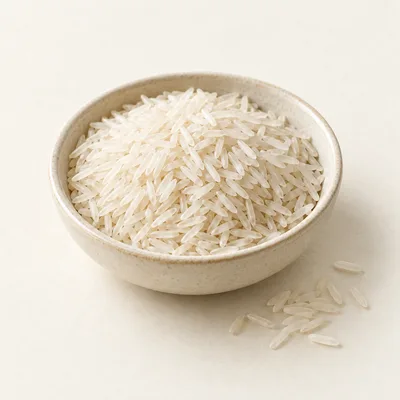 GRAINRice
The foundation for many distinct plovs
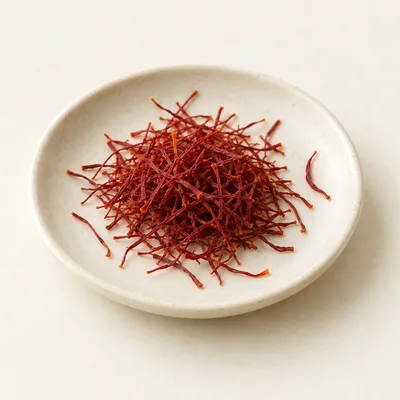 SPICESaffron
Colour and aroma in rice, sweets and infusions
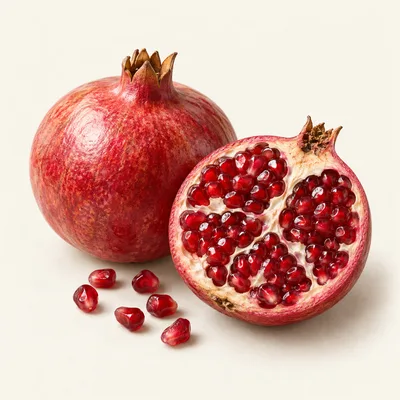 FRUITPomegranate
Fresh seeds, juice and tart sauces beside savoury food
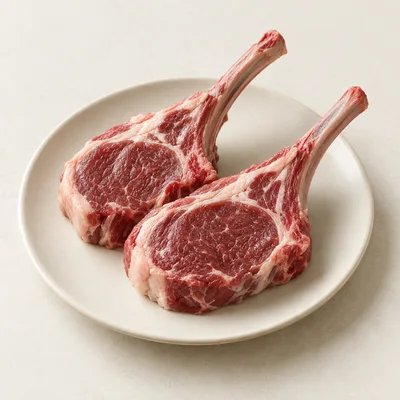 MEATLamb
Grilled, stewed or layered into rice dishes
Plov is a category with many named versions. Aromatic rice may be served with lamb, poultry, dried fruit, chestnuts, herbs or other accompaniments. The rice and its garnish can be cooked separately and brought together for serving, allowing regional and ceremonial variation. [8]
Dolma is equally variable. UNESCO describes fillings of meat, onion, rice, peas and spices wrapped in leaves or placed inside fruits and vegetables, with different techniques and ingredients used by communities across Azerbaijan. [10]
Food carries a strong culture of hosting and sharing.
Dolma connects the kitchen with family and occasion. UNESCO records the practice as a marker of cultural identity shared at gatherings and transmitted through families and apprenticeships. Its social meaning sits alongside the practical skill of filling and wrapping. [10]
Regional experiences extend beyond formal restaurants. The tourism board points to village visits, cooking masterclasses, tea, sweets and farm-linked food traditions as well as city dining. In Central Aran, even a simple yoghurt, cucumber and herb preparation is explained through summer climate and local agriculture. [7][9]
Food-culture sources checked .
Soups, stews and cooking liquid
Piti is described with mutton, tomatoes, potatoes, chickpeas, saffron water and a lump of fat; the Şəki version uses boiled chestnuts instead of potato. For piti, bozbash, buglama, ashgara or Çoban qovurma, ask for every ingredient in the broth or stew, including added fat, flour, egg, dairy, fish and garnishes. Do not assume the cooking liquid is simply meat and vegetables.
Rice, bread and filled dishes
Bread is a staple, while plov is rice with varied toppings. Shah plov may have wheat-based lavash as a crust and butter around the rice. Dolmasi can use cabbage, grape leaves or aubergine around meat; qutab, dumplings and gutabs have their own dough or wrapper questions. Ask whether rice, fillings and wrappers are prepared separately from bread, pastry or other dishes.
Pastry, dairy and regional recipes
Azerbaijani pakhlava, badambura, mutaki, shekerbura and shor gogal can combine wheat pastry with egg, butter, milk or nut fillings. Dovga and ayran ashi use yoghurt-based preparations, with egg or wheat flour in some versions; firni has cow’s milk and may have nut garnish. Ask which recipe is being served, what is added during finishing, and whether garnishes are optional or mixed through.
Ingredients worth recognising
Start with these ingredients, then follow their names and recorded food connections. Check the recipe and product actually used.
Wheat flour
Wheat flour is recorded in lavash, noodle, dumpling, pastry and qutab preparations, including arishta, dushbara, gurza and shekerbura. Ask whether the flour is in the dough, thickener or crumbs, and whether a dish uses a different grain.
Egg
Egg is the specified ingredient and is recorded in dishes such as kuku and pomidor-yumurta; it may also bind, enrich or glaze doughs and stabilise yoghurt soups. Ask whether it is cooked into the dish, brushed on top or used in shared preparation.
Fish
Fish is a recognised version of buglama and lavangi, so the dish name alone does not identify its protein. Ask whether this serving uses fish, lamb, chicken or another protein, and whether the stock, grill, pan or serving utensils are shared.
Yogurt
Yoghurt is the defining base of dovga and a typical base for ayran ashi; it may also be served with yarpag khingal or used in ovdukh. Ask whether it is mixed into the recipe, added as a topping, and what milk the product is made from.
Dried Currant
Dried currant may appear among sweet or savoury additions, but commercial dried fruit can be treated with sulphites. Ask whether currants are included, whether they are treated, and whether the same packet or preparation contains other dried fruit.
How food labelling works
A current, country-specific allergen-labelling summary for Azerbaijan has not yet been verified for this guide. Do not transfer the list of regulated allergens or restaurant disclosure rules from your home country to this one.
Read the complete ingredients on the actual package and keep any local-language sticker with the original label. For imported products, compare the information on that pack rather than a photograph of the brand sold elsewhere. Ask the manufacturer or seller to clarify an unfamiliar term.
For loose food or meals prepared to order, ask who can check the recipe and the labels on bought-in ingredients. Explain every food you avoid, including ingredients outside familiar allergy groups; a short symbol chart may not cover your list.
Language and communication
Prepare a written explanation in Azerbaijani, the official language, and carry it alongside the ingredient names you need checked. Ask the person taking the order to confirm the complete recipe, including stock, sauce, garnish and cooking medium, rather than asking only whether a dish is suitable.
Russian is also widely used, so a Russian explanation may help when Azerbaijani communication is difficult. Recipe wording and preparation can vary between places; ask a staff member or host to confirm the particular serving, and have the response repeated or written down if details remain unclear.
Eating in different settings
Market or street counter
For prepared piti, plov, dolmasi or kebab, ask what is in the pot or tray today, which fat was used, and whether the serving spoon or cooking surface is shared. For rice, ask about toppings, dried fruit, nuts and stock before ordering.
Bakery or pastry shop
Ask whether pakhlava, badambura, shekerbura, mutaki or shor gogal contains wheat, egg, butter, milk or nuts, and whether toppings are mixed into the filling. Check whether the item was cut or handled with equipment also used for other pastries.
Restaurant or shared meal
With dishes such as buglama, lavangi, qutab, dovga or yarpag khingal, ask for the exact protein, wrapper, soup base and yoghurt serving. Confirm whether bread, lavash, sauces or garnishes are placed on the same plate or added after cooking.
Packaged-food shop
Read the complete ingredient list on bread, lavash, noodles, dried fruit and sweets. Ask about unclear names, vegetable oil, vinegar, sulphites and nut garnishes, and check whether the product is sold sealed or repacked from a shared container.
Before you travel
Review your personal plan
Discuss your travel plans with your clinician and keep your prescribed medicines and emergency instructions accessible. Tell companions where these are and how to follow your plan.
Check your medicines before entering Azerbaijan
The legal status and regulation of medicines prescribed or bought in the UK may differ in Azerbaijan. Before travel, review the medicine guidance on TravelHealthPro and check with the relevant Azerbaijani authority what medicine, prescription and supporting-document checks apply to your specific medicines.
Make the first meals easier to organise
Contact your accommodation and transport providers in advance. Save your written food list, menu questions and destination address offline. Check entry restrictions before packing backup food, and plan how you will check meals during arrival and onward journeys.
Plan access to medical help
Medical facilities outside Baku are very limited. Serious illness or injury, including in Baku, may require evacuation to Turkey or Western Europe, so check that travel health insurance covers your circumstances. The FCDO lists medical providers in Azerbaijan where some staff may speak English; verify current access before travelling.
Emergency resources
For a suspected severe allergic reaction, follow your prescribed emergency plan and seek urgent medical help. Give your exact location clearly.
Ambulance and urgent medical help
Call 103 and ask for an ambulance.
Explore next
Your allergy in Azerbaijan
Choose a food concern for the country notes and questions relevant to it.
Dishes in Azerbaijan
Follow the ingredients and cuisine connections in individual dish records.
Your own food list
Combine allergy groups and individual ingredients in one guide, with local names where recorded.
Allergy cards
Prepare the information you need to explain your food requirements.
FAQs, sources and review dates
Could chestnut in Şəki piti be confused with potato?
Yes, the recorded Şəki version uses boiled chestnuts instead of potato. Ask which version is being served and whether chestnut is cooked in the same sealed crock with the mutton, vegetables, chickpeas, saffron water and fat.
Does a plov name tell me whether it contains dairy?
No. Azerbaijani plov has varied toppings, and butter is recorded as a common cooking medium for Azerbaijani plov; Shah plov may also use butter with lavash and rice. Ask specifically what fat was used and whether toppings were cooked separately.
Can I assume a fish dish is always fish-based?
No. Fish is a recognised variation of buglama and lavangi, while those dish names do not by themselves establish the protein. Ask which protein is in the serving and whether the broth, pan, grill or utensils are shared with other foods.
Sources checked: . This researched draft is awaiting editorial review. Practical questions apply the sources below to local food settings; they do not confirm any individual meal's ingredients or preparation.
Sources & references (10)
- FCDO · Azerbaijan health and medical assistance
Emergency contact details, local healthcare and medicine guidance. UK-specific eligibility does not apply to every visitor.
- Wikivoyage contributors · Azerbaijan
Community-edited food and dining context, checked against the recorded food examples. This is not an allergy or medical authority. Brief food-context adaptations; CC BY-SA 4.0, https://creativecommons.org/licenses/by-sa/4.0/.
- FARE · Dining out
General recipe and preparation questions, applied here to country-specific food examples.
- FARE · Travelling with food allergies
General preparation, written communication and access to prescribed medicines. Not country-specific import permission.
- PlateSafe · Azerbaijan recorded food connections
Existing draft dish and ingredient records, used as examples to investigate. These are not independently verified recipes or suitability assessments.
- Unicode CLDR · Territory language data
Language suggestions. Regional language needs must be confirmed with the particular food provider.
- Azerbaijan Tourism Board — Local gastronomy
- Azerbaijan Tourism Board — Dishes and flavours
- Azerbaijan Tourism Board — Central Aran culinary tradition
- UNESCO — Dolma making and sharing tradition