

BEFORE YOUR FIRST MEAL
Navigating food allergies in Bahamas
Seafood is prominent in Bahamian cooking, with conch served raw or deep-fried and fish appearing in boiled dishes, stews and cakes. Bread, pastry and baked puddings also occur, often alongside egg or dairy ingredients. Recipes vary, so ask about the complete preparation rather than relying on a dish name, especially at open-air Fish Fry venues, bakeries and restaurants.
What to know first
Culinary pattern
Cracked conch, conch fritters and grouper fingers may involve wheat coatings or batter and egg binders. Ask what is in both the coating and the accompanying sauce.
Meal composition
Fish, crab and cod feature in separate Bahamian examples, while peas and rice are described as a classic accompaniment. Confirm every side, seasoning and topping, not only the protein.
Communication
Explain the ingredient or food concern before ordering and ask staff to confirm the full recipe. For a shared meal, check whether the same utensils, oil or water are used.
Preparation
Ask whether fried items share oil with other foods, whether breadcrumbs or flour are added, and whether a stew, soup or sauce contains stock beyond its named main ingredient.
Labels
Read the complete ingredients and allergen information on the actual product. If you avoid a food that is not highlighted, ask the producer or food provider to check it specifically.
Understanding the food
Conch is the best-known ingredient, but the wider table includes fish, peas and rice, johnny cake, stews, tropical fruit and island-specific home cooking. Preparation matters: one shellfish appears raw, fried, steamed, stewed and in chowder.
One ingredient can become several different meals.
| Preparation | Method | What joins it |
|---|---|---|
| Conch salad | Diced and served raw | Onion, sweet pepper, lime, orange and chilli |
| Cracked conch | Tenderised, floured and fried | Fries and table sauces |
| Conch chowder | Long-cooked soup | Vegetables, dark broth and johnny cake or grits |
| Stewed conch | Large pieces in a thinner gravy | Often served over white rice |
Conch is not a single dish. The official tourism guide shows it raw in salad, fried as cracked conch, simmered in chowder, stewed over rice and quickly marinated as scorched conch. Texture and accompaniments change as much as the cooking method. [7]
The complete plate extends beyond seafood. Peas and rice, johnny cake, grits, macaroni, coleslaw and plantain commonly turn fish or conch into a full meal. Breakfast and stew traditions add another layer beyond beach-side frying. [7][8]
Citrus and pepper sharpen substantial food.
Raw, fried, steamed, stewed or cooked into chowder
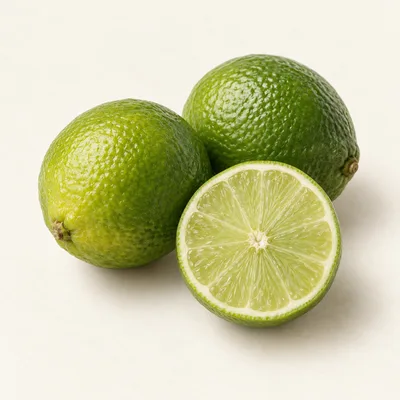 CITRUSLime
Fresh acidity for salads, fish and marinades
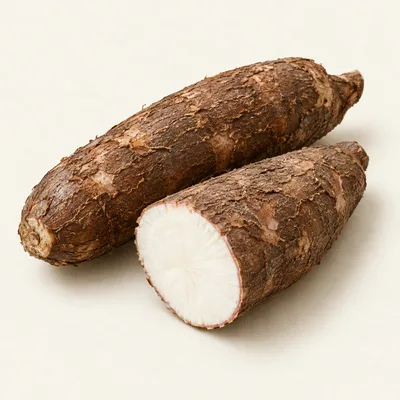 STARCHCassava
Part of the broader root-crop and baking pantry
Aromatic chilli heat in salads and sauces
Bright flavours often sit beside slow-cooked ones. Orange and lime juice, sweet pepper and hot pepper make conch salad vivid; chowders and stews build deeper broths. The same table can move between raw freshness, frying and long simmering. [7]
Island cooking is broader than the visitor-facing classics. Local breakfasts, boiled fish, stews, rice dishes, breads and sweets are part of everyday food. Look beyond a single resort menu to neighbourhood takeaways, fish fries and family-run restaurants. [8]
Fish fries and small local restaurants make the repertoire visible.
A fish fry is both a setting and a cluster of choices. Multiple vendors may offer conch, fish, grills, fried foods, sides and drinks in one social place. It is useful for comparing preparations rather than treating “Bahamian food” as one menu. [8]
Freshness does not prescribe one style. Conch and fish can be served immediately with citrus, cooked into a home-style stew or covered in batter and fried. Ask what the kitchen is known for and follow that preparation rather than choosing by ingredient alone. [7]
Food-culture sources checked .
Conch and fried seafood
Conch is described as a mollusc served raw with lemon or deep-fried as cracked conch; conch fritters are another recorded example. Cracked conch, fritters and grouper fingers may use wheat flour and egg in their coatings or batter. Ask whether lemon, seasoning, dipping sauce and shared frying oil are separate from the main item.
Fish, crab and soup dishes
Bahamian boiled fish and fish stew use fish as the defining or primary protein, while fish cakes use cod and commonly include wheat flour and egg. Baked crab may contain wheat breadcrumbs, egg and sometimes butter in its stuffing. Ask about stock, celery, butter, binding ingredients and garnishes in the complete recipe.
Breads, pasta and baked dishes
Examples include potato bread, johnnycake, coconut bread, macaroni and cheese, bread pudding and several tarts. Wheat is common in the breads, pastry and short pasta examples; egg and dairy occur in several baked or bound dishes. Ask whether a recipe uses wheat flour, egg, milk, butter or cheese, and whether toppings differ.
Sweet and regional variation
Cassava cake may include egg, sweetened condensed milk, butter and cheese; guava duff uses a steamed wheat-flour dough with butter commonly used in its sauce. Rum cake may contain pecans or walnuts. Treat these as recipe examples: ask about the batter, filling, sauce, fruit preparation and any added nuts.
Ingredients worth recognising
Start with these ingredients, then follow their names and recorded food connections. Check the recipe and product actually used.
Bread
Bread may be a side, pudding base or crumb ingredient. Standard bread is commonly made with wheat flour, while some formulations include sesame, soy, egg or milk; rye is also used in recognised formulations. Check the full packaged or recipe ingredient list, including toppings and enriched dough.
Celery
Celery is recorded as the ingredient itself and appears as a recognised seasoning variation in conch fritters and a common aromatic in peas soup with ham. Ask whether it is chopped into the mixture, used in stock or added only as a garnish.
Cod
Cod is fish and supplies the main protein in the Bahamian fish-cakes example. The cake mixture may also contain wheat flour and egg. Ask whether the cod is mixed with a separate binder, whether the coating is present, and whether frying oil is shared.
Crab
Crab is a crustacean and appears in baked crab, where wheat breadcrumbs, egg and sometimes butter may be used in the stuffing. Ask whether the filling includes those ingredients, what is brushed over the top and whether the dish is prepared with shared utensils.
Egg
Egg is recorded as a binder or structural ingredient in fish cakes, baked crab, cracked conch coatings, breads, cakes and some pastries. Ask about batter, wash, custard and stuffing separately; an egg-free-sounding dish name does not establish the recipe.
Butter
Butter is a milk-derived ingredient recorded in breads, pastries, guava-duff sauce, baked crab and several puddings and cakes. Ask whether butter is in the dough, filling, sauce or finishing step, and whether a restaurant uses it on the accompanying side.
How food labelling works
A current, country-specific allergen-labelling summary for Bahamas has not yet been verified for this guide. Do not transfer the list of regulated allergens or restaurant disclosure rules from your home country to this one.
Read the complete ingredients on the actual package and keep any local-language sticker with the original label. For imported products, compare the information on that pack rather than a photograph of the brand sold elsewhere. Ask the manufacturer or seller to clarify an unfamiliar term.
For loose food or meals prepared to order, ask who can check the recipe and the labels on bought-in ingredients. Explain every food you avoid, including ingredients outside familiar allergy groups; a short symbol chart may not cover your list.
Language and communication
English is the main and official language of the Bahamas. Prepare a short written explanation in English naming the ingredient or food concern, then ask for confirmation of the complete recipe. Use dish names such as cracked conch, fish cakes or cassava cake only as recognition aids, not as a complete request.
Some resort staff may speak Spanish, French or German, but this does not replace recipe confirmation. If using a written explanation in one of these languages, still ask about batter, stock, sauce, toppings, shared oil, water and utensils; confirm regional or venue-specific differences directly.
Eating in different settings
Fish Fry or open-air food area
At a Fish Fry, ask the individual stall what is in the full conch, fish or crab preparation. For fried food, ask whether wheat flour, egg or breadcrumbs are used, whether oil is shared, and whether sauce, coleslaw or peas and rice are made separately.
Bakery or cake counter
For potato bread, coconut bread, johnnycake, rum cake or tarts, ask to see the complete ingredient list where available. Confirm wheat, egg, milk, butter, coconut and any pecans or walnuts, and ask whether fillings, washes or icing change between batches.
Restaurant or shared meal
When ordering boiled fish, fish stew, macaroni and cheese or baked crab, ask about stock, celery, butter, cheese, egg and breadcrumbs beyond the named dish. Ask whether the kitchen uses shared utensils, pans, cooking water or oil for other foods.
Accommodation or packaged-food shop
For bread, dried short pasta, crumbs, cakes or condensed milk, read the entire label rather than relying on front-of-pack wording. Check wheat, egg, milk, soy, sesame and any advisory wording, then ask the shop or host about opened-pack storage and preparation.
Before you travel
Review your personal plan
Discuss your travel plans with your clinician and keep your prescribed medicines and emergency instructions accessible. Tell companions where these are and how to follow your plan.
Check your medicines before entering Bahamas
The legal status and regulation of medicines prescribed or bought in the UK can differ in other countries. Before travelling to the Bahamas, read TravelHealthPro guidance and ask an appropriate authority about the medicine’s status and regulation. Do not assume a UK prescription settles the position.
Make the first meals easier to organise
Contact your accommodation and transport providers in advance. Save your written food list, menu questions and destination address offline. Check entry restrictions before packing backup food, and plan how you will check meals during arrival and onward journeys.
Plan access to medical help
The FCDO lists medical providers in the Bahamas. Treatment can be expensive, and emergency facilities are limited on the Family Islands; serious cases may be transferred to Nassau, Freeport or Miami by air ambulance. Check that insurance and accessible funds cover treatment and possible repatriation.
Emergency resources
For a suspected severe allergic reaction, follow your prescribed emergency plan and seek urgent medical help. Give your exact location clearly.
Ambulance and urgent medical help
Call 911 or 919 and ask for an ambulance.
Explore next
Your allergy in Bahamas
Choose a food concern for the country notes and questions relevant to it.
Dishes in Bahamas
Follow the ingredients and cuisine connections in individual dish records.
Your own food list
Combine allergy groups and individual ingredients in one guide, with local names where recorded.
Allergy cards
Prepare the information you need to explain your food requirements.
FAQs, sources and review dates
Could coconut be relevant even if it is not my usual concern?
Coconut is classified as a tree-nut trigger in some food-labelling systems, but that categorisation is not universal. Coconut appears in coconut bread and coconut tart examples. Check the exact ingredient list and ask how coconut is used in the dough or filling.
Are peas and rice automatically separate from seafood or sauces?
The food context describes peas and rice as a classic accompaniment to seafood, but it does not establish one universal recipe. Ask what stock, seasoning, butter or sauce is used, and whether the rice shares a pan, serving spoon or preparation surface with other dishes.
How should I approach raw or fried conch?
Raw conch is described with lemon, while cracked conch is deep-fried and may use wheat flour and egg in a coating or batter. Ask which preparation is used, what accompanies it, and whether lemon, sauce, utensils and frying oil are shared.
Sources checked: . This researched draft is awaiting editorial review. Practical questions apply the sources below to local food settings; they do not confirm any individual meal's ingredients or preparation.
Sources & references (9)
- FCDO · Bahamas health and medical assistance
Emergency contact details, local healthcare and medicine guidance. UK-specific eligibility does not apply to every visitor.
- Wikivoyage contributors · Bahamas
Community-edited culinary context only; not an allergy or medical authority. Brief food-context adaptations, CC BY-SA 4.0: https://creativecommons.org/licenses/by-sa/4.0/. Recipe questions also use PlateSafe’s draft records.
- FARE · Dining out
General recipe and preparation questions, applied here to country-specific food examples.
- FARE · Travelling with food allergies
General preparation, written communication and access to prescribed medicines. Not country-specific import permission.
- PlateSafe · Bahamas recorded food connections
Existing draft dish and ingredient records, used as examples to investigate. These are not independently verified recipes or suitability assessments.
- Unicode CLDR · Territory language data
Language suggestions. Regional language needs must be confirmed with the particular food provider.
- The Bahamas Ministry of Tourism — Five ways to eat conch
- The Bahamas Ministry of Tourism — Bahamian food
- The Bahamas Ministry of Tourism — Bahamian culture and cuisine