

BEFORE YOUR FIRST MEAL
Navigating food allergies in Barbados
Barbados combines seafood dishes, cornmeal-and-okra cou-cou, cutters on wheat bread, fried snacks and enriched baking. A familiar name may cover different preparations: flying fish can be fried with a coating or steamed with lime, spices and vegetables, while sauces and fillings vary. Ask about the complete recipe, stock, toppings, oil and utensils before ordering, especially at busy food stalls and fish-fry settings.
What to know first
Fried and steamed fish differ
Flying fish may be lightly breaded and fried with a hot mustard-based sauce, or steamed with lime, spices and vegetables. Ask which preparation is being served and how it is finished.
Bread and fillings are separate checks
A cutter uses salt bread and may contain flying fish, ham or cheese; a fish cake filling is another possibility. Confirm the bread, filling, condiment and any added cheese.
Explain the whole concern
In English, describe the ingredient or ingredients that must be avoided and ask the cook to confirm the complete recipe, including stock, sauce, garnish, oil and shared utensils.
Ask about shared preparation
For fried fish cakes, peanuts or other snacks, ask whether the same oil is used for different foods and whether the board, pan, water or serving tools are shared.
Read the complete label
Read the complete ingredients and allergen information on the actual product. If you avoid a food that is not highlighted, ask the producer or food provider to check it specifically.
Understanding the food
Flying fish, cou-cou, breadfruit, ground provisions, rice and peas, macaroni pie and pickled pork reflect African, British, Caribbean and other island histories. Rum shops, fish fries, street stalls and fine restaurants each show a different register.
The national pairing is only the beginning.
| Food | Structure | Context |
|---|---|---|
| Cou-cou & flying fish | Cornmeal and okra with seasoned fish | National pairing and home-style plate |
| Pudding & souse | Seasoned sweet potato with pickled pork | Especially associated with Saturday meals |
| Fish cutter | Fried fish inside salt bread | Street food and quick lunch |
| Macaroni pie | Firm baked macaroni casserole | A recurring side at family and restaurant meals |
Bajan food is shaped by adaptation. The official tourism guide connects African and British influence with crops and techniques adapted to the island. Ground provisions, fruit trees, fish and preserved meats became part of recognisable local meals. [7]
Days and occasions can carry their own dishes. Saturday is associated with pudding and souse, while Sunday often brings a larger family spread. Fish festivals and Oistins place locally caught seafood within public celebration and nightlife. [7]
Cornmeal, roots and the sea make a substantial plate.
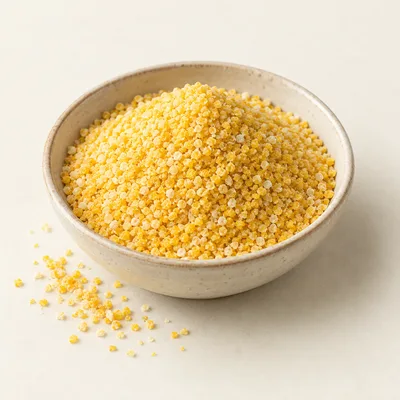 GRAINCornmeal
Cooked with okra into cou-cou
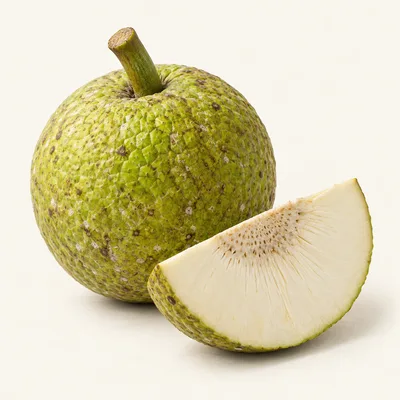 ROOT & FRUITBreadfruit
Roasted, fried or built into bowls and sides
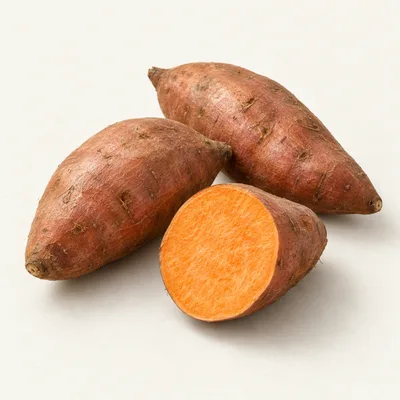 ROOTSweet potato
Seasoned for pudding and served with souse
Steamed, fried or tucked into a cutter
Seafood is central but not uniform. Flying fish, mahi mahi, snapper, tuna and other catches may be fried, grilled, steamed or served in sandwiches. Fishing villages make the relationship between catch, market and plate especially clear. [7][8]
Side dishes often define the Bajan plate. Rice and peas, macaroni pie, cou-cou, plantain and ground provisions give meat or fish its local context. Coconut, spice and rum then carry the story into conkies, sweet bread, black cake and sugar cakes. [8][9]
Follow the island from rum shop to fish fry.
Oistins is a food setting as much as a place name. Fish stalls and shops prepare the local catch in a casual social atmosphere, particularly on Friday evenings. Other fishing villages, street-food corners and pop-up caterers offer similarly direct encounters with Bajan cooking. [7][9]
The restaurant range is deliberately broad. Barbados tourism material places rum shops, beach shacks, cafés and outdoor vendors beside hotel dining and cliff-top restaurants. Local and international cuisines coexist, but each setting creates a different relationship to island produce. [8]
Food-culture sources checked .
Flying fish and cou-cou
Flying fish is served in more than one recorded style. It may be lightly breaded and fried, with a sauce based on very hot Scotch Bonnet peppers, onions and mustard, or steamed with lime juice, spices and vegetables. Flying Fish and Cou-Cou pairs the fish with a polenta-like cornmeal and okra porridge. Ask about coating, sauce and cooking oil separately.
Cutters, bread and fillings
Cutters are sandwiches made with salt bread, crusty outside and fluffy inside. Possible fillings include flying fish, ham and cheese; “bread and two” refers to a cutter with two fish cakes. The bread may contain wheat flour, and fish cutters may contain cooked fish. Confirm the exact bread, filling, spread, cheese and preparation surface.
Stews, soups and fish dishes
Pepperpot is recorded as a pork stew in a spicy dark brown sauce. Other examples include stew fish, fish broth, chicken soup and corn soup. Fish broth may contain wheat-flour dumplings and may use celery with onion and garlic; chicken soup commonly uses celery. Ask whether stock, dumplings, aromatics or thickening ingredients are included.
Baking and fried snacks
Barbadian examples include macaroni pie, black cake, coconut bread, sweet bread, cassava pone, conkies, sugar cake and peanut cake. Their recorded recipes vary: wheat flour, egg, butter, milk, cheese, peanut or dried fruit may occur. Street snacks include fish cakes, BBQ pig tails, fresh coconut and roasted peanuts; ask about batter, toppings and shared oil.
Ingredients worth recognising
Start with these ingredients, then follow their names and recorded food connections. Check the recipe and product actually used.
Wheat flour
Wheat flour forms salt bread, cutter bread, roti wrappers, pastries and several batters or dumplings. It appears in fish cutters, fish pie, accra and fried flying fish examples. Ask whether flour is used in the coating, gravy, dumpling, bread or shared fryer.
Egg
Egg may bind or enrich black cake, cassava pone, coconut bread, macaroni pie, accra and sweet bread, and may glaze pastry or custard. Ask whether it is in the batter, filling, wash or finished dish, rather than judging from the dish name.
Butter
Butter is recorded in black cake, cassava pone, coconut bread, coconut turnovers, conkies, fish pie, macaroni pie and sweet bread. It may be a pastry fat, dairy enrichment or part of a sauce. Confirm the fat used in both cooking and finishing.
Flying Fish
Flying fish is the defining protein in flying fish and cou-cou and fried flying fish, and appears in cutters. It may be steamed or coated and fried. Ask about the species, marinade, flour coating, fryer, sauce and whether fish shares utensils or oil with other foods.
Peanut
Peanut is intrinsic to peanut cake and may also occur in some curry-sauce formulations. Street snacks can include roasted peanuts. Ask whether peanut is present in the dish, sauce, topping or snack mix, and whether preparation uses the same board, oil or serving scoop.
Celery
Celery is a common aromatic in chicken soup and may occur with onion and garlic in fish broth. Celery-derived flavouring is also recorded for some seasoned ketchup. Ask about fresh celery, stock, seasoning and sauces, including ingredients added before serving.
How food labelling works
A current, country-specific allergen-labelling summary for Barbados has not yet been verified for this guide. Do not transfer the list of regulated allergens or restaurant disclosure rules from your home country to this one.
Read the complete ingredients on the actual package and keep any local-language sticker with the original label. For imported products, compare the information on that pack rather than a photograph of the brand sold elsewhere. Ask the manufacturer or seller to clarify an unfamiliar term.
For loose food or meals prepared to order, ask who can check the recipe and the labels on bought-in ingredients. Explain every food you avoid, including ingredients outside familiar allergy groups; a short symbol chart may not cover your list.
Language and communication
English is the official language in Barbados, while local speech may move between English and Bajan, a creole based on English with Irish and West African Igbo vocabulary and expressions. Prepare a written explanation in English naming the exact ingredient concern and the foods to check, then show it before ordering.
Pronunciation may be fast or unfamiliar, so written details can support a careful conversation. Ask staff to confirm the full recipe in plain English, including bread, batter, stock, sauce, toppings, oil and utensils. Bajan is useful for recognising local speech, but names alone are not a complete allergy request.
Eating in different settings
Oistins fish fry
At the Friday-night fish fry, ask the individual stall how flying fish is prepared: steamed or breaded and fried. Check the sauce, lime and spice mixture, fryer oil, cooking surface, tongs and serving plate, and ask whether fish cakes use a separate batter.
Street snack stall
For fish cakes, BBQ pig tails, fresh coconut or roasted peanuts, ask for the full ingredient list and how each item is cooked. Confirm shared oil, pans, scoops and tongs, especially when several snacks are handled at one counter.
Hotel restaurant or buffet
Hotels may offer à la carte meals or buffets. Ask a server or chef about cou-cou, fish, pepperpot, macaroni pie and cutters individually. Check sauces, stock, bread, cheese, milk, egg, toppings and serving utensils rather than relying on a dish label.
Bakery or packaged-food shop
For black cake, coconut bread, cassava pone, sweet bread or sugar cake, request the complete recipe or read the entire package label. Ask about wheat flour, egg, butter, milk, dried fruit, peanut and shared trays or cutting equipment.
Before you travel
Review your personal plan
Discuss your travel plans with your clinician and keep your prescribed medicines and emergency instructions accessible. Tell companions where these are and how to follow your plan.
Check your medicines before entering Barbados
The legal status and regulation of medicines prescribed or bought in the UK may differ in Barbados. Before travel, read best-practice guidance on TravelHealthPro and ask the relevant authority what requirements apply to your medicines.
Make the first meals easier to organise
Contact your accommodation and transport providers in advance. Save your written food list, menu questions and destination address offline. Check entry restrictions before packing backup food, and plan how you will check meals during arrival and onward journeys.
Plan access to medical help
Healthcare in Barbados is described as less extensive than in the UK; Queen Elizabeth Hospital can provide many treatments, while serious cases may require evacuation. Treatment can be expensive. Check private-clinic prepayment policies and whether they accept medical travel insurance as payment. Before travel, check whether the destination can provide the healthcare you may need and whether your insurance covers local treatment or medical evacuation.
Emergency resources
For a suspected severe allergic reaction, follow your prescribed emergency plan and seek urgent medical help. Give your exact location clearly.
Ambulance and urgent medical help
Dial 511 and ask for an ambulance.
Explore next
Your allergy in Barbados
Choose a food concern for the country notes and questions relevant to it.
Dishes in Barbados
Follow the ingredients and cuisine connections in individual dish records.
Your own food list
Combine allergy groups and individual ingredients in one guide, with local names where recorded.
Allergy cards
Prepare the information you need to explain your food requirements.
FAQs, sources and review dates
Can I assume flying fish and cou-cou is simply fish with cornmeal?
No. Flying fish is the defining protein, but the complete preparation still needs checking. The fish may be steamed with lime, spices and vegetables, while other flying-fish examples are coated and fried. Ask about the cou-cou, sauce, stock, oil, utensils and any added topping.
What should I check in macaroni pie?
The recorded example commonly combines wheat-based macaroni with cheese, milk and butter, and may use egg as a structural binder. Confirm the pasta formulation, sauce, egg, cheese and cooking dish. Also ask whether the serving utensil is shared with other buffet foods.
Is vinegar a concern in Barbados dishes?
Generic vinegar is not specific enough to identify its source. Some vinegars are malt-based and some formulations may contain sulphites. If vinegar matters to you, ask which vinegar is used in the sauce, dressing or pickle and inspect the complete packaged ingredient list where available.
Sources checked: . This researched draft is awaiting editorial review. Practical questions apply the sources below to local food settings; they do not confirm any individual meal's ingredients or preparation.
Sources & references (9)
- FCDO · Barbados health and medical assistance
Emergency contact details, local healthcare and medicine guidance. UK-specific eligibility does not apply to every visitor.
- Wikivoyage contributors · Barbados
Community-edited culinary context only; not an allergy or medical authority. Brief food-context adaptations, CC BY-SA 4.0: https://creativecommons.org/licenses/by-sa/4.0/. Recipe questions also use PlateSafe’s draft records.
- FARE · Dining out
General recipe and preparation questions, applied here to country-specific food examples.
- FARE · Travelling with food allergies
General preparation, written communication and access to prescribed medicines. Not country-specific import permission.
- PlateSafe · Barbados recorded food connections
Existing draft dish and ingredient records, used as examples to investigate. These are not independently verified recipes or suitability assessments.
- Unicode CLDR · Territory language data
Language suggestions. Regional language needs must be confirmed with the particular food provider.
- Barbados Tourism Marketing — A guide to dining in Barbados
- Barbados Tourism Marketing — Culinary Barbados
- Barbados Tourism Marketing — Street food and popular bites