
BEFORE YOUR FIRST MEAL
Navigating food allergies in Belarus
Belarusian food commonly brings potatoes, meat, vegetables, grains and dairy together, with recipes varying between households and kitchens. Draniki, potato babka, kletski, soups and filled pancakes may contain binders, toppings or sauces that are not obvious from their names. Ask for the complete recipe, including accompaniments, and confirm preparation separately when ordering or buying packaged food.
What to know first
Potato dishes are not automatically simple
Draniki, potato babka, kletski, kolduny and tukmachi can use wheat flour or egg as binders. Ask which recipe is being prepared today and what holds the potato mixture together.
Toppings and sauces change the dish
Sour cream may accompany draniki, kletski, tsibriki and tukmachi, while machanka can contain flour and sour cream. Check every topping, sauce and finishing ingredient separately.
Explain the whole request
Use Russian or Belarusian to describe the ingredient concern, then ask staff to confirm the complete recipe, stock, sauce, toppings and cooking equipment rather than relying on a dish name.
Ask about preparation too
For pancakes, fritters and fried or baked items, ask about shared oil, water, utensils and surfaces. Confirm whether the requested portion is prepared separately from other mixtures.
Read the complete label
Read the complete ingredients and allergen information on the actual product. If you avoid a food that is not highlighted, ask the producer or food provider to check it specifically.
Understanding the food
Potatoes, rye, pork, mushrooms, dairy and forest berries support a cuisine of griddled, baked, stewed and fermented foods. Familiarities with neighbouring Slavic kitchens remain, but draniki, machanka and potato babka give the table its own centre.
The potato is grated, filled, baked and fried.
| Form | Technique | Examples |
|---|---|---|
| Grated potato | Shallow-fried or baked | Draniki and potato babka |
| Meat & sauce | Stewed or roasted, often with pork | Machanka, sausages and pot dishes |
| Soups | Hot broths or cold cultured bases | Borscht, mushroom soup and khaladnik |
| Bread & grain | Rye loaves, pancakes and porridges | Dark bread, blini and grain accompaniments |
Local ingredients are the through-line. Belarusian tourism material foregrounds potato, meat, milk and vegetables and places the cuisine beside, but not inside, Russian, Ukrainian and Polish traditions. [7]
Draniki are a technique with room for variation. Grated potato pancakes may be served with sour cream, bacon or sauce, while related potato mixtures become patties, pies or a baked babka. Texture changes with the grating and cooking method. [7][8]
Earthy ingredients carry the flavour.
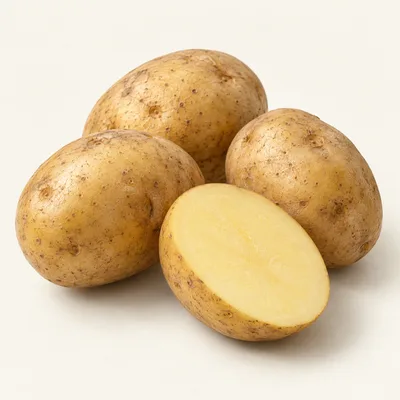 STAPLEPotato
Grated, mashed, baked or added to soups
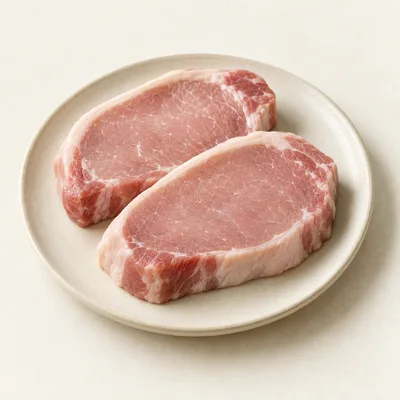 MEATPork
Sausages, stews and rich sauces
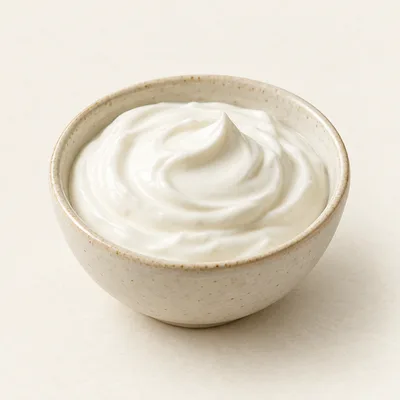 DAIRYSour cream
A cooling finish for pancakes, soups and dumplings
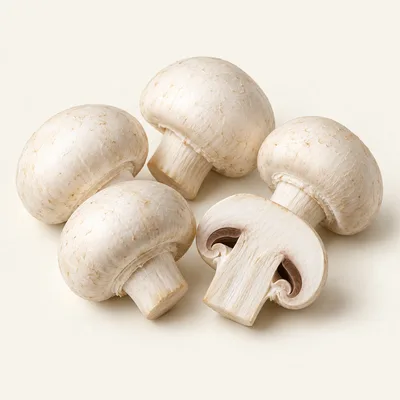 FORESTMushroom
Fresh, dried or cooked into sauces and soups
Forest and field meet in the same pantry. Mushrooms, cabbage, beetroot and berries sit beside rye, potato and pork. Drying, pickling and fermenting extend seasonal foods, while dairy softens and enriches substantial dishes. [8]
Machanka is designed for dipping. A rich meat sauce is commonly eaten with pancakes or potato preparations, making the relationship between sauce and starch more important than either component alone. [7][8]
Home-style restaurants and farmsteads carry the clearest vocabulary.
Look for dishes cooked in pots, pans and ovens rather than plated as isolated items. Draniki, babka, machanka, soups and sausages reflect household methods that translate naturally to rural inns and restaurants specialising in Belarusian food. [7][8]
Season changes the emphasis. Cold soups and fresh berries belong to warmer months; preserved vegetables, mushrooms, pork and dense potato dishes carry winter meals. Modern city menus may place these beside wider post-Soviet and European food. [8]
Food-culture sources checked .
Potatoes with possible binders
Potatoes are prominent in recorded Belarusian dishes, but the base does not establish a single recipe. Draniki may use wheat flour and egg; potato babka may use either; kolduny, tsibriki and tukmachi may also use flour or egg. Ask whether the potato was grated or mixed with other ingredients, and whether a topping, filling or coating was added.
Grains, doughs and pancakes
Grechaniki are based on buckwheat but some recipes add wheat flour and egg. Kletski use wheat flour in the dumpling dough and may include egg, while nalistniki use wheat flour and egg in a thin batter. Perepecha traditionally uses rye flour, and krupnik is defined by pearl barley. Confirm the grain, binder and filling rather than relying on the name.
Soups, broths and dairy additions
Belarusian borscht may be finished with sour cream, and polivka may have sour cream as a garnish. Khaladnik can include hard-boiled egg and buttermilk, while machanka may contain wheat flour and sour cream. Beef broth can have celery in some formulations. Ask about the base, garnish and separately added dairy, egg or stock.
Meat, vegetables and fish in the meal
Belarusian food traditions may include pork, salted pork fat, beef, poultry, river fish, potatoes and vegetables such as carrots, cabbage, black radishes and peas. Mushrooms, berries and pickled or salted produce may also be used. Ask whether a dish includes meat, fish, fat, preserved ingredients or a sauce, and how each part was cooked.
Ingredients worth recognising
Start with these ingredients, then follow their names and recorded food connections. Check the recipe and product actually used.
Wheat flour
Wheat flour may bind draniki, grechaniki, kolduny, potato babka, tsibriki and tukmachi; it forms nalistniki batter and thickens machanka. Ask whether it is in the mixture, sauce, coating or shared preparation, and whether another flour was used instead.
Rye flour
Rye flour is the traditional dough base recorded for perepecha. Ask whether the item uses rye alone or also contains wheat flour, egg, filling or a finishing ingredient, and request the complete recipe rather than judging from the word “rye”.
Egg
Egg may bind or finish several dishes, including draniki, grechaniki, kletski, kolduny, nalistniki, potato babka, syrniki and tsibriki. Khaladnik may have hard-boiled egg as a topping. Ask whether egg is mixed in, brushed on, added on top or used in a shared batter.
Sour Cream
Sour cream is a recorded accompaniment or component for borscht, draniki, kletski, machanka, polivka, tsibriki and tukmachi. Ask whether it is served automatically, mixed into the dish or available separately, and whether another sauce or garnish is also present.
Beef broth
Beef broth may be used in soups or sauces, and some formulations include celery as part of a vegetable base. Ask what stock is used, whether it is concentrated or homemade, and whether the finished dish contains additional vegetables, seasoning or sauce.
Fruit Preserves
Fruit preserves may appear in sweet fillings or served with flour-based dishes, while formulations vary and some commercial products use sulphites as preservatives. Ask which fruit preserve was used, whether it is commercial, and what the complete jar or packet label says.
How food labelling works
A current, country-specific allergen-labelling summary for Belarus has not yet been verified for this guide. Do not transfer the list of regulated allergens or restaurant disclosure rules from your home country to this one.
Read the complete ingredients on the actual package and keep any local-language sticker with the original label. For imported products, compare the information on that pack rather than a photograph of the brand sold elsewhere. Ask the manufacturer or seller to clarify an unfamiliar term.
For loose food or meals prepared to order, ask who can check the recipe and the labels on bought-in ingredients. Explain every food you avoid, including ingredients outside familiar allergy groups; a short symbol chart may not cover your list.
Language and communication
Russian and Belarusian are Belarus’s two official languages, with Russian more widely spoken. Prepare a written explanation in Russian first and Belarusian as well, naming the ingredient concern and asking for the complete recipe, stock, sauce, toppings and preparation method. Use dish names only as recognition aids, not as a complete request.
Regional language use can vary: Belarusian is used in rural areas alongside a Russian-Belarusian mixture, while Polish is spoken in western parts, especially around Grodno. A written Russian or Belarusian explanation can support confirmation, but ask a local speaker to check the wording where possible and request staff confirmation.
Eating in different settings
Potato café or casual counter
When ordering draniki, potato babka, kolduny or tukmachi, ask whether wheat flour or egg is used as a binder. Ask what comes on top, whether sour cream is automatic, and whether the pancakes share oil, utensils or a cooking surface with other mixtures.
Bakery or pancake counter
For nalistniki, perepecha, syrniki or smazhenka, ask about the flour, egg, cheese and filling in the exact item. Confirm whether a sweet preserve, cheese topping or finish was added, and whether staff can identify the complete recipe for that batch.
Restaurant meal with soup and sauce
For borscht, polivka, khaladnik or machanka, ask about stock, flour thickeners, buttermilk, hard-boiled egg and sour cream. Request sauces and garnishes separately if that helps you inspect them, and ask whether the broth was made with beef or another base.
Shop selling packaged foods
Read the complete ingredient list on preserves, broth, dairy, flour and prepared foods. Check the actual pack for wheat, rye, barley, egg, milk-derived ingredients and stated preservatives, and ask whether a product’s label differs between sizes or batches.
Before you travel
Review your personal plan
Discuss your travel plans with your clinician and keep your prescribed medicines and emergency instructions accessible. Tell companions where these are and how to follow your plan.
Check your medicines before entering Belarus
Local medical supplies cannot be guaranteed, so check that you can bring all essential prescribed medicines. The legal status of medicines prescribed or bought in the UK may differ in Belarus. For a specific medicine, check TravelHealthPro guidance and contact the Embassy of Belarus in the UK before travel.
Make the first meals easier to organise
Contact your accommodation and transport providers in advance. Save your written food list, menu questions and destination address offline. Check entry restrictions before packing backup food, and plan how you will check meals during arrival and onward journeys.
Plan access to medical help
The official source says healthcare standards are below those of the UK and refers travellers to an FCDO list of medical facilities where some staff speak English. Before travelling, check the current facility information and ask your insurer what treatment and unexpected medical evacuation your policy covers, including any payment arrangements.
Emergency resources
For a suspected severe allergic reaction, follow your prescribed emergency plan and seek urgent medical help. Give your exact location clearly.
Ambulance and urgent medical help
Request an ambulance on 103. Arrange help with Russian or Belarusian communication if needed, as the operator may not speak English. Have your location ready.
Explore next
Your allergy in Belarus
Choose a food concern for the country notes and questions relevant to it.
Dishes in Belarus
Follow the ingredients and cuisine connections in individual dish records.
Your own food list
Combine allergy groups and individual ingredients in one guide, with local names where recorded.
Allergy cards
Prepare the information you need to explain your food requirements.
FAQs, sources and review dates
Could a dish called draniki contain wheat or egg?
Yes, the recorded recipe connections say wheat flour is used in some draniki recipes and egg is commonly used as a binder. Ask which version is being made, whether the mixture contains either ingredient, and whether toppings, oil, utensils or surfaces are shared.
What should I ask about a bowl of khaladnik?
Ask whether it contains buttermilk, whether hard-boiled egg is included on top, and what liquid and other ingredients make up the recipe. Confirm garnishes separately, because the dish name does not establish the full ingredients or how this serving was prepared.
Is a fruit preserve concern the same as a milk or grain concern?
No. Fruit preserves are a separate ingredient to check. Some commercial preserves use sulphites, but formulations vary. Read the complete label and ask which preserve was used, whether it is mixed into the dish or served separately, and whether the product has additional ingredients.
Sources checked: . This researched draft is awaiting editorial review. Practical questions apply the sources below to local food settings; they do not confirm any individual meal's ingredients or preparation.
Sources & references (9)
- FCDO · Belarus health and medical assistance
Emergency contact details, local healthcare and medicine guidance. UK-specific eligibility does not apply to every visitor.
- Wikivoyage contributors · Belarus
Community-edited culinary context only; not an allergy or medical authority. Brief food-context adaptations, CC BY-SA 4.0: https://creativecommons.org/licenses/by-sa/4.0/. Recipe questions also use PlateSafe’s draft records.
- FARE · Dining out
General recipe and preparation questions, applied here to country-specific food examples.
- FARE · Travelling with food allergies
General preparation, written communication and access to prescribed medicines. Not country-specific import permission.
- PlateSafe · Belarus recorded food connections
Existing draft dish and ingredient records, used as examples to investigate. These are not independently verified recipes or suitability assessments.
- Unicode CLDR · Territory language data
Language suggestions. Regional language needs must be confirmed with the particular food provider.
- Visit Belarus — Features and dishes of Belarusian cuisine
- Belarus national portal — Cuisine
- FAO — Belarus agricultural profile