
BEFORE YOUR FIRST MEAL
Navigating food allergies in Benin
Beninese meals and snacks can combine fried, grilled and sauced foods, with important variation between a named dish and the version served. Wheat flour may be used in Ablo, Talé-Talé and Yovo Doko; fish appears in several sauces and accompaniments; peanuts define kuli-kuli and peanut sauce. Ask for the complete preparation, not just the dish name, and explain your needs before ordering.
What to know first
Fried and grilled foods
Aloko is recorded as fried plantain served with fish in Cotonou, while street examples include grilled chicken, goat and turkey. Ask what else shares the oil, grill or serving tools.
Sauces change the meal
Crincrin, jute leaf, okra and tomato sauces may have fish or smoked fish in some Beninese versions. Ask whether stock, fish or another savoury ingredient is included.
Explain the whole recipe
In French, and where useful Fon, describe the ingredient you must avoid and ask about batter, sauce, garnish, stock, oil, water, utensils and preparation surfaces.
Check each component
For a meal such as gari with peanut, grilled fish or a sauce, ask separately about the base, accompanying protein, toppings and cooking liquid rather than relying on the menu heading.
Read the full label
Read the complete ingredients and allergen information on the actual product. If you avoid a food that is not highlighted, ask the producer or food provider to check it specifically.
Understanding the food
Maize dominates many southern meals, yam becomes more prominent in the north, and cassava, rice, beans, fish, meat, peanuts, tomatoes and palm oil connect the country. Fermentation, pounding and grilling create sharply different textures from similar crops.
The staple changes between south and north.
| Area | Recurring base | Examples to explore |
|---|---|---|
| Southern Benin | Maize and lagoon/coastal food | Akassa, amiwo, ablo, grilled fish and tomato or peanut sauces |
| Central regions | Maize, cassava, beans and mixed farming | Pâte, gari, atassi and regional sauces |
| Northern Benin | Yam, millet and pastoral products | Pounded yam, meat sauces and wagasi cheese |
| Cotonou & Porto-Novo | Urban markets and layered histories | Street grills, Afro-Brazilian influence and foods from across the country |
The south is strongly maize-centred. The tourism food guide describes corn doughs served with peanut- or tomato-based sauces, including fermented akassa and red, seasoned amiwo. [7]
Yam is a clearer marker of the north. Pounded yam takes the central place there, while Fulani pastoral traditions add wagasi cheese and livestock products. National markets bring these regional foods into the same urban space. [7][9]
Texture is as important as seasoning.
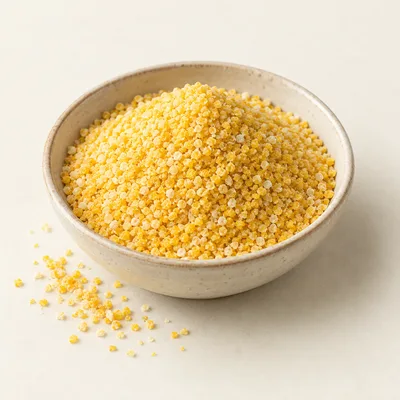 GRAINCornmeal
Cooked, fermented or seasoned into several doughs
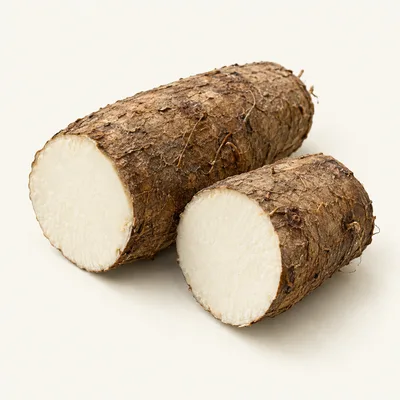 TUBERYam
Boiled or pounded into an elastic staple
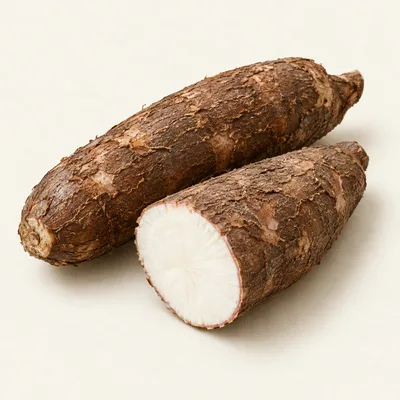 ROOTCassava
Processed into gari and other accompaniments
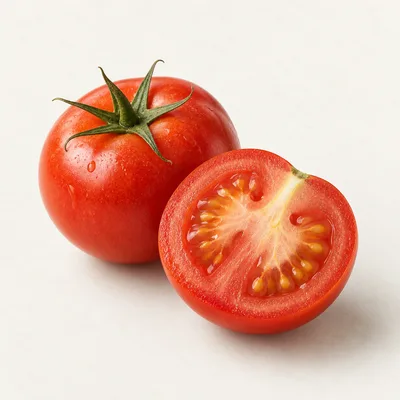 SAUCE BASETomato
Cooked with onion, pepper and oil for red sauces
Akassa and amiwo begin with maize but do not taste alike. Akassa develops a mild sourness through fermentation; amiwo is cooked with oil, tomato, onion and pepper. Each is defined by process before the accompanying fish, meat or sauce is added. [7]
Sauces provide protein and identity. Peanut, tomato, leafy-green and palm-oil sauces may carry fish, smoked fish, chicken or meat. A mild staple is intended to be eaten with that more concentrated pot. [7]
Markets and maquis show how the meal is assembled.
Cotonou brings regional foods together. The official tourism portal presents the city as a centre of gastronomy and urban life. Market stalls, roadside grills and maquis make staple-and-sauce combinations visible before more formal restaurant presentation. [8][9]
The coast and lagoons add fresh and smoked fish. Grand-Popo, Cotonou, Ouidah and lake communities connect Atlantic and lagoon catches with maize doughs, rice and sauces. Northern kitchens shift the emphasis toward yam, meat and pastoral foods. [8][7]
Food-culture sources checked .
Street food and fried plantain
In Cotonou, aloko—fried plantains—may be served with fish, and vendors may also sell beans and rice alongside grilled chicken, goat and turkey. For aloko or fritters, ask whether the oil is shared with wheat-based items such as Talé-Talé or Yovo Doko, what seasoning is added, and whether fish is cooked or served with the plantains.
Grilled proteins and accompaniments
Grilled mackerel and grilled tilapia are recorded as fish-centred dishes, while the wider food description also mentions grilled chicken, goat and turkey. Ask whether the protein is marinated, brushed with sauce, or placed on a shared grill. Confirm whether a side sauce, stock, garnish or serving utensil has touched another protein or a different prepared dish.
Leafy and vegetable sauces
Crincrin sauce and jute leaf sauce are recorded with fish or smoked fish in some Beninese preparations; some okra sauce versions also include fish, and tomato sauce may use fish as a savoury addition. Ask whether fish is present in the pot, blended into the sauce, used in stock, or added only at serving, and whether the recipe changes by cook or location.
Doughs, snacks and meal bases
Wheat flour is recorded in Ablo, Talé-Talé and Yovo Doko, while cow milk is commonly served with or incorporated into Akpan. Peanut is the defining base of kuli-kuli and peanut sauce, and some gari servings include peanuts. Ask whether a snack is fried in shared oil, whether Akpan is made or served with milk, and what accompanies gari.
Ingredients worth recognising
Start with these ingredients, then follow their names and recorded food connections. Check the recipe and product actually used.
Peanut
Peanut is the base of kuli-kuli and peanut sauce, and may accompany gari. Ask whether peanuts are mixed through, used in a sauce or added at serving, and whether the preparation and serving tools are shared.
Wheat flour
Some versions of Ablo, Talé-Talé and Yovo Doko use wheat flour. Ask which grain or flour mixture is used in the batch and whether the batter, cooking surface or frying oil is shared with other preparations.
Fish
Fish may be served whole or enter a leaf, okra or tomato sauce as fresh or smoked fish. Ask about the stock and seasonings as well as visible pieces, and identify the fish used in the recipe.
Cow Milk
Akpan may be served with milk. Ask whether milk is already incorporated, added at the table or present in a bought-in ingredient. Check the whole recipe and the utensils used to prepare and serve it.
Vegetable Oil
Vegetable oil is a general description, not the name of a single ingredient. Ask to see the oil label and confirm its source, then ask what other foods are cooked in the same oil or pan.
Snail
If snail is offered in a dish, ask whether it is the main ingredient or part of a mixed sauce or stock. Confirm the full preparation and whether other foods share its cooking or serving utensils.
How food labelling works
A current, country-specific allergen-labelling summary for Benin has not yet been verified for this guide. Do not transfer the list of regulated allergens or restaurant disclosure rules from your home country to this one.
Read the complete ingredients on the actual package and keep any local-language sticker with the original label. For imported products, compare the information on that pack rather than a photograph of the brand sold elsewhere. Ask the manufacturer or seller to clarify an unfamiliar term.
For loose food or meals prepared to order, ask who can check the recipe and the labels on bought-in ingredients. Explain every food you avoid, including ingredients outside familiar allergy groups; a short symbol chart may not cover your list.
Language and communication
Prepare a written explanation in French, Benin’s official language, before travelling. State the ingredient or preparation concern, ask for the complete recipe, and request confirmation about sauces, stock, toppings, shared oil, water and utensils. Use the same explanation when discussing Ablo, Akpan, gari, grilled fish or sauces.
Fon is spoken in southern Benin, where Cotonou is located, so a Fon version may help when discussing food locally. Regional language use varies, and the language of a conversation does not confirm recipe details. Names such as kuli-kuli or aloko help recognition, but are not a complete allergy request.
Eating in different settings
Cotonou street vendor
For aloko with fish, ask whether the plantains and fish are fried or cooked in shared oil, whether the fish is seasoned with a prepared sauce, and whether the serving spoon has touched other food. Ask for the complete ingredients in any accompanying sauce, not only the name aloko.
Fritter or snack stall
When considering kuli-kuli, Talé-Talé or Yovo Doko, ask what the batter contains, which flour or binding ingredient is used, and what else is fried in the oil. Ask whether the batch, tongs, tray and oil are shared with other snacks.
Restaurant or shared meal
For gari, Dakouin, grilled mackerel, grilled tilapia or a sauce, ask separately about the base, protein, seasoning and garnish. Confirm whether fish or smoked fish is in the sauce or stock, and whether a clean pan, utensil and serving dish will be used.
Accommodation or packaged-food shop
For Akpan or packaged ingredients, ask what milk or milk-derived ingredient is present and request the complete product label. For vegetable oil, ask which oil is actually used because its source is unspecified; do not treat the generic name as a precise oil identity.
Before you travel
Review your personal plan
Discuss your travel plans with your clinician and keep your prescribed medicines and emergency instructions accessible. Tell companions where these are and how to follow your plan.
Check your medicines before entering Benin
The legal status and regulation of medicines prescribed or bought in the UK can differ in Benin. Before travel, read the medicine guidance from TravelHealthPro and check the current requirements with the relevant Beninese authority or your prescriber. Do not stop or change prescribed medicines without professional advice.
Make the first meals easier to organise
Contact your accommodation and transport providers in advance. Save your written food list, menu questions and destination address offline. Check entry restrictions before packing backup food, and plan how you will check meals during arrival and onward journeys.
Plan access to medical help
Medical facilities in Benin are described as poor, particularly in rural areas, and emergency facilities as extremely limited. Outside Cotonou, there may not be an emergency response, and serious treatment may require medical evacuation. Check that travel insurance covers treatment and repatriation and that accessible funds are available; ask your insurer what treatment and evacuation costs are covered and review the FCDO provider list.
Emergency resources
For a suspected severe allergic reaction, follow your prescribed emergency plan and seek urgent medical help. Give your exact location clearly.
Ambulance and urgent medical help
Request an ambulance on 118. Response outside Cotonou may be unavailable; establish a local hospital contact and transport options for the areas you will visit.
Explore next
Your allergy in Benin
Choose a food concern for the country notes and questions relevant to it.
Dishes in Benin
Follow the ingredients and cuisine connections in individual dish records.
Your own food list
Combine allergy groups and individual ingredients in one guide, with local names where recorded.
Allergy cards
Prepare the information you need to explain your food requirements.
FAQs, sources and review dates
Could a sauce contain fish even when fish is not the main dish?
Yes, fish or smoked fish can be used in some crincrin, jute leaf and okra sauces, and fish may be added to tomato sauce. Ask whether it is blended in, used in stock, cooked in the pot or added at the table.
What should I ask about gari if I need to avoid peanuts?
Peanuts are a common accompaniment or addition to some gari servings, so ask whether peanuts are mixed through, served on top or handled with the same spoon. Also ask about the rest of the meal, including sauce, protein, garnish and shared utensils.
How should I check snail if it is not one of my usual allergy concerns?
Snail is recorded as a mollusc, but a dish name will not establish whether it is present. Ask directly whether snail is an ingredient, whether it is in a stock or sauce, and whether preparation has shared a pan, oil, water or utensil with other food.
Sources checked: . This researched draft is awaiting editorial review. Practical questions apply the sources below to local food settings; they do not confirm any individual meal's ingredients or preparation.
Sources & references (9)
- FCDO · Benin health and medical assistance
Emergency contact details, local healthcare and medicine guidance. UK-specific eligibility does not apply to every visitor.
- Wikivoyage contributors · Benin
Community-edited culinary context only; not an allergy or medical authority. Brief food-context adaptations, CC BY-SA 4.0: https://creativecommons.org/licenses/by-sa/4.0/. Recipe questions also use PlateSafe’s draft records.
- FARE · Dining out
General recipe and preparation questions, applied here to country-specific food examples.
- FARE · Travelling with food allergies
General preparation, written communication and access to prescribed medicines. Not country-specific import permission.
- PlateSafe · Benin recorded food connections
Existing draft dish and ingredient records, used as examples to investigate. These are not independently verified recipes or suitability assessments.
- Unicode CLDR · Territory language data
Language suggestions. Regional language needs must be confirmed with the particular food provider.
- Discover Benin tourism portal — Food in Benin
- Bénin Tourisme — Official destination portal
- Republic of Benin — Regions and tourism