
BEFORE YOUR FIRST MEAL
Navigating food allergies in Bolivia
Bolivian food often brings together potatoes, rice, meat, fried components and spicy sauces, while snacks may be baked or fried pastry. A single named dish can vary through its coating, filling, topping or accompaniment: salteña pastry may involve wheat and egg, anticucho may come with peanut sauce, and cuñape centres on cheese. Ask about the complete preparation, not just the dish name.
What to know first
Fried and grilled dishes
Anticucho is grilled beef heart with potatoes and a spicy peanut sauce; pique macho combines meat, potatoes, tomatoes and onion, with the recipe and toppings needing confirmation.
Pastries and platters
Salteña and tucumana are filled pastries with different cooking methods, while silpancho and charquekan may include egg, coatings or cheese alongside their main components.
Communication
Use Spanish first for a written explanation of your requirements. If a vendor uses Quechua or Aymara, ask someone to confirm the whole recipe and preparation.
Preparation
Ask whether sauces, stock, toppings and coatings are added separately, and whether shared oil, water, boards or utensils are involved in preparing the requested food.
Labels
Read the complete ingredients and allergen information on the actual product. If you avoid a food that is not highlighted, ask the producer or food provider to check it specifically.
Understanding the food
Highland quinoa and potatoes, valley maize and peanuts, eastern cassava and tropical produce, and river fish from the Chaco and Amazonian systems create several distinct food worlds. City markets and regional lunch rooms make those contrasts easier to read than a single list of national dishes.
Read the menu as a map from the Altiplano to the lowlands.
| Region | Landscape & staples | Examples to explore |
|---|---|---|
| Altiplano | Cold high plateau; potatoes, quinoa and chuño | Soups, llama dishes, quinoa preparations and dried tubers |
| Andean valleys | Maize, wheat, chilli, peanuts and mixed agriculture | Salteñas, peanut soup, chicharrón and Cochabamba market foods |
| Chuquisaca & Tarija | Chilli, peanuts, maize, vineyards and pastoral foods | Spiced stews, empanadas, sausages and regional wines |
| Eastern lowlands & Chaco | Cassava, rice, plantain and river systems | Majadito, sonso, grilled meats and Weenhayek fish traditions |
Food heritage is territorial and community-held. UNESCO’s Bolivian Food Atlas work maps living practices rather than reducing cuisine to recipes. Current research includes Chuquisaca chilli and peanut knowledge and Weenhayek fishing along the Pilcomayo River. [7][8]
Cochabamba is a food destination in its own right. UNESCO identifies the fertile Andean valley as Bolivia’s gastronomic capital, with pre-Columbian grain-production history and a continuing calendar of markets, fairs and food festivals. [9]
Ancient crops remain everyday foods, not museum ingredients.
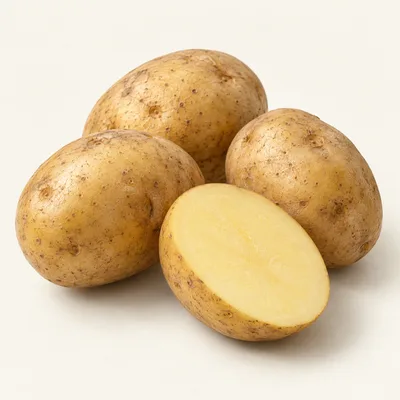 TUBERPotato
Fresh, freeze-dried and transformed across highland cooking
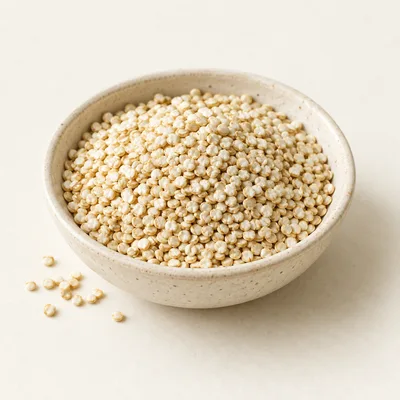 ANDEAN GRAINQuinoa
A high-altitude crop tied to Altiplano life
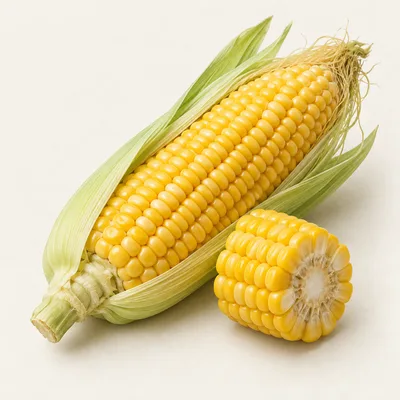 VALLEY CROPMaize
For drinks, breads, porridges and festive preparations
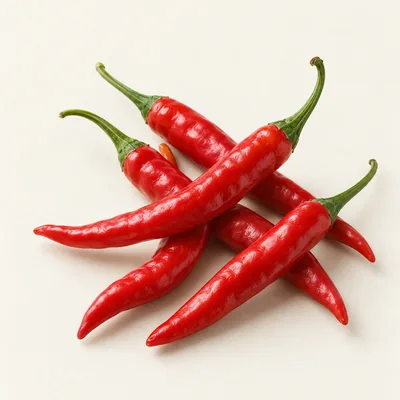 SEASONINGAjí
Regional chillies that structure sauces and stews
High-altitude agriculture shaped a resilient pantry. Tiwanaku evidence records frost-resistant potatoes, oca and quinoa at altitude. Modern Bolivian kitchens continue to distinguish fresh potatoes from chuño and other processed tubers by texture and intended dish. [10]
Chilli and peanut are cultural knowledge systems. In Chuquisaca, UNESCO’s work follows cultivation, household memory and the cooks who transmit sauces and dishes. Their importance is larger than flavour alone. [8]
Markets, fixed lunches and specialist stalls reveal more than an all-purpose menu.
Start with the city and time of day. A morning market breakfast, a set almuerzo, an afternoon salteña and an evening grill answer different needs. Cochabamba’s dense culture of food fairs and vendors is especially useful for seeing regional specialities side by side. [9]
Do not make the highlands stand for the whole country. Quinoa and potatoes are central to the Altiplano, but eastern rice, cassava, plantain and fish traditions and southern chilli-and-peanut cooking are equally Bolivian. Ask where a dish is associated before calling it national. [7][8]
Food-culture sources checked .
Almuerzo and assembled plates
A midday almuerzo may be structured as entrada, soup, segundo and dessert. For a complete check, ask what is in each course, whether the soup uses beef broth or noodles, and whether the segundo has a separate sauce or garnish. Silpancho is recorded with rice, potatoes, beef, coating and fried egg; confirm every layer rather than relying on the plate name.
Pastry, bread and fried snacks
Bolivian snack examples include baked salteña, fried tucumana, meat-filled empanada, cheese-filled cuñape and sandwiches such as choripan or trancapecho. Ask what flour forms the shell or bread, whether egg is in the dough or wash, and whether frying uses shared oil. For cuñape, confirm the cheese, milk and any egg in the dough.
Sauces, toppings and recipe variation
Pique a lo macho is described with grilled meat, potatoes, tomatoes, onion and a slightly spicy sauce; anticucho is served with spicy peanut sauce, while sajta de pollo has a characteristic peanut sauce. Ask whether the sauce is made in-house, added during cooking or served separately, and whether stock, vinegar, toppings or shared utensils enter the preparation.
Ingredients worth recognising
Start with these ingredients, then follow their names and recorded food connections. Check the recipe and product actually used.
Peanut
Peanut is the defining base of sopa de mani and appears in sauces for anticucho and sajta de pollo. Ask whether it is ground into the sauce, sprinkled separately, or handled with shared equipment.
Wheat flour
Wheat flour is recorded in salteña pastry, tucumana shells and the coating for falso conejo. Ask whether the flour is in the dough, coating or thickened sauce, and whether preparation shares boards, oil or utensils with other foods.
Fresh Cheese
Fresh cheese features in huminta, queso humacha, plato paceño and other recorded dishes. Confirm the animal source, whether it is cooked into the dish or added as a topping, and whether the complete recipe also includes butter, milk or egg.
Egg
Egg is recorded as a topping or component in silpancho, pique macho, charquekan and majadito, and may bind pastry or cunape dough. Ask whether it is mixed into the recipe, brushed on, fried separately, or placed on the finished plate.
Beef broth
Broth may matter when checking soups or sauces, even where the main dish is meat, vegetables or noodles. Ask what the stock contains, whether it is bought ready-made, and whether it is used in sopa, gravy or the cooking liquid.
How food labelling works
A current, country-specific allergen-labelling summary for Bolivia has not yet been verified for this guide. Do not transfer the list of regulated allergens or restaurant disclosure rules from your home country to this one.
Read the complete ingredients on the actual package and keep any local-language sticker with the original label. For imported products, compare the information on that pack rather than a photograph of the brand sold elsewhere. Ask the manufacturer or seller to clarify an unfamiliar term.
For loose food or meals prepared to order, ask who can check the recipe and the labels on bought-in ingredients. Explain every food you avoid, including ingredients outside familiar allergy groups; a short symbol chart may not cover your list.
Language and communication
Prepare a written explanation in Spanish, Bolivia’s main national language in this source, naming the foods and preparations you need checked. Ask the server to read it before ordering and to confirm the complete recipe, including sauces, stock, toppings and cooking method.
Quechua and Aymara are also identified among Bolivia’s main languages. If a market or restaurant conversation takes place in one of them, ask for confirmation in a language both sides understand. Regional wording and staff answers may vary, so use dish names only as recognition aids, not as a full request.
Eating in different settings
Street grill or snack stall
For anticucho, choripan or salchipapa, ask what the sauce contains and whether it is brushed on or served separately. Confirm the cooking surface, oil and tongs are not shared with another preparation you need to avoid, and ask whether potatoes and meat are cooked separately.
Bakery or pastry counter
When choosing salteña, tucumana, empanada or cuñape, ask about the flour, filling, cheese, milk and egg. Ask whether the item is baked or fried, what else uses the fryer, and whether the seller can identify the ingredients in the dough rather than only the filling.
Restaurant almuerzo
Ask for the contents of the entrada, soup, segundo and dessert separately. For silpancho, pique macho or sajta de pollo, check the coating, broth, sauce, egg and garnish, then ask whether sauce and toppings can be left separate without assuming the remaining plate suits your needs.
Market or packaged-food shop
Read the complete ingredient list on breads, noodles, breadcrumbs, sauces, vinegar and broth. Ask the seller to identify the exact packaged product and whether its recipe has changed. For loose foods such as dried pasta or raisins, ask to see original packaging rather than relying on a display label.
Before you travel
Review your personal plan
Discuss your travel plans with your clinician and keep your prescribed medicines and emergency instructions accessible. Tell companions where these are and how to follow your plan.
Check your medicines before entering Bolivia
Some medicines may be in short supply in Bolivia. Bring enough prescribed medicine for the stay and carry the prescription. UK medicines may have different legal status or regulation there; ask an appropriate Bolivian authority whether the medicine can be brought into the country and what requirements apply before travel.
Make the first meals easier to organise
Contact your accommodation and transport providers in advance. Save your written food list, menu questions and destination address offline. Check entry restrictions before packing backup food, and plan how you will check meals during arrival and onward journeys.
Plan access to medical help
Public healthcare may be overstretched and supplies or pharmaceuticals may be unavailable. Private clinics in main cities may work with international insurance, but treatment may require upfront payment, so check cover and funds. Review the official provider information and confirm regional access with your insurer.
Emergency resources
For a suspected severe allergic reaction, follow your prescribed emergency plan and seek urgent medical help. Give your exact location clearly.
Ambulance and urgent medical help
Request ambulance assistance on 118. Response times and service standards vary, with limited emergency care in remote areas. Check local providers and available private options before travelling onward.
Explore next
Your allergy in Bolivia
Choose a food concern for the country notes and questions relevant to it.
Dishes in Bolivia
Follow the ingredients and cuisine connections in individual dish records.
Your own food list
Combine allergy groups and individual ingredients in one guide, with local names where recorded.
Allergy cards
Prepare the information you need to explain your food requirements.
FAQs, sources and review dates
Could silpancho be more than beef, rice, potatoes and egg?
Yes. The recorded preparation includes a breadcrumb coating and fried egg, so ask about the coating’s ingredients, how the egg is cooked, and whether sauce or salad is added. Confirm whether the coating is applied before frying and whether the oil or utensils are shared.
What should I ask about cuñape if I am checking dairy or egg?
Ask whether the dough contains cheese, milk and egg, whether additional butter is used, and whether the cheese is mixed through or filled inside. Confirm the complete recipe with the baker, because the name identifies a style of cheese roll rather than every ingredient used.
Does a fish soup automatically have the same ingredients as fried fish?
No. Wallake is recorded as a soup made with carachi, while ispi frito is a separate fried fish example that may use wheat flour coating. Ask which fish is used, what stock or thickener is added, and whether noodles or flour enter the recipe.
Sources checked: . This researched draft is awaiting editorial review. Practical questions apply the sources below to local food settings; they do not confirm any individual meal's ingredients or preparation.
Sources & references (10)
- FCDO · Bolivia health and medical assistance
Emergency contact details, local healthcare and medicine guidance. UK-specific eligibility does not apply to every visitor.
- Wikivoyage contributors · Bolivia
Community-edited culinary context only; not an allergy or medical authority. Brief food-context adaptations, CC BY-SA 4.0: https://creativecommons.org/licenses/by-sa/4.0/. Recipe questions also use PlateSafe’s draft records.
- FARE · Dining out
General recipe and preparation questions, applied here to country-specific food examples.
- FARE · Travelling with food allergies
General preparation, written communication and access to prescribed medicines. Not country-specific import permission.
- PlateSafe · Bolivia recorded food connections
Existing draft dish and ingredient records, used as examples to investigate. These are not independently verified recipes or suitability assessments.
- Unicode CLDR · Territory language data
Language suggestions. Regional language needs must be confirmed with the particular food provider.
- UNESCO — Food heritage research in Bolivia
- UNESCO — Weenhayek fishing and Chuquisaca chilli traditions
- UNESCO Creative Cities — Cochabamba
- UNESCO World Heritage Centre — Tiwanaku agriculture