
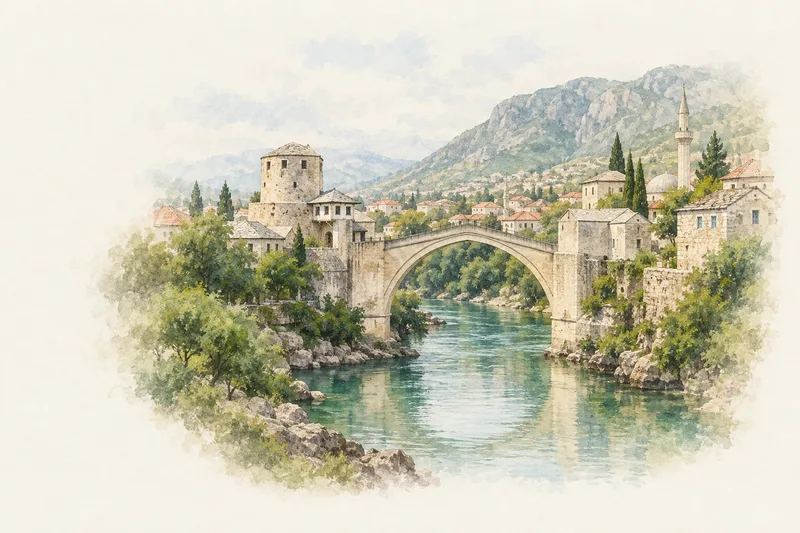
BEFORE YOUR FIRST MEAL
Navigating food allergies in Bosnia and Herzegovina
Bosnian and Herzegovinian food ranges from grilled ćevapi and spit-roasted lamb to filled pastries, stews, bread, dairy spreads and syrupy desserts. Recipes can vary between home cooking, specialist counters and restaurants. Ask about the complete recipe rather than relying on a dish name, and check bread, pastry, stock, sauces, toppings and shared preparation equipment separately.
What to know first
Pastry is not one recipe
Burek, sirnica, zeljanica, krompiruša and tikvenica use pastry, but fillings and finishing ingredients can differ. Ask about the dough, fat, filling and any topping.
Stews need ingredient questions
Bean stew, cabbage dishes and other stews may include smoked meat, stock, flour or Vegeta-style seasoning. Ask what was added at the start, not only which vegetable is visible.
Explain the whole concern
Use Bosnian, Croatian or Serbian in writing where possible, naming the ingredient and the risk of traces from shared utensils, oil, water or preparation surfaces.
Separate components when ordering
For ćevapi, meza, salads or bread-based meals, ask whether bread, cheese, ajvar, eggs, dressings and garnishes are separate, and whether the same tongs or boards are used.
Read the complete label
Read the complete ingredients and allergen information on the actual product. If you avoid a food that is not highlighted, ask the producer or food provider to check it specifically.
Understanding the food
Grilled meats and filled pies may be the quickest introduction, but soups, stuffed vegetables, corn and dairy dishes, smoked foods, coffee and sweets reveal a deeper meeting of Ottoman, Central European, Mediterranean and local rural traditions.
The same dish name can change across cities and regions.
| Place or setting | Known for | Examples to explore |
|---|---|---|
| Sarajevo | Baščaršija specialists and coffee culture | Sarajevski ćevapi, burek and other pita, Bosnian coffee and sweets |
| Banja Luka & Krajina | Distinct grilled-meat and dairy traditions | Banjalučki ćevap, cicvara, ljevuša and kajmak |
| Central Bosnia | Mountain, river and pastoral foods | Stews, trout, smoked meat, cheeses and filled pies |
| Herzegovina | Warmer Mediterranean-influenced south | Lamb, freshwater fish, vegetables, figs, cheese and wine |
Regional recipe variation is expected, not an error. Official tourism material notes that cicvara or ljevuša can be experienced differently in Krajina, Semberija and Herzegovina because households worked with local ingredients and inherited methods. [8]
Sarajevo’s old city is organised around specialist foods. The Sarajevo visitor guide foregrounds ćevapi and multiple kinds of pita in Baščaršija. A ćevabdžinica or buregdžinica often provides a clearer version than a large general restaurant. [7]
Meat, dough and cultured dairy recur, but technique keeps them distinct.
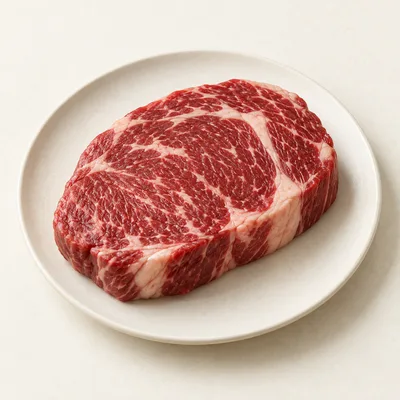 GRILLBeef & lamb
Shaped for ćevapi or cooked slowly for larger meals
Thin layers wrapped around meat, cheese, greens or potato
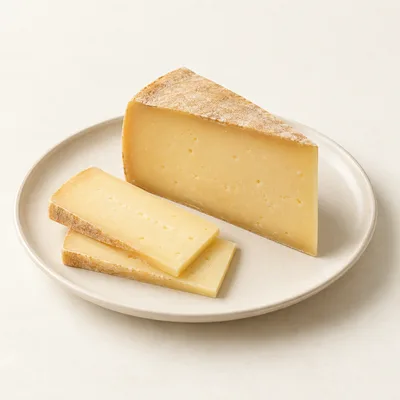 DAIRYKajmak & cheese
Fresh, aged or smoked dairy varies by locality
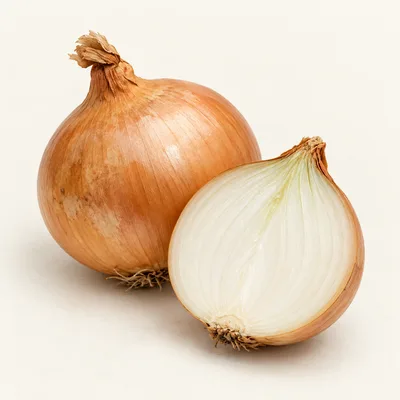 AROMATICOnion
A central partner to grilled meat and savoury fillings
Ćevapi are locally specific. Banja Luka’s version is formed and served differently from Sarajevo’s, while the accompanying lepinja, chopped onion and cultured milk complete the eating context. The name alone does not describe one uniform plate. [8][7]
Corn and dairy preserve a rural cooking vocabulary. Cicvara combines flour with butter, kajmak or cheese; ljevuša can bring buckwheat or wheat batter together with dairy and egg. These substantial dishes sit beyond the internationally familiar grill menu. [8]
Choose the establishment by what it specialises in.
Specialist shops keep menus intentionally narrow. A ćevabdžinica centres grilled meat, a buregdžinica filled pies, an aščinica cooked daily dishes, and a slastičarna sweets. Ordering the house speciality is often more useful than searching for every classic in one place. [7]
Rural households and ethno-villages add another layer. Tourism organisations specifically point visitors toward traditional restaurants, village households and ethno-villages for local recipes. Portions and hospitality can be generous, and meals are intended to be unhurried. [8][9]
Food-culture sources checked .
Grilled meat, bread and accompaniments
Ćevapi are grilled minced-meat portions commonly served with lepina or somun and sliced onions. Ask whether the bread is supplied separately, what is in the meat mixture, and whether the grill, tongs or serving surface is shared. Meza may combine smoked meat, cheese, ajvar, eggs, tomatoes, cucumbers and bread, so ask about each component’s recipe and preparation.
Filled pastry and baked dishes
Burek is a filo pastry filled with meat; related pastries include sirnica with cheese, zeljanica with spinach and cheese, krompiruša with potato, and jabukovača with apple. Wheat is used in the pastry, and some versions may contain dairy or egg. Ask about the dough, brushing fat, filling, topping and the oven tray.
Soups, stews and grain dishes
Everyday examples include tarhana soup, bean stew, cabbage dishes, goulash-style stews, rice dishes and pasta. A stew may begin with garlic, onion, celery and carrot, then add vegetables, smoked meat and water; some versions use flour. Ask about stock, seasoning mixtures, thickener, meat, dairy and whether a separate pot is possible.
Dairy, produce and desserts
Salads may combine tomatoes, lettuce, onions and peppers with feta and an Italian-style vinaigrette. Ajvar is made from roasted peppers and aubergine. Desserts include baklava, tufahije, hurmašice, kadaif, krempita and sampita; ask about wheat pastry, milk, butter, egg and walnut rather than inferring from the name.
Ingredients worth recognising
Start with these ingredients, then follow their names and recorded food connections. Check the recipe and product actually used.
Bread
Bread may accompany ćevapi, meza, soups and savoury meals. Standard bread commonly uses wheat; enriched or commercial formulations may also include milk, sesame, egg or soy. Ask for the full recipe and whether slices share a knife, board, basket or serving tongs.
Phyllo Pastry
Phyllo is the pastry base recorded for burek, zeljanica, krompiruša and tikvenica, and is conventionally wheat-based. Ask whether the sheets are bought or made on site, what fat is brushed between layers, and whether the same tray is used for other pastries.
Tarhana
Tarhana is used in a traditional soup and commonly involves fermented wheat flour; the ingredient notes also connect it with yoghurt. Ask whether the soup contains tarhana, which stock or seasoning is added, and whether butter or extra dairy finishes the bowl.
Butter
Butter may be used in dishes such as baklava, cicvara, gurabije, hurmašice, kadaif and pilav. Ask whether it is used in the pastry, pan, filling or rice, and whether a dish is finished with butter after cooking rather than assuming it is absent.
Egg
Egg is recorded in some pastry fillings, batters and doughs, including sirnica, zeljanica, klepe and kvrguša; other versions may omit it. Ask separately about the dough, filling, wash and garnish, and whether egg is used in the same preparation area.
Walnut
Walnut may be characteristic or common in dishes such as tufahije, baklava, hurmašice, kadaif, ružice and šape. Ask whether it is in the filling, decoration or sauce, and whether the dessert is cut or plated with utensils used for other nut-containing sweets.
How food labelling works
A current, country-specific allergen-labelling summary for Bosnia and Herzegovina has not yet been verified for this guide. Do not transfer the list of regulated allergens or restaurant disclosure rules from your home country to this one.
Read the complete ingredients on the actual package and keep any local-language sticker with the original label. For imported products, compare the information on that pack rather than a photograph of the brand sold elsewhere. Ask the manufacturer or seller to clarify an unfamiliar term.
For loose food or meals prepared to order, ask who can check the recipe and the labels on bought-in ingredients. Explain every food you avoid, including ingredients outside familiar allergy groups; a short symbol chart may not cover your list.
Language and communication
Bosnian, Croatian and Serbian are the country’s three official languages and are closely related, with minor vocabulary differences. Prepare a written explanation in the variety most comfortable for your host or venue, identifying every ingredient and the need for confirmation of the complete recipe.
Serbian may appear in Cyrillic as well as Latin script, particularly on signage in Republika Srpska, while Latin script is common in daily use. Regional wording and the terms kafa or kava can vary; show the written explanation and ask staff to confirm the recipe, preparation and shared equipment.
Eating in different settings
Ćevabdžinica
At a ćevabdžinica, ask what is in the ćevapi mixture and whether the lepina or somun is made separately. Check the grill, tongs and serving board, and ask for onions or other accompaniments in separate, clean serviceware.
Buregdžinica or pekara
Ask which pastry you are being offered and identify the dough, filling, fat, cheese and egg wash. At a pekara, ask how products are separated, whether staff use the same tongs, and whether the requested item shares a tray or display space.
Aščinica or restaurant
For a cooked dish, ask about the base stock, flour or other thickener, Vegeta-style seasoning, smoked meat and finishing dairy. For salad, ask about cheese, dressing and shared utensils; for trout or grilled meat, ask about marinade and the cooking surface.
Home meal or accommodation
When offered coffee with homemade bread, biscuits or cake, ask for the recipe before accepting. At breakfast or meza, check each meat, cheese, spread, egg, tomato, cucumber and bread item separately, including knives, boards and serving platters.
Before you travel
Review your personal plan
Discuss your travel plans with your clinician and keep your prescribed medicines and emergency instructions accessible. Tell companions where these are and how to follow your plan.
Check your medicines before entering Bosnia and Herzegovina
Pharmacies in Bosnia and Herzegovina may not recognise prescriptions issued in the UK; take your prescription to a local doctor who can issue a prescription for use there. Check the legal status and regulation of each medicine and follow current TravelHealthPro guidance before travel.
Make the first meals easier to organise
Contact your accommodation and transport providers in advance. Save your written food list, menu questions and destination address offline. Check entry restrictions before packing backup food, and plan how you will check meals during arrival and onward journeys.
Plan access to medical help
Medical and dental facilities may be limited outside Sarajevo and major towns. EHIC and GHIC do not cover Bosnia and Herzegovina, so check that travel insurance covers local treatment and unexpected medical evacuation, and review the FCDO provider information.
Emergency resources
For a suspected severe allergic reaction, follow your prescribed emergency plan and seek urgent medical help. Give your exact location clearly.
Ambulance and urgent medical help
Dial 124 and ask for an ambulance.
Explore next
Your allergy in Bosnia and Herzegovina
Choose a food concern for the country notes and questions relevant to it.
Dishes in Bosnia and Herzegovina
Follow the ingredients and cuisine connections in individual dish records.
Your own food list
Combine allergy groups and individual ingredients in one guide, with local names where recorded.
Allergy cards
Prepare the information you need to explain your food requirements.
FAQs, sources and review dates
Can a vegetarian bean stew be assumed to contain no meat?
No. Bean dishes described as vegetarian may nevertheless contain bacon or smoked meat. Ask whether meat, smoked meat, stock or seasoning was used, and whether the serving spoon or pot is shared with other stew.
Does tufahije identify every ingredient in the dessert?
No. The recorded connection identifies walnut filling, but the complete dessert may have other components or toppings. Ask whether walnut is inside, on top or in a sauce, and check any cream, chocolate, pastry, syrup and shared dessert utensils.
Could celery matter in a Bosnian soup or stew?
It can be part of the vegetable base described for stews, and celery is also a common aromatic in chicken-stock formulations. Ask specifically about fresh celery, stock and seasoning mixtures rather than relying on the dish’s name or visible ingredients.
Sources checked: . This researched draft is awaiting editorial review. Practical questions apply the sources below to local food settings; they do not confirm any individual meal's ingredients or preparation.
Sources & references (9)
- FCDO · Bosnia and Herzegovina health and medical assistance
Emergency contact details, local healthcare and medicine guidance. UK-specific eligibility does not apply to every visitor.
- Wikivoyage contributors · Bosnia and Herzegovina
Community-edited culinary context only; not an allergy or medical authority. Brief food-context adaptations, CC BY-SA 4.0: https://creativecommons.org/licenses/by-sa/4.0/. Recipe questions also use PlateSafe’s draft records.
- FARE · Dining out
General recipe and preparation questions, applied here to country-specific food examples.
- FARE · Travelling with food allergies
General preparation, written communication and access to prescribed medicines. Not country-specific import permission.
- PlateSafe · Bosnia and Herzegovina recorded food connections
Existing draft dish and ingredient records, used as examples to investigate. These are not independently verified recipes or suitability assessments.
- Unicode CLDR · Territory language data
Language suggestions. Regional language needs must be confirmed with the particular food provider.
- Tourism Association of Sarajevo Canton — Sarajevo visitor guide
- Tourist Organisation of Republika Srpska — Cuisine and regional recipes
- Tourist Organisation of Republika Srpska — Gastronomy