
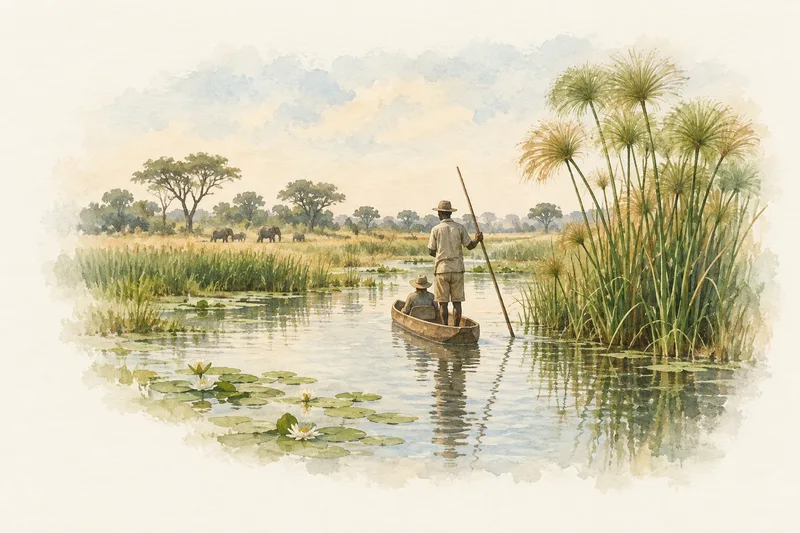
BEFORE YOUR FIRST MEAL
Navigating food allergies in Botswana
Botswana’s food examples include shredded boiled beef, goat or lamb, maize-meal and sorghum porridges, breads, cooked lerotse melon and other regional dishes. A familiar name does not describe every version, so ask about the complete recipe before ordering or accepting food. Check the meat, grain, cooking liquid, sauces, garnishes and preparation equipment separately, and explain clearly which ingredients and handling details you need the person preparing the food to confirm.
What to know first
Check seswaa and its side separately
Seswaa may use beef, goat or lamb boiled with salt, then shredded or pounded, and it may be served with pap or sorghum porridge. Ask about the meat, cooking liquid, seasoning and accompaniment as separate parts of the meal.
Porridge names do not fix the recipe
Pap, sorghum porridge and bogobe jwa lerotse have different named bases. Ask which grain and additions were used, whether melon was included, and whether cooking pots, stirring utensils or serving spoons were shared.
Explain the complete requirement
Describe the ingredients and preparation details that matter to you before food is made or served. Ask the cook or server to check the whole recipe, including stock, sauces, toppings, cooking oil and any bought-in filling.
Ask about fried and handled foods
For Diphaphatha, Magwinya or another cooked item, ask about dough ingredients, cooking medium, fillings, toppings and utensils. Ask whether the same oil, water, pan or equipment was used for other foods.
Read every part of the label
Read the complete ingredient list and any highlighted information on the actual package. Do not rely only on the product name or picture. If wording is unclear, ask the seller or food provider to identify that ingredient specifically.
Understanding the food
Sorghum or maize porridge anchors many meals, while seswaa, beans, cowpeas, leafy morogo, melon and seasonal wild foods supply substance and identity. Northern wetlands, cattle country and Kalahari communities each add ingredients that a single “safari menu” can easily hide.
The grain stays central while protein and plants change with place.
| Area or setting | Food context | Examples to explore |
|---|---|---|
| Gaborone & southeast | Cattle country and urban Setswana kitchens | Seswaa, bogobe, dikgobe, morogo and grilled beef |
| Central & Kalahari regions | Dryland grains, livestock and gathered foods | Sorghum porridges, goat, beans, melons and seasonal wild foods |
| Okavango & Ngamiland | Wetland fish, plants and community traditions | Tlhapi, tswii, mahangu, river greens and mongongo |
| Chobe & northeast | River fish and cross-border influences | Bream, sorghum or maize sides, greens and meat dishes |
Setswana cuisine is still actively taught and renewed. Botswana government reporting follows cooks and small businesses keeping dishes such as seswaa, mabele, dikgobe and bogobe jwa lerotse visible in urban food culture. [8][9]
The Okavango has a seasonal pantry of its own. Bahambukushu food traditions follow riverbank greens, fish, water-lily tubers, mahangu and wild fruits as seasons change. That repertoire should not be collapsed into the cattle-centred foods of the southeast. [10]
A restrained ingredient list depends on texture and patient preparation.
Cooked into several forms of bogobe and mabele porridge
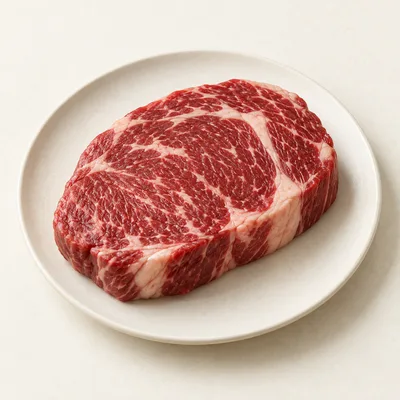 MEATBeef
Boiled and pounded for seswaa or grilled as prized local meat
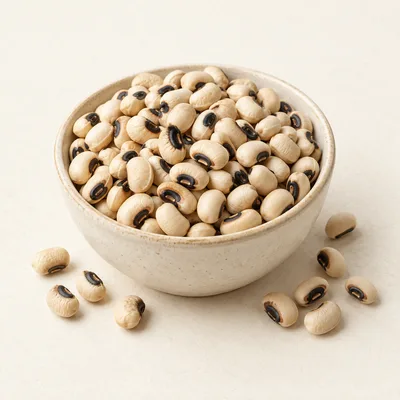 PULSECowpeas
Cooked alone, with grains or as leafy morogo
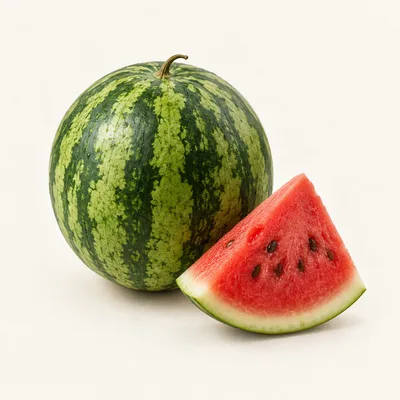 SEASONAL CROPLerotse melon
Cooked into a distinctive porridge
Seswaa is defined by method rather than heavy seasoning. Meat is cooked until tender and pounded or shredded, then served with a grain staple and vegetables. Government features place it beside bogobe, phaletshe and morogo rather than as an isolated meat dish. [7][9]
Porridge names carry useful detail. Bogobe may be made from sorghum or other grain and combined with milk, sour milk or lerotse melon; phaletshe is a maize preparation. Ask which grain and accompaniment are used instead of translating every version simply as “pap”. [8][9]
Traditional-food specialists are the best counterweight to lodge dining.
Gaborone has dedicated Setswana kitchens and stalls. Government reporting identifies Botswana Craft’s courtyard, small traditional-food businesses and street vendors serving full plates of seswaa, dikgobe, bogobe jwa lerotse and cowpea dishes. These are useful places to see how the components belong together. [7][9]
Safari accommodation often presents a curated version. Lodges may serve international menus or modern African fusion alongside a few local dishes. Ask which items come from Setswana or northern regional traditions if the menu labels everything broadly as African. [7]
Food-culture sources checked .
Meat cooked until tender
Seswaa is described as beef, goat or lamb cooked in a pot with just enough salt until tender, then shredded or pounded. Ask whether the particular preparation follows that simple description or contains stock, seasoning, sauce or another cooking liquid. Confirm whether the meat was cooked, shredded and served with equipment also used for pap, porridge or other foods, and ask whether a separate portion can be prepared and served.
Maize and sorghum sides
Pap is a maize-meal accompaniment, while sorghum meal is used for porridge. Bogobe jwa lerotse combines sorghum porridge with lerotse melon. Ask which grain was used, whether milk, oil, stock or seasoning was added, and whether the porridge was stirred or served with utensils also used for another dish. If a separate portion is requested, ask when it was separated and which pot and spoon were used.
Lerotse melon in different forms
Lerotse melon is described as crunchy and neutral when raw, while cooking gives its flesh a butternut-squash-like character. In bogobe jwa lerotse, ask whether melon is present, when it was added and what liquid or seasoning accompanied it. Ask whether the same knife, pan, spoon or serving dish handled other ingredients, and whether a raw or cooked portion was prepared separately.
Breads, greens and bought-in fillings
Food examples include Diphaphatha and Magwinya, which may use wheat-flour dough, while some Matemekwane preparations use wheat flour instead of or alongside sorghum flour. Examples of Morogo and Phane include peanut. Ask about the exact recipe, cooking medium and toppings. A bought-in savoury filling is a recipe to check, not a raw ingredient: ask for its ingredients and preparation separately.
Ingredients worth recognising
Start with these ingredients, then follow their names and recorded food connections. Check the recipe and product actually used.
Wheat flour
Wheat flour may be used in dough for foods such as Diphaphatha or Magwinya, and some Matemekwane preparations use it instead of or alongside sorghum flour. Ask which flour is present, what else is in the dough, and whether any filling or topping was added.
Peanut
Peanut appears in examples of some Morogo and Phane preparations, but those examples do not define every version. Ask whether peanut was mixed into the dish, used in a sauce or added as a garnish, and whether the pan, spoon or surface was shared.
Maize
Maize is relevant to pap, described as a maize-meal accompaniment. Ask whether the serving is made from maize meal, what liquid and other ingredients were added, and whether it was cooked or served with a pot, stirrer or spoon also used for another food.
Sorghum grain
Sorghum grain is relevant to sorghum porridge and bogobe jwa lerotse, while sorghum flour may occur in other preparations. Ask which sorghum form was used, whether melon or another addition was included, and whether the cooking liquid and utensils were dedicated to that portion.
Beef
Beef is one meat described for seswaa, alongside goat or lamb. Ask whether the dish uses beef, which cooking liquid and seasonings were added, and whether the meat was shredded or pounded with equipment also used for another ingredient. Check its accompaniment separately.
How food labelling works
A current, country-specific allergen-labelling summary for Botswana has not yet been verified for this guide. Do not transfer the list of regulated allergens or restaurant disclosure rules from your home country to this one.
Read the complete ingredients on the actual package and keep any local-language sticker with the original label. For imported products, compare the information on that pack rather than a photograph of the brand sold elsewhere. Ask the manufacturer or seller to clarify an unfamiliar term.
For loose food or meals prepared to order, ask who can check the recipe and the labels on bought-in ingredients. Explain every food you avoid, including ingredients outside familiar allergy groups; a short symbol chart may not cover your list.
Language and communication
Botswana’s official languages are English and Tswana, with Tswana described as the national language and commonly people’s first language. Prepare a written explanation in both languages if possible, listing the ingredients and preparation points that must be checked. Do not rely on a dish name alone.
English is used in everyday business, but some older people in rural areas may understand English without speaking it well. Ask for confirmation in the language the person is most comfortable using, and have your note checked by a fluent Tswana speaker where needed. Names of foods are recognition aids, not a complete request.
Eating in different settings
Street or local food counter
Before accepting seswaa, pap or porridge, ask what is in the meat, grain and any relish separately. Ask whether the pot, ladle or serving spoon is shared, whether lerotse melon was cooked in the same vessel, and whether a portion can be kept separate during serving.
Bakery or fried-food stall
For Diphaphatha or Magwinya, ask which flour forms the dough and whether other ingredients, toppings or fillings were added. If the item is fried, ask which cooking medium was used and whether the oil, pan, tongs or surface was shared with other foods.
Restaurant or shared meal
Ask the person taking the order to check the complete recipe for seswaa, bogobe jwa lerotse, Morogo or Phane. Confirm stock, sauces, peanut additions, porridge ingredients and serving utensils. Ask whether the kitchen can prepare, cook and serve your portion separately rather than adding it later.
Shop selling packaged food
Read the complete ingredient list and any highlighted information on each package rather than relying on its name, picture or a general description. Ask about an unclear term before buying. Check every purchase individually, including sauces, fillings, prepared foods and products with similar names.
Before you travel
Review your personal plan
Discuss your travel plans with your clinician and keep your prescribed medicines and emergency instructions accessible. Tell companions where these are and how to follow your plan.
Check your medicines before entering Botswana
The legal status and regulation of medicines prescribed or bought in the UK can differ in Botswana. Before travel, read TravelHealthPro best-practice guidance for travelling with medicines. Ask the appropriate Botswana authority: does this medicine require any authorisation or documents for entry? Confirm the details before departure.
Make the first meals easier to organise
Contact your accommodation and transport providers in advance. Save your written food list, menu questions and destination address offline. Check entry restrictions before packing backup food, and plan how you will check meals during arrival and onward journeys.
Plan access to medical help
Healthcare is usually good in major towns, while facilities and communications are limited in rural areas. Public facilities may have medicine and supply shortages. Private hospitals require payment and can be expensive; outpatient care may require payment up front. Check insurance, accessible funds and cover for treatment and repatriation before travelling.
Emergency resources
For a suspected severe allergic reaction, follow your prescribed emergency plan and seek urgent medical help. Give your exact location clearly.
Ambulance and urgent medical help
Call 997 and ask for an ambulance.
Explore next
Your allergy in Botswana
Choose a food concern for the country notes and questions relevant to it.
Dishes in Botswana
Follow the ingredients and cuisine connections in individual dish records.
Your own food list
Combine allergy groups and individual ingredients in one guide, with local names where recorded.
Allergy cards
Prepare the information you need to explain your food requirements.
FAQs, sources and review dates
Can I assume seswaa contains only meat and salt?
The food description presents seswaa as beef, goat or lamb boiled with just enough salt before being shredded or pounded. Ask about the particular pot rather than assuming that description applies unchanged. Check whether stock, sauce, seasoning or another cooking liquid was added, and ask about the side dish and serving utensils separately.
What should I ask about Morogo or Phane?
Examples connect some Morogo and Phane preparations with peanut, but that does not establish one recipe for every serving. Ask whether peanut was mixed in, used in a sauce or added as a garnish. Also ask about shared pans, spoons, chopping surfaces and whether the food was combined before your portion was served.
How should I ask about lerotse melon if it is unfamiliar?
Ask whether lerotse melon is present, whether it was served raw or cooked, and what other ingredients or cooking liquid were used. If it appears in bogobe jwa lerotse, ask when it was added to the sorghum porridge. You can also ask whether the knife, pan or serving utensil handled other foods.
Sources checked: . This researched draft is awaiting editorial review. Practical questions apply the sources below to local food settings; they do not confirm any individual meal's ingredients or preparation.
Sources & references (10)
- FCDO · Botswana health and medical assistance
Emergency contact details, local healthcare and medicine guidance. UK-specific eligibility does not apply to every visitor.
- Wikivoyage contributors · Botswana
Community-edited culinary context only; not an allergy or medical authority. Brief food-context adaptations, CC BY-SA 4.0: https://creativecommons.org/licenses/by-sa/4.0/. Recipe questions also use PlateSafe’s draft records.
- FARE · Dining out
General recipe and preparation questions, applied here to country-specific food examples.
- FARE · Travelling with food allergies
General preparation, written communication and access to prescribed medicines. Not country-specific import permission.
- PlateSafe · Botswana recorded food connections
Existing draft dish and ingredient records, used as examples to investigate. These are not independently verified recipes or suitability assessments.
- Unicode CLDR · Territory language data
Language suggestions. Regional language needs must be confirmed with the particular food provider.
- Botswana DailyNews — Traditional and contemporary restaurants in Gaborone
- Botswana DailyNews — Reviving Setswana cuisine
- Botswana DailyNews — Traditional food at Botswana Craft
- Botswana DailyNews — Bahambukushu food and seasonal Okavango life