
BEFORE YOUR FIRST MEAL
Navigating food allergies in Brazil
Brazilian meals range from rice, beans and meat to seafood stews, fried snacks, cassava-based dishes and dairy-rich sweets. Recipes and fillings vary by region and kitchen: Bahia’s moqueca and vatapá differ from Amazonian fish dishes, while churrasco and São Paulo pizza bring different preparation questions. Check every component, including stock, sauces, garnishes, batter and shared frying equipment.
What to know first
Start with the whole plate
A prato feito may combine rice, beans in sauce, steak or another protein, farofa, spaghetti, vegetables and chips. Ask about every side, not just the meat.
Regional dishes can change
Moqueca may be fish-based or include crustaceans; vatapá and acarajé commonly involve shrimp, while tapioca fillings range from cheese and butter to coconut or dried beef.
Explain the request in writing
Use written Brazilian Portuguese to describe the ingredient and the reaction risk, then ask staff to confirm the complete recipe, stock, sauce, garnish and preparation surface.
Check cooking arrangements
For coxinha, pastel or other fried foods, ask what the coating contains and whether the oil, utensils and preparation area are shared with other fillings.
Read the complete label
Read the complete ingredients and allergen information on the actual product. If you avoid a food that is not highlighted, ask the producer or food provider to check it specifically.
Understanding the food
Amazonian river fish and forest ingredients, Bahian dendê and coconut, Minas beans and cheese, southern fire-cooked meat and countless city street foods cannot be compressed into one national plate. Markets, botecos, lunch counters and regional specialists are the most useful way to begin.
Choose a region before choosing the dish.
| Region | Food landscape | Examples to explore |
|---|---|---|
| North & Amazon | River fish, cassava, tucupi and forest fruits | Tacacá, roasted tambaqui, açaí with manioc flour and x-caboquinho |
| Northeast & Bahia | Afro-Brazilian, Indigenous and coastal traditions | Acarajé, vatapá, moqueca, coconut, dendê and farofa |
| Southeast & Minas Gerais | Beans, pork, cheese, coffee and market cooking | Feijão tropeiro, tutu de feijão, pão de queijo and frango com quiabo |
| South | Cattle, fire cooking, European migration and yerba mate | Churrasco, charque, lamb, pinhão and chimarrão |
The official tourism map begins with diversity. Visit Brasil contrasts northeastern moqueca and acarajé, southern barbecue and coastal fish while directing travellers to local markets, festivals and restaurants rather than presenting a single canonical cuisine. [8]
Brazilian food reflects Indigenous, African, European and later migrant histories. Those influences are not evenly distributed: Bahian food centres Afro-Brazilian knowledge and dendê, the Amazon foregrounds Indigenous ingredients and river systems, while southern traditions carry a different pastoral and migration history. [9][10][12]
Cassava, beans and rice connect regions without making them taste alike.
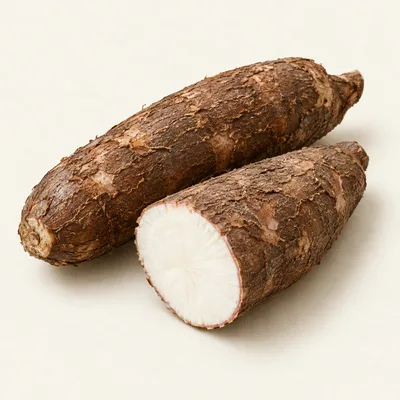 ROOTCassava
Flour, starch, tucupi, pirão and farofa across many regions
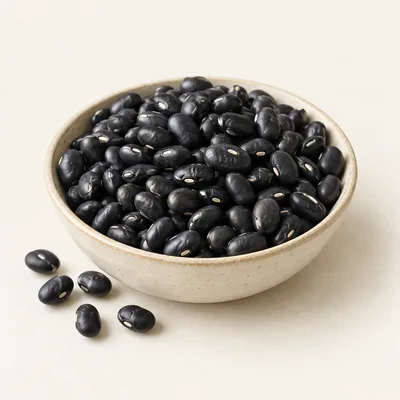 PULSEBlack beans
One of several bean traditions served with rice and accompaniments
 BAHIAN FLAVOURCoconut milk
Paired with seafood, dendê and chillies in coastal dishes
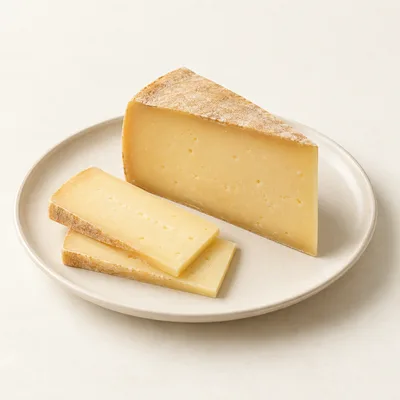 DAIRYMinas cheese
Fresh, aged and baked into regional snacks
Cassava changes form repeatedly. In the Amazon it appears as flour and tucupi; in Bahia, cassava flour thickens pirão or becomes farofa; in Minas and city snack culture, its starch becomes pão de queijo and tapioca preparations. [9][10][11]
A familiar ingredient can signal a very local technique. Beans become tutu or feijão tropeiro in Minas, while fresh açaí in Manaus may be eaten savoury with manioc flour or fish rather than as a sweet frozen bowl. [11][9]
Markets, botecos and specialist counters are part of the cuisine.
Markets are working food institutions. Manaus and Belo Horizonte market experiences connect ingredients to vendors, producers, snacks and cooked meals. Salvador’s Mercado Modelo similarly links Bahian cooking to fresh dendê, coconut, cassava flour and cultural history. [9][11][10]
Match the venue to the food culture. Seek an acarajé vendor in Salvador, a market or boteco in Belo Horizonte, an Amazonian fish specialist in Manaus and a churrascaria or gaúcho gathering in the south. A generic “Brazilian restaurant” will inevitably leave much of the country out. [10][11][9][12]
Food-culture sources checked .
Everyday plates and sides
A prato feito can bring rice and brown beans in sauce with a small steak, with farofa, spaghetti, vegetables or French fries alongside; chicken or fish may replace beef. Ask whether beans contain stock, meat or seasoning, and whether farofa includes bacon or onion. Confirm each side separately, including sauces and shared serving utensils.
Cassava, pastries and fried snacks
Brazilian examples use cassava in farofa, tapioca and pão de queijo, but this does not establish a dish’s suitability. Coxinha is a deep-fried, batter-coated chicken snack; pastel is a fried turnover with fillings such as cheese, minced meat, ham or shrimp. Ask about wheat flour, egg, dairy, filling, oil and cross-contact from utensils.
Stews, seafood and regional recipes
Feijoada combines black beans with pork and beef and is served with rice, collard greens and sliced oranges. Bahia’s moqueca is a tomato-based seafood stew, while vatapá may use bread, nuts, peanut and shrimp. Amazonian examples include caldeirada de peixe and tacacá. Ask which protein, thickener, stock and garnish are used today.
Sweets, pizza and mixed menus
Brigadeiro is described with cocoa, condensed milk, butter and chocolate sprinkles; pão de queijo uses manioc flour and cheese. Brazilian pizza toppings and sauces vary widely, and buffet or rodízio service can add sauces, mayonnaise, cream cheese or breaded items. Confirm the exact topping, base, cheese, sauce and serving utensils rather than relying on the dish name.
Ingredients worth recognising
Start with these ingredients, then follow their names and recorded food connections. Check the recipe and product actually used.
Bread
Bread may be wheat-based, enriched with milk or egg, topped with sesame, or made with rye or soy ingredients. Check the complete formulation, including fillings, glaze, bakery surfaces and whether the bread is used as a thickener in vatapá.
Butter
Butter is a milk-derived ingredient appearing in examples such as brigadeiro, pão de queijo, tapioca fillings and some regional sides. Ask whether it is added during cooking, spread afterwards or replaced by another fat, and check the full recipe.
Wheat flour
In possible versions, wheat flour forms the shell or dough of pastel and coxinha, and appears in pastry dishes such as empadão goiano. Ask about coatings, crumbs, thickening and shared preparation areas; wheat and gluten are separate considerations.
Shrimp
Shrimp is recorded in acarajé, bobó de camarão, moqueca variations, pastel fillings and tacacá, while dried shrimp seasons other dishes. Ask whether fresh or dried shrimp is present, whether stock includes it, and whether tools are shared with other seafood.
Peanut
Peanut is recorded in caruru, vatapá and xinxim de galinha, and may be used ground into a sauce or mixture. Ask whether it is blended into the dish, sprinkled on top or present in a shared paste, and check desserts separately.
Egg
Egg is intrinsic to quindim and recorded in pão de queijo, coxinha coating, bolo de rolo, broa de milho and some savoury dishes. Ask whether it is in the batter, wash, filling, garnish or shared frying process.
How food labelling works
Brazil’s packaged-food allergen guidance is set out by Anvisa under RDC 727/2022. Check the ingredients and the separate allergy warning. The regulated foods include cereals such as wheat, milk, eggs, fish, crustaceans, peanut, soy and specified nuts; the scope differs from other countries’ lists.
The warning distinguishes allergens in the recipe from possible unintended presence. A May contain warning is connected to the manufacturer’s allergen-control assessment. Read both kinds of information rather than looking only for a familiar symbol.
For bakery counters, buffet dishes and restaurant orders, check the complete preparation directly. Explain individual foods outside the recognised groups too; an allergen summary does not cover every possible avoidance.
Language and communication
Brazil’s official language is Portuguese, and Brazilian Portuguese differs in pronunciation and vocabulary from European Portuguese. Prepare a written explanation in Brazilian Portuguese naming the ingredient, the need to avoid it, and the request for a complete recipe, stock, sauce, topping and preparation check. Use dish names only as recognition aids.
Talian, a Venetian dialect, has co-official status in parts of Rio Grande do Sul, including Serafina Corrêa and Caxias do Sul, while Portuguese remains the national priority. In southern regional settings, written Portuguese plus a carefully written explanation can help staff confirm local recipe variation; ask for confirmation rather than assuming a familiar name means the same recipe.
Eating in different settings
Self-service buffet or por quilo
Ask which dishes contain wheat, egg, milk, peanut, sesame or seafood, and whether sauces and stock are added after cooking. Ask for a clean serving utensil and whether rice, beans, farofa and salads share utensils or contact with other trays.
Pastel or salgadinho counter
For pastel, coxinha or empada, ask the seller to identify the dough, coating and filling. Ask whether cheese, egg or shrimp is included, whether the oil is shared with other products, and whether the item is assembled on a shared surface.
Churrascaria or shared meal
Ask what accompanies the meat beyond the skewer: buffet sides, sauces, bread, farofa and desserts may have separate ingredients. Confirm whether tongs, plates or carving equipment are shared, and ask which exact cut and seasoning will reach your plate.
Packaged-food shop or accommodation
Read the complete label on bread, chocolate sprinkles, condensed milk, cheese and prepared sauces. Ask the shop or host to identify compound ingredients, and in accommodation kitchens use separate utensils, oil and surfaces only after confirming what has already been used.
Before you travel
Review your personal plan
Discuss your travel plans with your clinician and keep your prescribed medicines and emergency instructions accessible. Tell companions where these are and how to follow your plan.
Check your medicines before entering Brazil
The legal status of medicines prescribed or bought in the UK can differ in Brazil. Carry enough for the trip in your own supplies, with a prescription or doctor’s letter confirming the need. Before travelling, check current import requirements with the relevant Brazilian authority, particularly for any restricted medicine.
Make the first meals easier to organise
Contact your accommodation and transport providers in advance. Save your written food list, menu questions and destination address offline. Check entry restrictions before packing backup food, and plan how you will check meals during arrival and onward journeys.
Plan access to medical help
Foreign nationals are entitled to emergency medical treatment in Brazilian public hospitals, but hospitals, especially in major cities, may be overcrowded, with waits and medication shortages. Private hospitals require evidence of funds or insurance. Check your insurer’s arrangements and the current provider information before travel; some listed providers may have English-speaking staff.
Emergency resources
For a suspected severe allergic reaction, follow your prescribed emergency plan and seek urgent medical help. Give your exact location clearly.
Ambulance and urgent medical help
Call 192 and ask for an ambulance.
Explore next
Your allergy in Brazil
Choose a food concern for the country notes and questions relevant to it.
Dishes in Brazil
Follow the ingredients and cuisine connections in individual dish records.
Your own food list
Combine allergy groups and individual ingredients in one guide, with local names where recorded.
Allergy cards
Prepare the information you need to explain your food requirements.
FAQs, sources and review dates
Could a plain tapioca be suitable because it uses cassava starch?
Not automatically. Possible sweet and savoury fillings include coconut, condensed milk, dried beef, coalho cheese and butter, with many newer combinations. Ask about the exact filling, pan, utensils and any added sauce or topping, rather than ordering from the name alone.
What should I ask about vatapá if I avoid several ingredients?
Ask whether this batch uses bread or another thickener, cashew, peanut, sesame, shrimp or dried shrimp, and whether stock or paste was prepared separately. Recorded versions differ, so ask for the complete mixture and garnish; do not infer the recipe from “vatapá” alone.
How can I check an ingredient outside common allergy groups, such as pequi?
Name the specific ingredient and ask whether it is present in the complete dish, sauce, stock, garnish or cooking oil. Pequi is recorded in descriptions of Goiás cuisine, but a regional cuisine label does not confirm its presence in every recipe or establish whether a dish is suitable.
Sources checked: . This researched draft is awaiting editorial review. Practical questions apply the sources below to local food settings; they do not confirm any individual meal's ingredients or preparation.
Sources & references (12)
- FCDO · Brazil health and medical assistance
Emergency contact details, local healthcare and medicine guidance. UK-specific eligibility does not apply to every visitor.
- Wikivoyage contributors · Brazil
Community-edited culinary context only; not an allergy or medical authority. Brief food-context adaptations, CC BY-SA 4.0: https://creativecommons.org/licenses/by-sa/4.0/. Recipe questions also use PlateSafe’s draft records.
- FARE · Dining out
General recipe and preparation questions, applied here to country-specific food examples.
- FARE · Travelling with food allergies
General preparation, written communication and access to prescribed medicines. Not country-specific import permission.
- PlateSafe · Brazil recorded food connections
Existing draft dish and ingredient records, used as examples to investigate. These are not independently verified recipes or suitability assessments.
- Unicode CLDR · Territory language data
Language suggestions. Regional language needs must be confirmed with the particular food provider.
- Anvisa · Allergen labelling questions and answers, 2024 edition
Scoped allergen-labelling summary. Does not establish an individual meal’s ingredients or preparation.
- Visit Brasil — Gastronomy
- Visit Brasil — Flavours of the Amazon in Manaus
- Visit Brasil — Bahian cooking and food heritage
- Visit Brasil — Belo Horizonte markets and Minas cuisine
- Visit Brasil — Porto Alegre and gaúcho food traditions