

BEFORE YOUR FIRST MEAL
Navigating food allergies in Brunei
Brunei’s food landscape includes Malay and Chinese cooking, rice meals, sago-based ambuyat, noodle soups, savoury parcels and small cakes. A dish may arrive with a separate sauce, topping or filling, so ask about every component rather than relying on its name. Recipes can vary between establishments, and the same ingredient may appear in a broth, batter, garnish or cooking fat.
What to know first
Rice dishes still need recipe checks
Nasi katok is described as rice with curried beef or chicken, but ask whether the curry, stock, seasoning or oil contains anything you avoid, and whether egg is added.
Ambuyat comes with a separate risk point
Ambuyat itself is a starchy sago paste, while its savoury dipping sauce may use fish ingredients, shrimp paste or other crustaceans. Check the sauce, not just the paste.
Explain the whole meal in writing
Prepare a Malay-language explanation covering ingredients, sauces, toppings, broths, shared utensils and cooking surfaces. Written detail may help where local Malay wording or regional speech differs.
Ask how it was prepared
For laksa, soto, kuih or filled parcels, ask about the complete recipe, stock, batter, filling, garnish and shared oil or water. Confirm whether a requested omission changes preparation.
Read the complete ingredient list
Read the complete ingredients and allergen information on the actual product. If you avoid a food that is not highlighted, ask the producer or food provider to check it specifically.
Understanding the food
Nasi katok and market snacks make everyday eating approachable, while ambuyat reveals an older sago-based meal designed around multiple dips and side dishes. Kedayan, Iban, Belait, Chinese and wider Malay influences add distinct techniques beyond the capital.
The small country contains several distinct eating contexts.
| Setting | Food context | Examples to explore |
|---|---|---|
| Bandar Seri Begawan | Markets, kopitiams and broad restaurant choice | Nasi katok, noodles, grilled seafood and kuih |
| Kampong Ayer | River community and hosted dining | Ambuyat meals, fish, prawns, dips and home-style sides |
| Tutong & Kedayan communities | Rice, coconut, herbs and inherited village recipes | Pulut panggang and Kedayan specialities |
| Temburong & Belait | Forest, river and Indigenous Borneo traditions | Bamboo chicken, sago foods, freshwater prawns and Belait dishes |
Ambuyat is a complete shared meal, not simply a bowl of starch. Sago starch is mixed with water into an elastic texture, twirled with candas and dipped into sour or spicy cacah. Meat, fish and vegetables around it supply contrast and complete the table. [7][9]
Community traditions matter beyond national icons. Official tourism material points toward Kedayan food, Iban bamboo cooking and Belait cuisine alongside mainstream Malay and Chinese-Bruneian eating. These are best understood in their district or hosted setting. [7][10]
Sago and rice lead to two different meal structures.
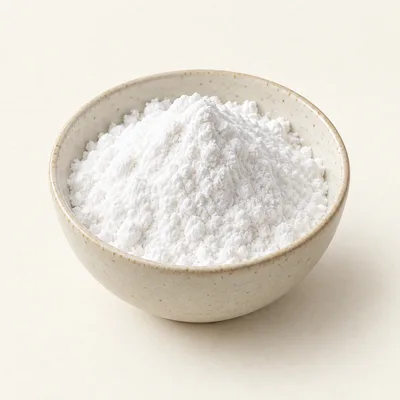 PALM STARCHSago
Mixed with hot water for ambuyat
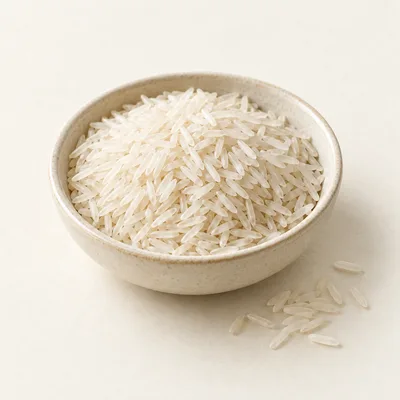 GRAINRice
The base of nasi katok, festive dishes and everyday meals
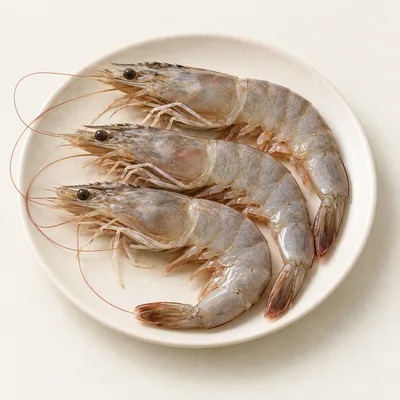 RIVER & COASTPrawn
Freshwater and coastal catches in noodles, crackers and mains
 AROMATICCoconut milk
Richness for rice, sweets and Malay preparations
Ambuyat’s flavour comes from what surrounds it. The sago itself is mild; cacah and an assortment of vegetables, meat or fish make each mouthful different. Learning the dipping and twirling method is part of the dish. [7][9]
Portable snacks show another side of the pantry. Pulut panggang wraps seasoned glutinous rice before grilling, while prawn crackers combine minced prawn and starch before sun-drying and frying. Both depend on texture as much as seasoning. [7]
Night markets and kopitiams sit beside private cultural meals.
Everyday food is often simple and highly accessible. Nasi katok, noodle dishes, grilled foods and kuih are found through markets, stalls and coffee shops, while Bandar also supports Japanese and other international restaurants. [8][7]
Book a hosted ambuyat meal when possible. Brunei Tourism promotes private dining in Kampong Ayer because a full spread and a host’s explanation communicate more than ordering one isolated component from a general menu. [9]
Food-culture sources checked .
Rice meals and curries
One possible version of nasi katok is a simple rice meal with curried beef or chicken, while rice is generally preferred to ambuyat. Do not treat this short dish description as a complete recipe: ask about curry paste, broth, dark soy sauce, garnishes and cooking oil. Confirm whether rice, meat and egg are prepared separately or together, and whether a shared serving spoon is used.
Sago, sauces and wrapped fillings
Ambuyat is a sticky, virtually tasteless sago paste collected with linked chopsticks and dipped into a savoury sauce. The dipping sauce may contain fish-based ingredients, shrimp paste or other crustaceans. Pulut panggang is a glutinous-rice parcel whose filling may use fish or dried shrimp. Ask about the filling, wrapping, sauce, steaming surface and utensils rather than inferring from the dish name.
Soups, noodles and fish dishes
Brunei laksa is recorded with fish as a typical protein and prawns in common versions. Soto Brunei may have boiled or sliced egg as a topping, while pais ikan centres on fish. Ask whether broth, paste, noodles, toppings and garnishes are made separately, and whether prawns, fish sauce or egg enter the base even when they are not visible in the bowl.
Kuih and recipe variation
Recorded kuih examples include Bahulu, Cincin, Mor, Penyaram and Sapit. Wheat flour appears in several batters or doughs; Bahulu and Sapit commonly involve egg, while Mor uses ghee and Sapit may use butter or coconut milk. Ask which flour, fat and binder were used in that batch, and whether cakes share trays, oil, tongs or utensils.
Ingredients worth recognising
Start with these ingredients, then follow their names and recorded food connections. Check the recipe and product actually used.
Wheat flour
Wheat flour is a core or common ingredient in Kuih Bahulu, Kuih Cincin, Kuih Mor, Kuih Penyaram and Kuih Sapit, and may also occur in sauces such as dark soy sauce. Ask about flour in batters, doughs and compound sauces.
Fish
Fish is central to pais ikan, typical in Brunei laksa and possible in ambuyat dipping sauces or pulut panggang fillings. Ask whether fish is fresh, dried, fermented or present as fish sauce, and whether the broth or garnish uses it.
Egg
Egg is a core ingredient in Kuih Bahulu and typical in Kuih Sapit, and boiled or sliced egg may top many Soto Brunei preparations. Ask about batter, garnish and shared utensils, including whether egg is added after cooking.
Butter
Butter may be used in Kuih Sapit, while the recorded ingredient is cow milk or a milk-derived ingredient. Ask whether the recipe uses butter, another fat or a mixed spread, and whether the same tray or brush is used for other items.
Dark Soy Sauce
Dark soy sauce is a defining ingredient in Daging Masak Hitam, and many versions include wheat, although wheat-free formulations exist. Ask for the exact sauce or label, including whether a blended seasoning or shared sauce is added.
Tamarind paste
Tamarind paste may be used in local savoury sauces, and some commercial pastes use sulphite preservatives. Ask whether the paste is packaged or made in-house, request the complete ingredient list where possible, and check any preservation ingredients.
How food labelling works
A current, country-specific allergen-labelling summary for Brunei has not yet been verified for this guide. Do not transfer the list of regulated allergens or restaurant disclosure rules from your home country to this one.
Read the complete ingredients on the actual package and keep any local-language sticker with the original label. For imported products, compare the information on that pack rather than a photograph of the brand sold elsewhere. Ask the manufacturer or seller to clarify an unfamiliar term.
For loose food or meals prepared to order, ask who can check the recipe and the labels on bought-in ingredients. Explain every food you avoid, including ingredients outside familiar allergy groups; a short symbol chart may not cover your list.
Language and communication
Malay (Bahasa Melayu) is Brunei’s official language, and Malay is the first language to prepare for food discussions. Write a clear explanation naming the ingredients and reactions or exclusions relevant to you, then list sauces, stock, toppings, shared oil, water and utensils that must be checked. Names of dishes are recognition aids, not a complete request.
Brunei also uses Jawi, the Arabic script for Malay, in official and religious contexts, while Roman-alphabet signs are common. Chinese languages used in Brunei include Hokkien and Teochew, and Mandarin is taught in Chinese schools; this may matter in some Chinese food settings. Ask staff to confirm the full recipe and regional wording rather than assuming a familiar term has one meaning.
Eating in different settings
Night-time nasi katok or rice counter
Ask whether the rice meal is nasi katok with curried beef or chicken, and whether the curry contains dark soy sauce, stock, egg or a prepared paste. Confirm the cooking oil, serving spoon and preparation surface, and ask whether the meat, rice and sauce are handled separately.
Ambuyat or speciality restaurant
For ambuyat, ask what is in the dipping sauce, including fish, fish sauce, shrimp paste, prawns or other crustaceans. Check whether the sauce is made in the same pot as another sauce, and whether linked chopsticks, serving spoons or bowls are shared.
Kuih stall, bakery or dessert counter
For Kuih Bahulu, Cincin, Mor, Penyaram or Sapit, ask which flour, egg, butter, ghee, coconut milk and oil were used in that batch. Confirm fillings and toppings, and ask about shared trays, tongs, moulds, brushes and frying oil.
Laksa, soto or Chinese food outlet
Ask whether the broth and seasoning paste contain fish, prawns, fish sauce, egg or wheat-containing soy sauce. Confirm toppings are added separately, ask about shared noodle water and utensils, and explain that a dish without visible seafood or egg still needs recipe confirmation.
Before you travel
Review your personal plan
Discuss your travel plans with your clinician and keep your prescribed medicines and emergency instructions accessible. Tell companions where these are and how to follow your plan.
Check your medicines before entering Brunei
The official source says that medicines prescribed or bought in the UK can have different legal status in Brunei, and some UK non-prescription items may need a prescription there. Before travelling, check with the relevant Brunei authority whether your medicine is permitted and what requirements apply, and follow current TravelHealthPro guidance.
Make the first meals easier to organise
Contact your accommodation and transport providers in advance. Save your written food list, menu questions and destination address offline. Check entry restrictions before packing backup food, and plan how you will check meals during arrival and onward journeys.
Plan access to medical help
The official source describes generally acceptable healthcare, while noting that basic hospital supplies can occasionally run low. It identifies significant facilities in Bandar Seri Begawan and says complications may require evacuation to Singapore. Ask your insurer about provider access, treatment and evacuation cover, accessible funds and possible regional limitations before travel.
Emergency resources
For a suspected severe allergic reaction, follow your prescribed emergency plan and seek urgent medical help. Give your exact location clearly.
Ambulance and urgent medical help
Dial 991 and ask for an ambulance.
Explore next
Your allergy in Brunei
Choose a food concern for the country notes and questions relevant to it.
Dishes in Brunei
Follow the ingredients and cuisine connections in individual dish records.
Your own food list
Combine allergy groups and individual ingredients in one guide, with local names where recorded.
Allergy cards
Prepare the information you need to explain your food requirements.
FAQs, sources and review dates
Can I order ambuyat without seafood?
Ask specifically about the dipping sauce: some versions may include fish-based ingredients, shrimp paste and other crustaceans. Also ask whether the sauce is prepared in a shared pot or with shared utensils. Do not assume the sago paste makes the whole served dish free from those ingredients.
What should I ask about kuih if I avoid wheat or dairy?
Ask for the exact recipe and batch ingredients. Wheat flour is recorded in several kuih, while Kuih Mor uses ghee and Kuih Sapit may use butter or coconut milk. Confirm the fat, flour, egg, moulds, trays and shared oil rather than relying on the cake’s name.
What about tamarind, which is not one of my usual concerns?
Tamarind paste can be a prepared product rather than only tamarind fruit; some commercial pastes use sulphite preservatives. Ask whether it is included in a sauce, whether it is packaged or made in-house, and request the complete ingredient list for that product.
Sources checked: . This researched draft is awaiting editorial review. Practical questions apply the sources below to local food settings; they do not confirm any individual meal's ingredients or preparation.
Sources & references (10)
- FCDO · Brunei health and medical assistance
Emergency contact details, local healthcare and medicine guidance. UK-specific eligibility does not apply to every visitor.
- Wikivoyage contributors · Brunei
Community-edited culinary context only; not an allergy or medical authority. Brief food-context adaptations, CC BY-SA 4.0: https://creativecommons.org/licenses/by-sa/4.0/. Recipe questions also use PlateSafe’s draft records.
- FARE · Dining out
General recipe and preparation questions, applied here to country-specific food examples.
- FARE · Travelling with food allergies
General preparation, written communication and access to prescribed medicines. Not country-specific import permission.
- PlateSafe · Brunei recorded food connections
Existing draft dish and ingredient records, used as examples to investigate. These are not independently verified recipes or suitability assessments.
- Unicode CLDR · Territory language data
Language suggestions. Regional language needs must be confirmed with the particular food provider.
- Brunei Tourism — Local delicacies
- Brunei Tourism — About Brunei
- Brunei Tourism — Ambuyat dining experience
- Brunei Tourism — A Taste of Brunei