
BEFORE YOUR FIRST MEAL
Navigating food allergies in Burundi
Burundian meals may combine grilled beef brochettes and plantains with rice, beans, fish from Lake Tanganyika, leafy preparations, fruit, or South Asian-influenced dishes. Recipes can change through added wheat, egg, peanut, fish, milk or butter. Ask about the whole preparation rather than relying on a dish name, especially for shared frying, sauces, garnishes and enriched doughs.
What to know first
Grilling and sides
Beef brochettes and grilled plantains are prominent examples. Ask whether the meat and plantains share a grill, tools, marinade, oil or serving surface with other foods.
Recipe variation
Isombe may be enriched with peanuts and sometimes fish; renga-renga uses peanut butter. Confirm the complete recipe, including stock, seasoning and any added protein.
Communication
Prepare a written explanation in French and, where useful, Kirundi. Ask the cook or server to confirm each ingredient, rather than asking only whether a dish is suitable.
Preparation
For fried foods such as cassava fritters, samosas or mandazi, ask what flour, oil and binding ingredients are used and whether the oil or utensils are shared.
Labels
Read the complete ingredients and allergen information on the actual product. If you avoid a food that is not highlighted, ask the producer or food provider to check it specifically.
Understanding the food
Beans, cassava, bananas, maize, sorghum, potatoes and leafy greens create substantial combinations with relatively little embellishment. Bujumbura adds Lake Tanganyika fish, grills and cosmopolitan restaurants, while rural meals track local agricultural specialisation more closely.
Agricultural specialisation changes the plate between lowland and plateau.
| Area or setting | Food context | Examples to explore |
|---|---|---|
| Bujumbura & lakeshore | Cassava ugali, Lake Tanganyika fish and urban grills | Fish sauces, mukeke or other catches, brochettes and fried plantain |
| Central plateau | Beans, bananas, maize, cassava and potatoes | Bean stews, ubugali, isombe and boiled or fried tubers |
| Highlands | Cooler-climate potatoes, tea and dairy | Potato dishes, vegetables and highland farm produce |
| Rural hills | Household crops and communal preparations | Beans, greens, sorghum or maize porridges and banana products |
Outside the capital, cuisine follows what each region grows. Burundi Tourism explicitly distinguishes the diverse restaurant economy of Bujumbura from rural cooking shaped by local agricultural specialisation. [8]
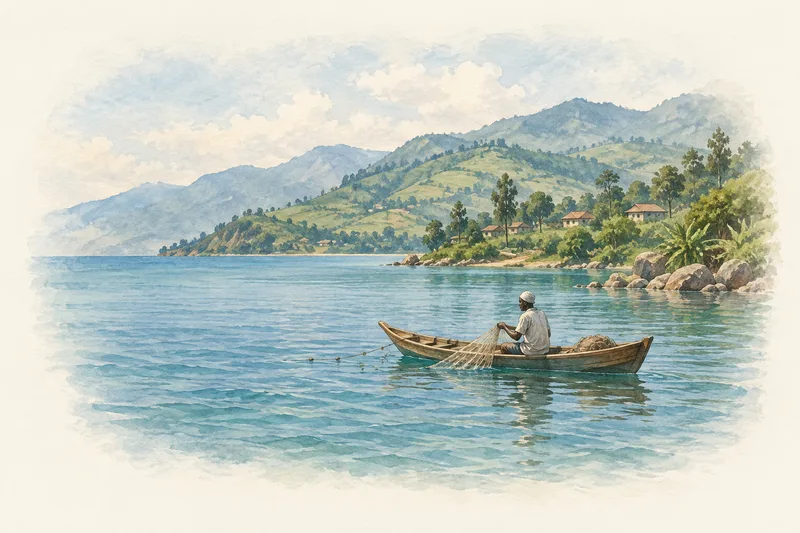
The lakeshore changes the protein story. Fish sauces and Lake Tanganyika catches accompany cassava ubugali around Bujumbura, while inland meals rely more heavily on beans, greens, livestock and the crops of the hills. [7][8]
A meal is assembled from several dependable components.
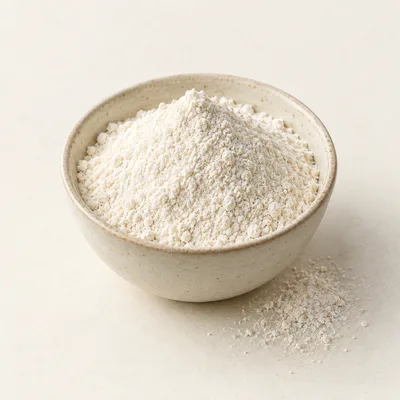 ROOTCassava
Dried and milled for Bujumbura-style ubugali
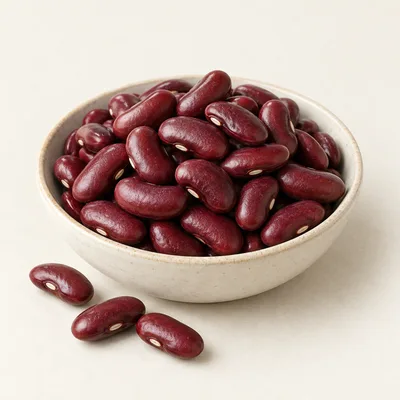 PULSEBeans
An everyday protein beside starch and greens
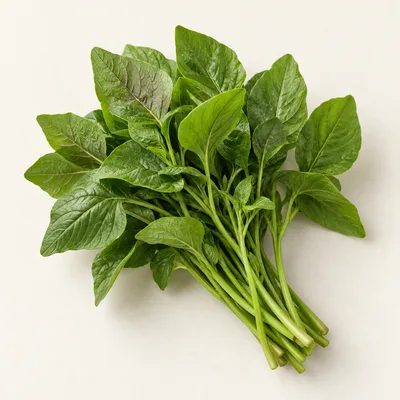 GREENAmaranth leaves
Cooked as lenga-lenga alongside rice, plantain or beans
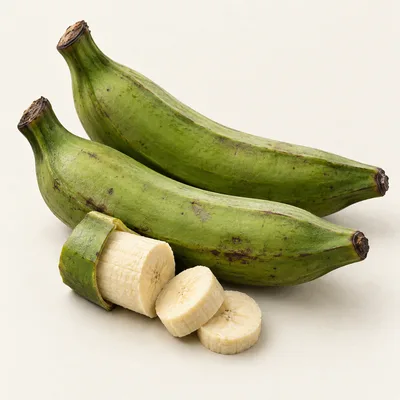 STARCHGreen plantain
Boiled or fried as a substantial side
Ubugali changes grain by location. Cassava flour is common in Bujumbura, while maize- or sorghum-based versions appear elsewhere. Its mildness is intentional: beef, fish sauce, isombe or leafy greens provide the stronger flavour. [7]
Banana is food, drink and agricultural landscape. Green bananas are cooked as a staple, while ripe banana juice can be fermented into urwawa. FAO records the crop’s large place in Burundian agriculture and its historic role in beer production. [9][10]
Bujumbura’s restaurant scene is broader than the rural repertoire.
Traditional dishes may require a deliberate search. The tourism authority notes that ubugali is not listed by every restaurant even though it is a local staple. Ask for Burundian cooking rather than assuming a bar’s brochettes and chips show the whole cuisine. [7]
The capital also carries Belgian, French, Greek, Italian and Asian influences. Cafés, bakeries and international restaurants reflect Bujumbura’s urban history. They sit alongside fish restaurants, grills and kitchens serving isombe, lenga-lenga, beans and plantain. [8]
Food-culture sources checked .
Grilled brochettes and plantains
Beef brochettes and grilled plantains are described as a national dish, but that name does not establish a fixed recipe. Ask about marinades, basting fats, seasonings, grill surfaces and serving utensils. Check whether plantains are cooked beside meat or other foods, and whether toppings or sauces are added after grilling.
Fish from the lake and small fish
Fresh fish from Lake Tanganyika is a notable food context in Burundi. Mukeke can be a fish dish, while sambaza consists primarily of small fish. Ask which fish is used, whether it is whole or prepared in a sauce, and whether stock, garnish or frying changes the recipe.
Leafy and vegetable preparations
Isombe is a leafy preparation that may use peanuts for enrichment and may include fish; renga-renga uses peanut butter. Ask whether either is made with a separate base, stock or additional protein. Sweet potato mash may contain butter and, in some recipes, cow milk, so confirm enrichments rather than assuming a plain mash.
Breads, fritters and mixed influences
Chapati and mandazi are wheat-flour foods with possible egg or dairy additions; cassava fritters may use egg or wheat flour as a binder. The food material also notes samosas, curries and French-inspired European offerings. Ask about dough, fillings, frying oil, sauces and shared equipment.
Ingredients worth recognising
Start with these ingredients, then follow their names and recorded food connections. Check the recipe and product actually used.
Egg
Egg may bind cassava fritters and enrich chapati or mandazi, although these are recipe variations. Ask whether the dough or fritter mixture contains egg, and whether an egg-based topping, wash or shared utensil is involved.
Wheat flour
Wheat flour is essential to chapati and the core flour in mandazi; it may also bind some cassava fritters, while Boko Boko Harees uses it as a thickening and grain ingredient. Ask where flour is used across the complete dish.
Butter
Butter may enrich sweet potato mash, and chapati recipes may use dairy fat. Ask whether butter is added during cooking or at serving, whether the kitchen uses a substitute, and whether the same spoon or pan is used for other dishes.
Peanut
Peanuts are characteristic in some Isombe recipes, while peanut butter enriches renga-renga. Ask whether peanuts are whole, ground or incorporated into a paste, and whether a garnish, sauce or shared grinder is included.
Fish
Fish is the core protein in Mukeke and may be added to Isombe; sambaza and small freshwater fish are also possible choices. Ask which fish is present, whether fish stock is used, and whether cooking oil or utensils are shared.
Vegetable Oil
The oil source is unspecified, and generic vegetable oil may be soybean oil. Ask what oil is used for cassava fritters, samosas, mandazi or other fried foods, whether it is reused, and whether the fryer or pan is shared.
How food labelling works
A current, country-specific allergen-labelling summary for Burundi has not yet been verified for this guide. Do not transfer the list of regulated allergens or restaurant disclosure rules from your home country to this one.
Read the complete ingredients on the actual package and keep any local-language sticker with the original label. For imported products, compare the information on that pack rather than a photograph of the brand sold elsewhere. Ask the manufacturer or seller to clarify an unfamiliar term.
For loose food or meals prepared to order, ask who can check the recipe and the labels on bought-in ingredients. Explain every food you avoid, including ingredients outside familiar allergy groups; a short symbol chart may not cover your list.
Language and communication
Use French for a written explanation when dealing with menus, packaged foods or recipe details, and ask the server or cook to confirm the full preparation. English may also help in some travel interactions, but confirmation remains necessary.
Kirundi is a useful local language, particularly in rural areas, and Swahili may also be helpful. Regional language use can affect how clearly an ingredient question is understood. Carry your written explanation and show the relevant ingredient names as recognition aids, not as a complete request.
Eating in different settings
Grill or roadside counter
For beef brochettes and grilled plantains, ask what is on the marinade, whether the grill, tongs or serving board is shared, and whether plantains are cooked beside other foods. Confirm any finishing sauce, oil or garnish before ordering.
Fresh-fish seller or cooked fish counter
When considering Mukeke, sambaza or another Lake Tanganyika fish preparation, ask which fish is used and whether it is fried, grilled or stewed. Check for fish stock, sauces, onion garnish, shared oil and utensils used for other dishes.
Bakery, fritter stand or café
For chapati, mandazi, cassava fritters or samosas, ask whether the dough contains wheat, egg, milk or butter, and what binds cassava. Ask whether frying oil is shared or reused and whether fillings, toppings or sauces are added.
Restaurant or accommodation meal
For isombe, renga-renga, sweet potato mash, rice or beans, ask for the complete recipe and every enrichment. Confirm peanut or peanut butter, fish, butter or milk, plus stock, shared pans and serving spoons. Request confirmation of the actual portion prepared.
Before you travel
Review your personal plan
Discuss your travel plans with your clinician and keep your prescribed medicines and emergency instructions accessible. Tell companions where these are and how to follow your plan.
Check your medicines before entering Burundi
The official source warns that medicines prescribed or bought in the UK may have different legal status and regulation in Burundi. Before travel, check TravelHealthPro guidance and ask the relevant Burundian authority whether import or documentation requirements apply to your medicines.
Make the first meals easier to organise
Contact your accommodation and transport providers in advance. Save your written food list, menu questions and destination address offline. Check entry restrictions before packing backup food, and plan how you will check meals during arrival and onward journeys.
Plan access to medical help
The source identifies serious-accident care in three Bujumbura hospitals and says adequate facilities are lacking outside Bujumbura, where evacuation to Kenya or Rwanda may be needed. Check current provider details, regional access and insurance arrangements before travelling, including whether listed care meets your needs.
Emergency resources
For a suspected severe allergic reaction, follow your prescribed emergency plan and seek urgent medical help. Give your exact location clearly.
Ambulance and urgent medical help
Call 112 and ask for an ambulance. You can also request help from the Red Cross by calling 109.
Explore next
Your allergy in Burundi
Choose a food concern for the country notes and questions relevant to it.
Dishes in Burundi
Follow the ingredients and cuisine connections in individual dish records.
Your own food list
Combine allergy groups and individual ingredients in one guide, with local names where recorded.
Allergy cards
Prepare the information you need to explain your food requirements.
FAQs, sources and review dates
Could cassava fritters contain wheat even though cassava is the main ingredient?
Yes, wheat flour may be used as a binder, and egg may also be added. Ask specifically whether wheat flour or egg is in the mixture, then ask about the frying oil, utensils and any dipping sauce.
What should I ask about sweet potato mash?
Ask whether butter or cow milk has been mixed through the mash, since both are recorded enrichments in some recipes. Also check whether stock, seasoning or a topping is added, and whether the serving spoon is shared with another dish.
Is peanut butter the same practical question as whole peanuts?
For allergy planning, ask about both separately by name and ask whether either is present in a sauce or leafy preparation. Renga-renga is recorded with peanut butter, while Isombe may use peanuts; do not infer the recipe from the dish name alone.
Sources checked: . This researched draft is awaiting editorial review. Practical questions apply the sources below to local food settings; they do not confirm any individual meal's ingredients or preparation.
Sources & references (10)
- FCDO · Burundi health and medical assistance
Emergency contact details, local healthcare and medicine guidance. UK-specific eligibility does not apply to every visitor.
- Wikivoyage contributors · Burundi
Community-edited culinary context only; not an allergy or medical authority. Brief food-context adaptations, CC BY-SA 4.0: https://creativecommons.org/licenses/by-sa/4.0/. Recipe questions also use PlateSafe’s draft records.
- FARE · Dining out
General recipe and preparation questions, applied here to country-specific food examples.
- FARE · Travelling with food allergies
General preparation, written communication and access to prescribed medicines. Not country-specific import permission.
- PlateSafe · Burundi recorded food connections
Existing draft dish and ingredient records, used as examples to investigate. These are not independently verified recipes or suitability assessments.
- Unicode CLDR · Territory language data
Language suggestions. Regional language needs must be confirmed with the particular food provider.
- Burundi Tourism — Gastronomy
- Burundi Tourism — Restaurants and cafés
- Burundi Tourism — Cultural heritage
- FAO — Bananas and plantains in Burundi