
BEFORE YOUR FIRST MEAL
Navigating food allergies in Cabo Verde
Food across Cabo Verde can include fresh seafood, maize-based dishes, sandwiches, puddings and baked sweets. Recipes and additions vary between households and islands, so a familiar name is only a starting point. Ask how the complete dish is made, including broth, sauce, topping, coating and cooking medium, and explain your requirements before ordering or buying.
What to know first
Maize dishes vary
Cachupa is made with maize and potato, and fish or chicken is commonly added for flavour; ask which version is being served.
Fish and shellfish differ
Tuna, wahoo, mackerel, moray eel and lobster appear in local food examples. In mixed seafood rice, ask whether fish, prawns, crab or other shellfish are included.
Explain the whole recipe
Ask in Portuguese or Kriolu about stock, sauce, toppings, batter, coating, shared oil and shared utensils, rather than relying on a dish name or a dietary label.
Check preparation as well as ingredients
For fried fish, pastries and toasted sandwiches, ask what is in the coating or bread and whether the same oil, grill, toaster or utensils are used for other foods.
Read complete labels
Read the complete ingredients and allergen information on the actual product. If you avoid a food that is not highlighted, ask the producer or food provider to check it specifically.
Understanding the food
Maize and beans anchor cachupa, the sea supplies tuna and shellfish, and each island adds crops, livestock and techniques shaped by its terrain. West African and Portuguese histories meet in a Creole cuisine that also carries older shipping links to Brazil and the wider Atlantic.
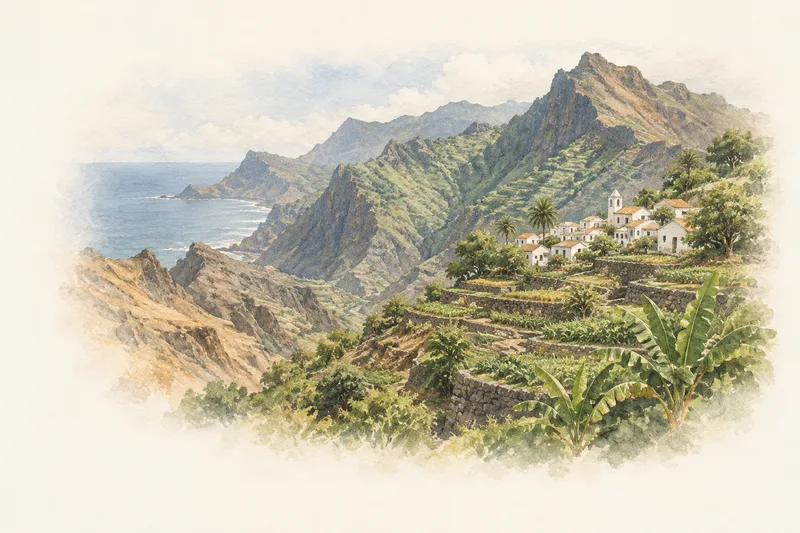
Island landscapes change what grows and what reaches the pot.
| Island or setting | Food context | Examples to explore |
|---|---|---|
| Santiago | Largest farming population and Creole urban markets | Cachupa, grilled fish, banana, papaya and sugarcane products |
| Santo Antão | Mountain valleys, coffee, cane and livestock | Goat cheese, grogue, coffee and maize dishes |
| Fogo | Volcanic soils and distinctive agriculture | Djagacida, wine, coffee, beans and Manecom |
| Sal, Boa Vista & São Vicente | Drier islands and strong maritime food culture | Tuna, lobster, limpets, conch, xerém and fish stews |
Cachupa connects the islands without becoming one fixed recipe. The official tourism guide describes poor, rich, tuna and reheated versions, all built around maize but changing with beans, vegetables, fish, meat and household knowledge. [7]
Rainfall and terrain matter in a dry archipelago. More rugged Santiago, Santo Antão and Fogo receive relatively more rain, supporting fruit, coffee, cane and other crops; the sea is a more constant pantry across the islands. [9][7]
Maize is transformed from breakfast to feast.
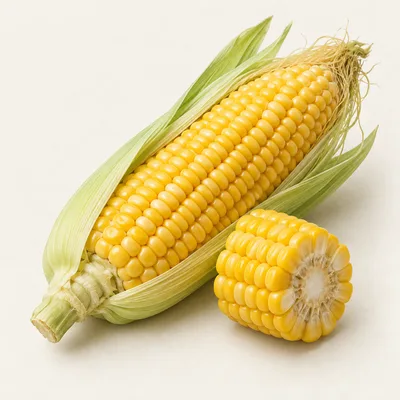 GRAINMaize
Whole, cracked or milled for cachupa, xerém, rolon and cuscuz
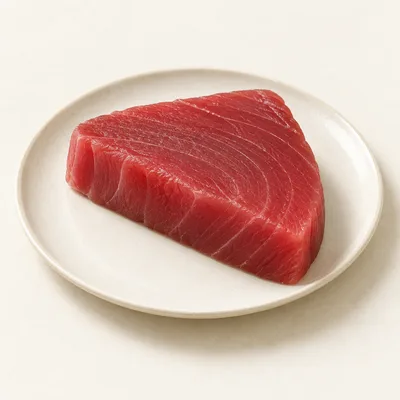 ATLANTIC CATCHTuna
Grilled, stewed or folded into cachupa
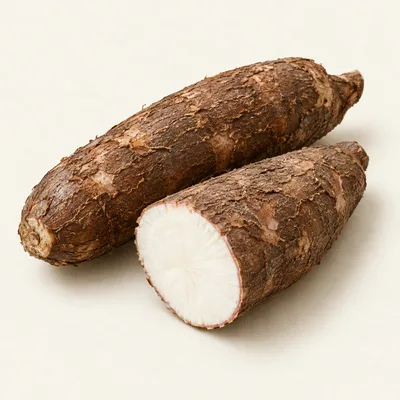 ROOTCassava
A stew vegetable, accompaniment and fritter base
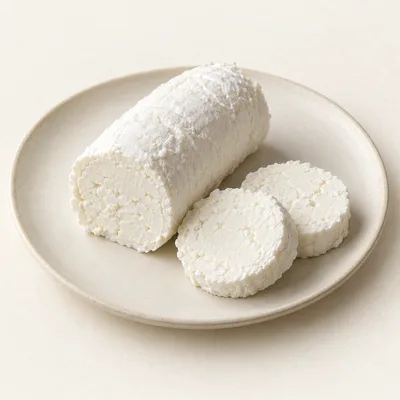 PASTORAL FOODGoat cheese
Small-batch island cheese served with bread or sweets
Yesterday’s cachupa becomes a different breakfast. Cachupa guisada fries the remaining stew and is commonly topped with egg and sausage. The shift from slow communal pot to crisp morning plate is part of the dish’s identity. [7]
The ocean supplies far more than one “fish of the day”. Tuna, grouper, mackerel, snapper, barracuda, octopus, lobster, conch and limpets are grilled, stewed or combined with pasta and island vegetables according to catch and location. [7]
A local table makes the idea of morabeza tangible.
Ask which cachupa the kitchen makes and when it is served. Some versions are daily and modest; cachupa rica signals a more abundant occasion; the guisada breakfast may only appear early. Island and family variations are expected. [7]
Small producers explain the drinks and dairy. Grogue and ponche, Fogo wine, island coffee and goat cheese are closely tied to place. Visiting a distillery, vineyard, coffee area or local cheese producer adds context that a resort buffet cannot provide. [7][8]
Food-culture sources checked .
Maize, potato and fish additions
The food examples describe cachupa as a dish of maize and potato, commonly flavoured with fish or chicken. Cachupa refogada may be served with egg in some versions, while Xerem can have a savoury fish addition. Ask whether the preparation includes fish, egg, stock, sauce or a separate topping, and whether leftovers have been reheated with other ingredients.
Seafood and fish preparations
Cabo Verde dishes include tuna, wahoo, grilled mackerel, fish broth, lobster and lagostada. Arroz de marisco is a mixed seafood rice which may include prawns, crab, other crustaceans and fish. Ask for the complete seafood list and the contents of the broth, then check whether shellfish and fish were cooked in the same pan or stock.
Batter, pastry and fried foods
Wheat flour and egg may occur in dishes such as fidjos, bolo de banana, queijada de leite and pastel com diablo dentro. Gufong uses wheat flour, while moreia frita may have a wheat-flour coating. Ask about the batter or pastry, dusting flour, fillings and frying oil, including whether oil or utensils are shared.
Dairy, toasted food and sweets
Arroz doce uses cow milk as a core cooking liquid and may include egg yolks. Butter may finish cuscuz de milho or occur with grilled lapas, while doce de coco can use egg. Tosta mista is a toasted ham and cheese sandwich. Ask about milk, butter, egg, bread, fillings and the toaster or grill surface.
Ingredients worth recognising
Start with these ingredients, then follow their names and recorded food connections. Check the recipe and product actually used.
Wheat flour
Wheat flour forms the structure of bolo de banana and the shells or batters of fidjos, gufong, pastel com diablo dentro and queijada de leite. Ask whether wheat flour is present in coatings, pastry, crumbs or thickening, and distinguish wheat from gluten questions.
Cow Milk
Cow milk or a milk-derived ingredient is central to arroz doce, and dairy also matters when checking cheese in tosta mista. Ask whether milk, cream, condensed milk or another dairy ingredient is used, and whether a topping is added after cooking.
Egg
Egg is recorded in batter or structure for bolo de banana, fidjos and queijada de leite, and may appear in cachupa refogada or doce de coco. Ask whether it is mixed into the recipe, brushed on top, or added as a separate serving.
Tuna
Tuna appears as the protein in bife de atum and is the typical filling of pastel com diablo dentro; it is also described as common in Cabo Verde. Ask whether the tuna is fresh or preserved and what sauce, seasoning or filling accompanies it.
Beef broth
Beef broth may contain celery in some formulations, according to the recorded ingredient connection. If a sauce, rice, stew or filling uses broth, ask for the exact stock and its vegetable base rather than assuming the dish contains only meat and water.
Vegetable Oil
Generic vegetable oil may be soybean oil, but the oil used is not specified. Ask what oil is in a fried dish and whether the same oil, fryer or pan is used for other foods.
How food labelling works
A current, country-specific allergen-labelling summary for Cabo Verde has not yet been verified for this guide. Do not transfer the list of regulated allergens or restaurant disclosure rules from your home country to this one.
Read the complete ingredients on the actual package and keep any local-language sticker with the original label. For imported products, compare the information on that pack rather than a photograph of the brand sold elsewhere. Ask the manufacturer or seller to clarify an unfamiliar term.
For loose food or meals prepared to order, ask who can check the recipe and the labels on bought-in ingredients. Explain every food you avoid, including ingredients outside familiar allergy groups; a short symbol chart may not cover your list.
Language and communication
Portuguese is Cabo Verde’s official language and is used in official publications, business, media and schools. Prepare a written explanation in Portuguese covering the foods to avoid and the need to confirm the complete recipe, stock, sauce, toppings, oil and utensils.
Cape Verdean Creole, commonly called Kriolu, is the local language and has dialect variation across the country. A written explanation in Kriolu may help with local communication; ask the person preparing the food to confirm the details, especially where regional wording differs.
Eating in different settings
Market hall or seafood counter
When buying tuna, mackerel, lobster or mixed seafood, ask exactly which fish or shellfish is present and whether it has been dressed, marinated or mixed with stock. For prepared food, ask about shared knives, boards, pans and serving utensils.
Bakery or sweet stall
For bolo de banana, fidjos, gufong, queijada de leite, arroz doce or doce de coco, ask whether the recipe contains wheat flour, egg, cow milk, butter or a topping. Ask whether items are made, sliced or displayed with shared equipment.
Restaurant or grilled-food counter
For cachupa, Xerem, caldo de peixe, grilled fish or lagostada, ask for the complete recipe and broth ingredients. Check whether fish, shellfish, butter or flour is added, and whether the grill, pan or oil is shared.
Accommodation or self-catering kitchen
When preparing maize, potato, rice or fish yourself, check packaged ingredient lists for stock, sauces and seasonings. Ask whether cookware, chopping boards, oil and serving utensils have been used for other ingredients before preparing your meal.
Before you travel
Review your personal plan
Discuss your travel plans with your clinician and keep your prescribed medicines and emergency instructions accessible. Tell companions where these are and how to follow your plan.
Check your medicines before entering Cabo Verde
The legal status of UK medicines can differ in Cabo Verde. Before travel, ask the relevant Cabo Verde authority and check TravelHealthPro for the requirements that apply to bringing your medicine. Bring enough prescribed medicine for the trip, with a few days’ supply in hand luggage.
Make the first meals easier to organise
Contact your accommodation and transport providers in advance. Save your written food list, menu questions and destination address offline. Check entry restrictions before packing backup food, and plan how you will check meals during arrival and onward journeys.
Plan access to medical help
Medicines are available from pharmacies, and a UK prescription may not provide the same medicine, strength or dose if you run out. Medical facilities are basic and limited, with larger hospitals in Praia and Mindelo and particularly limited facilities on Boa Vista. Check cover and suitable providers with your insurer before travel.
Emergency resources
For a suspected severe allergic reaction, follow your prescribed emergency plan and seek urgent medical help. Give your exact location clearly.
Ambulance and urgent medical help
Call 130 and ask for an ambulance.
Explore next
Your allergy in Cabo Verde
Choose a food concern for the country notes and questions relevant to it.
Dishes in Cabo Verde
Follow the ingredients and cuisine connections in individual dish records.
Your own food list
Combine allergy groups and individual ingredients in one guide, with local names where recorded.
Allergy cards
Prepare the information you need to explain your food requirements.
FAQs, sources and review dates
Is cachupa always free from fish or chicken?
No assumption is safe from the name alone. The food description identifies maize and potato, with fish or chicken commonly added for flavour, and fish is included in some regional or household preparations. Ask which version is being served and whether broth, meat, fish or a topping was added.
Could arroz de marisco contain both fish and shellfish?
Yes, the recorded example allows for mixed seafood including prawns, crab or other crustaceans, and some seafood-rice variations include fish. Ask for each seafood ingredient, the stock and any shared pan or serving utensil rather than treating “seafood” as a precise recipe.
What should I ask about coconut in doce de coco?
Coconut is an ingredient name, not a complete recipe or a classification of your personal risk. The recorded connection says some versions use egg, including egg yolk, to enrich or bind the sweet. Ask whether egg is present and how the mixture and utensils were used.
Sources checked: . This researched draft is awaiting editorial review. Practical questions apply the sources below to local food settings; they do not confirm any individual meal's ingredients or preparation.
Sources & references (9)
- FCDO · Cabo Verde health and medical assistance
Emergency contact details, local healthcare and medicine guidance. UK-specific eligibility does not apply to every visitor.
- Wikivoyage contributors · Cabo Verde
Community-edited culinary context only; not an allergy or medical authority. Brief food-context adaptations, CC BY-SA 4.0: https://creativecommons.org/licenses/by-sa/4.0/. Recipe questions also use PlateSafe’s draft records.
- FARE · Dining out
General recipe and preparation questions, applied here to country-specific food examples.
- FARE · Travelling with food allergies
General preparation, written communication and access to prescribed medicines. Not country-specific import permission.
- PlateSafe · Cabo Verde recorded food connections
Existing draft dish and ingredient records, used as examples to investigate. These are not independently verified recipes or suitability assessments.
- Unicode CLDR · Territory language data
Language suggestions. Regional language needs must be confirmed with the particular food provider.
- Visit Cabo Verde — Gastronomy in Cabo Verde
- Visit Cabo Verde — Culture and food
- Visit Cabo Verde — About the islands