

BEFORE YOUR FIRST MEAL
Navigating food allergies in Canada
Canada’s food varies markedly between French-Canadian, Atlantic, prairie, Indigenous and urban immigrant cooking. Poutine, tourtière, seafood chowders, Montreal bagels and maple desserts can differ by recipe and region. Treat familiar dish names as starting points only: ask about every ingredient, stock, sauce, garnish and preparation surface, especially where pastry, bread, gravy, dairy or mixed seafood is involved.
What to know first
Pastry and dough
Tourtière, Acadian meat pie, maple syrup pie and Montreal-style bagels commonly involve wheat flour; ask whether the complete dough or pastry contains wheat and what else is added.
Gravy and chowder
Poutine, chicken dishes and seafood chowders may use wheat-thickened gravy, milk, cream, butter, celery or seafood stock, so identify the base rather than relying on the dish name.
Explain the whole dish
Show or write your requirements before ordering, then ask staff to confirm the recipe, stock, sauce, toppings, shared oil, water and utensils for that specific serving.
Preparation matters
Ask whether chips, fried dough, fish cakes or other coated foods share oil, and whether bread, pastry or seafood contacts the same boards, fryer or cooking water.
Read the complete label
For Canadian prepackaged food, check the full ingredients and any Contains statement; priority allergens and gluten sources use source names, while a May contain warning concerns possible unintended presence.
Understanding the food
First Nations, Inuit and Métis foodways precede the country itself. Atlantic fisheries, Québec dairy and maple, Prairie grain and cattle, Pacific salmon, northern harvesting and migration-shaped city cooking then create regional food cultures too varied for a short list of icons.
A coast-to-coast menu should show ecosystems as well as provinces.
| Region | Food landscape | Examples to explore |
|---|---|---|
| Atlantic Canada | Cold-water fisheries, potatoes and preserved foods | Lobster, mussels, cod, chowders and Acadian dishes |
| Québec & Ontario | Maple forests, dairy, orchards and global cities | Québec cheeses, tourtière, maple products and immigrant neighbourhood cuisines |
| Prairies | Grain, pulses, ranching and Indigenous foodways | Beef, bison, Saskatoon berries, wheat and Ukrainian-Canadian traditions |
| Pacific & North | Salmon, shellfish, forests, tundra and harvesting knowledge | Pacific salmon, spot prawns, wild plants, game and Inuit foods |
There is no single “Canadian cuisine”. Destination Canada centres geography, seasonal produce and the people behind the food: cheesemakers in Québec, ranchers in Alberta, winemakers in Niagara, foragers, fishers and chefs across the country. [8][9]
Indigenous cuisines are living and nation-specific. First Nations, Inuit and Métis chefs connect food to sovereignty, memory, community and land. Their teachings should not be collapsed into one pan-Indigenous menu or treated only as historical influence. [8][10]
Famous ingredients make sense only in their landscape.
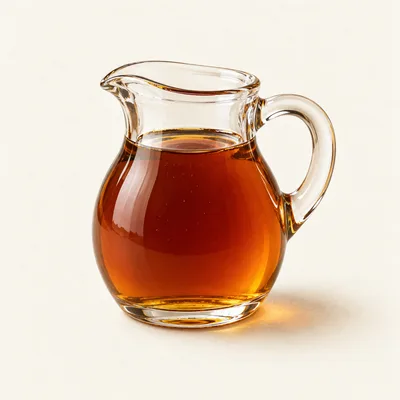 FORESTMaple
A spring harvest with deep Indigenous and Québec traditions
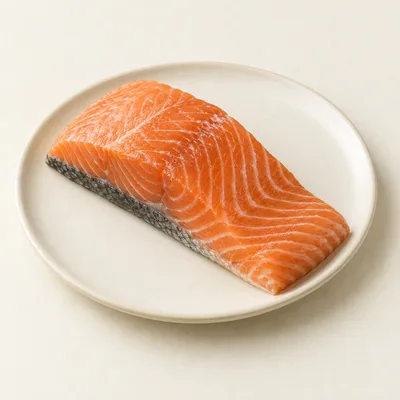 PACIFIC & RIVERSSalmon
Food, livelihood and cultural relation across many communities
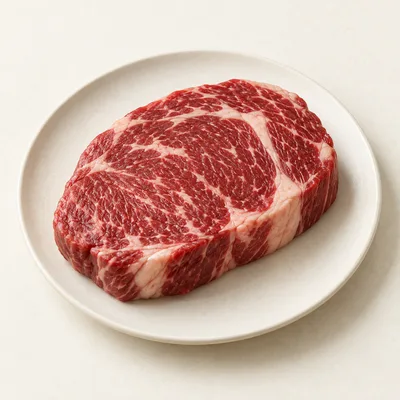 PRAIRIEBeef & bison
Ranching and Indigenous food contexts require different stories
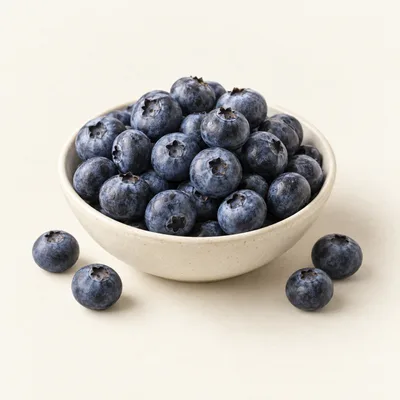 BOREAL FRUITBlueberries
Gathered, farmed and preserved across multiple regions
Seasonality is visible even in globally known products. Maple runs in spring, Niagara grapes freeze for icewine, orchard trails follow harvests and fisheries move by season. A regional food trip is partly a calendar. [8][9]
Local sourcing does not erase cultural origin. A Toronto or Vancouver chef may use Canadian produce in Chinese, Caribbean, South Asian, Filipino or many other culinary traditions. That migration-shaped cooking is part of the country’s contemporary food identity. [8]
Look beyond icons to producers, community businesses and neighbourhoods.
Culinary trails connect the meal to its source. Cheesemaker circuits, orchard and cider routes, farm dinners, fisheries and wine regions show how climate and production shape a menu. They often provide more regional detail than a national-themed restaurant. [8][9]
Seek Indigenous-led experiences on their own terms. Destination Canada highlights Indigenous chefs and businesses whose food expresses distinct nations and territories. Learn who is telling the story, which community it belongs to and how ingredients were obtained. [8][10]
Food-culture sources checked .
Pies, pastries and puddings
French-Canadian and Atlantic examples include tourtière, cipaille, Acadian meat pie, sugar pie, maple syrup pie, blueberry tart and toutons. Recorded recipes commonly use wheat flour, with butter frequent in pastry or filling; some use egg. Ask whether the crust, glaze, filling and accompanying sauce are made separately, and whether flour, butter or egg is present throughout.
Gravy, potatoes and fried foods
Poutine combines chips, cheese curds and gravy, while pâté chinois uses a mashed-potato layer and Quebec hot chicken uses bread with gravy. Recorded connections point to milk or butter in some potato, bread or gravy components and wheat flour in many gravies. Ask about the exact gravy, fryer oil, shared utensils and whether toppings are added after cooking.
Atlantic fish and seafood
Fish cakes, fish and brewis, salt-cod tongues, cod au gratin and regional seafood chowders show different combinations of finfish, bread, dairy, flour and stock. Chowders may include cream, butter, celery and seafood stock; some versions include lobster, crab or shrimp. Ask which seafood is present, whether stock is mixed, and how thickening and garnish are prepared.
Breads, sandwiches and regional variation
Montreal smoked meat is traditionally served on rye bread, while Montreal-style bagels use wheat dough and may have sesame toppings. Halifax donairs are served in pitas with onions, tomatoes and a sweet condensed-milk sauce. Ask about the exact bread blend, toppings, sauce, spreads and preparation surface; rye bread is not automatically free from wheat.
Ingredients worth recognising
Start with these ingredients, then follow their names and recorded food connections. Check the recipe and product actually used.
Wheat flour
Recorded in pastry, dumplings, breads, bagels, coatings and gravy thickening for dishes such as tourtière, blueberry grunt, poutine and salt-cod tongues. It is intrinsically wheat; ask about flour in sauces, binders and shared preparation areas.
Butter
Butter appears in some recorded pies, pastries, chowders, poutine-related dishes and fried doughs. It is derived from cow's milk. Ask whether butter is in the dough, filling, sauce, frying process or finishing, rather than only on the side.
Lobster
Lobster is recorded in lobster rolls and as a possible component of some seafood chowders. It is a crustacean. Ask whether the dish contains lobster or other shellfish, whether stock is shared, and whether preparation uses common tongs, pans or serving utensils.
Celery
Celery is recorded in some lobster-roll fillings and as an aromatic in seafood chowders, chicken stock and some beef or chicken gravies. Ask about fresh celery, mirepoix-style bases, stock and prepared sauces, including components not listed in the dish name.
Mustard Paste
Mustard paste is recorded in some baked-bean recipes and is intrinsically mustard or mustard-derived material. Ask whether mustard is stirred into the beans, glaze or seasoning, and check condiments separately rather than assuming a plain-looking portion has none.
Sesame Seed
Sesame is a common topping on some Montreal-style bagels and can occur on bread used elsewhere. Ask whether the bread or topping contains sesame, whether seeds are added after cooking, and whether the same board, tray or tongs handle other breads.
How food labelling works
Canadian prepackaged-food labels identify priority allergens and gluten sources using their source names. Check the ingredients and any Contains statement; the separate statement is not the only place the information may appear.
The priority list includes mustard and sesame, alongside milk, eggs, peanuts, tree nuts, soy, fish, crustaceans and molluscs. Gluten sources and sulphites have specific declaration rules. Celery and lupin are not on that priority list, so check the full ingredient statement for your own needs.
A May contain warning concerns possible unintended presence. This packaged-food information does not describe an individual restaurant’s ingredients or equipment.
Language and communication
English and French are Canada’s federal official languages, but provincial and regional use differs. Prepare a written explanation in English and French, naming your ingredients and the need to confirm the complete recipe, stock, sauce and preparation equipment. Ask staff to read back the relevant components rather than relying on a dish name.
In Quebec, French is the main language; English is dominant in most other regions, while French-speaking communities occur elsewhere. In Nunavut, Inuktitut is dominant and actively promoted. Regional variation matters, so carry written wording suited to your destination and request confirmation in the language used locally. Names are recognition aids, not a complete allergy request.
Eating in different settings
Poutine counter or chip shop
Ask what thickens the gravy and whether it contains wheat flour, milk or cream, then check the cheese curds separately. Ask whether chips share oil with coated foods and whether clean utensils and a fresh portion can be used.
Bakery or café
For Montreal-style bagels, oatcakes, toutons or sweet pies, ask for the complete dough, pastry, glaze and fillings. Confirm wheat, milk, egg and sesame, then ask whether slicing boards, trays, tongs and toppings are shared.
Restaurant or shared meal
With tourtière, hot chicken, pâté chinois or chowder, ask about every stock, gravy, binder, garnish and bread component. Confirm the specific recipe and whether preparation uses shared pans, oil, water, utensils or cooking surfaces.
Grocery or packaged-food shop
Read the full ingredient list and any Contains statement on breads, breadcrumbs, gravy, mustard, raisins or maple desserts. Check for source names, gluten sources, sulphites and May contain wording; do not use package information to judge restaurant food.
Before you travel
Review your personal plan
Discuss your travel plans with your clinician and keep your prescribed medicines and emergency instructions accessible. Tell companions where these are and how to follow your plan.
Check your medicines before entering Canada
Medicines prescribed or bought in the UK may have different legal status and regulation in Canada. TravelHealthPro explains best practice when travelling with medicines. Before travel, ask the relevant Canadian authority what import and documentation requirements apply to your medicines.
Make the first meals easier to organise
Contact your accommodation and transport providers in advance. Save your written food list, menu questions and destination address offline. Check entry restrictions before packing backup food, and plan how you will check meals during arrival and onward journeys.
Plan access to medical help
Medical treatment in Canada can be very expensive and there are no special arrangements for British visitors. Dual British-Canadian citizens may still pay if they do not meet provincial residency requirements. Check eligibility and costs with the relevant province or territory health ministry and your insurer; confirm care arrangements before travel.
Emergency resources
For a suspected severe allergic reaction, follow your prescribed emergency plan and seek urgent medical help. Give your exact location clearly.
Ambulance and urgent medical help
Dial 911 and ask for an ambulance.
Explore next
Your allergy in Canada
Choose a food concern for the country notes and questions relevant to it.
Dishes in Canada
Follow the ingredients and cuisine connections in individual dish records.
Your own food list
Combine allergy groups and individual ingredients in one guide, with local names where recorded.
Allergy cards
Prepare the information you need to explain your food requirements.
FAQs, sources and review dates
Could poutine be suitable if the chips and curds seem simple?
Not necessarily. The recorded dish connection identifies cheese curds and commonly wheat-thickened gravy. Ask what is in the gravy, including stock and dairy, whether chips share oil, and whether curds or sauce are added with clean utensils.
Is rye bread the same as wheat-free bread?
No. Rye is the defining grain, but many rye-bread formulations also include wheat flour, and this is not universal. Ask to see the complete bread recipe or label, including toppings, spreads and any bread used for a sandwich.
What about an ingredient outside common allergy groups, such as celery?
Ask about celery directly and in less visible forms: chowder base, chicken stock, beef broth, gravy, lobster filling or a vegetable aromatic. A dish may not name celery, so confirm the complete recipe and prepared components with staff.
Sources checked: . This researched draft is awaiting editorial review. Practical questions apply the sources below to local food settings; they do not confirm any individual meal's ingredients or preparation.
Sources & references (10)
- FCDO · Canada health and medical assistance
Emergency contact details, local healthcare and medicine guidance. UK-specific eligibility does not apply to every visitor.
- Wikivoyage contributors · Canada
Community-edited culinary context only; not an allergy or medical authority. Brief food-context adaptations, CC BY-SA 4.0: https://creativecommons.org/licenses/by-sa/4.0/. Recipe questions also use PlateSafe’s draft records.
- FARE · Dining out
General recipe and preparation questions, applied here to country-specific food examples.
- FARE · Travelling with food allergies
General preparation, written communication and access to prescribed medicines. Not country-specific import permission.
- PlateSafe · Canada recorded food connections
Existing draft dish and ingredient records, used as examples to investigate. These are not independently verified recipes or suitability assessments.
- Unicode CLDR · Territory language data
Language suggestions. Regional language needs must be confirmed with the particular food provider.
- CFIA · Food allergies and allergen labelling
Scoped allergen-labelling summary. Does not establish an individual meal’s ingredients or preparation.
- Destination Canada — Culinary hub
- Destination Canada — Authentic flavours across Canada
- Destination Canada Media Centre — Culinary experiences