

BEFORE YOUR FIRST MEAL
Navigating food allergies in Central African Republic
Food choices vary across the Central African Republic, with particularly varied options reported in Bangui, including local, French, Lebanese and Chinese cooking. Local markets and street sellers may offer different ingredients from supermarkets, while French bakeries are visible in central Bangui. Because recipes can vary, ask about the complete dish rather than relying on its name.
What to know first
Peanut can be central to a dish
Groundnut stew uses ground peanuts as its thickening and sauce base; peanut also appears in Kanda, Saka Saka and some Moambe Chicken preparations.
Fish appears in several forms
Maboke uses fish as its principal protein, while palm-butter stew, Saka Saka and smoked fish stew may also contain fish.
Explain the whole recipe
Ask whether peanut, fish, stock, sauce, toppings or oil is included, and whether the same spoon, pan, water or cooking surface is used.
Preparation can change the recipe
For maboke, ask what is inside the parcel before steaming; for stews, ask about added peanut paste, fish, seasoning and the order of preparation.
Read every packaged ingredient list
Read the complete ingredients and allergen information on the actual product. If you avoid a food that is not highlighted, ask the producer or food provider to check it specifically.
Understanding the food
Gozo or cassava sticks carry leafy, meat and groundnut sauces; river fish and grilled meats broaden the plate; bananas, plantain, maize, sesame and gathered forest foods reflect very different ecological zones. Bangui brings these repertoires into one urban market economy.
Forest, river and savanna foods meet around a cassava staple.
| Area or setting | Food landscape | Examples to explore |
|---|---|---|
| Bangui & Ubangi River | Urban markets, river fish and national dishes | Gozo, grilled capitaine, kanda, chouia and leafy sauces |
| Southern forest zone | Cassava, plantain, forest leaves and gathered foods | Leaf stews, mushrooms, fish and seasonal forest products |
| Central savannas | Cassava, maize, groundnuts and livestock | Gozo with meat or vegetable sauces and grilled foods |
| Northern grasslands | Millet, sorghum, cattle and cross-Sahel exchange | Grain porridges, meat, milk products and dried ingredients |
The official national culture page describes food through combinations. Ngoudja is eaten with gozo or cassava sticks; grilled capitaine, kanda, cassava-leaf dishes, koko with meat and chouia all pair a prepared protein or sauce with a staple. [7]
Cassava is both resilience crop and daily structure. FAO identifies the Central African Republic as a major cassava-producing country. Roots become flour, paste and sticks, while properly processed leaves enter stews and sauces. [8]
The visible starch is mild; the sauce carries the identity.
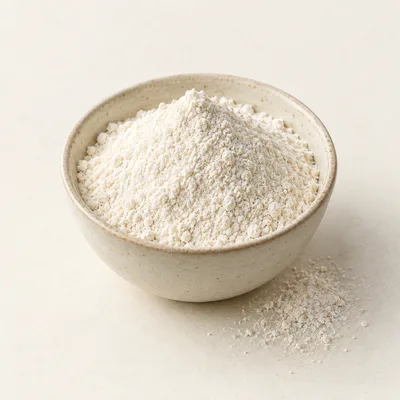 STAPLECassava flour
Cooked into gozo to accompany sauces
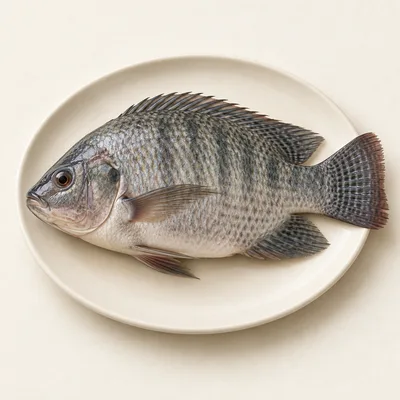 RIVER FOODFreshwater fish
Grilled over wood or cooked into sauces
Pounded to thicken and enrich vegetable or meat sauces
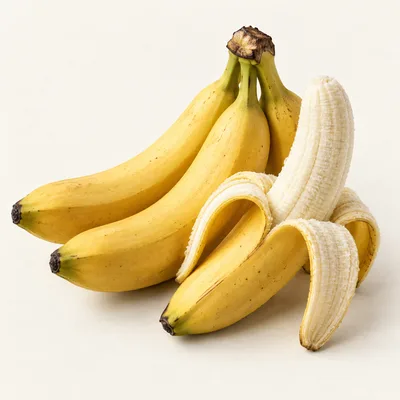 FRUIT & STARCHBanana
Eaten fresh, fried or made into fritters
Gozo is intended to be eaten with something concentrated. The cassava paste supplies a neutral, cohesive base for leafy, groundnut, fish or meat sauces. Identifying only the staple misses most of the flavour information. [7][8]
Forest knowledge expands the pantry beyond cultivated crops. Baka and other forest communities hold detailed knowledge of wild plants, animals and seasonal gathering. Those foodways are community knowledge, not a generic “bush food” category. [9]
Bangui’s markets and grills are the clearest public introduction.
Look for the complete plate rather than a named protein alone. A grilled fish or meat gains context from gozo, cassava sticks, greens, chilli and sauce. Market and neighbourhood kitchens often show these relationships more clearly than hotel menus. [7]
Regional ingredients may not be available every day. River catches, gathered leaves, mushrooms and forest products follow location and season. Ask what came from the market or river that day rather than expecting a static national menu. [7][9]
Food-culture sources checked .
Groundnut-based stews and mixtures
Ground peanuts may occur in Groundnut Stew, Kanda and Saka Saka, while some regional Moambe Chicken preparations use peanut butter in the sauce. Ask whether the peanut is ground, a paste or butter, and whether it is mixed into the whole pot or added separately. Do not assume a stew without a visible garnish is peanut-free.
Fish, smoked fish and wrapped cooking
Maboke is associated with fish as its principal protein and is wrapped and steamed. Smoked Fish Stew is defined by smoked fish, while fish may be added to Palm Butter Stew or Saka Saka. Ask whether the fish is fresh or smoked, whether stock contains fish, and whether the parcel or stew shares utensils with other food.
Markets, bakeries and varied city food
Food in Bangui includes local, French, Lebanese and Chinese options, with French bakeries in the downtown centre. You will also find supermarkets, local markets and street sellers. At any counter, ask what is in the finished item, including fillings, sauces and oil, rather than treating the cuisine, stall or display category as a recipe.
Ingredients worth recognising
Start with these ingredients, then follow their names and recorded food connections. Check the recipe and product actually used.
Peanut
Peanut may be ground into Groundnut Stew or Kanda, or incorporated into Saka Saka. Ask whether it is present in the dish, sauce or cooking mixture, and whether the same grinder, spoon or pan is used for other foods.
Peanut Butter
Peanut butter is recorded in some regional Moambe Chicken sauces. Ask whether the sauce contains peanut butter, whether it is added during cooking or at serving, and what stock or seasoning is combined with it.
Peanut Paste
Peanut paste is a recorded enrichment for Saka Saka and may be relevant when asking about a thickened vegetable preparation. Confirm whether it is stirred into the pot, added as a topping, or used in another sauce.
Fish
Fish is the principal protein recorded for maboke and may be used in Palm Butter Stew or added to Saka Saka. Ask which fish is used, whether fish stock is included, and whether shared utensils contact it.
Smoked Fish
Smoked fish is the defining protein in Smoked Fish Stew. Ask whether the stew also contains fresh fish, fish stock or other added ingredients, and whether smoked fish is prepared with the same knife or cooking vessel as other dishes.
Vegetable Oil
Vegetable oil may be used, but its source is unspecified. Ask which oil is used, whether it is reused, and whether the same oil or frying vessel is used for several foods at a market or counter.
How food labelling works
A current, country-specific allergen-labelling summary for Central African Republic has not yet been verified for this guide. Do not transfer the list of regulated allergens or restaurant disclosure rules from your home country to this one.
Read the complete ingredients on the actual package and keep any local-language sticker with the original label. For imported products, compare the information on that pack rather than a photograph of the brand sold elsewhere. Ask the manufacturer or seller to clarify an unfamiliar term.
For loose food or meals prepared to order, ask who can check the recipe and the labels on bought-in ingredients. Explain every food you avoid, including ingredients outside familiar allergy groups; a short symbol chart may not cover your list.
Language and communication
French is the official language, including Central African French, while Sängö is widely used as a lingua franca. Prepare a written explanation in French and Sängö, naming the ingredient and the full dish you need checked.
Regional language use can vary, so ask the person serving you to confirm the recipe and repeat the answer if necessary. French and Sängö names are recognition aids, not a complete allergy request; show your written explanation and verify each response.
Eating in different settings
Local market or street seller
Point to the exact prepared food and ask what is in the complete recipe, especially peanut, fish, smoked fish and vegetable oil. Ask whether the seller uses the same spoon, knife, pan or oil for several foods, and whether a fresh portion can be prepared separately.
French bakery in central Bangui
For a filled or savoury baked item, ask about the dough, filling, glaze, sauce and toppings rather than relying on its appearance. Ask whether peanut or fish is present and whether the item shares trays, tongs or preparation surfaces with other products.
Restaurant serving local dishes
When ordering Groundnut Stew, Kanda, Saka Saka, Moambe Chicken or Palm Butter Stew, ask about the sauce base, stock, added protein and finishing ingredients. Confirm whether peanut butter or paste is used and whether fish is added to the pot.
Packaged-food shop or supermarket
Read the complete ingredient list before buying, then ask the shopkeeper to identify unfamiliar ingredients. For products containing vegetable oil or prepared sauces, check the stated oil and whether the food includes peanut, fish or smoked fish.
Before you travel
Review your personal plan
Discuss your travel plans with your clinician and keep your prescribed medicines and emergency instructions accessible. Tell companions where these are and how to follow your plan.
Check your medicines before entering Central African Republic
The legal status and regulation of medicines prescribed or bought in the UK may differ in the Central African Republic. Before travel, ask the relevant Central African authority what rules apply to bringing your medicines, and review TravelHealthPro guidance. Ask your prescriber or pharmacist whether you need any supporting documentation.
Make the first meals easier to organise
Contact your accommodation and transport providers in advance. Save your written food list, menu questions and destination address offline. Check entry restrictions before packing backup food, and plan how you will check meals during arrival and onward journeys.
Plan access to medical help
The official source describes very few healthcare facilities, with very basic facilities in Bangui, and says strikes have affected services and hospitals. Arrange adequate travel health insurance and accessible funds for treatment abroad and repatriation, including medical evacuation by air ambulance. Check the FCDO provider list and ask your insurer whether your policy covers treatment, repatriation and air-ambulance evacuation in the Central African Republic.
Emergency resources
For a suspected severe allergic reaction, follow your prescribed emergency plan and seek urgent medical help. Give your exact location clearly.
Ambulance and urgent medical help
Ambulance contacts are 610600 and 117. These lines can be unreliable, and response outside Bangui is unlikely. Establish local medical arrangements in advance.
Explore next
Your allergy in Central African Republic
Choose a food concern for the country notes and questions relevant to it.
Dishes in Central African Republic
Follow the ingredients and cuisine connections in individual dish records.
Your own food list
Combine allergy groups and individual ingredients in one guide, with local names where recorded.
Allergy cards
Prepare the information you need to explain your food requirements.
FAQs, sources and review dates
Could Saka Saka contain both peanut and fish?
Saka Saka may be made with peanut paste, and fish may be added as an optional protein. Ask separately about the paste, the fish, stock and toppings. Confirm whether the same pot or serving utensil has been used for another preparation.
Is smoked fish the same as fresh fish for checking a dish?
Both are fish ingredients, but the preparation matters. Smoked Fish Stew is associated with smoked fish, while maboke uses fish and some other stews may use fish. Ask whether the fish is smoked, fresh or in stock, and how it was handled.
What about coconut or pine nuts in a dish?
Neither appears in the Central African Republic food examples. Do not infer their presence or absence from a dish name. If either is important to your question, ask the cook to check the complete recipe, sauce, topping and any packaged ingredient.
Sources checked: . This researched draft is awaiting editorial review. Practical questions apply the sources below to local food settings; they do not confirm any individual meal's ingredients or preparation.
Sources & references (9)
- FCDO · Central African Republic health and medical assistance
Emergency contact details, local healthcare and medicine guidance. UK-specific eligibility does not apply to every visitor.
- Wikivoyage contributors · Central African Republic
Community-edited culinary context only; not an allergy or medical authority. Brief food-context adaptations, CC BY-SA 4.0: https://creativecommons.org/licenses/by-sa/4.0/. Recipe questions also use PlateSafe’s draft records.
- FARE · Dining out
General recipe and preparation questions, applied here to country-specific food examples.
- FARE · Travelling with food allergies
General preparation, written communication and access to prescribed medicines. Not country-specific import permission.
- PlateSafe · Central African Republic recorded food connections
Existing draft dish and ingredient records, used as examples to investigate. These are not independently verified recipes or suitability assessments.
- Unicode CLDR · Territory language data
Language suggestions. Regional language needs must be confirmed with the particular food provider.
- Presidency of the Central African Republic — Culture and cuisine
- FAO — Importance of cassava in Central Africa
- UNESCO — Forest communities and gathered food knowledge in Central Africa