

BEFORE YOUR FIRST MEAL
Navigating food allergies in China
China’s food varies sharply by region and by kitchen. Rice, wheat noodles, tofu, fish, pork, vegetables and layered sauces appear in many forms, while shared dishes and freshly cooked wok meals can involve several utensils, stocks or finishing sauces. A dish name is only a starting point: confirm the complete recipe, cooking surface, oil, broth, toppings and condiments before ordering.
What to know first
Regional cooking changes the recipe
Cantonese quick stir-fries, Fujian seafood soups, Sichuan chilli dishes and Shandong fried foods may use different sauces, coatings, stocks and garnishes.
Staples are not interchangeable
Rice, rice noodles and wheat noodles differ: dan dan noodles, wonton noodles and Sichuan beef noodles are recorded with wheat, while rice-based dishes still need recipe checks.
Explain the whole requirement
Ask whether the named dish, marinade, stock, dipping sauce, topping and cooking oil contain your concern, and whether the same wok, pan, water or utensils are shared.
Separate components before cooking
For shared meals, request an untouched portion before sauce or garnish is added, and ask whether fillings, batter, broth and finishing oil were prepared separately.
Read current packaged labels
China’s revised GB 7718-2025 format is scheduled for 16 March 2027; before then, read complete Chinese ingredients and ask about unfamiliar compound sauces.
Understanding the food
The familiar “eight cuisines” are only a broad map. Provincial traditions, city schools, Muslim and Buddhist foodways, minority cuisines, market snacks, household cooking and banquet culture create hundreds of local systems shaped by climate, grain, water, trade and technique.
Use culinary regions as an entry point, not a complete taxonomy.
| Region or tradition | Recurring character | Examples to explore |
|---|---|---|
| North & Shandong | Wheat foods, clear broths, seafood, scallion and garlic | Dumplings, noodles, steamed breads and Lu cuisine |
| Lower Yangtze | Rice, river foods, careful knife work and subtle seasoning | Jiangsu, Zhejiang, Shanghai and Huaiyang traditions |
| Sichuan & Hunan | Layered heat, fermentation and strong regional aromatics | Mapo tofu, hotpot, pickles and Xiang chilli dishes |
| South & southeast coast | Freshness, seafood, rice and precise textures | Cantonese dim sum, Shunde cooking and Fujian soups |
Even the eight-cuisine model is deliberately approximate. China Culture describes Shandong, Sichuan, Guangdong, Fujian, Jiangsu, Zhejiang, Hunan and Anhui as widely recognised traditions, then notes many other important local cuisines. [8]
A provincial map is more useful than the word “Chinese”. A China Cuisine Association classification expands the framework to every provincial-level jurisdiction because ingredients and genres do not fit cleanly inside eight labels. [9]
Technique changes the meaning of the same ingredient.
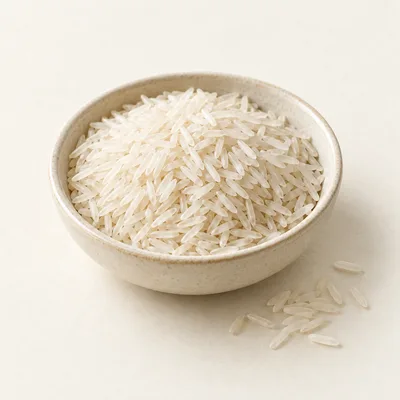 SOUTHERN STAPLERice
Steamed grain, congee, noodles, cakes and fermented foods
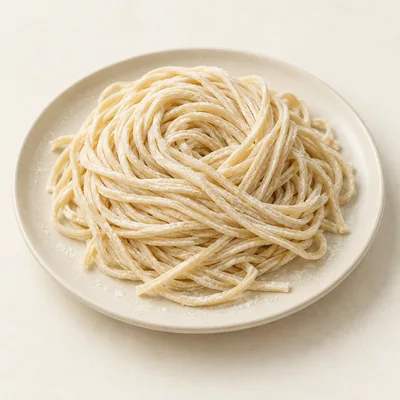 NORTHERN STAPLEWheat noodles
Pulled, cut, shaved or rolled in many regional forms
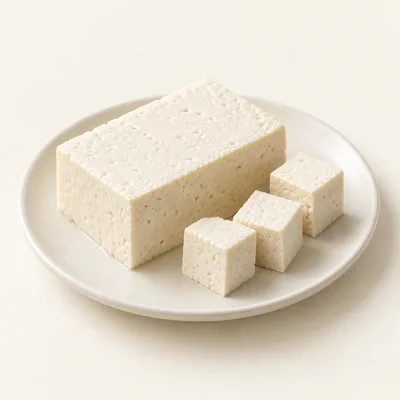 SOY FOODTofu
Fresh, pressed, fried, frozen or fermented
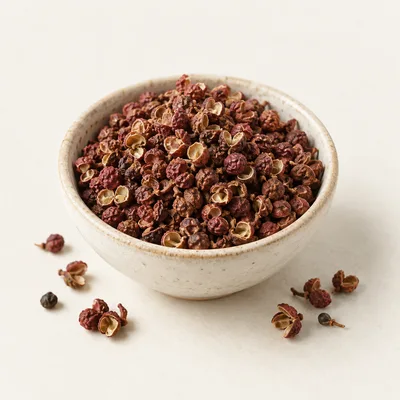 SICHUAN AROMATICSichuan pepper
Citrusy numbing sensation combined with other flavours
Texture is a primary design tool. Shunde’s Cantonese tradition is praised for results described as fresh, crisp, tender and smooth, while other regions emphasise braising, smoking, fermenting, roasting, steaming or knife-cut forms. [10][8]
Heat is not one-dimensional. Sichuan cooking combines chilli with Sichuan pepper, garlic, ginger and fermented beans; Hunan traditions use chilli differently. Ordering only by a generic “spicy” scale erases those structures. [8]
Choose restaurants by place, speciality and format.
A city can contain many complete culinary worlds. Beijing, Shanghai, Guangzhou, Chengdu and other large cities host local traditions alongside regional restaurants from across the country. Read the province or city on the sign and menu. [9][11]
Meal format changes what to expect. Breakfast stalls, noodle shops, dim sum houses, hotpot restaurants, Muslim eateries, vegetarian temple cooking and formal banquets organise ordering and sharing differently. The venue type is part of the food knowledge. [8][10][11]
Food-culture sources checked .
Rice, noodles and wrappers
Southern meals commonly centre on rice, including plain rice, fried rice and congee. China also has rice noodles and wheat noodles: Sichuan beef noodles, dan dan noodles and wonton noodles are recorded with wheat. Dumplings, buns, flatbreads and pastries likewise need checking; boiled dumplings, baked pork buns and soup dumplings use wheat wrappers or dough. Ask whether noodles, wrappers, stock and toppings were made separately.
Wok, steam and braising
Quick stir-frying, steaming and braising create different points to check. Cantonese fried rice may include fish or crustaceans and soy sauce; Fujian steamed fish may receive a soy-based finishing sauce; braised carp, pork belly and chicken commonly use soy sauce. Ask about the complete marinade or braising liquid, not simply the meat, fish or vegetable named on the menu.
Shared dishes and hot pots
Traditional meals may be served family-style, so a dish placed on a shared table is not an individual recipe. Sichuan hot pot can offer crustaceans, tofu, soy-based ingredients and sesame-containing dipping sauces. Chuanchuan xiang may similarly involve skewers, tofu, crustaceans and dipping sauces. Ask for separate serving utensils and whether broth, ladles, oil and cooking water are shared.
Regional and recipe variation
Cantonese dim sum includes siu mai, har gow and rice noodle rolls, with recorded wheat, shrimp, sesame or soy connections varying by item. Fujian fried rice may include egg, fish, prawns and soy sauce, while Sichuan dishes may use peanuts, sesame paste or doubanjiang. Treat each preparation as conditional: confirm fillings, sauce, garnish and cooking method at that venue.
Ingredients worth recognising
Start with these ingredients, then follow their names and recorded food connections. Check the recipe and product actually used.
Wheat flour
Wheat flour appears in baked pork buns, boiled dumplings, dan dan noodles, flatbreads, pastries and many wrappers. Ask whether the dough, coating, thickener, noodles or shared fryer contains wheat, and distinguish wheat from gluten when explaining your requirement.
Soy Sauce
Soy sauce seasons braises, marinades, noodle dressings, fried rice and dipping sauces, including mapo tofu and soy sauce chicken. It is made from soybeans, while some formulations contain wheat. Ask for the exact sauce and every compound seasoning used.
Peanut
Peanut may be a defining ingredient in Kung Pao chicken and Xiamen peanut noodles, or a garnish in other Sichuan dishes. Ask whether crushed peanut, peanut paste, oil or a topping is added after cooking, and whether preparation surfaces are shared.
Egg
Egg appears in fried rice, omelettes, custards, coatings and some noodle or dumpling preparations. Possible versions include Fujian fried rice, egg tart and shrimp with scrambled eggs. Ask about batter, egg wash, binding, garnish and shared pans or cooking oil.
Cow Milk
Cow milk is recorded in double-skin milk, ginger milk curd, crispy fried milk, egg tart and sliced fish in milk broth. Ask whether milk, butter or another dairy ingredient is in the full recipe, coating, custard or broth, rather than relying on the dish name.
Sha Cha Sauce
Sha cha noodles may contain dried fish and, in some formulations, dried shrimp or other crustaceans; some versions also use sesame or soy-derived ingredients. Ask the seller for the sauce’s complete ingredients and whether it is added to the noodles or broth.
How food labelling works
China’s revised prepacked-food standard, GB 7718-2025, is scheduled to take effect on 16 March 2027. It strengthens declarations for eight allergen categories, using emphasis within the ingredients or a nearby allergen notice. As of this guide’s September 2026 check, that implementation date is still ahead.
Do not expect every current pack to display the future format. Read the complete Chinese ingredients and ask the manufacturer or seller about unfamiliar terms, especially compound sauces and seasonings. Check the actual product sold locally rather than a version photographed elsewhere.
A prepacked-food rule does not describe a restaurant’s recipe or preparation. Give the kitchen your complete food list and ask about each sauce, stock, filling and cooking process.
Language and communication
Prepare a written explanation in Standard Mandarin Chinese first, since it is the national language. Include your complete food list and the exact questions you need answered about recipes, sauces, stocks, toppings, utensils and cooking surfaces.
Chinese writing is used across regions, while spoken varieties differ; regional communication may also involve Uyghur, Zhuang, Mongolian, Tibetan or Korean in the relevant context. Show the written explanation to the person preparing the food and request confirmation of the particular dish and venue.
Eating in different settings
Street-food or skewer counter
For chuanchuan xiang, kebabs or another busy counter, ask whether the broth, dipping sauce and sesame garnish contain your concern. Ask whether tofu, crustaceans and other skewers share the same broth, oil, tongs or cooking water, and request a freshly prepared portion only after the ingredients are confirmed.
Dim sum or noodle shop
At a Cantonese shop, ask about the wrapper, filling, stock and finishing sauce in siu mai, har gow, rice noodle rolls or wonton noodles. Confirm shrimp, wheat, egg, sesame and soy separately, then ask whether steaming baskets, boiling water and serving utensils are shared.
Regional restaurant with shared dishes
For mapo tofu, Kung Pao chicken, Fujian fried rice or steamed fish, ask for the full recipe, including doubanjiang, soy sauce, stock, garnish and finishing oil. Request separate serving utensils and clarify whether the kitchen can cook an unseasoned portion in a clean pan.
Bakery or packaged-food shop
For pineapple buns, egg tarts, mooncakes or filled buns, ask about wheat flour, egg, milk, butter, sesame and the filling. On a packaged item, read the complete Chinese ingredient list and check unfamiliar compound sauces or seasonings with the seller or manufacturer; do not rely on a photograph of another pack.
Before you travel
Review your personal plan
Discuss your travel plans with your clinician and keep your prescribed medicines and emergency instructions accessible. Tell companions where these are and how to follow your plan.
Check your medicines before entering China
Medicine rules in China can differ from the UK, and some prescribed medicines may be unavailable or not permitted. Bring enough prescribed medicine or check access to a supply; before travel, confirm the position with your GP and the Chinese Embassy. Ask what documentation or supply arrangements may apply.
Make the first meals easier to organise
Contact your accommodation and transport providers in advance. Save your written food list, menu questions and destination address offline. Check entry restrictions before packing backup food, and plan how you will check meals during arrival and onward journeys.
Plan access to medical help
Healthcare in China is not free and may be expensive. Check that travel and medical insurance covers healthcare, medical evacuation and repatriation, and ask the insurer what providers, treatments and locations are covered. If needed, consult the official list of doctors and facilities and ask about arrangements relevant to your journey.
Emergency resources
For a suspected severe allergic reaction, follow your prescribed emergency plan and seek urgent medical help. Give your exact location clearly.
Ambulance and urgent medical help
Call 120 and ask for an ambulance.
Explore next
Your allergy in China
Choose a food concern for the country notes and questions relevant to it.
Dishes in China
Follow the ingredients and cuisine connections in individual dish records.
Your own food list
Combine allergy groups and individual ingredients in one guide, with local names where recorded.
Allergy cards
Prepare the information you need to explain your food requirements.
FAQs, sources and review dates
Does rice mean a dish is free from wheat?
No. Plain rice is different from a seasoned dish. Fried rice, claypot rice and rice noodle rolls may receive soy sauce, fillings or toppings, while mixed meals may share utensils. Ask about the complete recipe, stock, sauce, garnish and cooking surface, and check whether wheat-containing soy sauce is used.
What should I ask about fish maw?
Fish maw is the dried swim bladder of a fish and appears in fish maw soup and other recorded soups. If you avoid fish, ask whether the broth, garnish and mixed seafood contain fish or fish-derived ingredients. Also ask whether shrimp or other crustaceans were added to the same soup.
Can tofu or a vegetable dish be assumed suitable?
No. Tofu is made from soybeans, and vegetable or tofu dishes may receive soy sauce, oyster sauce, sesame-containing sauce, dried shrimp or minced pork. Ask for every sauce, stock, topping and oil, including whether the tofu was fried or cooked in shared equipment.
Sources checked: . This researched draft is awaiting editorial review. Practical questions apply the sources below to local food settings; they do not confirm any individual meal's ingredients or preparation.
Sources & references (11)
- FCDO · China health and medical assistance
Emergency contact details, local healthcare and medicine guidance. UK-specific eligibility does not apply to every visitor.
- Wikivoyage contributors · China
Community-edited culinary context only; not an allergy or medical authority. Brief food-context adaptations, CC BY-SA 4.0: https://creativecommons.org/licenses/by-sa/4.0/. Recipe questions also use PlateSafe’s draft records.
- FARE · Dining out
General recipe and preparation questions, applied here to country-specific food examples.
- FARE · Travelling with food allergies
General preparation, written communication and access to prescribed medicines. Not country-specific import permission.
- PlateSafe · China recorded food connections
Existing draft dish and ingredient records, used as examples to investigate. These are not independently verified recipes or suitability assessments.
- Unicode CLDR · Territory language data
Language suggestions. Regional language needs must be confirmed with the particular food provider.
- Beijing Market Regulation Administration · GB 7718-2025 label transition
Scoped allergen-labelling summary. Does not establish an individual meal’s ingredients or preparation.
- China Culture — Eight traditional Chinese cuisines
- China Culture — Classifying Chinese cuisine beyond eight traditions
- UNESCO Creative Cities — Shunde gastronomy
- UNESCO — Chengdu gastronomy and restaurant culture