
BEFORE YOUR FIRST MEAL
Navigating food allergies in Colombia
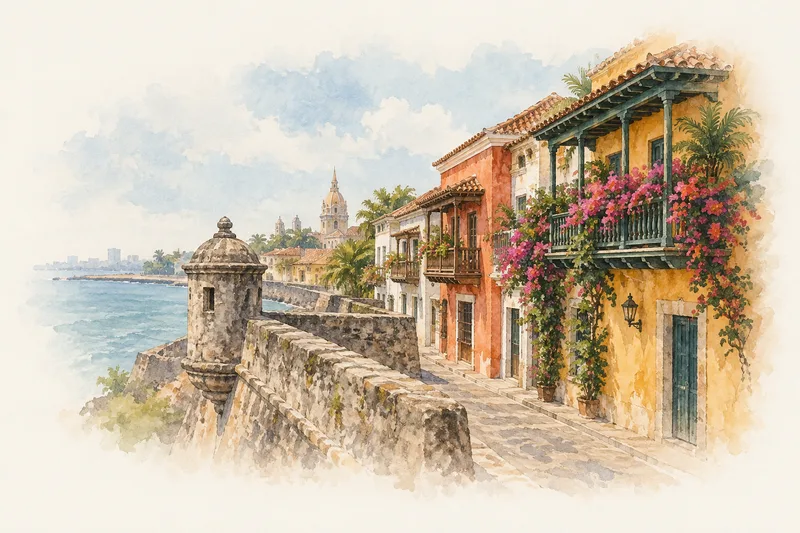
Colombian meals often combine a main protein with rice, potatoes, avocado, soup or salad, while coastal cooking may flavour rice with coconut. Regional recipes can change substantially: empanadas, tamales, sancochos and arepas are not single fixed preparations. This guide helps you ask about complete recipes, accompaniments, frying practices and packaged ingredients without treating a familiar dish name as a guarantee.
What to know first
Recipes vary by region
Sancocho appears across Colombia but may use chicken inland or fish on the coast. Ask which protein, stock, vegetables and finishing ingredients are used today.
Breakfast can combine several concerns
Changua has a milk broth and poached egg, while arepas may come with cheese or butter. Ask about the dough, fillings, toppings and cooking surface.
Explain the whole requirement
Give a written Spanish explanation naming the ingredient to avoid and the consequences of exposure, then ask staff to confirm every component, sauce, stock and garnish.
Check preparation as well as ingredients
For fried foods such as carimañola or coastal fried fish, ask what flour or coating is used and whether the same oil, utensils or fryer handle other foods.
Read complete ingredient lists
For packaged bread, sausage, raisins or stock, check the full ingredient list rather than relying on a product name. No national labelling rule is established here.
Understanding the food
Three Andean ranges, two oceans, Caribbean islands, Pacific rainforest, eastern plains and Amazon rivers create strongly regional cuisines. Potato soups, corn cakes, coconut seafood rice, llanero fire cooking and cassava traditions are Colombian in different, place-specific ways.
The six natural regions are also six broad food maps.
| Region | Food landscape | Examples to explore |
|---|---|---|
| Caribbean & islands | Coconut, fish, maize, plantain and Afro-Caribbean exchange | Sancocho, arepa de huevo, cayeye and coconut rice |
| Andes | Altitude, potatoes, maize, beans, livestock and city traditions | Ajiaco, bandeja paisa, tamales and regional arepas |
| Pacific | Rainforest, Afro-Colombian knowledge and seafood | Fish in coconut milk, crab rice, seafood soups and herbs |
| Orinoquía & Amazon | Cattle plains, great rivers, cassava and Indigenous foods | Mamona, river fish, casabe and moqueado fish |
Colombia’s tourism authority starts with region, not a national shortlist. It divides the country among Caribbean, Pacific, Andean, Orinoquía, Amazon and insular landscapes whose climate, communities and ingredients produce different food cultures. [8][10]
Indigenous, Afro-Colombian, European and migrant histories are unevenly layered. Pacific and Caribbean cooking foreground Afro-descendant knowledge and coastal ingredients; Amazonian cassava and fish preparations remain tied to Indigenous communities; Andean cities add their own colonial and modern repertoires. [10]
A familiar staple changes identity from coast to mountain.
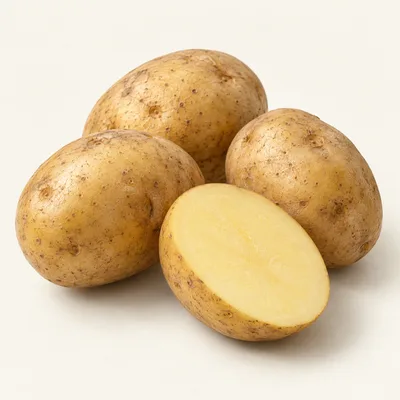 ANDEAN TUBERPotato
Multiple varieties in ajiaco, stews and highland sides
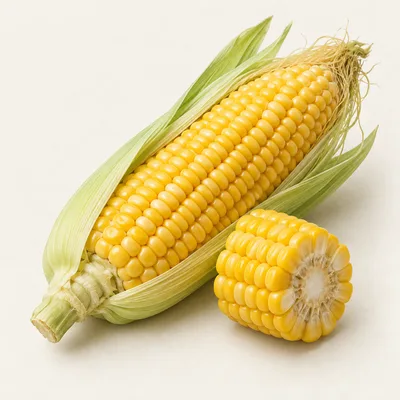 GRAINMaize
Arepas, tamales, soups, drinks and regional doughs
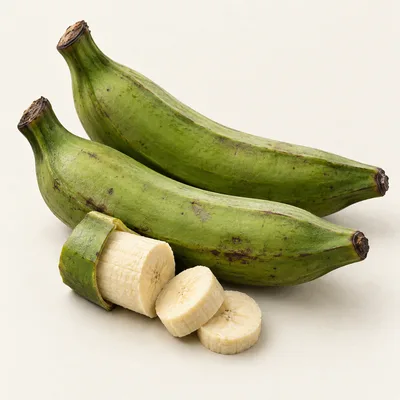 TROPICAL STARCHPlantain
Fried, mashed, boiled or added to soups
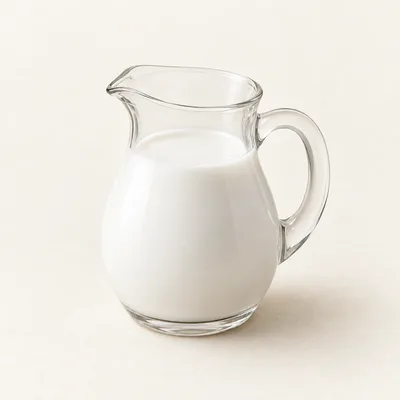 COASTAL RICHNESSCoconut milk
Rice, seafood and sauces on Caribbean and Pacific coasts
Ajiaco depends on potato diversity and altitude. Bogotá’s soup uses several potatoes with chicken, maize and guascas; it belongs to the cool eastern Andes rather than standing for tropical coastal Colombia. [7][9]
Cassava links the Caribbean, plains and Amazon in different forms. It may be boiled beside a coastal meal, grated and baked into Indigenous casabe, or accompany river fish. Technique and community determine the result. [10]
Markets and modest regional restaurants make the map readable.
Order the speciality where it originated when possible. Ajiaco in Bogotá, bandeja paisa in Antioquia, Pacific seafood around Guapi or Buenaventura and llanero barbecue in the eastern plains each carry local ingredients and expectations. [7][9]
A corrientazo or set lunch shows everyday meal structure. Soup, a main plate with rice, beans or plantain, a drink and sometimes dessert reveal the practical daily cuisine beyond large celebration dishes. The exact combination changes by city and region. [7][8]
Food-culture sources checked .
Soups, stocks and finishing ingredients
Soup is common in restaurant and family meals. Changua uses cow milk and a poached egg; ajiaco may be finished with cream and served with rice, avocado, corn and capers. Sancocho has regional versions: chicken is recorded inland, while fish is associated with coastal examples. Ask whether stock, cream, milk, herbs or toppings are added separately, and whether the stated protein is cooked in the same broth.
Corn, wheat and fried preparations
Arepas are thick corn tortillas and may be served with cheese or butter; arepa de huevo has a whole egg filling. Tamales use maize and may contain pork or chicken, vegetables and egg, with regional variation. Pan de bono and almojábana use cheese-based dough, while coastal fried fish may receive a wheat-flour coating. Ask about dough ingredients, binders, coatings and shared oil.
Plates, rice and sweet foods
A bandeja paisa can bring together rice, beans, fried plantain, arepa, fried egg, chorizo and chicharrón, so confirm the full platter rather than ordering by name alone. Coastal rice dishes may feature fish, prawns, crab or clams. Desserts range from milk-rich tres leches and arequipe to fruit-based bocadillo and coconut sweets; ask about cream, condensed milk and recipe-specific binders.
Ingredients worth recognising
Start with these ingredients, then follow their names and recorded food connections. Check the recipe and product actually used.
Bread
Bread may be made with wheat flour, while enriched or specialty versions can include milk or egg; some commercial formulations include soy or sesame. Ask for the complete formulation, toppings and whether the bread shares a toaster, board or serving knife.
Butter
Butter is a milk-derived ingredient and appears with arepas, corn mixtures and cakes. Ask whether it is spread after cooking, mixed into dough or replaced with another fat, and check sauces or toppings separately rather than assuming the named dish is plain.
Egg
Egg is intrinsic in some examples, including arepa de huevo, and may bind breads, cakes or cheese dough. Ask whether it is in the filling, batter, soup or garnish, and whether a supposedly egg-free item uses the same pan or utensils.
Wheat flour
Wheat flour may coat coastal fried fish and forms the batter of some cakes. Wheat and gluten are not interchangeable terms, and coeliac disease is not an IgE allergy. Ask about flour, crumbs, pasta, stock and fryer contamination separately.
Fish
Fish is the defining protein in several soups and rice dishes, while mixed seafood may combine fish with shellfish. Ask which species or stock is present, whether seafood is cooked together, and whether shared grills, pans or serving spoons are used.
How food labelling works
A current, country-specific allergen-labelling summary for Colombia has not yet been verified for this guide. Do not transfer the list of regulated allergens or restaurant disclosure rules from your home country to this one.
Read the complete ingredients on the actual package and keep any local-language sticker with the original label. For imported products, compare the information on that pack rather than a photograph of the brand sold elsewhere. Ask the manufacturer or seller to clarify an unfamiliar term.
For loose food or meals prepared to order, ask who can check the recipe and the labels on bought-in ingredients. Explain every food you avoid, including ingredients outside familiar allergy groups; a short symbol chart may not cover your list.
Language and communication
Spanish is Colombia’s official language and should be the first language for a written food explanation. Prepare it in advance with the ingredient to avoid, the relevant medical seriousness, and a request for confirmation of the complete recipe, stock, sauce, topping, oil and utensils. Dish names alone are recognition aids, not an allergy request.
Spanish varies between Bogotá, Cartagena, Cali and Medellín; some rural communities use Indigenous languages, and San Andrés and Providencia have an English-based creole. In a regional setting, use the written Spanish explanation and seek confirmation from someone who can discuss the exact preparation.
Eating in different settings
Arepa or breakfast counter
For arepas, changua, scrambled eggs or almojábanas, ask whether the dough contains cheese, butter, milk or egg, and whether these are added after cooking. Ask if the griddle, pan and spatula are shared with other doughs or fillings.
Coastal fish stall or restaurant
When ordering pescado frito costeño, arroz de pescado or a seafood stew, ask which fish or shellfish is included, whether wheat flour coats the fish, and whether coconut milk, cream or seafood stock is used. Check shared frying oil.
Bakery or sweet shop
For pan de bono, bread, cakes, arequipe or coconut sweets, request the complete ingredient list and ask about milk, butter, egg, wheat flour and condensed milk. Ask whether products are cut or displayed with shared knives, trays or tongs.
Family meal or sit-down restaurant
For bandeja paisa, tamales, ajiaco or sancocho, ask someone responsible for cooking to describe every component, including broth, garnish and side dishes. Confirm whether the requested portion is cooked separately and whether serving utensils have contacted other dishes.
Before you travel
Review your personal plan
Discuss your travel plans with your clinician and keep your prescribed medicines and emergency instructions accessible. Tell companions where these are and how to follow your plan.
Check your medicines before entering Colombia
The legal status of medicines prescribed or bought in the UK can differ in Colombia. Determine the medicine’s legality in Colombia before travel. Keep medicines in original containers, carry sufficient quantities in hand luggage, and bring prescription copies; controlled medicines may require a local prescription.
Make the first meals easier to organise
Contact your accommodation and transport providers in advance. Save your written food list, menu questions and destination address offline. Check entry restrictions before packing backup food, and plan how you will check meals during arrival and onward journeys.
Plan access to medical help
Pharmacies, known as droguerías, are easier to find in large cities and less common in rural areas; medicine for complex treatment may be unavailable in small towns. Medical facilities vary widely, so check travel insurance, accessible funds and suitable care arrangements, including cover for treatment and repatriation.
Emergency resources
For a suspected severe allergic reaction, follow your prescribed emergency plan and seek urgent medical help. Give your exact location clearly.
Ambulance and urgent medical help
Call 123 and ask for an ambulance.
Explore next
Your allergy in Colombia
Choose a food concern for the country notes and questions relevant to it.
Dishes in Colombia
Follow the ingredients and cuisine connections in individual dish records.
Your own food list
Combine allergy groups and individual ingredients in one guide, with local names where recorded.
Allergy cards
Prepare the information you need to explain your food requirements.
FAQs, sources and review dates
Is an arepa automatically free from milk or egg?
No. Arepas are corn tortillas often served with cheese and butter, while arepa de huevo has a defining whole-egg filling. Ask about the dough, filling, topping, cooking surface and utensils for the specific preparation.
What should I ask about a mixed seafood rice?
Ask whether the recipe contains fish as well as prawns, shrimp, crab or other shellfish, and whether a seafood stock is used. Confirm the pan, ladle and serving spoon, since the dish name does not specify every component or shared contact.
Should I ask about coconut as an allergen?
Coconut appears in coastal rice and some sweets, but it should be discussed as coconut itself rather than assigned to a legal or botanical allergen group. Ask whether coconut milk, grated coconut or another coconut ingredient is present and how it was prepared.
Sources checked: . This researched draft is awaiting editorial review. Practical questions apply the sources below to local food settings; they do not confirm any individual meal's ingredients or preparation.
Sources & references (10)
- FCDO · Colombia health and medical assistance
Emergency contact details, local healthcare and medicine guidance. UK-specific eligibility does not apply to every visitor.
- Wikivoyage contributors · Colombia
Community-edited culinary context only; not an allergy or medical authority. Brief food-context adaptations, CC BY-SA 4.0: https://creativecommons.org/licenses/by-sa/4.0/. Recipe questions also use PlateSafe’s draft records.
- FARE · Dining out
General recipe and preparation questions, applied here to country-specific food examples.
- FARE · Travelling with food allergies
General preparation, written communication and access to prescribed medicines. Not country-specific import permission.
- PlateSafe · Colombia recorded food connections
Existing draft dish and ingredient records, used as examples to investigate. These are not independently verified recipes or suitability assessments.
- Unicode CLDR · Territory language data
Language suggestions. Regional language needs must be confirmed with the particular food provider.
- Colombia Travel — Regional Colombian food
- Colombia Travel — Six regions of Colombia
- Colombia Travel — Dishes by destination
- Colombia Travel — Natural regions and culinary traditions