
BEFORE YOUR FIRST MEAL
Navigating food allergies in Comoros
Comorian food commonly brings together seafood, grilled foods, cassava, rice, breads and spicy accompaniments, while recipes can vary between cooks and islands. Ask for the complete preparation rather than relying on a dish name. Check marinades, sauces, fillings, toppings, cooking fats and shared equipment, particularly at stalls, markets and restaurants where the day’s fish or recipe may change.
What to know first
Grilled foods
Mabawa is chicken wings coated in a marinade and grilled; ask about mustard, mayonnaise, spices, breadfruit, cassava, green bananas and putu served alongside.
Fish and seafood
Fish is sold fresh and menus may follow the catch. Confirm the species, complete sauce and garnish, including whether fish is mixed into another preparation.
Communication
French and Arabic are official languages; Shikomori is widely spoken, with island dialects. Prepare a written explanation and ask a named cook or seller to confirm each component.
Preparation
Ask whether food was cooked separately, which oil or water was used, and whether utensils, grills, pans or serving tools were shared with other dishes.
Labels
Read the complete ingredients and allergen information on the actual product. If you avoid a food that is not highlighted, ask the producer or food provider to check it specifically.
Understanding the food
Rice, cassava, banana, breadfruit and coconut support meals flavoured by cloves, cardamom and other spices associated with centuries of African, Arab, Malagasy, Indian and French exchange. The three islands share foundations but retain their own household and coastal patterns.
The shared island pantry takes different local forms.
| Island or setting | Food context | Examples to explore |
|---|---|---|
| Ngazidja / Grande Comore | Largest urban market, lava coast and national crossroads | Rice plates, grilled fish, pilao, cassava and coconut dishes |
| Ndzuani / Anjouan | Steep fertile valleys and spice production | Banana, cassava leaves, coconut sauces, cloves and local rice dishes |
| Mwali / Mohéli | Smaller island, fisheries and village agriculture | Fresh or preserved fish, banana, coconut and breadfruit |
| Moroni & resort dining | Comorian, Indian, East African and French influences | Biryani, grilled seafood, brochettes and pastries |
Banana and cassava are the agricultural foundation. FAO’s recent field data identifies them as the country’s most important crops by production and yield, while coconut, breadfruit, rice and tubers complete the household staple system. [9]
The sea is essential but distribution can shape availability. FAO treats fish production, processing, transport and cold storage as central to national consumption across the islands. The day’s catch and island infrastructure therefore matter to the menu. [10]
Coconut and spices turn sturdy staples into an aromatic meal.
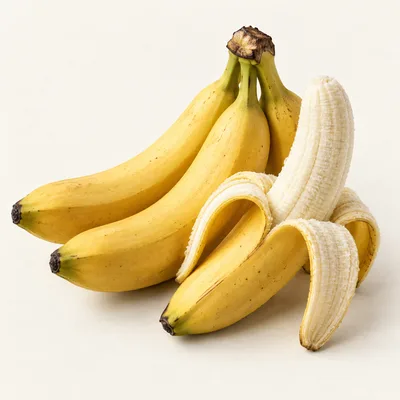 STAPLE FRUITBanana
Cooked green, fried or served beside sauces
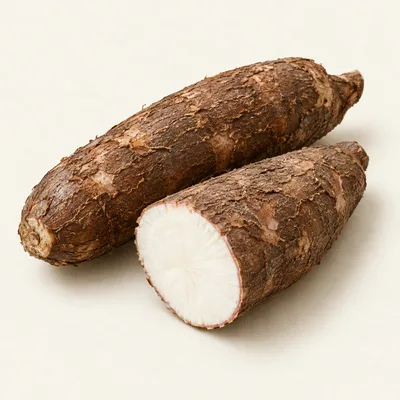 ROOTCassava
Roots and leaves used in different preparations
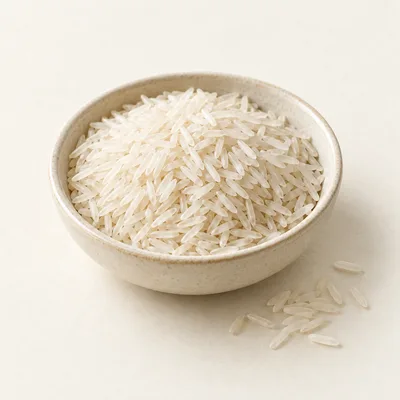 GRAINRice
A daily base for meat, fish and spiced dishes
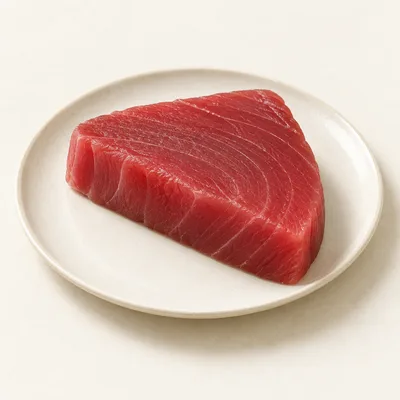 OCEAN FISHTuna
A significant catch served fresh or preserved
Export spices and everyday cooking overlap selectively. Cloves, vanilla and ylang-ylang define the islands’ agricultural reputation, but household food more consistently depends on rice, coconut, cassava, banana, breadfruit, fish and affordable aromatics. [9]
Pilao and biryani show Indian Ocean connections. Spiced rice with meat or fish sits within a wider exchange linking East Africa, Madagascar, Arabia and South Asia. Names and spice mixtures vary by cook and occasion. [8][7]
Restaurant listings reveal a small but mixed urban food scene.
Moroni concentrates the widest public choice. The National Tourism Office lists local-food restaurants beside Indian-Comorian kitchens, fast food, cafés and hotel dining, while other islands have fewer formal options. [8]
Home-style food may be easier to find by asking what is local that day. Fish catch, cooked banana, cassava-leaf dishes and coconut sauces do not always appear under standardised English or French names. A host or small restaurant can explain the island and household context. [7][10]
Food-culture sources checked .
Grilling, marinades and sauces
Mabawa is described as chicken wings usually coated in a marinade that may include Dijon mustard, mayonnaise, peppers, garlic, salt and onion, then grilled. Ask whether this batch follows that recipe, whether the grill or brush is shared, and what is in putu, a variable spicy pepper sauce. Confirm whether grilled breadfruit, cassava or green bananas were cooked separately.
Leaves, roots and rice
Madaba uses cassava leaves mashed with peppers, garlic and other ingredients, then boiled; it is served with rice and may include chopped fish. Ask whether fish is inside the madaba or added separately, and whether the rice, pot, ladle and serving spoon were shared. Some foods may also be accompanied by grilled cassava and green bananas.
Breads, pastries and sweet dishes
Mkatre foutra may be a small, round savoury breakfast bread, and examples include wheat-based samoussa wrappers and mkatra foutra dough. Ask about the flour, fillings, frying oil and shared fryer. For sweet foods such as kaimati, kashata, halua ya nazi or sombi, confirm the full recipe rather than assuming ingredients from the name.
Ingredients worth recognising
Start with these ingredients, then follow their names and recorded food connections. Check the recipe and product actually used.
Wheat flour
Wheat flour is recorded in mkatre foutra and samoussa wrappers, and is core to kaimati dough. Ask whether flour is used in the dough, filling, dusting or sauce, and whether frying equipment is shared.
Fish
Fish is central to pwason wa nazi, may be mixed into some madaba, and can accompany rougaille or fill Comorian sambusa. Confirm the species, sauce, stock, garnish and whether fish was cooked or chopped with other foods.
Mustard Seed
Mustard seed is a defining ingredient of mustard and is recorded as a common seasoning in Mauritian achard, while mustard may also matter in a mabawa marinade. Ask about mustard seed, prepared mustard and sauces.
Peanut
Peanuts are core to common kashata preparations and appear in some regional mataba versions. Ask whether peanut is included, added as a topping or used in a sauce, and whether utensils or preparation surfaces were shared.
Cow Milk
Cow milk is core to sombi, and dairy milk may enrich some mandazi doughs. Ask whether milk, milk powder, butter or another dairy ingredient is present, and whether the recipe differs from the usual batch.
How food labelling works
A current, country-specific allergen-labelling summary for Comoros has not yet been verified for this guide. Do not transfer the list of regulated allergens or restaurant disclosure rules from your home country to this one.
Read the complete ingredients on the actual package and keep any local-language sticker with the original label. For imported products, compare the information on that pack rather than a photograph of the brand sold elsewhere. Ask the manufacturer or seller to clarify an unfamiliar term.
For loose food or meals prepared to order, ask who can check the recipe and the labels on bought-in ingredients. Explain every food you avoid, including ingredients outside familiar allergy groups; a short symbol chart may not cover your list.
Language and communication
French and Arabic are Comoros’s official languages, and Shikomori is widely spoken as a first language. Prepare a written explanation in French and, where useful, Arabic, naming the ingredient, sauce or cooking concern and asking for confirmation of the complete recipe.
Shikomori comprises Swahili dialects, with island-specific variation noted for Grand Comore and Moheli. If using Shikomori, have the cook or seller confirm the meaning locally. Names such as mabawa or madaba help identify foods, but they are not a complete allergy request or a guarantee of ingredients.
Eating in different settings
Harbour or fish market
When buying a catch or choosing a stall, ask what species it is, whether it was marinated, and which pan, grill, oil and utensils will be used. If buying prepared fish, ask about sauce, garnish, stock and shared cutting surfaces.
Night food vendor
For mabawa or grilled accompaniments, ask for the marinade’s complete ingredients, including mustard and mayonnaise, and ask what is in putu. Confirm whether breadfruit, cassava or green bananas share the grill, brush, tongs or serving container.
Restaurant meal
Ask the server to check with the cook about the whole dish, not just its main ingredient. For madaba, fish, rice or a sauce, ask about added fish, wheat, dairy, peanut, stock, cooking oil and shared pans.
Bakery or packaged-food shop
For mkatre foutra, samoussa, kaimati or other baked and fried foods, ask about wheat flour, fillings, egg, milk, butter and frying oil. Read the complete ingredient list on packaged food and check compound seasonings or sauces.
Before you travel
Review your personal plan
Discuss your travel plans with your clinician and keep your prescribed medicines and emergency instructions accessible. Tell companions where these are and how to follow your plan.
Check your medicines before entering Comoros
Medicine rules can differ between the UK and Comoros, including for medicines prescribed or bought in the UK. Before travel, read TravelHealthPro’s best-practice guidance and ask the relevant Comorian authority what status and documentation requirements apply to the medicine. Ask your prescriber what information you may need while travelling.
Make the first meals easier to organise
Contact your accommodation and transport providers in advance. Save your written food list, menu questions and destination address offline. Check entry restrictions before packing backup food, and plan how you will check meals during arrival and onward journeys.
Plan access to medical help
Medical facilities on all three Comorian islands are described as basic and mostly private, with electricity or water disruptions potentially affecting hospitals and public services. Arrange adequate travel insurance and accessible funds for treatment and repatriation, and review the FCDO list of medical facilities before travel.
Emergency resources
For a suspected severe allergic reaction, follow your prescribed emergency plan and seek urgent medical help. Give your exact location clearly.
Ambulance and urgent medical help
Contact the hospital on your island to request an ambulance: El Maarouf, Grande Comore, +269 773 26 04; Fomboni, Mohéli, +269 772 03 73; Hombo, Anjouan, +269 771 00 34.
Explore next
Your allergy in Comoros
Choose a food concern for the country notes and questions relevant to it.
Dishes in Comoros
Follow the ingredients and cuisine connections in individual dish records.
Your own food list
Combine allergy groups and individual ingredients in one guide, with local names where recorded.
Allergy cards
Prepare the information you need to explain your food requirements.
FAQs, sources and review dates
Could a fish dish contain something besides fish?
Yes. Fish may be combined with coconut in pwason wa nazi, mixed into some madaba, served with rougaille or shredded in sambusa. Ask about the sauce, spices, stock, wrapper, garnish and cooking equipment, and confirm the exact batch or recipe.
What should I ask about coconut?
Coconut may occur in foods such as pwason wa nazi, halua ya nazi and some mandazi variations. Ask whether coconut milk, flesh or another coconut ingredient is used, and whether it is added to the sauce or dough. Do not assume its presence or absence from a dish name.
Could a sweet or snack contain peanut?
Kashata commonly uses peanuts in the recorded example, while some mataba preparations use peanuts for richness. Ask whether peanut is in the recipe, topping or filling, and whether the same surface, pan or utensils were used for other foods. Check the complete recipe before ordering.
Sources checked: . This researched draft is awaiting editorial review. Practical questions apply the sources below to local food settings; they do not confirm any individual meal's ingredients or preparation.
Sources & references (10)
- FCDO · Comoros health and medical assistance
Emergency contact details, local healthcare and medicine guidance. UK-specific eligibility does not apply to every visitor.
- Wikivoyage contributors · Comoros
Community-edited culinary context only; not an allergy or medical authority. Brief food-context adaptations, CC BY-SA 4.0: https://creativecommons.org/licenses/by-sa/4.0/. Recipe questions also use PlateSafe’s draft records.
- FARE · Dining out
General recipe and preparation questions, applied here to country-specific food examples.
- FARE · Travelling with food allergies
General preparation, written communication and access to prescribed medicines. Not country-specific import permission.
- PlateSafe · Comoros recorded food connections
Existing draft dish and ingredient records, used as examples to investigate. These are not independently verified recipes or suitability assessments.
- Unicode CLDR · Territory language data
Language suggestions. Regional language needs must be confirmed with the particular food provider.
- Comoros National Tourism Office — Official portal
- Comoros National Tourism Office — Restaurants by island
- FAO — Agricultural production in Comoros
- FAO — Comoros banana and fisheries value chains