

BEFORE YOUR FIRST MEAL
Navigating food allergies in Costa Rica
Costa Rican meals often combine rice and beans with a separately chosen protein, salad, plantain or a sauce. Breakfast gallo pinto, lunchtime casado, market fruit and dairy-rich desserts can look straightforward while varying between cooks. Ask about the complete preparation rather than relying on a dish name, especially where stock, fried foods, garnishes, pastry or bottled sauces are involved.
What to know first
Rice and beans vary
Gallo pinto and casado commonly centre on rice and beans, but ask whether cilantro, onion, stock, sauce or a separate topping has been added.
A plate is a combination
Casado brings together rice, beans, meat, chicken or fish, salad and fried plantain. Check every component, including the frying oil and dressing.
Explain the whole concern
Use Spanish to describe the ingredient to avoid and ask for the complete recipe, including stock, sauce, garnish, shared utensils and shared cooking oil.
Check preparation separately
For soups, ceviche, pastries or fried foods, ask what is mixed into the recipe and whether the same pan, oil, water or utensils are used.
Read complete labels
For packaged food, read the full ingredient list rather than relying on a product name or dietary description; Costa Rica’s checked label notes provide no further legal detail.
Understanding the food
Gallo pinto and casados organise many daily meals, but Caribbean coconut cooking, Pacific seafood, northern maize traditions, highland potatoes and Indigenous Bribri and Cabécar foodways create distinct local repertoires. Sodas and markets are often better guides than resort menus.
Coasts, highlands and cultural regions reshape the daily plate.
| Region | Food landscape | Examples to explore |
|---|---|---|
| Central Valley | Coffee, dairy, vegetables and urban soda culture | Casados, picadillos, olla de carne and chorreadas |
| Guanacaste & Nicoya | Dry tropical agriculture and strong maize traditions | Tortillas, tamales, rosquillas, corn drinks and grilled meats |
| Caribbean coast | Afro-Costa Rican coconut, spice and seafood cooking | Rice and beans, rondón, patí and plantain |
| South Pacific & Indigenous territories | Seafood, tropical crops, Bribri and Cabécar knowledge | Fish, cacao, pejibaye, cassava and regional soups |
Traditional cooking is an active preservation project. The Tourism Board works with the Ministry of Culture and National Learning Institute to recover regional recipes in restaurants rather than letting visitor menus narrow the cuisine to a few staples. [7]
The Caribbean “rice and beans” is not simply gallo pinto by another name. Coconut milk and Afro-Caribbean seasoning give it a different structure, while rondón brings root vegetables, plantain and seafood into a coastal one-pot meal. [8]
Rice, beans and maize recur, but the surrounding ingredients define the region.
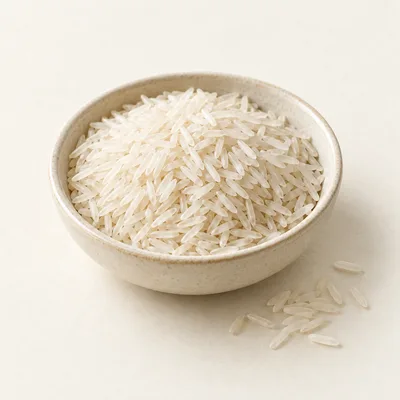 GRAINRice
Gallo pinto, casados, Caribbean rice and beans and arroz dishes
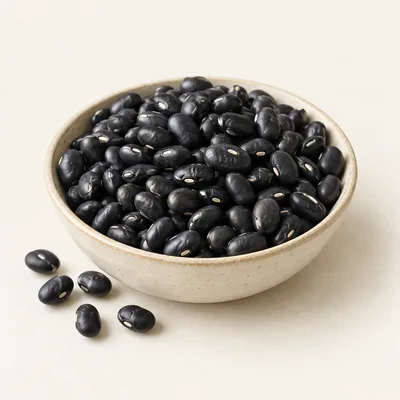 PULSEBlack beans
Breakfast, soups and everyday plates
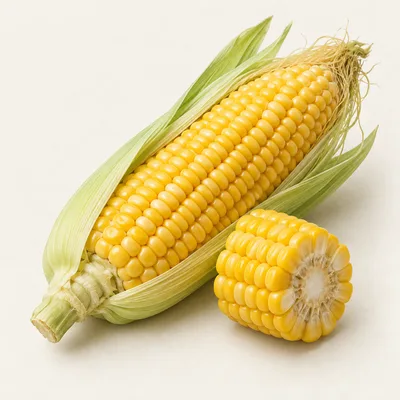 GRAINMaize
Tortillas, tamales, chorreadas and Guanacaste traditions
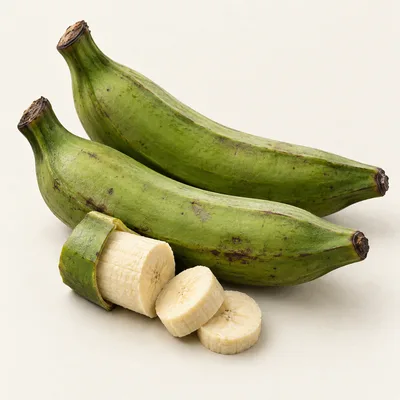 TROPICAL STARCHPlantain
Fried ripe, flattened green or simmered in stews
A casado is a composition rather than one recipe. Rice and beans are joined by salad, plantain, vegetables and a chosen protein. The quality lies in the individual components and the kitchen’s daily rhythm. [8]
Picadillos make vegetables the main information. Finely chopped potato, chayote, green papaya or other produce is cooked with herbs and sometimes meat. The Tourism Board specifically uses potato with chicasquil as an example of grandmother-style cooking worth preserving. [7]
The soda is Costa Rica’s everyday dining room.
Small family restaurants make daily food accessible. Sodas commonly serve breakfast, casados, soups, fresh drinks and a short changing menu at practical prices. Ask for the special of the day rather than expecting a long tourist list. [8]
Rural and Indigenous food experiences require local context. The South Pacific guide includes Bribri and Cabécar gastronomy within regional tourism. Learn through community-led visits and recipes rather than treating cacao, cassava or forest plants as anonymous attractions. [9]
Food-culture sources checked .
Rice, beans and set plates
Gallo pinto is recorded as rice and beans with possible cilantro or onion, while casado combines rice and beans with a meat, chicken or fish choice, salad and fried plantain. Ask whether the beans were cooked with stock, whether the rice shares a pot, and whether the plantain used the same oil as other foods. A plato del día may follow the casado pattern but can change its protein.
Soups and seafood preparations
Sopa negra is a black-bean soup often paired with rice; some versions include hard-boiled egg as a garnish or accompaniment. Caribbean seafood soup commonly includes fish, while rondón may include fish and, regionally, shrimp or other crustaceans. Ask which seafood is present, what broth or seasoning base was used, and whether toppings were added after cooking.
Corn, wheat and fried foods
Chorreadas may use batter containing wheat flour, alongside pastries and breads such as coconut bread, pati and empanadas de chiverre. Corn tortillas are not automatically free of wheat, since some formulations add it. Ask whether a batter or dough contains wheat, egg or dairy, and whether frying is shared with other items.
Dairy desserts and sauces
Tres leches can use condensed milk, evaporated milk and cream; milk, cream, cheese, butter and milk powder can also feature in desserts, breads and savoury dishes. Granizado may carry condensed milk or milk powder. Salsa Lizano is a common mild vegetable sauce, so ask for the bottle or full recipe rather than assuming its ingredients.
Ingredients worth recognising
Start with these ingredients, then follow their names and recorded food connections. Check the recipe and product actually used.
Wheat flour
Wheat flour is recorded in chorreadas and the pastry or bread examples coconut bread, empanadas de chiverre, pati, plantintá and queque seco. Ask whether it is in the dough, batter or dusting, and whether the preparation shares surfaces or oil.
Corn tortilla
Corn tortillas may be served with Costa Rican meals, but some formulated versions also contain wheat flour. Ask whether the tortilla is made only from corn, what is added to the dough, and whether it is heated on a shared surface.
Egg
Egg is recorded as a binder or glaze in several breads and pastries, in rosquillas and meatballs, and as a garnish for sopa negra. Ask whether it is mixed into the recipe, brushed on top, or added separately.
Fish
Fish appears as a casado protein, in ceviche, escabeche, fish in coconut sauce, Caribbean seafood soup and rondón. Ask whether the fish is raw or cooked, which sauce or marinade is used, and whether other seafood shares the preparation.
Butter
Butter is recorded in coconut bread, pastries, Johnny cake, Pan Bon, plantintá, queque seco, tamalitos de elote and tanelas. Ask whether it is used in the dough, for cooking or as a finishing ingredient, and whether another dairy ingredient is also present.
Vinegar
Vinegar may matter in marinades, pickled preparations such as escabeche or sauces, but generic vinegar does not identify its source. Ask which vinegar was used and whether the bottle or recipe gives its full ingredients.
How food labelling works
A current, country-specific allergen-labelling summary for Costa Rica has not yet been verified for this guide. Do not transfer the list of regulated allergens or restaurant disclosure rules from your home country to this one.
Read the complete ingredients on the actual package and keep any local-language sticker with the original label. For imported products, compare the information on that pack rather than a photograph of the brand sold elsewhere. Ask the manufacturer or seller to clarify an unfamiliar term.
For loose food or meals prepared to order, ask who can check the recipe and the labels on bought-in ingredients. Explain every food you avoid, including ingredients outside familiar allergy groups; a short symbol chart may not cover your list.
Language and communication
Spanish is Costa Rica’s official language and the principal language for explaining an ingredient concern. Prepare a written Spanish explanation naming the exact ingredient, the dishes being considered and the need to check the complete recipe, stock, sauce, toppings, shared oil and utensils. Formal Spanish is understood, while local forms of address vary by region.
Limonese Creole, also called Mekatelyu, is used in Limón Province on the Caribbean coast; speakers are also generally able to use Spanish. In that region, keep the written explanation in Spanish and request confirmation from the person preparing the food. Dish and ingredient names help recognition but are not a complete allergy request.
Eating in different settings
Soda or small restaurant
For gallo pinto or casado, ask what was added to the rice and beans, whether stock or sauce was used, and whether cilantro or onion can be left out. Check the salad dressing, plantain seasoning and frying oil separately rather than treating the plate as one recipe.
Market or fruit counter
When buying fresh fruit or pineapple juice, ask whether the drink is made on shared equipment and whether anything besides fruit and water has been added. At a market snack bar, ask about toppings, condensed milk, milk powder and shared spoons or blenders.
Bakery or pastry stall
For coconut bread, Pan Bon, pati, plantintá or empanadas de chiverre, ask whether the dough contains wheat flour, butter or milk, and whether egg is used as a glaze. Ask how the item was baked and whether fillings or toppings have a separate recipe.
Packaged-food shop
For Salsa Lizano, vinegar, stock, desserts or bottled drinks, inspect the complete ingredient list and ask staff to identify the exact product. For a dish such as granizado, ask whether condensed milk or milk powder is added and whether the scoop or blender is shared.
Before you travel
Review your personal plan
Discuss your travel plans with your clinician and keep your prescribed medicines and emergency instructions accessible. Tell companions where these are and how to follow your plan.
Check your medicines before entering Costa Rica
UK prescriptions cannot be used locally. Before travel, read the medicine-travel guidance on TravelHealthPro. To locate a pharmacy, search for a nearby farmacia or ask which local pharmacy is open.
Make the first meals easier to organise
Contact your accommodation and transport providers in advance. Save your written food list, menu questions and destination address offline. Check entry restrictions before packing backup food, and plan how you will check meals during arrival and onward journeys.
Plan access to medical help
Medical care is generally of a high standard, but ambulance services may vary in remote areas. Only initial emergency treatment is available without charge to visitors; later treatment is charged. Check that travel insurance, accessible funds and repatriation cover meet your needs, and review the FCDO provider list.
Emergency resources
For a suspected severe allergic reaction, follow your prescribed emergency plan and seek urgent medical help. Give your exact location clearly.
Ambulance and urgent medical help
Call 911 and ask for an ambulance.
Explore next
Your allergy in Costa Rica
Choose a food concern for the country notes and questions relevant to it.
Dishes in Costa Rica
Follow the ingredients and cuisine connections in individual dish records.
Your own food list
Combine allergy groups and individual ingredients in one guide, with local names where recorded.
Allergy cards
Prepare the information you need to explain your food requirements.
FAQs, sources and review dates
Is sopa negra simply beans and water?
A version of the dish includes black beans and often rice, while hard-boiled egg may be a common garnish or accompaniment. Ask about the broth, seasoning base, garnish and serving utensil rather than relying on the soup’s name.
Can I assume coconut bread contains only coconut?
No. The recorded example connects coconut bread with wheat flour, butter, milk and commonly egg, although recipes vary. Ask about the complete dough, any glaze, fillings and the surface or equipment used during baking.
What should I ask about a casado with fish?
Ask whether the fish is the only protein and how it is cooked, then check the rice, beans, salad dressing, plantain seasoning, sauce and frying oil. Also ask whether the fish shares a grill, pan or utensils with other foods.
Sources checked: . This researched draft is awaiting editorial review. Practical questions apply the sources below to local food settings; they do not confirm any individual meal's ingredients or preparation.
Sources & references (9)
- FCDO · Costa Rica health and medical assistance
Emergency contact details, local healthcare and medicine guidance. UK-specific eligibility does not apply to every visitor.
- Wikivoyage contributors · Costa Rica
Community-edited culinary context only; not an allergy or medical authority. Brief food-context adaptations, CC BY-SA 4.0: https://creativecommons.org/licenses/by-sa/4.0/. Recipe questions also use PlateSafe’s draft records.
- FARE · Dining out
General recipe and preparation questions, applied here to country-specific food examples.
- FARE · Travelling with food allergies
General preparation, written communication and access to prescribed medicines. Not country-specific import permission.
- PlateSafe · Costa Rica recorded food connections
Existing draft dish and ingredient records, used as examples to investigate. These are not independently verified recipes or suitability assessments.
- Unicode CLDR · Territory language data
Language suggestions. Regional language needs must be confirmed with the particular food provider.
- Costa Rican Tourism Board — Traditional Costa Rican cuisine
- Costa Rican Tourism Board — Gastronomy press kit
- Costa Rican Tourism Board — South Pacific regional guide