
BEFORE YOUR FIRST MEAL
Navigating food allergies in Cuba
Cuban meals may combine rice and black beans with pork, chicken, vegetables or plantains, while sandwiches, fritters, pastries and custards add wheat, egg and dairy questions. Recipes vary between paladares, casas particulares, street vendors and state-run venues. A dish name is only a starting point: ask for the complete recipe, including marinades, stock, toppings, frying oil and preparation surfaces.
What to know first
Rice and beans
Moros y cristianos centres on rice and black beans, but ask whether the beans or rice contain chicken stock, seasoned oil, meat, or another cooking liquid.
Bread-based foods
Cuban sandwiches, medianoche, pan con lechon and fritas commonly involve wheat bread or buns; check the bread, grilling fat, mustard, cheese and fillings separately.
Explain the whole concern
In Spanish, describe the ingredient to avoid and ask whether it is in the recipe, sauce, stock, topping or shared oil, rather than relying on a dish label.
Ask about preparation
For fritters, pizzas, croquetas and fried sandwiches, ask what oil is used, what else is fried there, and whether utensils, pans or boards are shared.
Read the full label
Read the complete ingredients and allergen information on the actual product. If you avoid a food that is not highlighted, ask the producer or food provider to check it specifically.
Understanding the food
Spanish, West and Central African, Taíno, Caribbean, Chinese and other influences meet around rice, beans, pork, cassava, plantain and tropical fruit. Havana’s restaurant scene is only one expression: eastern Cuba, farming regions and coastal towns maintain their own dishes, seasonings and meal rhythms.
The national staples take different forms across the island.
| Region or setting | Food landscape | Examples to explore |
|---|---|---|
| Havana & west | Urban creole cooking, market food and international exchange | Ropa vieja, picadillo, arroz congrí, sandwiches and sweets |
| Central Cuba | Farming, livestock, sugar history and provincial city cooking | Roast pork, yuca con mojo, beans, tamales and local pastries |
| Oriente | Stronger Caribbean links, cacao, coffee and root crops | Ajiaco, casabe, corn preparations and barbacoa-style meats |
| Coasts & keys | Fish, shellfish and tourism-facing restaurants | Grilled fish, lobster where available and rice-based seafood dishes |
CubaTravel describes the cuisine as a mixture, not a single inheritance. Spanish, African, Indigenous, Yucatecan and Asian traditions enter a creole repertoire that includes ajiaco, casabe, tamales, tostones, roast pork and congrí. [7]
Coffee and cacao belong to eastern landscapes and histories. UNESCO’s south-eastern coffee landscape records the material remains of plantation agriculture established in the foothills of the Sierra Maestra. Its history includes forced labour and should not be reduced to a picturesque tasting story. [9]
A complete Cuban plate is built through contrasts.
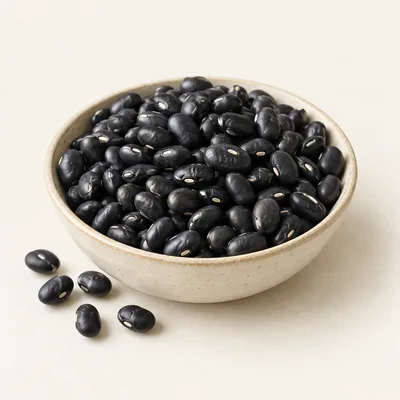 GRAIN & PULSERice and black beans
Cooked together or served side by side
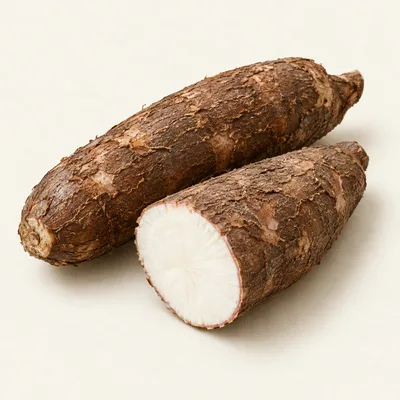 ROOTCassava
Boiled and dressed with citrus-garlic mojo
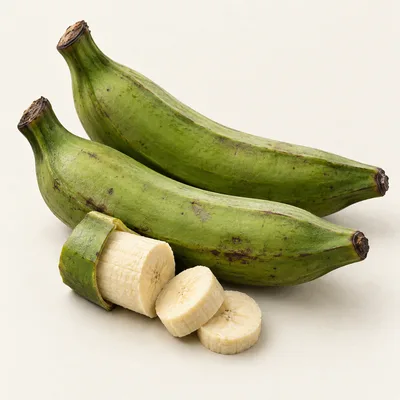 TROPICAL STARCHPlantain
Tostones, maduros and additions to stews
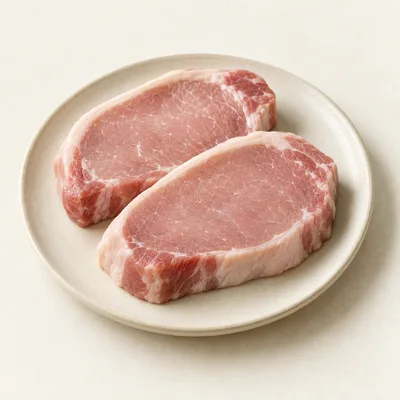 CELEBRATION MEATPork
Roasted, braised or folded into everyday dishes
Rice and beans have several identities. Moros y cristianos commonly cooks white rice with black beans, while congrí may refer to rice cooked with red beans in eastern usage. Household and regional naming can overlap, so the preparation matters more than a rigid definition. [7][8]
Mojo supplies the sharp counterpoint. Garlic, sour orange or another citrus and oil cut through yuca, roast pork and other rich foods. It demonstrates how a simple condiment can organise the whole plate. [8]
Paladares and state-run venues can offer very different experiences.
Private paladares are an important part of contemporary dining. CubaTravel distinguishes private restaurants and cafés from the hotel and tourist network. A focused paladar may interpret home cooking more clearly than an extensive international menu, though supply changes can affect what is available. [7]
Ask what is actually being served that day. Ingredient availability, season and local supply may narrow or change a printed menu. The day’s beans, root vegetable, fish or pork preparation often gives a more accurate picture than expecting every national classic. [7][8]
Food-culture sources checked .
Rice, beans and accompanying plates
Black beans are a staple, and rice and beans are identified as a national dish. Other recorded meal examples pair rice with vegetables, plantains and pork or beef. Ask whether beans are cooked separately from meat, whether stock is added, and whether a shared spoon or pan moves between dishes. Do not assume plain-looking rice is simply rice.
Sandwiches, bread and frying
Street vendors may sell sandwiches, small pizzas, spaghetti in tomato sauce and cream cakes. Recorded Cuban examples include Sandwich Cubano, Medianoche, Pan con Lechon and Frita Cubana. Check the bread or bun, mustard, cheese, butter, fillings and tomato sauce. For croquetas, buñuelos and malanga fritters, ask about wheat, egg, milk, crumbs and the frying oil.
Pastries, puddings and sweet dishes
Cuban sweet examples include flan, torrejas, capuchinos, pastelitos de guayaba y queso, boniatillo and bread pudding. Their recorded connections include wheat pastry or bread, egg, cow milk, butter, cheese and fresh cheese. Ask whether a topping or accompaniment is added after cooking, and whether desserts share trays, tongs, knives or preparation surfaces.
Ingredients worth recognising
Start with these ingredients, then follow their names and recorded food connections. Check the recipe and product actually used.
Cuban Bread
Cuban bread is made with wheat flour and appears in pan con lechon and Cuban-style sandwiches. Ask whether the loaf is made on shared equipment, whether it contains added egg or milk, and whether grilling uses butter.
Vegetable Oil
Generic vegetable oil may be soybean oil, but its source is unspecified. Ask which oil is in the pan or fryer, whether it is shared with croquetas or fritters, and whether the kitchen can identify the product used.
Chicken stock
Chicken stock may contain celery as an aromatic. This matters when stock is used in beans, rice, sauces or fillings rather than served visibly. Ask whether stock, bouillon or a homemade cooking liquid is included, and request the complete recipe.
Mustard
Mustard is intrinsic to mustard-seed preparations and is recorded in Cuban sandwiches and fritas. Ask whether mustard is spread on the bread, mixed into a sauce or included in a dressing, and whether the same knife is used elsewhere.
Cheese
Cheese is recorded in arroz imperial, sandwiches, guava pastries and guava with fresh cheese. Ask which cheese is used, whether it is added as a filling or topping, and whether butter or another milk-derived ingredient is also present.
How food labelling works
A current, country-specific allergen-labelling summary for Cuba has not yet been verified for this guide. Do not transfer the list of regulated allergens or restaurant disclosure rules from your home country to this one.
Read the complete ingredients on the actual package and keep any local-language sticker with the original label. For imported products, compare the information on that pack rather than a photograph of the brand sold elsewhere. Ask the manufacturer or seller to clarify an unfamiliar term.
For loose food or meals prepared to order, ask who can check the recipe and the labels on bought-in ingredients. Explain every food you avoid, including ingredients outside familiar allergy groups; a short symbol chart may not cover your list.
Language and communication
Spanish is Cuba’s official language, and a written explanation should state the food allergy or intolerance, the ingredient to avoid, and the need to check the complete recipe. Include questions about stock, sauces, toppings, shared oil and utensils. Names such as Cuban dishes or ingredients help recognition but are not a complete request.
Spanish varies in pronunciation and local usage, and informal settings may differ from tourist areas. Use clear written Spanish and ask the cook or server to confirm each component, including bread, mustard, cheese, egg, milk and seafood. Do not assume a short answer confirms the whole dish.
Eating in different settings
Paladar
Ask for the complete recipe before ordering, including marinade, stock, sauce, garnish and cooking fat. For arroz y frijoles, request separate confirmation for rice and beans. For a sandwich or fritter, ask about bread, cheese, mustard, egg, crumbs and shared frying oil.
Casa particular
If breakfast or dinner is prepared at a casa particular, explain the concern before shopping or cooking begins. Ask whether bread, omelette, fruit, coffee, juice or dessert is prepared with shared utensils, and whether a separate pan, board or serving spoon can be used.
Street vendor
For a small pizza, sandwich, spaghetti in tomato sauce, ice cream or cream cake, ask what is in the base, sauce and topping. Confirm whether the vendor uses the same knife, paper, counter, pan or oil for different foods.
Hotel or packaged-food shop
Read the complete label on bread, breadcrumbs, mustard, ketchup, stock, wine, raisins and desserts. Ask staff to identify every ingredient and flavouring, not only the product name. For lobster or prawns, confirm the species and whether seafood shares a grill, pan or fryer.
Before you travel
Review your personal plan
Discuss your travel plans with your clinician and keep your prescribed medicines and emergency instructions accessible. Tell companions where these are and how to follow your plan.
Check your medicines before entering Cuba
Cuba has severe shortages of basic medicines, and many medicines, pharmacy items and sanitary products that are easily accessible in the UK may not be available there. For a pre-existing condition, a letter from your GP stating treatment and dosage may be helpful. Check TravelHealthPro guidance because the legal status and regulation of medicines prescribed or bought in the UK can differ in other countries.
Make the first meals easier to organise
Contact your accommodation and transport providers in advance. Save your written food list, menu questions and destination address offline. Check entry restrictions before packing backup food, and plan how you will check meals during arrival and onward journeys.
Plan access to medical help
Medical facilities in Havana are better than elsewhere in Cuba. If you need medical treatment, you or your insurance company will need to pay in foreign currency before treatment, so confirm you have accessible funds for treatment abroad and repatriation. Check with your insurer what treatment and evacuation arrangements are covered, and check whether the destination can provide the healthcare you may need.
Emergency resources
For a suspected severe allergic reaction, follow your prescribed emergency plan and seek urgent medical help. Give your exact location clearly.
Ambulance and urgent medical help
Call 104 and ask for an ambulance.
Explore next
Your allergy in Cuba
Choose a food concern for the country notes and questions relevant to it.
Dishes in Cuba
Follow the ingredients and cuisine connections in individual dish records.
Your own food list
Combine allergy groups and individual ingredients in one guide, with local names where recorded.
Allergy cards
Prepare the information you need to explain your food requirements.
FAQs, sources and review dates
Could arroz imperial contain egg or dairy?
It can, according to the recorded example: traditional mayonnaise commonly contains egg, and cheese is commonly used as a layer or topping. Ask whether mayonnaise is present, whether it is egg-free, which cheese is used, and whether either was added during assembly or only as a garnish.
What should I ask about lobster or prawns?
Lobster and prawns are crustaceans, but the surrounding recipe still needs checking. Ask about wine, butter, stock, sauce and garnish, then ask whether the seafood shares a pan, grill, oil or utensils with other dishes. Do not infer the full recipe from enchilado de langosta or enchilado de camarones.
Is a guava dessert automatically suitable if fruit is the concern?
No. Casquitos de guayaba may be accompanied by fresh cheese, while pastelitos de guayaba y queso use wheat pastry and may include egg, cheese and butter. Ask whether the guava is served alone, what accompanies it, and whether the knife, tray or tongs are shared.
Sources checked: . This researched draft is awaiting editorial review. Practical questions apply the sources below to local food settings; they do not confirm any individual meal's ingredients or preparation.
Sources & references (9)
- FCDO · Cuba health and medical assistance
Emergency contact details, local healthcare and medicine guidance. UK-specific eligibility does not apply to every visitor.
- Wikivoyage contributors · Cuba
Community-edited culinary context only; not an allergy or medical authority. Brief food-context adaptations, CC BY-SA 4.0: https://creativecommons.org/licenses/by-sa/4.0/. Recipe questions also use PlateSafe’s draft records.
- FARE · Dining out
General recipe and preparation questions, applied here to country-specific food examples.
- FARE · Travelling with food allergies
General preparation, written communication and access to prescribed medicines. Not country-specific import permission.
- PlateSafe · Cuba recorded food connections
Existing draft dish and ingredient records, used as examples to investigate. These are not independently verified recipes or suitability assessments.
- Unicode CLDR · Territory language data
Language suggestions. Regional language needs must be confirmed with the particular food provider.
- CubaTravel — Gastronomy
- CubaTravel — Where to eat in Havana
- UNESCO — Cultural landscape of the first coffee plantations in south-east Cuba