
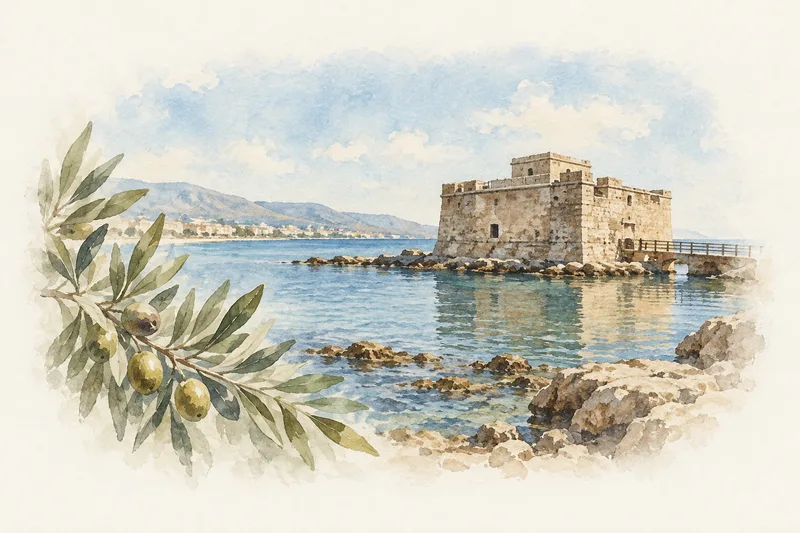
BEFORE YOUR FIRST MEAL
Navigating food allergies in Cyprus
Cyprus brings together small meze dishes, grilled cheeses, roast meats, filled pastries and grape-based sweets. Recipes can change within the same dish name: a pie may contain wheat pastry, a topping may add egg or dairy, and a dip may include bread or potato. Ask about the complete preparation, not only the main ingredient, and explain whether you avoid an allergen, wheat, gluten or another specific food.
What to know first
Mixed meze
Meze may arrive as a mixed batch of meat or fish dishes. Ask which plates are included, whether recipes share sauces or utensils, and whether a separate order is possible.
Pastries and puddings
Bourekia, flaouna, loukoumades and palouzes have different recipes. Check pastry, fillings, coatings, thickening ingredients, garnishes and any oil used for frying.
Explain the question
Describe the exact food you avoid and ask staff to check the full recipe, including stock, sauce, toppings, shared oil, shared water and utensils.
Preparation matters
For grilled halloumi, souvlaki, meze or fried sweets, ask whether the cooking surface or oil is shared, and whether ingredients are added after cooking.
Read the label
EU food-information rules cover 14 allergen categories; on prepacked food they must stand out in the ingredients list, while unpackaged food requires access to allergen information.
Understanding the food
Greek, Turkish, Levantine, Armenian, Venetian, Ottoman and British connections have all left traces, but local cheeses, breads, pulses, olives, carob, grapes, pork, lamb and seafood give the cuisine its island character. Meze is not one dish; it is a paced way of discovering a kitchen.
Mountains, villages and coasts put different produce on the table.
| Setting | Food landscape | Examples to explore |
|---|---|---|
| Troodos & wine villages | Vines, orchards, cured meats and mountain dairy | Commandaria, soutzoukos, lountza and preserved fruit |
| Rural plains & villages | Wheat, potatoes, pulses, olives and household baking | Village bread, legumes, stuffed vegetables and halloumi |
| Coastal towns | Fresh fish, octopus and seafood tavernas | Fish meze, grilled catch and lemon-olive oil dressings |
| Cities & resorts | Cypriot tavernas beside international dining | Mixed meze, souvla, pastries and contemporary island cooking |
Visit Cyprus presents food as part of social and religious life. Family gatherings, festivals and holidays have their own preparations, and seasonal sweets or breads may appear only around a particular celebration. [8]
The cuisine belongs to a long eastern Mediterranean exchange. Official guides describe Greek, Turkish, Levantine and other influences meeting local olive oil, fruit, vegetables, cheeses, meat and seafood. The result is not interchangeable with any one neighbouring cuisine. [9][8]
Preservation turns the island harvest into a year-round pantry.
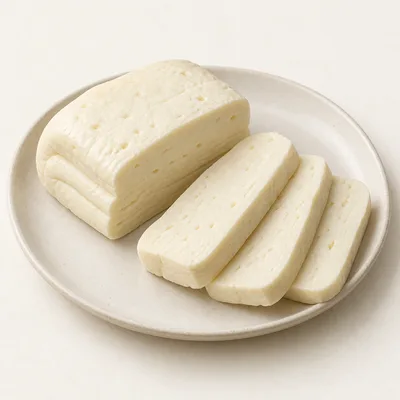 CHEESEHalloumi
Fresh or grilled, often paired with seasonal produce
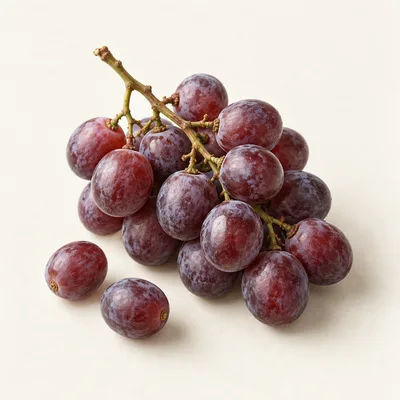 VINEYARDGrapes
Wine, zivania, soutzoukos and spoon sweets
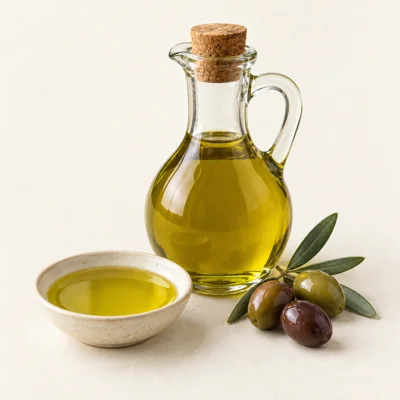 MEDITERRANEAN FATOlive oil
Cooking, salads, pulses and vegetable dishes
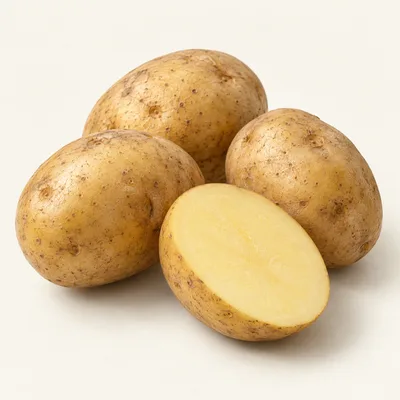 VILLAGE CROPPotato
Roasted, stewed and served across home-style meals
Meze is a sequence, not a sampler assembled at random. Dips, salads, pulses, cheeses and cured meats may lead into braised, grilled or clay-cooked dishes. Fish and meat meze follow different tracks, and the number of plates depends on the tavern and group. [8][9]
Carob and grape products preserve concentrated sweetness. Grape must becomes sweets such as soutzoukos, while carob syrup and other preserves extend the harvest. They sit within a broader village culture of drying, curing and preserving. [8]
Choose the venue by the meal format you want.
A taverna is the clearest setting for a long shared meal. A full meze rewards time and several diners; ordering a few individual dishes may suit a smaller appetite. Coastal fish tavernas, village tavernas and city restaurants do not promise the same sequence. [9][10]
Official resources distinguish dietary-friendly listings from general tradition. Visit Cyprus publishes catering directories and specific vegan- and gluten-free resources. Those practical listings should be checked separately from cultural descriptions of a dish. [11]
Food-culture sources checked .
Meze and composed plates
Cypriot meze can be meat, fish or a mixed selection, so the word meze does not identify a fixed recipe. Ask for every plate before ordering. Taramosalata may contain salted fish roe, breadcrumbs or mashed potato, parsley, onion, lemon, oil and vinegar. Tahini is sesame-based. Check dips separately, and ask whether bread, stock, sauce or garnish is added.
Grilled, roasted and fried foods
Halloumi is a milk-based cheese commonly served grilled, while kleftiko is roast lamb flavoured with herbs and lemon. Cypriot souvlaki is commonly accompanied by wheat-flour pita. Ask what is placed on the grill with the food, whether marinades or finishing sauces are used, and whether frying oil is shared with battered or pastry foods.
Pastry, pasta and wheat
Flaouna combines a wheat pastry with a cheese filling; egg may bind the filling or enrich the dough, and sesame can coat the pastry. Koupes use bulgur wheat, while ravioles use wheat dough and commonly include egg and halloumi. Ask whether a recipe contains wheat, gluten-containing cereals, egg or dairy, rather than relying on its name.
Grape sweets and puddings
Palouzes is described as a grape-juice pudding thickened with flour, with flavourings and sometimes almond alongside it. Soutzoukos uses a thick grape-must coating around threaded almonds and may use wheat flour as a thickener. Kiofterka is made from leftover pudding and then dehydrated. Ask about flour, nuts, dairy, toppings and any finishing ingredient.
Ingredients worth recognising
Start with these ingredients, then follow their names and recorded food connections. Check the recipe and product actually used.
Durum Wheat Pasta
Cypriot pasta dishes such as makaronia tou fournou and ravioles may use durum wheat; some pasta formulations include egg and others do not. Ask which pasta is used, whether it shares water, and what the sauce, topping and cheese contain.
Egg
Egg is intrinsic to avgolemoni soup and kolokouthkia me ta avga, and may bind flaouna, enrich pastry or appear in pasta dough. Ask whether egg is in the base, coating, filling or sauce, including a béchamel-style topping.
Bulgur wheat
Bulgur is processed wheat and forms the outer shell of koupes; it also appears in pourgouri. Ask whether the dish contains bulgur or another wheat grain, and check the complete recipe for fillings, stock, herbs and accompanying sauces.
Pita Bread
Pita is commonly made with wheat flour and accompanies Cypriot souvlaki; some formulations include sesame. Ask whether the pita is served with the meal, whether sesame is added, and whether shared tongs or a grill touch other foods.
Tahini
Tahini is a sesame-seed paste and the defining filling of tahinopitta; it is also a recorded Cypriot food. Ask whether tahini is in a dip, dressing or pastry, and whether additional oil, lemon, vinegar or garnishes are included.
Halloumi Cheese
Halloumi is intrinsically made from milk and appears grilled, in flaouna, halloumopitta, ravioles and some filled pastries. Ask which dairy cheeses are present, whether milk, butter or whey is also used, and whether the cheese is added before or after cooking.
How food labelling works
EU food-information rules cover 14 allergen categories used as ingredients. On prepacked food, these must stand out in the ingredients list. The categories include gluten-containing cereals, crustaceans, eggs, fish, peanuts, soybeans, milk, specified nuts, celery, mustard, sesame, sulphites above the stated threshold, lupin and molluscs.
Allergen information is also required for food sold without prepacking, including restaurant meals. Ask how to obtain the information for the exact order. National arrangements affect how it is supplied; an ingredient declaration does not by itself describe shared equipment or handling.
If you avoid a food outside those categories, read the complete ingredients and name that food when speaking to staff. A short allergen key cannot answer every ingredient-specific question.
Language and communication
Greek and Turkish are Cyprus’s official languages; Greek is associated with Southern Cyprus and Turkish with Northern Cyprus. Prepare a written explanation in the language relevant to your route, naming the exact food and asking staff to confirm the full recipe, sauces, toppings and preparation.
Cypriot Greek has regional linguistic differences, so a dish or ingredient name is only a recognition aid, not a complete allergy request. Where you cross regions, repeat the explanation and seek confirmation from the person taking the order or checking packaged ingredients.
Eating in different settings
Meze restaurant
Before accepting a mixed meze, ask for the individual dishes and their complete recipes. Check taramosalata for fish roe and bread or potato, tahini for sesame, and every dip for stock, vinegar, toppings and shared serving utensils. Ask whether meat and fish plates use the same preparation area.
Souvlaki counter
Ask whether the pita contains wheat and sesame, then check the meat, marinade, salad, sauces and garnishes separately. Ask whether the grill, tongs or serving surface is shared, and whether sauce is added automatically. Request confirmation of the complete order rather than ordering from the dish name alone.
Bakery or sweet shop
For flaouna, bourekia, daktyla, loukoumades, palouzes or soutzoukos, ask about wheat flour, egg, milk, sesame and nuts in the dough, filling, coating and garnish. Ask what oil is used for fried items and whether utensils or trays are shared with other pastries.
Packaged-food shop
Read the complete ingredients list rather than relying on a front-of-pack description. Check highlighted allergen categories, then look for specific foods outside those categories, such as an ingredient you personally avoid. For wine, vinegar, olives or raisins, ask about the exact formulation where relevant.
Before you travel
Review your personal plan
Discuss your travel plans with your clinician and keep your prescribed medicines and emergency instructions accessible. Tell companions where these are and how to follow your plan.
Check your medicines before entering Cyprus
The legal status and regulation of some medicines prescribed or bought in the UK can differ in Cyprus. Read TravelHealthPro’s advice before travelling. Ask the relevant authority in Cyprus whether any requirements apply to your medicine, and ask your prescriber or pharmacist what you should check before travelling.
Make the first meals easier to organise
Contact your accommodation and transport providers in advance. Save your written food list, menu questions and destination address offline. Check entry restrictions before packing backup food, and plan how you will check meals during arrival and onward journeys.
Plan access to medical help
If you are eligible, a GHIC or EHIC is needed for medically necessary state healthcare in Cyprus, subject to treatment rules. These cards are not travel insurance and may not cover private care, non-urgent treatment, extra costs or repatriation. Check eligibility with the NHS and cover with your insurer before travel.
Emergency resources
For a suspected severe allergic reaction, follow your prescribed emergency plan and seek urgent medical help. Give your exact location clearly.
Ambulance and urgent medical help
Call 112 and ask for an ambulance.
Explore next
Your allergy in Cyprus
Choose a food concern for the country notes and questions relevant to it.
Dishes in Cyprus
Follow the ingredients and cuisine connections in individual dish records.
Your own food list
Combine allergy groups and individual ingredients in one guide, with local names where recorded.
Allergy cards
Prepare the information you need to explain your food requirements.
FAQs, sources and review dates
Is halloumi automatically suitable because it is grilled?
No. Halloumi is a milk-based cheese, and grilling does not remove an allergen. Ask what else is on the grill, whether oil or seasoning is added, and whether the surface or utensils are shared. The same questions apply when halloumi appears in flaouna, ravioles or a filled pastry.
What should I ask about taramosalata?
Ask whether it contains salted fish roe and whether the recipe uses breadcrumbs or mashed potato. Then check lemon, onion, parsley, oil, vinegar and seasoning, plus any bread served alongside it. If the dip is part of meze, ask how it was portioned and whether serving utensils are shared.
What if I avoid a food outside common allergen categories?
Name that food specifically and ask staff to check the complete ingredient list and recipe. A short allergen key cannot answer every ingredient-specific question. For example, the formulation of generic vinegar may be unspecified, so ask about the exact vinegar used rather than assuming its source.
Sources checked: . This researched draft is awaiting editorial review. Practical questions apply the sources below to local food settings; they do not confirm any individual meal's ingredients or preparation.
Sources & references (11)
- FCDO · Cyprus health and medical assistance
Emergency contact details, local healthcare and medicine guidance. UK-specific eligibility does not apply to every visitor.
- Wikivoyage contributors · Cyprus
Community-edited culinary context only; not an allergy or medical authority. Brief food-context adaptations, CC BY-SA 4.0: https://creativecommons.org/licenses/by-sa/4.0/. Recipe questions also use PlateSafe’s draft records.
- FARE · Dining out
General recipe and preparation questions, applied here to country-specific food examples.
- FARE · Travelling with food allergies
General preparation, written communication and access to prescribed medicines. Not country-specific import permission.
- PlateSafe · Cyprus recorded food connections
Existing draft dish and ingredient records, used as examples to investigate. These are not independently verified recipes or suitability assessments.
- Unicode CLDR · Territory language data
Language suggestions. Regional language needs must be confirmed with the particular food provider.
- European Commission · Allergen information
Scoped allergen-labelling summary. Does not establish an individual meal’s ingredients or preparation.
- Visit Cyprus — Gastronomy
- Visit Cyprus — A guide to Cyprus
- Visit Cyprus — Eat, drink and be merry
- Visit Cyprus — Gastronomy and catering resources