
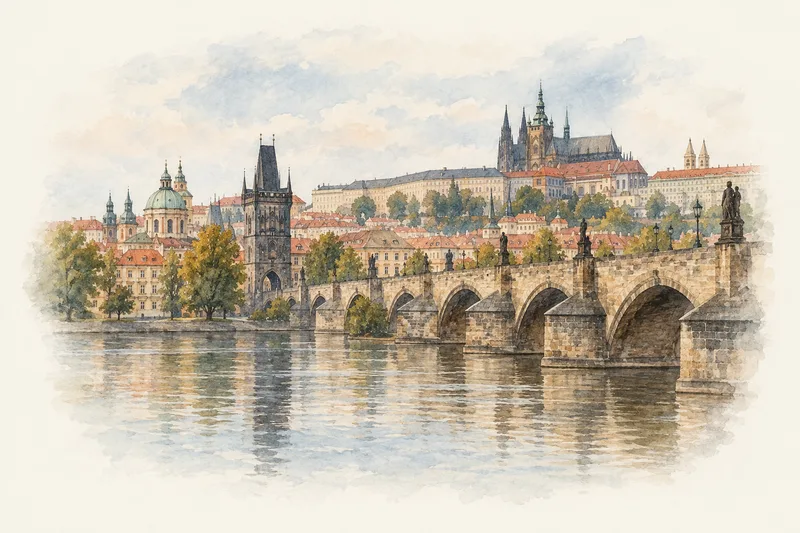
BEFORE YOUR FIRST MEAL
Navigating food allergies in Czechia
Czech meals often put a main protein, sauce and substantial side dish together, so checking only the named dish is not enough. Dumplings, bread, soups, coatings and creamy sauces recur across restaurants, cafés, pubs and home-style cooking. Recipes vary between regions and kitchens. Ask about the complete recipe, stock, garnish, shared oil and utensils before ordering, especially when a Czech-only menu gives little detail.
What to know first
Dumplings are a key check
Houskové, potato and other dumplings may accompany roast duck, goulash or svíčková. Ask what flour, bread, egg and milk are in the dumplings, not only the main dish.
Coatings and casseroles vary
Fried carp, fried cheese, potato pancakes and baked ham noodles can involve egg, wheat, dairy or breadcrumbs. Confirm the coating or custard and how it is cooked.
Explain the whole concern
Give a written Czech explanation of the food you avoid and ask staff to confirm every component, including soup, sauce, garnish and side dish. Do not rely on a menu heading alone.
Ask about preparation
Check whether oil, water, pans, boards or utensils are shared, and whether crumbs or sauce are added at the end. Ask for an uncoated or separately prepared version only if the kitchen confirms the details.
Read the complete label
EU food-information rules cover 14 allergen categories, which must stand out in prepacked ingredient lists; food sold without prepacking also requires allergen information, provided through national arrangements.
Understanding the food
Bread and potato dumplings, rye bread, soups, sauces, roast meats, freshwater fish, mushrooms, poppy seed, quark and orchard fruit connect Bohemia, Moravia and Czech Silesia. Wine country, pond country, mountain villages and modern Prague each reveal a different portion of the repertoire.
Historic lands and local agriculture produce distinct specialties.
| Region | Food landscape | Examples to explore |
|---|---|---|
| Prague & Central Bohemia | Capital restaurant culture and central Czech classics | Svíčková, roast meats, dumplings, pastries and modern Czech cooking |
| South Bohemia | Fish ponds, forests and farmhouse traditions | Carp, pike, mushrooms, potato dishes and creamy soups |
| Moravia | Vineyards, orchards, plum, pork and Wallachian baking | Slivovice, frgál, sauerkraut dishes and wine-cellar food |
| Silesia & mountain regions | Cool-climate grains, potatoes, cabbage and border exchange | Hearty soups, potato pancakes, smoked meat and regional cakes |
VisitCzechia emphasises a regional rather than purely national repertoire. South Bohemian pond fish, East Bohemian gingerbread, Moravian and Silesian pastries, Olomouc tvarůžky and mountain dishes attach products to landscapes and towns. [8]
Courtly and frugal foods coexist. Cream sauces and carefully prepared roasts sit beside potato pancakes, fruit dumplings, mushroom dishes and simple soups developed from household crops and preservation. [9]
Dumpling, sauce and roast are a system rather than separate icons.
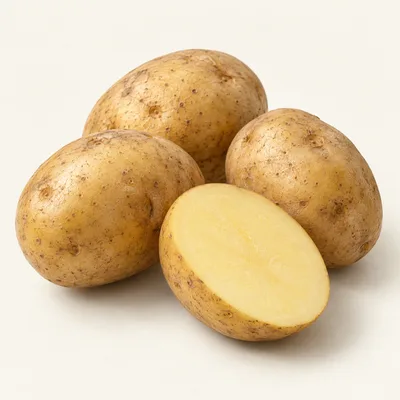 SIDE & SAUCE PARTNERPotato
Dumplings, pancakes, soups and regional side dishes
Dark sourdough breads and mixed-grain loaves
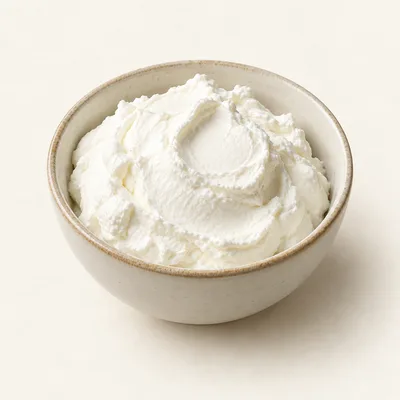 DAIRYQuark
Fruit dumplings, fillings, pastries and spreads
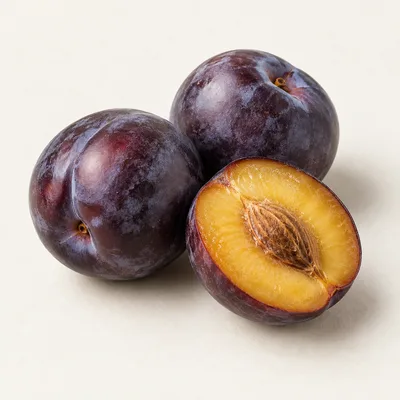 ORCHARD FRUITPlum
Jam, dumplings, cakes and Moravian distilling
Several dumplings serve different jobs. White-bread dumplings absorb cream or meat sauces; potato dumplings suit cabbage and smoked or roasted meat; fruit-filled dumplings can form a sweet main course rather than dessert. [9]
Caraway, marjoram, garlic and juniper build the savoury profile. These seasonings recur across bread, soups, pork, game and potato dishes, while poppy seed, plum butter and quark structure much of the sweet repertoire. [9][8]
A hospoda, wine cellar and modern Czech restaurant answer different questions.
Traditional pubs are strongest when the menu is focused. Soup, one or two roasts or sauces, dumplings and beer can show the everyday relationship between kitchen and brewery more clearly than an encyclopaedic tourist menu. [9][11]
The Czech Specials mark is a useful regional lead, not a universal guarantee. Participating restaurants commit to Czech and regional dishes with seasonal and local ingredients, including at least one soup and two mains. It helps locate tradition beyond Prague while leaving room to assess the individual restaurant. [10]
Food-culture sources checked .
A meal is more than its main
A traditional lunch may combine hot polévka, a principal meat dish with a side, and an optional sweet or salad. For roast duck, vepřo knedlo zelo or Czech goulash, ask separately about the meat, gravy, dumplings, cabbage and any finishing butter or cream. Soup may be the whole meal, yet bread or croutons can be added just before serving.
Dumplings, bread and coatings
Knedlíky are served sliced or in other forms, while bread appears in dumplings, open sandwiches and pub food. Ask whether houskové or Karlovy Vary dumplings contain wheat, egg or milk; whether potato dumplings use a binder; and whether fried carp, fried cheese or cauliflower shares oil with other coated foods.
Regional and recipe variation
The examples show regional breadth rather than one fixed recipe: Krkonoše kyselo uses rye sourdough, Valašský Frgál is an enriched regional pastry, and Moravian Sparrow is pork commonly paired with bread or wheat-based dumplings. Kulajda, mushroom dishes and sauces also vary. Ask about the exact kitchen version, stock, thickener and topping, including in home-style settings.
Ingredients worth recognising
Start with these ingredients, then follow their names and recorded food connections. Check the recipe and product actually used.
Wheat flour
It may thicken Czech soups and sauces or form dumplings, coatings, cakes and pastry. Check the complete recipe for goulash soup, kulajda, fried cheese, Valašský Frgál or dumplings, and ask whether crumbs or bread are added.
Bread
Bread may be a side, a dumpling base, a coating source or part of open sandwiches. Ask whether it is wheat- or rye-based and whether enriched bread contains egg, milk, sesame or soy.
Egg
Egg can bind potato pancakes, fried coatings, meatloaf and dumplings, or appear in sauces and baked dishes. Ask whether it is mixed through, brushed on, used in mayonnaise or added as a garnish.
Butter
Butter may finish fruit dumplings, potato dishes or mushroom kuba, and may be part of sauces. Ask whether butter is used in cooking or added afterwards, and check the complete recipe rather than assuming a dish is dairy-free.
Mustard Paste
Mustard appears with foods such as roast pork knee and in some Czech potato-salad variations. Ask whether it is in the sauce, dressing or garnish, and request the exact packaged ingredient information where the preparation is commercial.
Crucian Carp
Carp is a recorded fish ingredient relevant to fried carp dishes. Ask which fish is used, whether the coating contains egg or wheat, and whether the fish is fried in shared oil with other foods.
How food labelling works
EU food-information rules cover 14 allergen categories used as ingredients. On prepacked food, these must stand out in the ingredients list. The categories include gluten-containing cereals, crustaceans, eggs, fish, peanuts, soybeans, milk, specified nuts, celery, mustard, sesame, sulphites above the stated threshold, lupin and molluscs.
Allergen information is also required for food sold without prepacking, including restaurant meals. Ask how to obtain the information for the exact order. National arrangements affect how it is supplied; an ingredient declaration does not by itself describe shared equipment or handling.
If you avoid a food outside those categories, read the complete ingredients and name that food when speaking to staff. A short allergen key cannot answer every ingredient-specific question.
Language and communication
Czech is the national language to prioritise in a written explanation. Prepare the exact foods and ingredients you avoid, then ask for confirmation of the complete recipe, stock, sauce, toppings and preparation. Names such as knedlíky or chlebíček help with recognition, but they are not complete allergy requests.
English is recorded as a language used in Czechia, but confirmation may differ by person and setting. Czech regional dialects, particularly in Moravia, can affect wording, so keep the written explanation clear and ask staff to check with the cook. Do not assume a dish title or dietary label answers the question.
Eating in different settings
Daily-menu lunch
Daily menus may be written only in Czech and can combine soup, a main and a side. Before choosing, show your written explanation and ask what is in the soup, gravy, dumplings and garnish, including flour, egg, dairy, stock and shared preparation.
Lidová jídelna
At a self-service cafeteria, ask before taking a tray how dishes are assembled. Confirm whether the serving spoon, pan or sauce is shared, whether bread or crumbs are added, and whether a side listed with meat is separately prepared.
Pub or beer snack
For pickled Hermelín, beer cheese, fish snacks or pork with cabbage and dumplings, ask about the cheese, fish, bread, mustard, vinegar and toppings. Check whether bread is served on the same plate and whether food is assembled from shared containers.
Cukrárna or packaged-food shop
For cakes, pastry, preserves or bread, read the complete ingredient list and ask about the exact product rather than the display name. Check enriched dough, cream, butter, nuts, sesame, soy and any highlighted allergen category before buying.
Before you travel
Review your personal plan
Discuss your travel plans with your clinician and keep your prescribed medicines and emergency instructions accessible. Tell companions where these are and how to follow your plan.
Check your medicines before entering Czechia
Medicine rules and regulation can differ between the UK and Czechia. Before travel, read the TravelHealthPro guidance on travelling with medicines and ask the relevant authority whether each prescribed or bought medicine has different legal status, import or document requirements.
Make the first meals easier to organise
Contact your accommodation and transport providers in advance. Save your written food list, menu questions and destination address offline. Check entry restrictions before packing backup food, and plan how you will check meals during arrival and onward journeys.
Plan access to medical help
If you may be eligible for a GHIC or EHIC, check whether you have a valid card and what medically necessary state treatment it covers in Czechia. These cards are not travel insurance and may not cover private care, non-urgent treatment, additional standard costs or medical repatriation; confirm cover with your insurer.
Emergency resources
For a suspected severe allergic reaction, follow your prescribed emergency plan and seek urgent medical help. Give your exact location clearly.
Ambulance and urgent medical help
Dial 112 and ask for an ambulance.
Explore next
Your allergy in Czechia
Choose a food concern for the country notes and questions relevant to it.
Dishes in Czechia
Follow the ingredients and cuisine connections in individual dish records.
Your own food list
Combine allergy groups and individual ingredients in one guide, with local names where recorded.
Allergy cards
Prepare the information you need to explain your food requirements.
FAQs, sources and review dates
Can I order fried cheese or fried carp safely by name?
No. A version of fried cheese may contain milk, egg, wheat flour and breadcrumbs, while a version of fried carp may contain fish, egg and a wheat coating. Ask about the exact coating, frying oil, utensils and accompanying potatoes, sauce or salad.
What about mushrooms, which are outside common allergen groups?
Ask exactly which mushroom is used and whether it is fresh or dried. Mushroom dishes such as kuba, soups, sauces and smaženice can differ in their other ingredients, including butter, onion, egg, cream, bread or barley.
Does a vegetarian label answer the recipe question?
No. Ask what is actually in the named dish and whether meat, fish, egg, dairy, stock or shared equipment is involved. For Czech examples such as fried cheese, fruit dumplings or potato pancakes, confirm batter, topping and cooking method.
Sources checked: . This researched draft is awaiting editorial review. Practical questions apply the sources below to local food settings; they do not confirm any individual meal's ingredients or preparation.
Sources & references (11)
- FCDO · Czechia health and medical assistance
Emergency contact details, local healthcare and medicine guidance. UK-specific eligibility does not apply to every visitor.
- Wikivoyage contributors · Czechia
Community-edited culinary context only; not an allergy or medical authority. Brief food-context adaptations, CC BY-SA 4.0: https://creativecommons.org/licenses/by-sa/4.0/. Recipe questions also use PlateSafe’s draft records.
- FARE · Dining out
General recipe and preparation questions, applied here to country-specific food examples.
- FARE · Travelling with food allergies
General preparation, written communication and access to prescribed medicines. Not country-specific import permission.
- PlateSafe · Czechia recorded food connections
Existing draft dish and ingredient records, used as examples to investigate. These are not independently verified recipes or suitability assessments.
- Unicode CLDR · Territory language data
Language suggestions. Regional language needs must be confirmed with the particular food provider.
- European Commission · Allergen information
Scoped allergen-labelling summary. Does not establish an individual meal’s ingredients or preparation.
- VisitCzechia — Czech cuisine and regional products
- VisitCzechia — What is Czech cuisine like?
- VisitCzechia — Czech Specials
- VisitCzechia — Traditions and gastronomy