
BEFORE YOUR FIRST MEAL
Navigating food allergies in Democratic Republic of the Congo
Food in the Democratic Republic of the Congo varies by recipe and place, so a familiar name may not describe every ingredient. Moambe is associated with palm nuts, chicken, fish, peanuts, rice, cassava leaves, bananas and hot pepper sauce, while other dishes centre on leafy greens, fish or wheat flour. Discuss the complete preparation before ordering.
What to know first
Sauces can change the dish
Moambe chicken may have peanut butter added in some regional preparations. Ask whether the sauce contains peanut, palm-nut ingredients, stock, oil or a separate seasoning mixture.
Leafy dishes need a full recipe check
Bitekuteku, fumbwa stew, matembele and saka saka can have different additions. Ask whether fish, ground peanut or another thickener is included in this particular pot.
Explain the whole meal
Tell the cook or server exactly what must be avoided, then ask about the main dish, sauce, stock, garnish, cooking oil and shared utensils rather than relying on its name.
Preparation matters
Ask whether fish, peanut-enriched sauces or wheat-based mikate are cooked in separate equipment, and whether the same oil, water, pan or serving spoon is used.
Read every ingredient list
Checked national label notes are not available here. For packaged foods, read the complete ingredient list and ask about ambiguous names, oils, mayonnaise and flavourings.
Understanding the food
Cassava roots and leaves, maize, plantain, rice, beans, groundnuts, palm products and freshwater fish form recurring foundations across an exceptionally large country. Kinshasa, the Congo Basin, Kasaï, Katanga and the Great Lakes east combine them through different languages, crops and neighbouring food traditions.
Staples shift across river basin, savanna and highland zones.
| Region or setting | Food landscape | Examples to explore |
|---|---|---|
| Kinshasa & west | Cassava, river fish, urban markets and national migration | Chikwangue, pondu, liboke, grilled fish and meat |
| Congo Basin & north | Great rivers, forest foods, plantain and cassava | Smoked fish, leaf sauces, plantain and seasonal gathered foods |
| Kasaï & southern savannas | Cassava, maize, groundnuts and poultry | Fufu, tshisamunyi-style greens and groundnut sauces |
| Katanga & Great Lakes east | Maize, beans, rice, fish, milk and cross-border exchange | Ugali/fufu, lake fish, sombe and bean dishes |
Cassava is the most consistent national thread. FAO records roots, flour, paste and leaf preparations across almost every province. Both the root and properly processed leaves are eaten, but their forms and names change by language and region. [7][8]
Eastern food systems have their own lake and highland logic. Research in South Kivu and Tanganyika follows cassava, rice, milk and fish between farms, processors and the cities of Bukavu and Kalemie. That corridor differs from Kinshasa’s river-facing market system. [9]
The starch carries a concentrated leaf, nut or palm sauce.
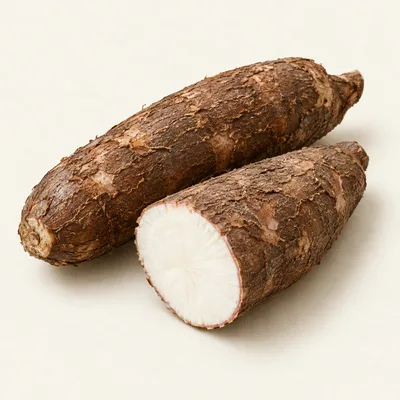 ROOT & LEAFCassava
Chikwangue, fufu and pounded leaf sauces
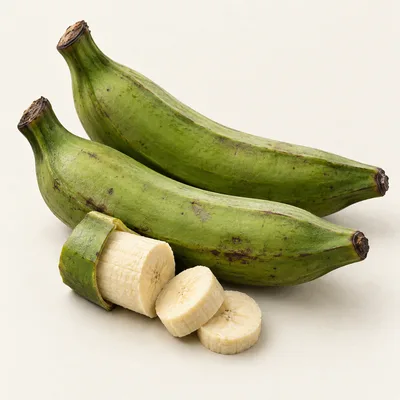 STARCHPlantain
Boiled, fried or pounded as lituma
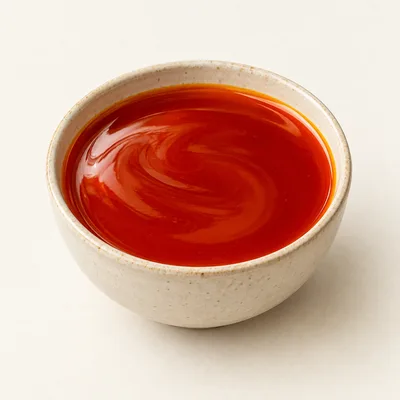 SAUCE FATRed palm oil
Colour and richness in stews and leaf dishes
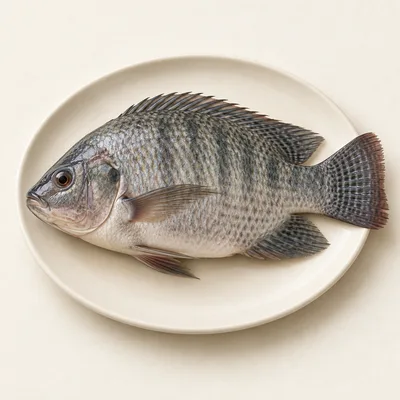 RIVER & LAKEFreshwater fish
Grilled, fried, smoked or steamed in leaves
Pondu or sombe is a process, not just “cassava leaves”. Leaves are pounded and cooked thoroughly, often with palm oil, groundnut, fish or other additions. Texture, cooking time and household seasoning determine the finished sauce. [7][8]
Preservation connects remote production to urban meals. Fish may be smoked or dried, cassava fermented into durable chikwangue, and crops milled or pounded before transport. These forms respond to distance and infrastructure as much as taste. [9][10]
Kinshasa gathers the country, but it does not flatten regional identity.
Malewa and neighbourhood kitchens foreground everyday combinations. A starch with pondu, beans, fish, chicken or meat shows how the meal is assembled more clearly than a list of national dishes. Ask which province or community a preparation reflects. [7][9]
Ingredient access changes between city and countryside. Fresh river or lake fish, particular leaves and local cassava products may be seasonal or costly far from their source. Substitution and preservation are part of the real food system, not deviations from it. [9][10]
Food-culture sources checked .
Moambe and mixed components
Moambe is recorded with palm nuts, chicken, fish, peanuts, rice, cassava leaves, bananas and hot pepper sauce. Treat that as a recipe description, not a fixed formula: ask which of these are present, whether peanut is blended into the sauce, and whether stock or toppings are added. Confirm the rice, protein and sauce separately, especially when a shared pot is served.
Leafy-green stews
Bitekuteku, fumbwa stew, matembele and saka saka are useful names to investigate, but their recorded connections show variation rather than one universal recipe. Ask whether the greens were cooked with ground peanut or peanut paste, whether fish was added, and whether the same pot contains a seasoning or stock you need to avoid. Clarify the complete recipe before choosing a side.
Fish, dried fish and grilling
Fish is central to Fish Liboke and poisson braisé; kapenta stew uses small freshwater fish, while makayabu and ndakala use salted or small dried fish. Sambaza is also primarily small fish. Ask about the species or form used, marinades, sauce, cooking surface, shared oil and whether dried fish is mixed into a vegetable dish.
Ingredients worth recognising
Start with these ingredients, then follow their names and recorded food connections. Check the recipe and product actually used.
Fish
Fish may be the defining protein in Fish Liboke or poisson braisé, or an addition to leafy stews. Ask which fish is used, whether it is fresh, dried or salted, and whether stock or sauce contains other ingredients.
Wheat flour
Wheat flour is a core ingredient in mikate. Ask whether the dough includes other flours, milk, egg or a seasoning, and whether frying oil or preparation surfaces are shared with other foods. Explain exactly which ingredients you need to avoid.
Peanut Paste
Peanut paste appears in some versions of cooked leafy-green dishes and can enrich saka saka; peanut-based sauces are also recorded with some moambe chicken. Ask whether it is blended into the whole pot or added only to one portion.
Mayonnaise
Mayonnaise is recorded with Poulet Mayo and commonly contains egg, although formulations differ. Ask to see the container or complete ingredient list, whether the sauce is homemade, and whether the spoon or bowl is shared with other dishes.
Vegetable Oil
Vegetable oil may be used for cooking, but it is not clear which oil. Ask which oil is used, whether the bottle or blend is identified, and whether the same oil is used for mikate, fish or other foods.
Kapenta (small dried freshwater fish)
Kapenta is made from small dried freshwater fish and defines kapenta stew. Ask whether it is added whole or ground, whether it is combined with a leafy stew or stock, and how it was stored and cooked.
How food labelling works
A current, country-specific allergen-labelling summary for Democratic Republic of the Congo has not yet been verified for this guide. Do not transfer the list of regulated allergens or restaurant disclosure rules from your home country to this one.
Read the complete ingredients on the actual package and keep any local-language sticker with the original label. For imported products, compare the information on that pack rather than a photograph of the brand sold elsewhere. Ask the manufacturer or seller to clarify an unfamiliar term.
For loose food or meals prepared to order, ask who can check the recipe and the labels on bought-in ingredients. Explain every food you avoid, including ingredients outside familiar allergy groups; a short symbol chart may not cover your list.
Language and communication
French is the national lingua franca to prioritise when explaining a food allergy or another dietary restriction. Prepare a written explanation in French, naming the ingredients and preparation details that must be checked. Ask the server to confirm the complete recipe, not merely recognise the dish name.
Lingala is heard in Kinshasa and much of the west, while Swahili is important in the eastern half. Kikongo and Tshiluba are also major regional languages. Use the locally relevant language where possible, and seek confirmation from someone who understands the exact request.
Eating in different settings
Market or prepared-food counter
For a stall serving fish, leafy greens or rice, point to the exact pot and ask whether peanut paste, fish stock or dried fish is included. Ask which spoon, pan and oil were used, and whether a clean serving utensil can be used.
Bakery or fried-food seller
When considering mikate, ask whether the dough is made with wheat flour and what else is mixed in. Check the frying oil, shared fryer, work surface and utensils, and ask whether the portion can be identified from its complete recipe.
Restaurant or shared meal
For moambe chicken, saka saka, fumbwa stew or Poulet Mayo, ask about sauce, stock, garnish and mayonnaise separately from the protein. Confirm whether a shared pot, serving spoon or cooking oil touches the food you plan to eat.
Packaged-food shop
Read the entire ingredient list on sauces, mayonnaise, oil and flour products rather than relying on front-label wording. If the oil source, flavouring or formulation is unclear, ask a shop worker or manufacturer and do not assume a dietary description settles it.
Before you travel
Review your personal plan
Discuss your travel plans with your clinician and keep your prescribed medicines and emergency instructions accessible. Tell companions where these are and how to follow your plan.
Check your medicines before entering Democratic Republic of the Congo
Medicine rules in the Democratic Republic of the Congo can differ from those in the UK. Check TravelHealthPro guidance before travel, and carry regular medicines in properly marked packaging with enough for the trip. Confirm any import or documentation requirements with the relevant authority before departure.
Make the first meals easier to organise
Contact your accommodation and transport providers in advance. Save your written food list, menu questions and destination address offline. Check entry restrictions before packing backup food, and plan how you will check meals during arrival and onward journeys.
Plan access to medical help
Medical care is described as extremely limited, with better-equipped options concentrated in Kinshasa; outside the capital, suitable facilities may be difficult to find. Check current provider information, ask your insurer what treatment and evacuation costs are covered, and ensure accessible funds for treatment abroad or repatriation. Confirm what facilities are available in your intended region before travel.
Emergency resources
For a suspected severe allergic reaction, follow your prescribed emergency plan and seek urgent medical help. Give your exact location clearly.
Ambulance and urgent medical help
There is no country-wide medical emergency line. Contact a hospital directly for an ambulance; save a suitable hospital’s details for each place you will stay.
Explore next
Your allergy in Democratic Republic of the Congo
Choose a food concern for the country notes and questions relevant to it.
Dishes in Democratic Republic of the Congo
Follow the ingredients and cuisine connections in individual dish records.
Your own food list
Combine allergy groups and individual ingredients in one guide, with local names where recorded.
Allergy cards
Prepare the information you need to explain your food requirements.
FAQs, sources and review dates
Could moambe chicken contain both chicken and fish?
Moambe may include chicken and fish among its eight ingredients, while peanut butter may be used in some regional chicken sauces. Ask whether this serving contains fish, peanut, palm nuts, stock and hot pepper sauce, and whether the kitchen follows a different local recipe.
Is a dish with peanut paste automatically the same everywhere?
No. Peanut paste is recorded in some versions of fumbwa, matembele and saka saka, while other preparations may differ. Ask whether it is in the cooking pot, added as a topping, or absent from this batch. Confirm oils, stock and shared utensils as well.
What should I ask about coconut or pine nuts?
Do not assume either ingredient belongs to a legal or botanical allergen group. Ask directly whether coconut or pine nuts are present in the complete recipe, sauce, garnish or oil, and ask about shared equipment if a separate preparation is requested.
Sources checked: . This researched draft is awaiting editorial review. Practical questions apply the sources below to local food settings; they do not confirm any individual meal's ingredients or preparation.
Sources & references (10)
- FCDO · Democratic Republic of the Congo health and medical assistance
Emergency contact details, local healthcare and medicine guidance. UK-specific eligibility does not apply to every visitor.
- Wikivoyage contributors · Democratic Republic of the Congo
Community-edited culinary context only; not an allergy or medical authority. Brief food-context adaptations, CC BY-SA 4.0: https://creativecommons.org/licenses/by-sa/4.0/. Recipe questions also use PlateSafe’s draft records.
- FARE · Dining out
General recipe and preparation questions, applied here to country-specific food examples.
- FARE · Travelling with food allergies
General preparation, written communication and access to prescribed medicines. Not country-specific import permission.
- PlateSafe · Democratic Republic of the Congo recorded food connections
Existing draft dish and ingredient records, used as examples to investigate. These are not independently verified recipes or suitability assessments.
- Unicode CLDR · Territory language data
Language suggestions. Regional language needs must be confirmed with the particular food provider.
- FAO — Root and tuber crops in the Democratic Republic of the Congo
- FAO — The cassava transformation in Africa
- FAO AGRIS — Cassava, rice, milk and fish value chains in South Kivu and Tanganyika
- FAO — Democratic Republic of the Congo country brief