
BEFORE YOUR FIRST MEAL
Navigating food allergies in Djibouti
Djibouti’s recorded food examples include breads, pastries, pasta dishes, legumes and sweet preparations, with wheat, fish, sesame, dairy and egg appearing in different recipes. A dish name alone cannot establish its ingredients. Ask how the complete recipe is made, which oil and stock are used, and whether toppings, fillings, utensils or cooking surfaces are shared.
What to know first
Flour-based dishes vary
Canjeero, muufo, malawah, sabayad, aseeda, kac-kac and sambusa are recorded with wheat flour, but the preparation and added ingredients differ between recipes.
Fillings and toppings matter
Bajiya has a tuna filling, while ful medames may have tahini and xalwo may include nuts or peanuts; check the complete dish rather than its name.
Explain the whole concern
Prepare a written explanation covering wheat or gluten, fish, sesame, milk, egg, peanuts or other ingredients, then ask staff to confirm the recipe, toppings and cooking method.
Ask about preparation
Check the flour, batter, filling, sauce and finishing ingredients, plus shared oil, water, utensils and surfaces. Ask whether the food is assembled separately from other dishes.
Read the full label
Read the complete ingredients and allergen information on the actual product. If you avoid a food that is not highlighted, ask the producer or food provider to check it specifically.
Understanding the food
Rice, flatbreads, pasta, goat, camel, fish, dates and aromatic spice mixtures reflect a hot, arid country connected to Ethiopia, Somalia, Yemen, the Indian Ocean and French colonial history. Djibouti City concentrates the widest restaurant range, while pastoral and coastal foods remain tied to movement and place.
Port, coast and pastoral interior organise access to food.
| Setting | Food landscape | Examples to explore |
|---|---|---|
| Djibouti City | Port commerce and the country’s main restaurant market | Skoudehkaris, fah-fah, sambusas, Yemeni fish and international food |
| Tadjourah & Obock coasts | Red Sea fishing and maritime links | Grilled fish, spiced rice and simple coastal plates |
| Ali Sabieh, Arta & Dikhil | Pastoral routes and inland settlements | Goat, camel products, flatbreads and preserved staples |
| Ramadan & celebrations | Shared evening meals, sweets and fried snacks | Sambusas, soups, dates and spiced rice dishes |
The tourism agency calls the cuisine a cultural mixture. African, Asian and European influences meet through spice blends used with meat and fish. More precisely, Somali, Afar and Yemeni foodways form much of the regional foundation. [7][10]
Geography concentrates public dining in the capital. Djibouti City holds most economic activity and a large share of the population, while the five regions circle the Gulf of Tadjourah across arid and mountainous terrain. [9][8]
Warm spices connect grain, meat and fish.
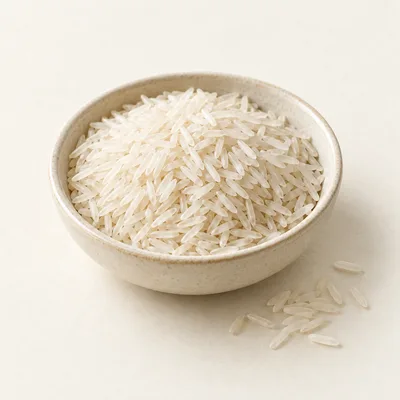 GRAINRice
Spiced pilaf-style dishes and shared platters
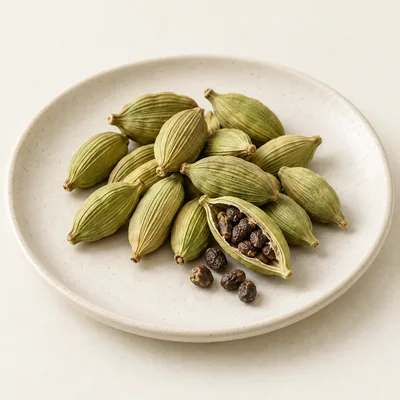 AROMATICCardamom
A component in rice, tea and spice mixtures
Stews, soups and grilled preparations
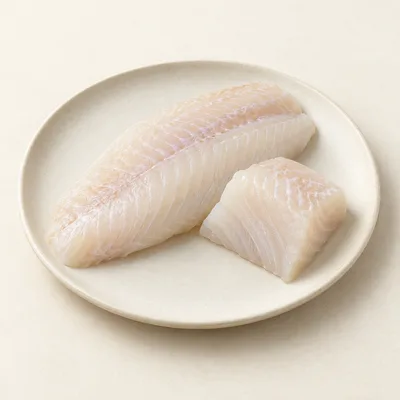 RED SEAFish
Grilled whole and served with spice and bread
Skoudehkaris makes the spice mixture visible. Rice cooks with meat, tomato and warming aromatics in a dish often associated with celebrations and generous shared meals. The exact blend varies by household. [7]
Fah-fah links soup to pastoral ingredients. Goat or another meat simmers with vegetables and spices into a broth eaten with bread. It shows how imported grain and mobile livestock foods meet in one bowl. [7][9]
In the capital, restaurant identity often signals a regional connection.
Yemeni fish restaurants have a distinct format. Whole fish may be chosen, seasoned and cooked in a high-heat oven, then eaten with flatbread and sauces. Somali and Ethiopian restaurants offer different grains, breads and shared-plate conventions. [7]
Tea and coffee are part of hospitality rather than an afterthought. Spiced tea, coffee and dates can mark pauses in the day and social visits. During Ramadan, meal timing and the range of evening foods change substantially. [10]
Food-culture sources checked .
Breads and flat preparations
Examples include canjeero, muufo, malawah and sabayad. Wheat flour is commonly or typically used in each, with malawah sometimes including butter and egg. Ask whether the batter or dough contains only the stated flour and whether butter, egg or another finishing ingredient is added. Check whether the same griddle, knife or serving utensil is used for other preparations.
Pastry, snacks and fillings
Sambusa and bajiya are pastry-based examples: both have wrappers made from wheat flour, while bajiya has tuna as a core filling. Kac-kac is a wheat-flour dough that may use cow milk or egg in some recipes. Ask about the wrapper, binder, filling, frying oil and shared utensils rather than assuming all versions follow one formula.
Pasta, pulses and accompaniments
Baasto iyo suugo is recorded with wheat pasta, and some pasta varieties may contain egg. Ful medames may be served with tahini as an occasional topping, while Cambuulo may use sesame oil as a finishing or cooking oil. Ask whether the sauce, garnish and cooking water are separate from other dishes and which oil was used.
Sweet dishes and recipe variation
Aseeda uses wheat flour as a typical base and may be accompanied or finished with butter. Xalwo can incorporate or carry nuts, with peanuts included in some versions. These examples show recipe variation rather than a universal formula: ask about the exact preparation, garnish, dairy, nuts and any oil or utensil used.
Ingredients worth recognising
Start with these ingredients, then follow their names and recorded food connections. Check the recipe and product actually used.
Wheat flour
Wheat flour is recorded in canjeero, muufo, malawah, sabayad, aseeda, kac-kac and pastry wrappers. Ask whether the complete recipe uses wheat flour, another flour or a blend, and whether the same board, griddle or utensil is used.
Tuna
Tuna is the core filling recorded for bajiya. Ask whether the filling is tuna alone or includes a sauce, stock or garnish, and confirm how it is handled, cooked and served in relation to other fillings.
Olive
Olives may be served as a processed or cured ingredient. Some such olives may use sulfites, although this is not universal. Ask how the olives were prepared, whether anything was added, and whether they share a serving dish or utensil.
Sesame Oil
Sesame oil is recorded as a possible cooking or finishing oil for Cambuulo. Ask which oil was used, whether it was added at the end, and whether the pan, ladle or bottle is shared with other preparations.
Butter
Butter is a common accompaniment or finishing ingredient for aseeda and is used in some malawah preparations. Ask whether butter was added to the dough, pan or plate, and whether another dairy ingredient is present in the full recipe.
Egg
Egg may occur in some pasta varieties, kac-kac doughs and enriched malawah doughs. Ask specifically about the pasta or dough formulation, any egg wash or binder, and whether utensils and cooking water are shared.
How food labelling works
A current, country-specific allergen-labelling summary for Djibouti has not yet been verified for this guide. Do not transfer the list of regulated allergens or restaurant disclosure rules from your home country to this one.
Read the complete ingredients on the actual package and keep any local-language sticker with the original label. For imported products, compare the information on that pack rather than a photograph of the brand sold elsewhere. Ask the manufacturer or seller to clarify an unfamiliar term.
For loose food or meals prepared to order, ask who can check the recipe and the labels on bought-in ingredients. Explain every food you avoid, including ingredients outside familiar allergy groups; a short symbol chart may not cover your list.
Language and communication
French and Arabic are Djibouti’s official languages. Prepare a written explanation in both, naming each ingredient of concern and asking for confirmation of the complete recipe, sauce, topping, oil, utensils and preparation surface. Use dish names only as recognition aids, not as a complete request.
Somali and Afar are widely spoken, so consider a written explanation in the language relevant to the people serving you when that can be arranged. Regional communication may matter: ask the person preparing the food to confirm the ingredients rather than relying on a brief dish name or assumption about a familiar recipe.
Eating in different settings
Local restaurant or community dining room
For canjeero, muufo, malawah or aseeda, ask whether wheat flour, butter or egg is used and whether the griddle, knife and serving utensils are shared. For a complete answer, ask about finishing ingredients and request confirmation from the person preparing the dish.
Snack counter or fried-food stall
When considering sambusa or bajiya, ask what the wrapper contains, whether bajiya has tuna, and which oil is used. Check whether other foods share the fryer, oil, tongs or draining surface, and ask about sauces or added toppings.
Shared meal or catered table
For ful medames, Cambuulo or xalwo, ask which toppings and oils were added before serving. Confirm whether tahini, sesame oil, nuts or peanuts are present, and request separate serving utensils where the preparation arrangement allows it.
Packaged-food shop
For pasta, flour, oils, olives or sweets, read the complete ingredient list rather than relying on the product name. Ask about unfamiliar terms, the pasta formulation and any processing added to cured olives; do not assume a plain-looking item has a simple recipe.
Before you travel
Review your personal plan
Discuss your travel plans with your clinician and keep your prescribed medicines and emergency instructions accessible. Tell companions where these are and how to follow your plan.
Check your medicines before entering Djibouti
The legal status and regulation of some medicines prescribed or bought in the UK can differ in Djibouti. Before travelling, read TravelHealthPro’s best-practice guidance for travelling with medicines and check the requirements for each medicine with the relevant authority.
Make the first meals easier to organise
Contact your accommodation and transport providers in advance. Save your written food list, menu questions and destination address offline. Check entry restrictions before packing backup food, and plan how you will check meals during arrival and onward journeys.
Plan access to medical help
Medical facilities in Djibouti are limited. Arrange adequate travel health insurance and accessible funds for treatment abroad and possible repatriation. For provider options, consult the FCDO list of medical providers in Djibouti; confirm eligibility, costs and available support with your insurer.
Emergency resources
For a suspected severe allergic reaction, follow your prescribed emergency plan and seek urgent medical help. Give your exact location clearly.
Ambulance and urgent medical help
Call 21 35 09 62 or 21 35 27 12 and ask for an ambulance.
Explore next
Your allergy in Djibouti
Choose a food concern for the country notes and questions relevant to it.
Dishes in Djibouti
Follow the ingredients and cuisine connections in individual dish records.
Your own food list
Combine allergy groups and individual ingredients in one guide, with local names where recorded.
Allergy cards
Prepare the information you need to explain your food requirements.
FAQs, sources and review dates
Can I treat canjeero or sambusa as automatically suitable because they have familiar names?
No. Canjeero is commonly recorded with wheat flour, while sambusa has a wheat-flour wrapper, but the complete recipe still needs checking. Ask about fillings, batter, oil, toppings, shared surfaces and utensils, especially if the concern involves wheat, gluten or another ingredient.
What should I ask about xalwo if I am concerned about peanuts or other nuts?
Ask whether the particular xalwo contains nuts and whether peanuts were incorporated or used as a garnish. The recorded connection applies to some preparations, not all. Also ask whether the serving spoon, tray or garnish container is shared with other sweets.
How should I check olives when sulfites are a concern?
Ask whether the olives are cured or otherwise processed and whether anything was added during that preparation. Sulfites may occur in some processed or cured olives but are not universal. Read the complete ingredient list for packaged olives and seek clarification on an unfamiliar product.
Sources checked: . This researched draft is awaiting editorial review. Practical questions apply the sources below to local food settings; they do not confirm any individual meal's ingredients or preparation.
Sources & references (10)
- FCDO · Djibouti health and medical assistance
Emergency contact details, local healthcare and medicine guidance. UK-specific eligibility does not apply to every visitor.
- Wikivoyage contributors · Djibouti
Community-edited culinary context only; not an allergy or medical authority. Brief food-context adaptations, CC BY-SA 4.0: https://creativecommons.org/licenses/by-sa/4.0/. Recipe questions also use PlateSafe’s draft records.
- FARE · Dining out
General recipe and preparation questions, applied here to country-specific food examples.
- FARE · Travelling with food allergies
General preparation, written communication and access to prescribed medicines. Not country-specific import permission.
- PlateSafe · Djibouti recorded food connections
Existing draft dish and ingredient records, used as examples to investigate. These are not independently verified recipes or suitability assessments.
- Unicode CLDR · Territory language data
Language suggestions. Regional language needs must be confirmed with the particular food provider.
- Djibouti National Tourism Agency — Djiboutian gastronomy
- Djibouti National Tourism Agency — The regions
- Djibouti National Tourism Agency — About Djibouti
- Djibouti National Tourism Agency — Culture