

BEFORE YOUR FIRST MEAL
Navigating food allergies in Dominica
Dominica’s recorded food examples span soups, dumplings, bakes, salted fish, crab dishes and coconut-based preparations. A familiar name may conceal wheat flour, milk, egg, fish, crustacean or a shared cooking step. Ask for the complete recipe, including stock, batter, toppings and cooking oil, and explain your needs before ordering, especially where recipes vary.
What to know first
Soups and stews
Callaloo soup may use dasheen leaves, coconut milk and sometimes land crab; goat water, octopus soup and fish broth have different bases, so ask what is in the pot.
Bakes and dumplings
Wheat flour appears in bakes, dumplings, fritters and coatings, including coconut bake, bouyon dumplings, saltfish accra and mountain chicken; cassava or cornmeal does not settle the recipe.
Explain the whole dish
Ask whether stock, sauce, batter, filling, garnish and cooking liquid contain the ingredient you avoid, then ask whether utensils, pans, oil or water are shared.
Preparation details
For fried or battered food, ask what the coating contains and whether the oil is shared. For soups, ask about stock, dumplings and additions made during cooking.
Reading labels
Read the complete ingredients and allergen information on the actual product. If you avoid a food that is not highlighted, ask the producer or food provider to check it specifically.
Understanding the food
Root crops, plantain, breadfruit, coconut, herbs, cacao, tropical fruit and coastal fish support a Creole cuisine shaped by Kalinago knowledge, African and European histories and Caribbean exchange. The island’s small scale makes season and community especially visible on the plate.
Coast, interior gardens and Kalinago Territory tell different food stories.
| Setting | Food landscape | Examples to explore |
|---|---|---|
| Roseau & west coast | Markets, Creole lunch counters and urban restaurants | Callaloo soup, stewed meats, provisions, bakes and fresh juice |
| Fishing villages | Daily catch, coconut and open-fire cooking | Grilled fish, fish broth, saltfish and seasonal shellfish |
| Interior & farm communities | Root crops, plantain, herbs, fruit and cacao | Ground provisions, dasheen, breadfruit and cocoa tea |
| Kalinago Territory | Indigenous crop knowledge, cassava and community tourism | Cassava bread, plant foods and locally interpreted food experiences |
Discover Dominica frames cuisine through local produce and Creole technique. The island’s fertile terrain supports root vegetables, herbs and tropical fruit, while fishing communities add a changing marine catch. Menus therefore follow weather and season closely. [7][9]
Kalinago food knowledge should remain community-led. Cassava cultivation and processing belong within a living Indigenous culture, not a generic historical footnote. Experiences in the Territory should identify who is sharing the knowledge and how it is used today. [8]
Ground provisions give the meal its weight.
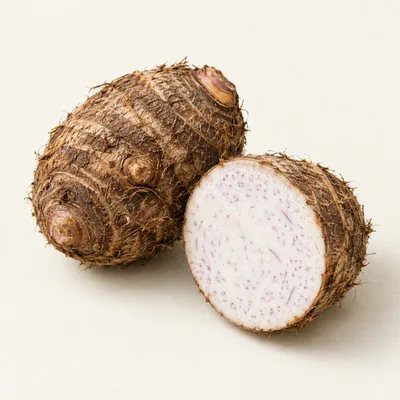 ROOTDasheen
Tuber and leaves used in soups and sides
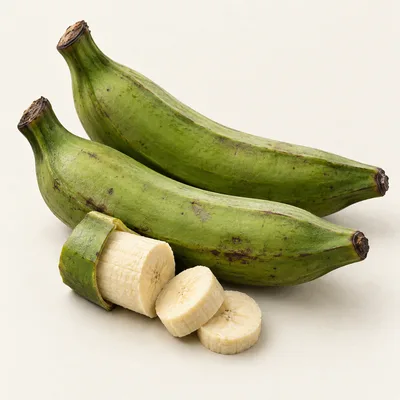 TROPICAL STARCHPlantain
Boiled, fried, roasted or mashed
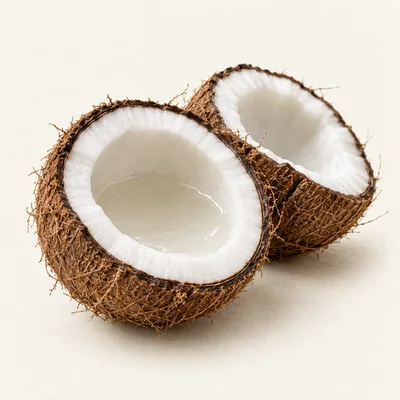 TREE CROPCoconut
Milk and flesh in rice, stews and sweets
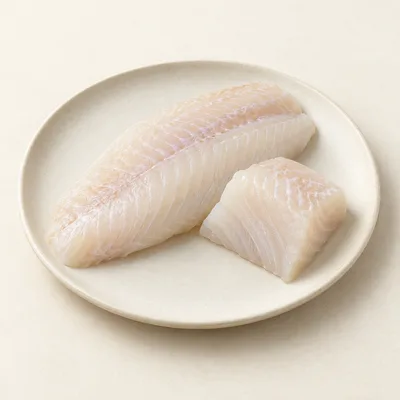 COASTAL PROTEINFish
The species and preparation follow the day’s catch
Callaloo is both leaf and finished soup. Dasheen leaves cook with coconut milk, aromatics and optional crab or meat into the national dish. Asking about the additions explains more than the title alone. [7]
“Provisions” means a changing group, not one ingredient. Dasheen, tannia, yam, cassava, sweet potato, green banana or plantain may be boiled together and served with fish or stew. The day’s harvest determines the mix. [7][9]
Small kitchens and roadside stops often give the clearest seasonal meal.
Look for the lunch rhythm. Creole restaurants and cook shops commonly prepare a finite selection of rice, peas, provisions, vegetables and stewed or grilled proteins. Arriving earlier offers the widest choice. [7]
Food festivals and village events broaden the catalogue. Seasonal fruit, fish, cacao, root crops and community recipes may appear more visibly at local celebrations than on an everyday restaurant menu. [9]
Food-culture sources checked .
Soups, broths and one-pot dishes
Callaloo soup is recorded with young dasheen leaves and coconut milk, sometimes land crab; goat water soup and octopus soup are also examples. Fish broth may include fish, celery aromatics and, in some versions, wheat-flour dumplings. Ask whether a shared stock, thickener or finished garnish was added to the whole pot.
Cassava, plantain and breadfruit
Kalinago cassava bread may contain spices and coconut milk, while kanki uses grated cassava and spices wrapped in banana leaf. Cassava dumplings can use wheat flour as a binder. Plantain porridge may use cow milk or coconut milk, and breadfruit pie may include dairy or egg, so confirm the complete preparation.
Salted fish and seafood
Salted cod is recorded with green fig and saltfish, provision and saltfish, roasted breadfruit and saltfish, saltfish cakes, accra and saltfish and bakes. Crab back uses crab and may use bread crumbs, butter or egg. Ask which fish or seafood is present, how it was soaked or seasoned, and whether the cooking surface is shared.
Bakes, cakes and fried coatings
Bakes, coconut bake, sweet bread, black cake and coconut sugar cake commonly have wheat flour, with butter, cow milk or egg appearing in some examples. Mountain chicken has a wheat-flour coating and may use egg. Ask about flour, wash, crumbs, fillings and the oil used for frying rather than judging from the dish name.
Ingredients worth recognising
Start with these ingredients, then follow their names and recorded food connections. Check the recipe and product actually used.
Wheat flour
Wheat flour is the dough or binder in bakes, dumplings, pone, fritters, cakes and coatings, including coconut bake, bouyon and saltfish accra. Ask whether flour is in the main item, gravy, dumpling, crumb or batter, and whether a separate preparation is actually made without it.
Coconut
Coconut appears as milk in callaloo soup, codfish in coconut milk, plantain porridge and cassava bread, and as grated coconut in other preparations. Ask whether coconut milk, cream or grated coconut was used, and what else was added to the same pot or mixture.
Crab
Crab is recorded in callaloo soup variations and crab back, where it may be combined with bread crumbs, butter or egg. Ask whether the dish contains crab meat, crab stock or shell-filled stuffing, and whether seafood tools or cooking surfaces are shared.
Butter
Butter is used in some bakes and is common in breadfruit pie, cassava pone, sweet bread, black cake and crab-back preparation. Ask whether butter is in the dough, filling, greasing fat or sauce, and whether a labelled substitute has a complete ingredient list.
Celery
Celery may be used with onion and garlic as an aromatic in fish broth. It may not be obvious in the finished bowl, so ask specifically about the stock base and any seasoning vegetables added before serving, rather than asking only about visible ingredients.
How food labelling works
A current, country-specific allergen-labelling summary for Dominica has not yet been verified for this guide. Do not transfer the list of regulated allergens or restaurant disclosure rules from your home country to this one.
Read the complete ingredients on the actual package and keep any local-language sticker with the original label. For imported products, compare the information on that pack rather than a photograph of the brand sold elsewhere. Ask the manufacturer or seller to clarify an unfamiliar term.
For loose food or meals prepared to order, ask who can check the recipe and the labels on bought-in ingredients. Explain every food you avoid, including ingredients outside familiar allergy groups; a short symbol chart may not cover your list.
Language and communication
English is Dominica’s official language, and French patois is also recorded. Prepare a written explanation in English first, naming the exact ingredient or preparation concern and asking for a complete recipe, stock, sauce, batter and cooking method. Keep the wording specific to the dish you are considering.
French patois is relevant to the language context, but names alone are recognition aids rather than a complete request. If communication varies by region or setting, show the written explanation and ask the person preparing the food to confirm each component, including shared oil, water, pans and utensils.
Eating in different settings
Market stall or food counter
For callaloo soup, crab back, accra or saltfish cakes, ask what was added to the pot or batter and whether the item was cooked in shared oil. Ask whether the serving spoon, pan or preparation surface has also been used for other foods.
Bakery or bread counter
Ask for the full ingredient list for bakes, coconut bake, sweet bread, black cake and coconut sugar cake. Check flour, butter, milk, egg and crumbs, and ask whether the displayed item shares trays, tongs, filling equipment or work surfaces.
Restaurant or cooked meal
Before choosing goat water, fish broth, bouyon, pelau or breadfruit pie, ask about stock, dumplings, thickener, milk, egg and the protein used. Confirm whether the cook can identify the complete recipe and whether a separate pan, oil or serving utensil is used.
Accommodation or packaged-food shop
For ingredients used in self-catering, read the complete label on flour, crumbs, butter, coconut products, dried fruit and oils. Ask the shop or host about the preparation of ready-made food, and keep ingredients separate from shared boards, knives, pans and cooking water.
Before you travel
Review your personal plan
Discuss your travel plans with your clinician and keep your prescribed medicines and emergency instructions accessible. Tell companions where these are and how to follow your plan.
Check your medicines before entering Dominica
Medicine rules can differ between the UK and Dominica. Before travelling, check TravelHealthPro guidance on taking medicines abroad and ask the appropriate Dominican authority whether your medicine has any import or documentation requirements. Do not stop or change prescribed medicine without advice from the prescriber.
Make the first meals easier to organise
Contact your accommodation and transport providers in advance. Save your written food list, menu questions and destination address offline. Check entry restrictions before packing backup food, and plan how you will check meals during arrival and onward journeys.
Plan access to medical help
The Dominica China Friendship Hospital in Roseau can provide many types of treatment, while serious cases may require evacuation. FCDO lists medical providers. Check private-facility payment terms before treatment: upfront payment may be requested, so confirm insurance cover, accessible funds and repatriation cover.
Emergency resources
For a suspected severe allergic reaction, follow your prescribed emergency plan and seek urgent medical help. Give your exact location clearly.
Ambulance and urgent medical help
Call 999 and ask for an ambulance.
Explore next
Your allergy in Dominica
Choose a food concern for the country notes and questions relevant to it.
Dishes in Dominica
Follow the ingredients and cuisine connections in individual dish records.
Your own food list
Combine allergy groups and individual ingredients in one guide, with local names where recorded.
Allergy cards
Prepare the information you need to explain your food requirements.
FAQs, sources and review dates
Could plantain porridge contain milk even if it is made with coconut milk?
Yes, the recorded example says some versions use cow milk instead of or alongside coconut milk. Ask which liquid was used, whether milk powder or another dairy ingredient was added, and whether the porridge was stirred or served with anything from a shared container.
What should I ask about coconut if it is the ingredient I need to avoid?
Ask whether the dish contains coconut milk, cream, grated coconut or a coconut-based filling, and request the complete recipe. Do not assume a dish is suitable from its name; ask about sauces, toppings, shared utensils and any packaged coconut product used.
Does fish broth always contain only fish and vegetables?
Not necessarily. The recorded fish-broth example may include celery and some versions include wheat-flour dumplings or similar flour additions. Ask which fish was used, what stock or aromatics went into the pot, whether dumplings were added, and whether the broth was shared between dishes.
Sources checked: . This researched draft is awaiting editorial review. Practical questions apply the sources below to local food settings; they do not confirm any individual meal's ingredients or preparation.
Sources & references (9)
- FCDO · Dominica health and medical assistance
Emergency contact details, local healthcare and medicine guidance. UK-specific eligibility does not apply to every visitor.
- Discover Dominica · Culinary experiences
Tourism authority examples of local foods and dining settings. Does not establish an individual recipe or allergy suitability.
- FARE · Dining out
General recipe and preparation questions, applied here to country-specific food examples.
- FARE · Travelling with food allergies
General preparation, written communication and access to prescribed medicines. Not country-specific import permission.
- PlateSafe · Dominica recorded food connections
Existing draft dish and ingredient records, used as examples to investigate. These are not independently verified recipes or suitability assessments.
- Unicode CLDR · Territory language data
Language suggestions. Regional language needs must be confirmed with the particular food provider.
- Discover Dominica Authority — Cuisine
- Discover Dominica Authority — Kalinago Territory
- Discover Dominica Authority — The Nature Island