
BEFORE YOUR FIRST MEAL
Navigating food allergies in Dominican Republic
Food in the Dominican Republic ranges from rice-and-bean plates and plantain dishes to fried snacks, sweets, tropical fruit and seafood. Recipes and serving combinations can vary: mangú may arrive with fried egg, while fillings, coatings, cheese and milk differ between examples. Ask in Spanish about the complete recipe, preparation surface, shared oil and any stock, sauce or topping before ordering.
What to know first
Start with the whole plate
La Bandera is described as rice, red kidney beans and meat, but ask what goes into the beans, meat seasoning, stock, sauce and any garnish rather than relying on the name.
Fried foods need process questions
Tostones, pica pollo, yaniqueques and other fried foods may involve different coatings or batters. Ask what is fried in the oil first and whether it is shared.
Explain the request in Spanish
Prepare a written Spanish explanation naming the ingredient concerned and asking about the complete recipe, stock, sauce, toppings, shared oil, water and utensils.
Check every component separately
For tres golpes, ask about mangú, fried cheese, salami and eggs individually. For a mixed plate, confirm sides and garnishes rather than checking only the main item.
Read the complete ingredient list
Read the complete ingredients and allergen information on the actual product. If you avoid a food that is not highlighted, ask the producer or food provider to check it specifically.
Understanding the food
Taíno, African, Spanish, Caribbean and later migrant influences meet in la bandera, mangú, sancochos, pastelitos, roast pork and coastal seafood. Santo Domingo, the Cibao, Samaná, the southwest and resort zones each frame that repertoire differently.
The everyday plate changes with coast, valley and migration history.
| Region or setting | Food landscape | Examples to explore |
|---|---|---|
| Santo Domingo | National crossroads, street food and contemporary dining | La bandera, pastelitos, chimis and regional restaurants |
| Cibao & central valleys | Rice, beans, plantain, pork, cassava and dairy | Mangú, roast pork, cassava breads and hearty stews |
| Samaná & northeast | Coconut-rich cooking and fishing communities | Fish with coconut, rice dishes and root vegetables |
| Southwest & coasts | Goat, dryland crops, fish and border exchange | Chivo guisado, seafood, plantain and regional beans |
The tourism ministry describes a deeply mixed culinary heritage. Indigenous crops and techniques, African food knowledge, Spanish colonial ingredients and later Caribbean and international migration all contribute to today’s repertoire. [7]
Food and music often share the same social space. UNESCO records merengue as part of popular celebrations and daily life. Family feasts, patron-saint festivals and neighbourhood gatherings connect cooking, dancing and community rather than treating cuisine as an isolated attraction. [9]
La bandera explains the architecture of an everyday lunch.
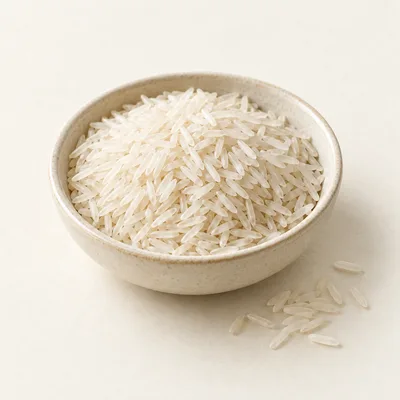 GRAINRice
The daily base for beans, meats and stews
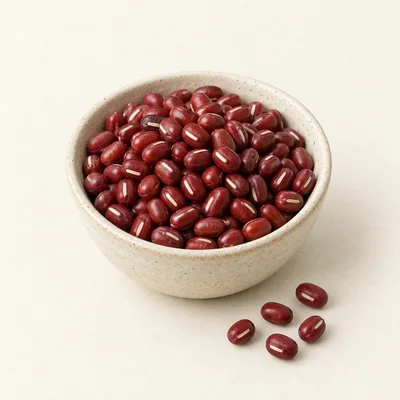 PULSERed beans
Habichuelas guisadas and sweet seasonal preparations
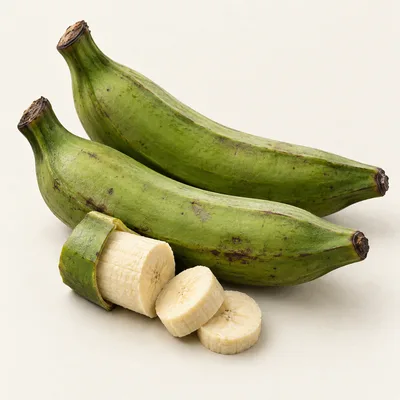 TROPICAL STARCHPlantain
Mangú, tostones and ripe fried sides
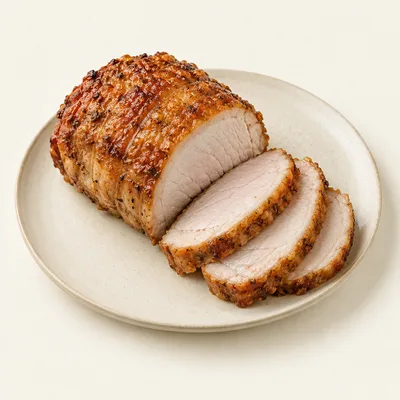 CELEBRATION MEATPork
Roasted, stewed and crisped for gatherings
La bandera is a template with household variation. White rice, stewed beans and meat are usually joined by salad and sometimes fried plantain or avocado. The beans, protein and sides change without breaking the basic daily structure. [7]
Plantain technique distinguishes several familiar dishes. Green plantains become smooth mangú when boiled and mashed, crisp tostones when twice fried and mofongo when fried and pounded with garlic and other additions. [7]
Comedores and cafeterías reveal the everyday cuisine better than resort buffets.
The midday meal is the clearest entry point. A comedor’s changing lunch counter shows rice, beans, stews, salads and root vegetables in the combinations people actually eat. Ask for the plato del día rather than expecting every famous dish. [7]
Resort and coastal menus need a regional reading. International hotel food can sit beside local fish, coconut dishes or sancocho. Leaving the resort zone for a reputable local kitchen usually provides more context about the dish and its place of origin. [8][7]
Food-culture sources checked .
Rice, beans and meat plates
La Bandera is described as rice, red kidney beans and meat. Ask whether the beans contain chicken stock, seasoning or a separate sauce, and whether the meat is marinated or finished with a topping. Confirm how rice is cooked and whether a shared spoon, pan or serving utensil has been used. The dish name alone does not settle the recipe.
Plantains and the tres golpes combination
Tres golpes is described with mangú, fried cheese, salami and eggs; mangú also has fried egg as a recorded serving variation. Ask whether the plantains are boiled or otherwise prepared with added ingredients, then check each accompaniment separately. If cheese or egg is important to your request, ask whether they are cooked on the same surface or with shared utensils.
Doughs, fritters and fried coatings
Wheat flour may be used in coconete, domplines, empanadas, pica pollo and yaniqueques, while bulgur wheat forms the shell of quipes. Arepitas de yuca and bollitos de yuca may use egg in the cassava dough, and cheese can occur in fillings or toppings. Ask about the dough, filling, coating, oil and utensils as separate parts.
Seafood, sweets and regional recipe variation
Seafood and tropical fruit feature in Dominican food, while pescado con coco specifically has fish as its defining protein. Examples of sweets include chaca, dulce de coco, dulce de leche dominicano, habichuelas con dulce and majarete, with milk appearing in several examples. Ask whether milk, evaporated milk, crackers, toppings or sauces are included in that preparation.
Ingredients worth recognising
Start with these ingredients, then follow their names and recorded food connections. Check the recipe and product actually used.
Fish
Fish is the defining protein in pescado con coco, and seafood is also eaten more broadly. Ask which fish is used, whether it is marinated, and whether it shares a grill, pan, oil or utensils with other foods.
Wheat flour
Wheat flour is recorded in coconete, domplines, empanadas, pica pollo and yaniqueques. Ask whether the flour is in the dough or coating, and whether crumbs, sauces or frying equipment are shared.
Bulgur wheat
Bulgur is processed wheat and forms the shell of quipes in the recorded example. Ask whether the filling has separate seasonings or stock, and whether the shell is fried in shared oil.
Egg
Egg is recorded in arepa Dominicana, arepitas de yuca and bollitos de yuca, and may bind empanadas or pastelón de plátano maduro. Ask about batter, binding, glaze, topping and shared cooking surfaces.
Cheese
Cheese appears in recorded versions of arepitas de yuca, bollitos de yuca, catibias, empanadas and pastelón, and tops yaroa. Ask whether it is in the filling, layered inside, added afterwards or melted on a shared surface.
Evaporated Milk
Evaporated milk or another dairy ingredient appears in many recorded versions of habichuelas con dulce and majarete. Ask whether it is used in the base, a finishing mixture or a separate topping, and check packaged versions fully.
How food labelling works
A current, country-specific allergen-labelling summary for Dominican Republic has not yet been verified for this guide. Do not transfer the list of regulated allergens or restaurant disclosure rules from your home country to this one.
Read the complete ingredients on the actual package and keep any local-language sticker with the original label. For imported products, compare the information on that pack rather than a photograph of the brand sold elsewhere. Ask the manufacturer or seller to clarify an unfamiliar term.
For loose food or meals prepared to order, ask who can check the recipe and the labels on bought-in ingredients. Explain every food you avoid, including ingredients outside familiar allergy groups; a short symbol chart may not cover your list.
Language and communication
Spanish is the official language of the Dominican Republic and should be the first language for a written food explanation. Use clear, specific wording that names the ingredient and asks about the full recipe, stock, sauce, toppings, shared oil, water and utensils. Ingredient names are recognition aids, not a complete request.
Caribbean Spanish is spoken, with pronunciation and vocabulary varying by area. Haitian Creole may be heard among Haitians living in the country, particularly where that community is present, but it is not a reason to assume a particular restaurant can respond in it. Ask staff to confirm each component and, where needed, show the written explanation.
Eating in different settings
Colmado or packaged-food shop
At a colmado, ask to see the complete ingredient list for sweets, sauces, ketchup, crackers and other packaged items. Check compound ingredients rather than accepting a verbal description such as “plain”. Keep separate questions for wheat, milk, egg and any seasoning or flavouring.
Street counter or fried-food stall
For tostones, pica pollo, yaniqueques or other fried items, ask what the batter or coating contains and whether the oil is shared with other foods. Ask whether the same tongs, tray or preparation surface is used, and confirm sauces or toppings separately.
Restaurant or shared meal
When ordering La Bandera, tres golpes, mangú or pescado con coco, ask about every component: rice or plantain base, beans, meat or fish, cheese, egg, salami, stock, sauce and garnish. Request confirmation of pans, serving spoons and finishing toppings rather than checking only the named dish.
Bakery, dessert counter or accommodation
For coconete, empanadas, arepitas de yuca, habichuelas con dulce or majarete, ask whether the recipe includes wheat flour, egg, cheese, cow milk or evaporated milk. At accommodation, show the written explanation before preparation and ask which utensils, pan and oil will be used.
Before you travel
Review your personal plan
Discuss your travel plans with your clinician and keep your prescribed medicines and emergency instructions accessible. Tell companions where these are and how to follow your plan.
Check your medicines before entering Dominican Republic
The legal status and regulation of medicines prescribed or bought in the UK may differ in the Dominican Republic; some UK prescription-only medicines are available from pharmacies there. Before travel, check current medicine guidance with TravelHealthPro and ask the relevant Dominican authority what documentation, if any, is needed for your own medicines.
Make the first meals easier to organise
Contact your accommodation and transport providers in advance. Save your written food list, menu questions and destination address offline. Check entry restrictions before packing backup food, and plan how you will check meals during arrival and onward journeys.
Plan access to medical help
Public medical facilities in the Dominican Republic are generally limited; private hospitals may offer good standards but can be expensive. Check travel insurance, available funds and whether your policy covers treatment and repatriation. The FCDO provides a list of medical providers, including some where staff may speak English; confirm availability and payment arrangements before relying on care.
Emergency resources
For a suspected severe allergic reaction, follow your prescribed emergency plan and seek urgent medical help. Give your exact location clearly.
Ambulance and urgent medical help
Use 911 for ambulance assistance in Santo Domingo. Coverage is incomplete elsewhere; FCDO also lists tourist police (Politur), +1 809 200 3500, for emergencies outside the capital.
Explore next
Your allergy in Dominican Republic
Choose a food concern for the country notes and questions relevant to it.
Dishes in Dominican Republic
Follow the ingredients and cuisine connections in individual dish records.
Your own food list
Combine allergy groups and individual ingredients in one guide, with local names where recorded.
Allergy cards
Prepare the information you need to explain your food requirements.
FAQs, sources and review dates
Could a dish called arepitas de yuca contain egg or cheese?
Yes, the recorded example commonly incorporates egg into the cassava fritter mixture, while some versions include cheese as an accompaniment or topping. Ask whether egg is mixed into the dough, whether cheese is added later, and whether frying equipment or serving utensils are shared.
What should I ask about yaroa if mayonnaise is a concern?
Yaroa has cheese as a customary topping, and the recorded mayonnaise connection notes that traditional mayonnaise commonly contains egg, although egg-free versions exist. Ask whether mayonnaise is included, which formulation is used, whether it is mixed through or added on top, and whether cheese is separate.
Is coconut automatically covered by a standard nut explanation?
Do not rely on a broad label such as “nuts” to answer this question. Coconut is categorised as a tree-nut trigger in some labelling systems but not universally. Ask the manufacturer or seller how the product is labelled and check the complete ingredient list.
Sources checked: . This researched draft is awaiting editorial review. Practical questions apply the sources below to local food settings; they do not confirm any individual meal's ingredients or preparation.
Sources & references (9)
- FCDO · Dominican Republic health and medical assistance
Emergency contact details, local healthcare and medicine guidance. UK-specific eligibility does not apply to every visitor.
- Wikivoyage contributors · Dominican Republic
Community-edited culinary context only; not an allergy or medical authority. Brief food-context adaptations, CC BY-SA 4.0: https://creativecommons.org/licenses/by-sa/4.0/. Recipe questions also use PlateSafe’s draft records.
- FARE · Dining out
General recipe and preparation questions, applied here to country-specific food examples.
- FARE · Travelling with food allergies
General preparation, written communication and access to prescribed medicines. Not country-specific import permission.
- PlateSafe · Dominican Republic recorded food connections
Existing draft dish and ingredient records, used as examples to investigate. These are not independently verified recipes or suitability assessments.
- Unicode CLDR · Territory language data
Language suggestions. Regional language needs must be confirmed with the particular food provider.
- Dominican Republic Ministry of Tourism — Gastronomy
- Dominican Republic Ministry of Tourism — Official portal
- UNESCO — Tradition of Dominican merengue