
BEFORE YOUR FIRST MEAL
Navigating food allergies in Ecuador
Food in Ecuador changes noticeably between the Sierra, coast and other regions. Potatoes commonly accompany Sierra meals, while rice is prominent on the coast; soups may anchor lunch or dinner. Plantain, yuca, fish, cheese, eggs and peanuts recur in recorded dishes, but the same dish name can cover different fillings, broths or toppings. Ask about the complete preparation each time.
What to know first
Sierra plates
Potatoes commonly accompany Sierra lunch and dinner. Ask whether a potato dish also contains milk, cheese, peanut sauce, broth ingredients or a separate topping.
Coastal recipes
Coastal examples use rice, green or sweet plantain, yuca and seafood. For ceviche, encocado or viche, confirm the exact protein, stock and garnishes.
Explain the whole concern
In Spanish, describe the ingredient to avoid and ask staff to check the complete recipe, including stock, sauce, filling, garnish, shared utensils and cooking oil.
Preparation matters
Ask whether food is fried in shared oil, cooked in shared water or handled with the same utensils. Confirm whether a sauce or topping is added after cooking.
Read the label
Read the complete ingredients and allergen information on the actual product. If you avoid a food that is not highlighted, ask the producer or food provider to check it specifically.
Understanding the food
Highland potatoes, maize and pork; coastal plantain, rice, peanuts and seafood; Amazonian cassava, river fish and forest crops; and Galápagos fisheries belong to distinct ecological and cultural food systems. Markets and midday set lunches often explain those differences better than a national tasting list.
Four geographic worlds create four broad pantries.
| Region | Food landscape | Examples to explore |
|---|---|---|
| Andes | Altitude, potatoes, maize, grains, dairy and pork | Locro de papa, hornado, llapingachos and mote |
| Pacific coast | Seafood, rice, plantain, coconut and peanuts | Encocado, encebollado, ceviche and green-plantain dishes |
| Amazon | Indigenous chakra gardens, cassava, river fish and forest foods | Maito, cassava drinks, palm products and local fish |
| Galápagos | Island fisheries, conservation and imported supplies | Locally managed catch and produce-led island cooking |
Ecuador Travel organises gastronomy through region and product. Altitude, coast, tropical forest and islands determine which starches, proteins and cooking methods are practical. A dish associated with Quito does not stand in for Esmeraldas or the Amazon. [7][8]
The Amazonian chakra is a living Indigenous food system. FAO recognises Kichwa communities’ biodiverse agroforestry plots, where cassava, plantain, cacao, fruit, medicinal plants and forest species are managed together with cultural knowledge. [9]
A few crops recur, but their technique reveals the region.
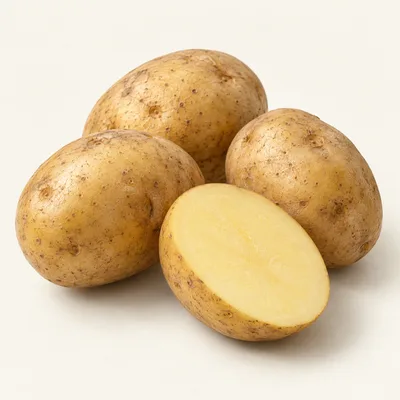 ANDEAN TUBERPotato
Soups, patties and highland side dishes
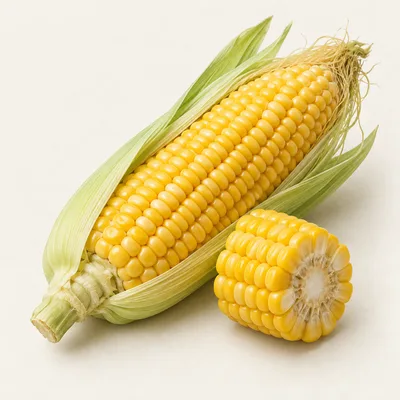 GRAINMaize
Mote, tortillas, drinks and festival foods
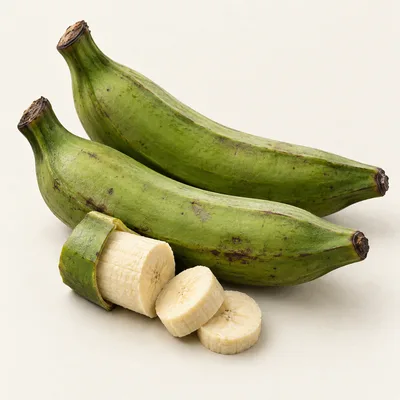 COASTAL STARCHGreen plantain
Bolón, patacones, tigrillo and soup thickeners
An export crop with Indigenous and contemporary local uses
Peanut is an important savoury thickener on the coast and in the north. Ground peanut enters sauces, soups and dishes such as encocado variations or Manabí preparations. Its role can be structural even when it is not visually obvious. [7][8]
Maito makes the wrapper part of the technique. Fish or other ingredients are seasoned, enclosed in leaves and cooked over heat, concentrating steam and aroma. The method belongs to Amazonian community foodways rather than a generic “jungle dish”. [9]
Markets and almuerzos map everyday eating.
A set lunch shows the working structure of the meal. Soup, a main plate with rice or another starch, protein, salad and juice can vary daily and by region. It is a better guide to routine food than celebration dishes alone. [7]
Community-led Amazon experiences need clear attribution. Ask which nation or community is sharing the preparation, where ingredients were grown and what can appropriately be explained to visitors. The chakra is knowledge infrastructure, not simply scenery. [9]
Food-culture sources checked .
Sierra soups and potato dishes
Locro de papa may contain potato, avocado, milk and cheese. Llapingachos may contain cheese and be served with peanut-based sauce. Ask whether dairy is mixed into the main dish, added on top or supplied separately, and whether the sauce is made in the same kitchen vessel.
Coastal seafood and broth
Ceviche Ecuatoriano may use prawns, shrimp or fish, and is commonly associated with plantain crisps and popcorn. Encebollado is a fish soup with yuca; viche combines fish or possible crustaceans with peanut. Ask about the seafood species, stock, shared ladle, garnishes and whether any sauce is added after serving.
Plantain, yuca and filled foods
Bolón de verde can contain cheese or pork, while corviche may have a fish filling and ground peanut. Muchines de yuca commonly use fresh cheese, with egg in some versions. For empanadas, confirm whether the pastry is wheat-based, the filling is cheese or crustacean, and whether frying oil is shared.
Meals, batters and regional variation
A recorded almuerzo or merienda commonly combines soup, a meat main course and dessert, but the components need checking individually. Humitas, tamales, quimbolitos and mote pillo have recipe connections to egg, dairy or both. Ask what is mixed into the batter, filling or garnish, rather than inferring from the dish name.
Ingredients worth recognising
Start with these ingredients, then follow their names and recorded food connections. Check the recipe and product actually used.
Wheat flour
Wheat flour forms the pastry in empanadas de viento, pristiños and quesadillas de Quito, and the structure of quimbolitos. Ask whether the dough is wheat-based, what flour is used, and whether the item shares surfaces or oil with other pastries.
Peanut
Peanut appears in recorded preparations such as corviche, viche, fanesca, guatita, llapingachos and tonga manabita. Ask whether it is in the broth, filling, sauce or garnish, and whether a supposedly separate topping is made in the same blender or pan.
Fish
Fish is defining or possible in encebollado, maito de pescado, viche, encocado, ceviche and arroz marinero. Ask which species is used, whether fish stock is included, and whether fish is cooked or served with other seafood in the same vessel.
Fresh Cheese
Fresh cheese is recorded in bolón, choclo con queso, empanadas de verde, muchines de yuca, quesadillas de Quito and other dishes. Ask whether it is a filling, topping or accompaniment, and confirm the animal milk used when that matters to you.
Egg
Egg is used or recorded in espumilla, humitas, mote pillo, quimbolitos, pristiños, tamales and tigrillo. Ask whether it is mixed into the batter or mash, cooked into the filling, or added as a garnish after preparation.
Raisins
Raisins may occur in prepared foods, and some commercial formulations, particularly light-coloured varieties, use sulphites. Check the complete packaged-food ingredient list and ask whether raisins or a seasoned dried-fruit mixture has been added to the recipe.
How food labelling works
A current, country-specific allergen-labelling summary for Ecuador has not yet been verified for this guide. Do not transfer the list of regulated allergens or restaurant disclosure rules from your home country to this one.
Read the complete ingredients on the actual package and keep any local-language sticker with the original label. For imported products, compare the information on that pack rather than a photograph of the brand sold elsewhere. Ask the manufacturer or seller to clarify an unfamiliar term.
For loose food or meals prepared to order, ask who can check the recipe and the labels on bought-in ingredients. Explain every food you avoid, including ingredients outside familiar allergy groups; a short symbol chart may not cover your list.
Language and communication
Spanish is Ecuador’s official language and should be the first language for a written food explanation. State the ingredient to avoid, ask for the complete recipe, and request confirmation of stock, sauces, toppings, oil and utensils rather than naming only a dish.
Quechua is especially used in more rural, mountainous villages, so regional communication may differ from Spanish. Prepare the explanation in Spanish and arrange local-language confirmation where appropriate; use dish and ingredient names as recognition aids, not as a complete allergy request.
Eating in different settings
Coastal ceviche or soup counter
For ceviche, encebollado, viche or encocado, ask which fish or crustacean is used, whether the broth or seafood stock is shared, and whether plantain crisps, peanut, sauces or other toppings are added separately.
Bakery or pastry stall
Before choosing empanadas de viento, pristiños, quesadillas de Quito or quimbolitos, ask about wheat flour, egg, milk, butter and fresh cheese. Confirm shared trays, preparation surfaces and frying oil, including oil used for other filled pastries.
Market or street-food stand
For bolón, corviche, muchines de yuca or plantain-based snacks, ask what is inside the filling and whether peanut, cheese, fish or shrimp is mixed through. Check whether the same oil, pan, knife or serving utensil is used for other items.
Restaurant or accommodation meal
When ordering an almuerzo, merienda or breakfast, ask for each course and every accompanying sauce or garnish separately. Confirm the soup stock, main protein, bread or batter, cooking oil and dessert ingredients instead of relying on a set-menu title.
Before you travel
Review your personal plan
Discuss your travel plans with your clinician and keep your prescribed medicines and emergency instructions accessible. Tell companions where these are and how to follow your plan.
Check your medicines before entering Ecuador
The legal status of UK medicines may differ in Ecuador. Check TravelHealthPro guidance before travel. Some Ecuadorian pharmacies may accept UK prescriptions: antimicrobial prescriptions up to three days old, and narcotic or psychotropic prescriptions up to five days old. Confirm current requirements with the relevant authority.
Make the first meals easier to organise
Contact your accommodation and transport providers in advance. Save your written food list, menu questions and destination address offline. Check entry restrictions before packing backup food, and plan how you will check meals during arrival and onward journeys.
Plan access to medical help
Public healthcare is described as free for locals and foreigners, but appointments and medicines may be delayed or limited; private treatment can be expensive and may require a credit-card guarantee. Standards and specialised care vary outside major cities. Galápagos facilities are limited, so check insurance, including evacuation cover, before travel.
Emergency resources
For a suspected severe allergic reaction, follow your prescribed emergency plan and seek urgent medical help. Give your exact location clearly.
Ambulance and urgent medical help
Call 911 and ask for an ambulance. You can get emergency assistance and register medical issues using the ECU 911 smartphone application.
Explore next
Your allergy in Ecuador
Choose a food concern for the country notes and questions relevant to it.
Dishes in Ecuador
Follow the ingredients and cuisine connections in individual dish records.
Your own food list
Combine allergy groups and individual ingredients in one guide, with local names where recorded.
Allergy cards
Prepare the information you need to explain your food requirements.
FAQs, sources and review dates
Could a plantain dish contain more than plantain?
Yes. Bolón may contain cheese or pork, some versions contain shrimp, corviche may contain fish and ground peanut, and muchines de yuca may contain fresh cheese and sometimes egg. Ask whether the ingredient is mixed into the mash, used as a filling or added afterwards.
What should I ask about seafood rice or soup?
For arroz marinero, ask whether mixed seafood includes fish, prawns or shrimp and whether fish stock is used. For encebollado or viche, ask about the principal protein, broth and garnishes. Confirm shared pans and ladles if different seafood or fish dishes are prepared together.
What about an ingredient outside common allergy groups, such as raisins?
Ask whether raisins are present in the complete recipe or packaged product, especially in desserts, fillings or prepared foods. Check the label for the full ingredient list and possible sulphites in some commercial raisin formulations; do not assume a visibly plain dried fruit has no added ingredient.
Sources checked: . This researched draft is awaiting editorial review. Practical questions apply the sources below to local food settings; they do not confirm any individual meal's ingredients or preparation.
Sources & references (10)
- FCDO · Ecuador health and medical assistance
Emergency contact details, local healthcare and medicine guidance. UK-specific eligibility does not apply to every visitor.
- Wikivoyage contributors · Ecuador
Community-edited culinary context only; not an allergy or medical authority. Brief food-context adaptations, CC BY-SA 4.0: https://creativecommons.org/licenses/by-sa/4.0/. Recipe questions also use PlateSafe’s draft records.
- FARE · Dining out
General recipe and preparation questions, applied here to country-specific food examples.
- FARE · Travelling with food allergies
General preparation, written communication and access to prescribed medicines. Not country-specific import permission.
- PlateSafe · Ecuador recorded food connections
Existing draft dish and ingredient records, used as examples to investigate. These are not independently verified recipes or suitability assessments.
- Unicode CLDR · Territory language data
Language suggestions. Regional language needs must be confirmed with the particular food provider.
- Ecuador Travel — What to eat in Ecuador
- Ecuador Travel — Ecuadorian dishes
- FAO GIAHS — Amazonian chakra system in Ecuador
- Ecuador Travel — Official tourism portal