
BEFORE YOUR FIRST MEAL
Navigating food allergies in El Salvador
El Salvador’s food landscape includes corn-based pupusas, rice and beans, fried plantains, sandwiches, sweet breads and coastal seafood. A named dish can vary by filling, topping or recipe: cheese may appear in a pupusa, while bread, egg-based dressing or dairy can change a meal’s ingredients. Ask about the complete preparation, including sauces, stock, oil and cooking surfaces, before ordering.
What to know first
Corn and fillings
Pupusas use a corn tortilla filled with ingredients such as cheese or shredded pork; ask whether the filling, curtido or accompanying sauce contains anything you avoid.
Coastal and fried food
Coastal eating includes clam and other seafood dishes, while plantains may be fried and served with beans, sour cream, cheese or eggs. Ask what is cooked together.
Explain the whole recipe
Describe the ingredient you need to avoid and ask about the base, filling, stock, sauce, garnish, shared oil, water, utensils and cooking surface.
Preparation matters
For sandwiches, cakes and drinks, ask whether the same knife, griddle, fryer, blender or serving spoon is used for other recipes, and whether a fresh preparation is possible.
Read the full label
For packaged food, read the complete ingredient list rather than relying on a product name or dietary wording; check every flavouring, topping, preservative and preparation instruction.
Understanding the food
Pupusas are the best-known expression, but soups, tamales, yuca, seafood, relishes, sweet breads and highland produce create a broader everyday cuisine. Pacific coast towns, western coffee country, central markets and eastern cattle areas offer different emphases.
The national repertoire changes from volcanic highlands to the Pacific.
| Region or setting | Food landscape | Examples to explore |
|---|---|---|
| Central cities & markets | Pupuserías, lunch counters, bakeries and street snacks | Pupusas, panes, soups, tamales and fruit drinks |
| Western highlands | Coffee, cool-climate produce and weekend food towns | Pupusa routes, grilled meats, maize dishes and pastries |
| Pacific coast | Fishing, shellfish, coconut and beach restaurants | Ceviches, grilled fish, seafood soups and cocktails |
| East & rural interior | Cattle, maize, beans, yuca and family cooking | Yuca frita, soups, quesadillas and roast or stewed meats |
The pupusa is a living craft with local destinations. Official tourism routes connect towns known for pupuserías and variations in filling, size or maize and rice dough. It is both daily food and an object of national celebration. [7][8]
The cuisine extends well beyond one griddle. Tourism guidance also highlights tamales, yuca, soups, seafood, sweet breads, seasonal fruit and drinks based on maize, seeds or tropical produce. [9]
Maize dough carries fillings, relishes and family technique.
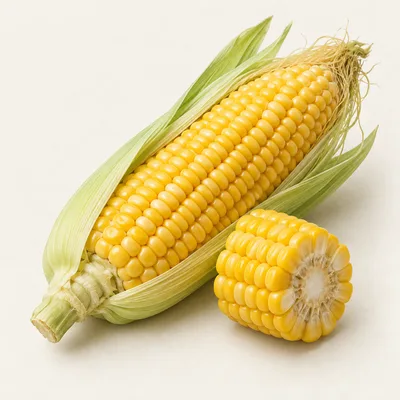 FOUNDATION GRAINMaize
Pupusas, tortillas, tamales and drinks
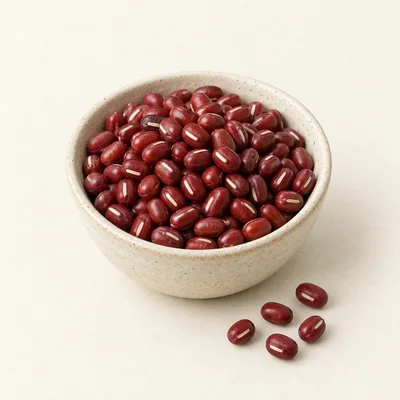 PULSEBeans
Refried fillings, sides and soups
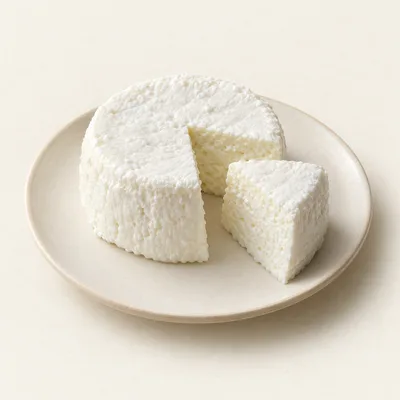 DAIRYFresh cheese
Pupusa fillings, pastries and table accompaniments
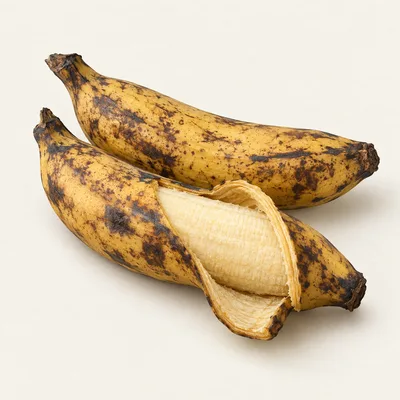 TROPICAL STARCHPlantain
Fried ripe, cooked green and served with beans or cream
Curtido and salsa complete the pupusa. Fermented or lightly pickled cabbage, carrot and onion add crunch and acidity, while a thin cooked tomato sauce brings moisture. The accompaniments are part of the expected dish, not decoration. [7][8]
Rice-flour pupusas are a regional tradition, not simply a substitute. Olocuilta is especially associated with rice-dough pupusas, whose texture and handling differ from maize. The route treats that locality as part of the dish’s cultural geography. [8]
A pupusería and a coastal comedor offer different introductions.
Watch the griddle and order in rounds. Pupusas are cooked to order and best eaten hot; a specialist shop makes fillings, dough handling and accompaniments visible. Asking what the house is known for is more useful than ordering every variation. [7][8]
Markets reveal soups, breads and seasonal drinks. Midday counters and municipal markets broaden the picture with hen soup, beef soup, tamales, yuca, pastries and fruit drinks that may never appear at a pupusa specialist. [9][10]
Food-culture sources checked .
Pupusas, tortillas and fillings
Pupusas are round corn tortillas filled with cheese and other ingredients; possible fillings include shredded pork. Cheese is also a common filling. Ask whether the dough is only corn-based, whether wheat flour is added to a formulated tortilla, and whether the griddle, press or serving utensils are shared.
Rice, beans and accompanying foods
Rice and beans are described as part of the typical diet. Fried sliced plantains may be served with beans, sour cream, cheese and sometimes eggs. These additions are not fixed by the dish name, so ask which are included, whether beans contain broth, and whether plantains use a fryer or oil shared with other foods.
Breads, cakes and sweet dishes
Wheat bread is recorded for panes con gallina and panes con pavo, with some versions using egg-based mayonnaise or dressing. Sweet examples include marquesote, semita, torrejas, arroz con leche and empanadas de plátano. Ask about flour, milk, butter, custard and egg in both the recipe and finishing glaze.
Coastal seafood and regional variation
On the coast, cóctel de conchas is described with black clams, lime juice, onions, tomatoes, cilantro, chiles and a spicy black sauce; other seafood dishes are also available. Sopa de pescado is recorded with fish. Ask which seafood is used, how stock and sauce are made, and whether shellfish and fish share preparation areas.
Ingredients worth recognising
Start with these ingredients, then follow their names and recorded food connections. Check the recipe and product actually used.
Corn tortilla
Corn tortillas may form the outer layer of pupusas and other Salvadoran foods. Some formulated versions also use wheat flour. Ask whether this tortilla is made only from corn, whether a prepared mix is used, and whether the press or griddle is shared.
Wheat Bread
Wheat bread is recorded for panes con gallina, panes con pavo and torrejas. Ask whether the bread is bought or made on site, whether the sandwich includes egg-based mayonnaise or dressing, and whether bread crumbs or shared knives contact the filling.
Peanut
Peanut is a characteristic ingredient in traditional Salvadoran horchata, alongside other blended ingredients. Ask whether the drink contains peanut, whether it is made with water or milk, and whether the blender and serving jug are cleaned between drinks.
Clam
Clams are recorded in coastal cóctel de conchas, mixed with lime, vegetables, chiles and a spicy black sauce. Ask whether the bowl contains clam only or other seafood, what is in the sauce, and whether shellfish preparation is separate.
Fish
Fish is the defining protein in sopa de pescado, while other seafood dishes are also found. Ask which fish is used, whether the broth contains other seafood or stock ingredients, and whether the fish is fried in shared oil.
Cheese
Cheese is a recorded filling or topping in pupusas, enchiladas, garnachas, quesadillas, rigua and other dishes. Ask what kind of cheese is used, whether cream or butter is also present, and whether it is added before cooking or as a final topping.
How food labelling works
A current, country-specific allergen-labelling summary for El Salvador has not yet been verified for this guide. Do not transfer the list of regulated allergens or restaurant disclosure rules from your home country to this one.
Read the complete ingredients on the actual package and keep any local-language sticker with the original label. For imported products, compare the information on that pack rather than a photograph of the brand sold elsewhere. Ask the manufacturer or seller to clarify an unfamiliar term.
For loose food or meals prepared to order, ask who can check the recipe and the labels on bought-in ingredients. Explain every food you avoid, including ingredients outside familiar allergy groups; a short symbol chart may not cover your list.
Language and communication
Spanish is El Salvador’s official language and should be prioritised for a written food explanation. Prepare a clear note naming the ingredient to avoid and asking for the complete recipe, including stock, sauce, toppings, shared oil and utensils. Use dish names only as recognition aids, not as proof of suitability.
Some older people in small western towns speak Pipil, also called Nahuat or Nawat, but it is not established as a general food-service language. Regional variation means a written Spanish explanation and staff confirmation remain important, especially outside major towns.
Eating in different settings
Pupusa stand or market counter
Ask whether the pupusa dough is only corn and whether the filling contains cheese, pork or another ingredient. Check the curtido and sauces separately. Ask whether the same hands, press, griddle or utensils handle different fillings, and whether your order can be prepared with clean equipment.
Coastal seafood stall
For cóctel de conchas, ask whether it contains black clam, other seafood, or a mixed sauce, and request the complete sauce ingredients. For sopa de pescado, ask about the broth and shared pans. Confirm whether fish and shellfish use the same preparation surface or serving utensils.
Bakery or café
For marquesote, semita, quesadilla salvadoreña, torrejas or empanadas de plátano, ask about wheat flour, egg, milk, butter, cream and custard. Ask whether toppings are added after baking, whether products share trays or knives, and whether the recipe changes that day.
Supermarket or accommodation kitchen
Large supermarkets in the capital and large towns sell local produce and international products. Read each complete label, including preserves, bread, tortillas, oils and drinks. If preparing food where you stay, ask which pans, boards, knives, fryer oil and serving utensils have been used.
Before you travel
Review your personal plan
Discuss your travel plans with your clinician and keep your prescribed medicines and emergency instructions accessible. Tell companions where these are and how to follow your plan.
Check your medicines before entering El Salvador
UK prescriptions cannot be used in El Salvador, and some medicines may have different legal status or regulation there. Before travelling, check the medicine’s import requirements with the relevant Salvadoran authority and follow TravelHealthPro guidance. Do not stop or change prescribed medicine without the prescriber’s advice.
Make the first meals easier to organise
Contact your accommodation and transport providers in advance. Save your written food list, menu questions and destination address offline. Check entry restrictions before packing backup food, and plan how you will check meals during arrival and onward journeys.
Plan access to medical help
Medical facilities outside San Salvador are usually basic; private clinics and hospitals may be preferable, and some hospitals may want evidence of insurance before treatment. Arrange suitable travel health insurance, accessible funds and a copy of the policy. Check the FCDO provider information if English-language care is important.
Emergency resources
For a suspected severe allergic reaction, follow your prescribed emergency plan and seek urgent medical help. Give your exact location clearly.
Ambulance and urgent medical help
Call 911 and ask for an ambulance.
Explore next
Your allergy in El Salvador
Choose a food concern for the country notes and questions relevant to it.
Dishes in El Salvador
Follow the ingredients and cuisine connections in individual dish records.
Your own food list
Combine allergy groups and individual ingredients in one guide, with local names where recorded.
Allergy cards
Prepare the information you need to explain your food requirements.
FAQs, sources and review dates
Could horchata contain something unexpected?
Yes. The recorded traditional mixture includes peanut and sesame, and some versions use milk as well as, or instead of, water. Ask for the full mixture, not only the drink name, and check whether the blender, jug or scoop is shared with other beverages.
Is every pupusa made with cheese?
No conclusion should be drawn from the name alone. Cheese is a common filling, while other possible fillings include shredded pork. Ask what is inside this particular pupusa and whether cheese, sauces or toppings are added separately.
What should I ask about plantains if my concern is not a common allergy?
Ask whether the plantains are fried alone or in oil also used for other foods, and whether they are served with beans, sour cream, cheese or eggs. Request the complete plate ingredients and preparation details rather than assuming “plátanos” describes the whole dish.
Sources checked: . This researched draft is awaiting editorial review. Practical questions apply the sources below to local food settings; they do not confirm any individual meal's ingredients or preparation.
Sources & references (10)
- FCDO · El Salvador health and medical assistance
Emergency contact details, local healthcare and medicine guidance. UK-specific eligibility does not apply to every visitor.
- Wikivoyage contributors · El Salvador
Community-edited food and dining context, checked against the recorded food examples. This is not an allergy or medical authority. Brief food-context adaptations; CC BY-SA 4.0, https://creativecommons.org/licenses/by-sa/4.0/.
- FARE · Dining out
General recipe and preparation questions, applied here to country-specific food examples.
- FARE · Travelling with food allergies
General preparation, written communication and access to prescribed medicines. Not country-specific import permission.
- PlateSafe · El Salvador recorded food connections
Existing draft dish and ingredient records, used as examples to investigate. These are not independently verified recipes or suitability assessments.
- Unicode CLDR · Territory language data
Language suggestions. Regional language needs must be confirmed with the particular food provider.
- El Salvador Travel — National Pupusa Day and its destinations
- El Salvador Travel — Pupusa route
- El Salvador Travel — Salvadoran gastronomy
- El Salvador Travel — Official tourism portal