
BEFORE YOUR FIRST MEAL
Navigating food allergies in Equatorial Guinea
Equatorial Guinea’s recorded dishes include fish soups and stews, peanut-based sauces, cassava leaves, and optional butter in preparations such as Akwadu. Restaurant choices also include French, Chinese, Moroccan and European food, alongside pizza and pasta. Recipes can vary, so check the complete dish, sauces, toppings, cooking fat and shared utensils rather than relying on a dish name.
What to know first
Peanut appears in several substantial dishes
Ask specifically about ground peanut in cassava-leaf stew, peanut soup, chicken in peanut sauce and accompanying sauces served with fish.
Fish may be central or an alternative
Fish defines fish soup, fish with three sauces and palm-nut fish stew; it can also replace or accompany meat in cassava-leaf stew.
Explain the complete recipe before ordering
In Spanish first, describe the ingredient you must avoid and ask about stock, sauce, toppings, cooking oil, shared utensils and whether a separate preparation is possible.
Clarify optional finishing ingredients
Ask whether butter is used in Akwadu or succotash, and whether it is added during cooking, at the finish, or to a shared serving.
Read every available ingredient list
Read the complete ingredients and allergen information on the actual product. If you avoid a food that is not highlighted, ask the producer or food provider to check it specifically.
Understanding the food
Cassava, plantain, cocoyam, banana, groundnuts, palm oil, leafy vegetables and fish underpin meals on the mainland and islands. Bioko, Río Muni and Annobón share many ingredients but differ in access to the sea, forest, urban markets and neighbouring Central African cuisines.
Mainland forest and volcanic islands produce different food contexts.
| Region | Food landscape | Examples to explore |
|---|---|---|
| Bioko & Malabo | Volcanic island farms, fisheries and urban dining | Fish, plantain, cocoyam, cacao and Spanish-influenced dishes |
| Río Muni mainland | Rainforest agriculture, Fang foodways and river systems | Cassava, leaf sauces, groundnut stews and smoked fish |
| Bata & mainland coast | Port markets, fish and national migration | Grilled fish, rice, plantain and urban stews |
| Annobón | Remote Atlantic island, fishing and small-scale gardens | Fresh or preserved fish, tubers, banana and coconut |
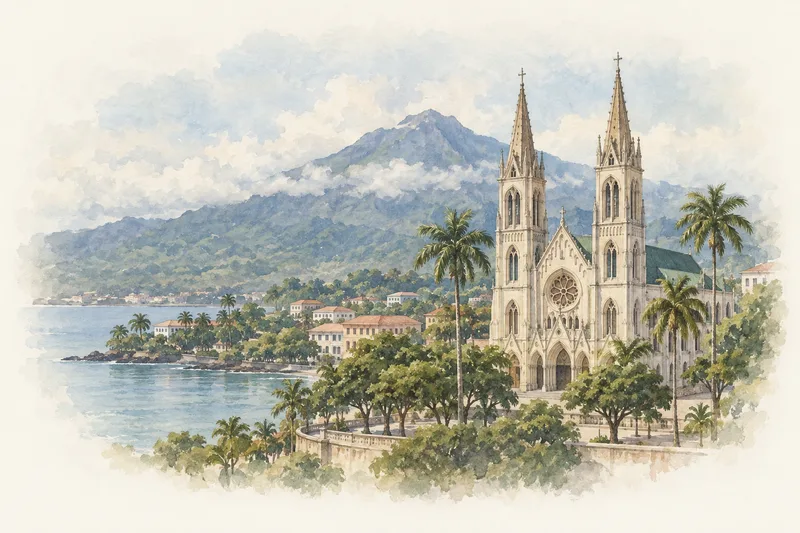
The country’s geography makes “island versus mainland” a useful first distinction. Bioko and Annobón are volcanic Atlantic islands, while Río Muni joins the Central African mainland. Fisheries, transport and crop access therefore shape meals differently. [8][9]
Fang, Bubi and Annobonese foodways should not be collapsed. Communities maintain distinct languages, histories and relationships to forest, farm and sea even when cassava, plantain or fish recur across the country. [8][9][10]
Tubers and plantain carry concentrated sauces.
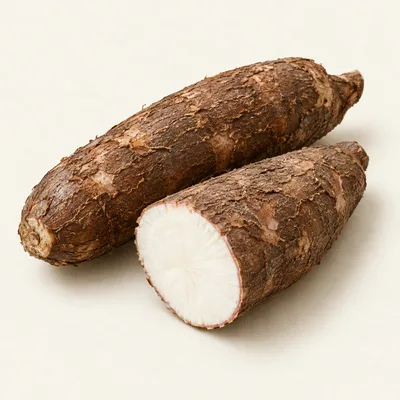 ROOTCassava
Boiled, pounded or processed into durable forms
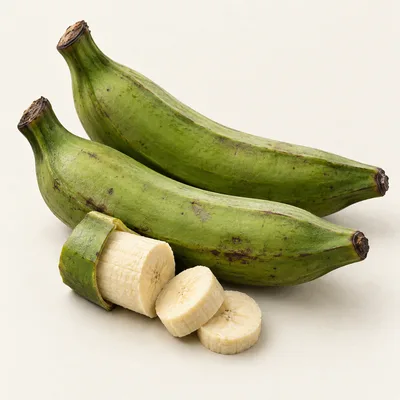 TROPICAL STARCHPlantain
Fried, boiled, roasted or pounded
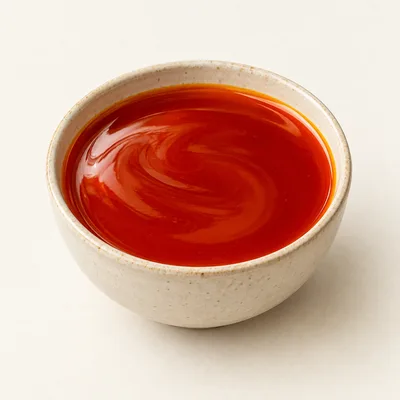 SAUCE FATRed palm oil
Colour and richness in stews and greens
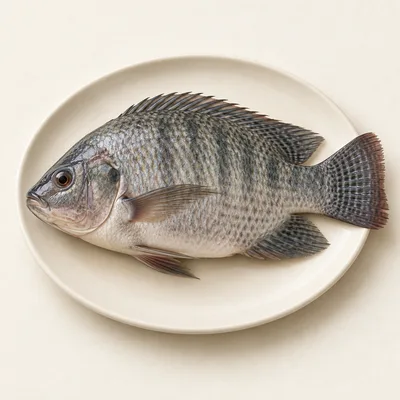 COAST & RIVERFish
Fresh, grilled, smoked or simmered in sauce
Groundnut and palm sauces supply much of the plate’s character. Pounded nuts, palm oil, chilli, tomato, onion and greens may surround fish or meat and accompany a mild starch. The sauce base matters as much as the named protein. [7]
Cacao has a plantation history as well as a contemporary product story. Bioko became closely associated with cacao under colonial systems. Any tasting narrative should acknowledge labour and land history rather than presenting chocolate as an isolated luxury crop. [8]
Malabo and Bata offer the broadest public menus, but origin still matters.
Urban restaurants combine several national and international repertoires. Spanish-style dishes, Central African stews, grilled fish and imported foods can sit on the same menu. Ask whether a preparation is associated with Bioko, the mainland or another community. [10]
On smaller islands, availability follows catch and transport. Fresh fish and local tubers may be abundant while other ingredients depend on boats and storage. A short changing menu can be a more accurate expression of place than a fixed list. [9][8]
Food-culture sources checked .
Stews, leaves and thickening
Cassava-leaf stew is recorded with meat as a base, while fish is a common alternative or addition. Ground peanuts may thicken and flavour it. Ask whether the pot contains peanut, fish, both, or neither, and whether stock or a separately added sauce changes the recipe. Do not infer ingredients from “cassava leaf” alone.
Fish dishes and accompanying sauces
Fish is the defining protein in fish soup, fish with three sauces and palm-nut fish stew. Fish with three sauces is particularly important to question sauce by sauce: one customary accompaniment is peanut-based. Ask whether all sauces arrive on the plate, are mixed into the dish, or can be left out.
Butter, fruit and vegetable preparations
Butter is a common optional preparation ingredient in Akwadu and a common finishing ingredient in succotash. Both records identify it as cow’s-milk derived. Ask about the cooking fat, finishing spoon and any butter added after cooking, rather than treating the dish name as a complete recipe.
Other recorded local and international choices
Smoked beef with black pepper and roast duck with cheese and onion leaf are possible dishes, alongside French, Chinese, Moroccan and European cooking, pizza and pasta. Ask each venue for the full recipe, including marinades, cheese, sauces, toppings and shared cooking surfaces.
Ingredients worth recognising
Start with these ingredients, then follow their names and recorded food connections. Check the recipe and product actually used.
Fish
Fish is the defining protein in fish soup, fish with three sauces and palm-nut fish stew, and may appear in cassava-leaf stew. Ask which species or form is used, whether stock is fish-based, and whether the same broth or utensil serves other dishes.
Vegetable Oil
Generic vegetable oil may be soybean oil, but this is unspecified. Ask what oil is actually used, whether it is a blend, and whether the same oil is shared for frying or finishing several menu items.
Butter
Butter may be optional in Akwadu and used to finish succotash; it is cow-milk-derived. Ask whether it is present in the recipe, added at the end, substituted with another fat, or applied with a shared spoon or pan.
Peanut
Peanut is the defining base of peanut soup and peanut sauce, and ground peanut commonly thickens cassava-leaf stew. Ask about whole, ground or sauce forms, plus peanut in accompanying sauces and shared preparation equipment.
Peanut Butter
Peanut butter is directly derived from peanut and may be relevant where a peanut-based sauce or spread is used. Ask whether the kitchen uses it, ground peanut, or another thickener, and request the complete sauce recipe.
How food labelling works
A current, country-specific allergen-labelling summary for Equatorial Guinea has not yet been verified for this guide. Do not transfer the list of regulated allergens or restaurant disclosure rules from your home country to this one.
Read the complete ingredients on the actual package and keep any local-language sticker with the original label. For imported products, compare the information on that pack rather than a photograph of the brand sold elsewhere. Ask the manufacturer or seller to clarify an unfamiliar term.
For loose food or meals prepared to order, ask who can check the recipe and the labels on bought-in ingredients. Explain every food you avoid, including ingredients outside familiar allergy groups; a short symbol chart may not cover your list.
Language and communication
Spanish is the first language of many Equatoguineans and the most useful of the three official languages. Prepare a written Spanish explanation naming the ingredient to avoid and the questions you need answered about the full recipe, oil, sauces and utensils.
French and Portuguese are also official languages, but they are neither widely spoken nor widely understood. Fang and Igbo are widely spoken. Use the language the person understands, confirm regional variation, and do not assume an English explanation will be understood.
Eating in different settings
Hotel or city restaurant
For French, Chinese, Moroccan or European dishes, ask the server to identify every sauce, marinade, stock, topping and cooking fat. For roast duck, ask about cheese and onion leaf; for smoked beef, ask about seasoning and shared preparation surfaces.
Fish-soup or stew counter
Before ordering fish soup or palm-nut fish stew, ask whether the broth is made with fish and whether other ingredients are added. For cassava-leaf stew, ask about meat, fish, ground peanut, stock and whether the pot is prepared as one shared batch.
Pizza or pasta venue
Ask for the complete dough, sauce and topping ingredients, then ask about cheese, oil, shared oven surfaces and utensils. Do not assume a plain-sounding topping or pasta order has a simple recipe; ask whether sauces or garnishes are added after cooking.
Packaged-food shop or accommodation
Read the complete ingredient list before buying a packaged item and ask staff to identify unfamiliar ingredients rather than relying on a front label. For self-preparation, keep ingredients separate and check whether pans, knives, boards and serving spoons are shared.
Before you travel
Review your personal plan
Discuss your travel plans with your clinician and keep your prescribed medicines and emergency instructions accessible. Tell companions where these are and how to follow your plan.
Check your medicines before entering Equatorial Guinea
The legal status and regulation of medicines prescribed or bought in the UK may differ in Equatorial Guinea. Before travel, read TravelHealthPro guidance on travelling with medicines and ask the relevant Equatoguinean authority what import or documentation requirements apply. Ask your prescriber how to manage prescribed medicines while travelling.
Make the first meals easier to organise
Contact your accommodation and transport providers in advance. Save your written food list, menu questions and destination address offline. Check entry restrictions before packing backup food, and plan how you will check meals during arrival and onward journeys.
Plan access to medical help
Pharmacies in Malabo and Bata stock basic medication, while medical facilities are generally poor apart from La Paz hospital in Malabo and emergency facilities are extremely limited. Before travelling, check insurance terms, accessible funds and whether your cover includes serious treatment and likely evacuation to Europe.
Emergency resources
For a suspected severe allergic reaction, follow your prescribed emergency plan and seek urgent medical help. Give your exact location clearly.
Ambulance and urgent medical help
Call 3101 and ask for an ambulance.
Explore next
Your allergy in Equatorial Guinea
Choose a food concern for the country notes and questions relevant to it.
Dishes in Equatorial Guinea
Follow the ingredients and cuisine connections in individual dish records.
Your own food list
Combine allergy groups and individual ingredients in one guide, with local names where recorded.
Allergy cards
Prepare the information you need to explain your food requirements.
FAQs, sources and review dates
Could cassava-leaf stew contain both fish and peanut?
Yes, the recorded connection allows fish as a common alternative or addition to meat, while ground peanut may thicken and flavour the stew. Ask whether this particular pot contains fish, peanut, both, a stock made from either, or a separate sauce.
Is vegetable oil always one specific oil?
No. Generic vegetable oil may be soybean oil, but this is unspecified. Ask what oil is in the bottle or recipe, whether it is blended, and whether it has been shared across cooking or frying.
How should I question fish with three sauces?
Ask for each sauce to be named and described separately. One customary accompanying sauce is peanut-based, while fish is the defining protein. Confirm whether the sauces are served on the side or mixed in, and whether spoons or pans are shared.
Sources checked: . This researched draft is awaiting editorial review. Practical questions apply the sources below to local food settings; they do not confirm any individual meal's ingredients or preparation.
Sources & references (10)
- FCDO · Equatorial Guinea health and medical assistance
Emergency contact details, local healthcare and medicine guidance. UK-specific eligibility does not apply to every visitor.
- Wikivoyage contributors · Equatorial Guinea
Community-edited food and dining context, checked against the recorded food examples. This is not an allergy or medical authority. Brief food-context adaptations; CC BY-SA 4.0, https://creativecommons.org/licenses/by-sa/4.0/.
- FARE · Dining out
General recipe and preparation questions, applied here to country-specific food examples.
- FARE · Travelling with food allergies
General preparation, written communication and access to prescribed medicines. Not country-specific import permission.
- PlateSafe · Equatorial Guinea recorded food connections
Existing draft dish and ingredient records, used as examples to investigate. These are not independently verified recipes or suitability assessments.
- Unicode CLDR · Territory language data
Language suggestions. Regional language needs must be confirmed with the particular food provider.
- FAO — Equatorial Guinea country profile
- UNESCO — Island of Bioko biosphere reserve
- UNESCO — Annobón Island biosphere reserve
- Government of Equatorial Guinea — Official portal