
BEFORE YOUR FIRST MEAL
Navigating food allergies in Eritrea
Eritrean food can change markedly between the highlands around Asmara, Red Sea areas such as Massawa, and restaurants serving Middle Eastern, Italian, Chinese, Sudanese or Indian dishes. Injera, flatbreads, stews, butter, yoghurt and cooking oils may appear in different combinations. Ask about the complete recipe and preparation, rather than relying on a dish name or the usual serving style.
What to know first
Fermented breads
Injera is a fermented, spongy flatbread, but recorded versions may include wheat or barley. Ask which grains are in today’s batter and whether flour is added.
Stews and toppings
Highland meals may place spicy meat or vegetable stews on injera. Ask about the stew base, cooking fat, stock, toppings and whether bread shares the serving surface.
Explain the whole concern
Use Tigrinya, Arabic or English in a written explanation, stating the ingredient to avoid and asking staff to confirm the full recipe, sauce, stock and preparation.
Check preparation
Ask whether shared oil, water, pans, griddles, knives or serving utensils are used for bread, sambusa, stews, fish or other dishes ordered at the same time.
Read the complete label
For packaged foods, read the complete ingredient list rather than relying on a product name. Check flour, milk-derived ingredients, egg and unspecified vegetable oils separately.
Understanding the food
Sorghum, teff, barley, wheat, lentils, chickpeas, clarified butter, chilli blends and fermented flatbreads support highland meals; Massawa and the coast add fish and Yemeni-Arabian connections; pastoral lowlands bring milk and meat traditions. Asmara’s cafés add a visible Italian-era layer without defining the whole cuisine.
Altitude and access to the Red Sea divide the pantry.
| Region or setting | Food landscape | Examples to explore |
|---|---|---|
| Asmara & central highlands | Fermented grains, pulses, vegetables and café culture | Taita/injera, zigni, shiro, pasta, coffee and pastries |
| Massawa & Red Sea coast | Fish, warm-climate trade and Arabian links | Grilled fish, seafood stews, bread and spiced rice |
| Western lowlands | Sorghum, sesame, livestock and Sudan-facing exchange | Porridges, flatbreads, stews and pastoral foods |
| Northern & southern highlands | Barley, wheat, legumes and household fermentation | Grain breads, lentil sauces, yoghurt and seasonal greens |
Agriculture changes sharply with altitude and rainfall. FAO profiles cereals, pulses, sesame and livestock within a predominantly arid country where the central highlands support different crops from the hotter coastal and western lowlands. [7]
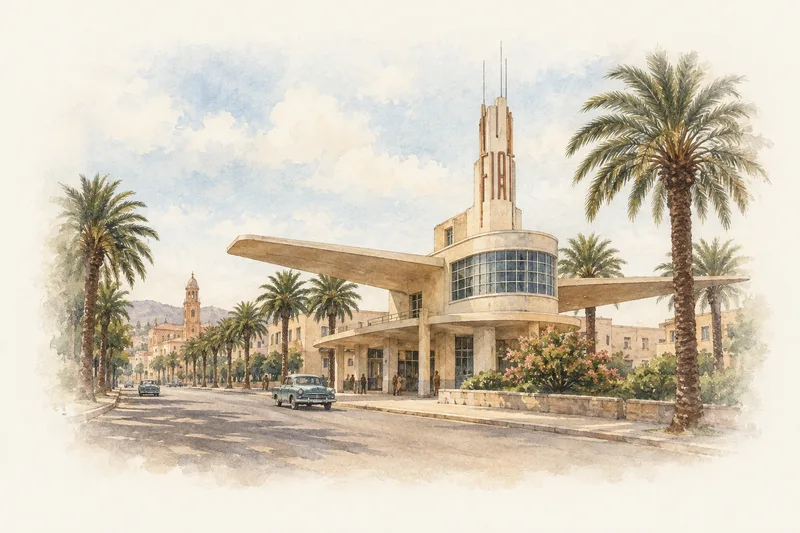
Asmara’s Italian-era cafés are historically specific. UNESCO documents the city’s colonial modernist fabric and layered urban life. Espresso, pastries and pasta are part of that history, but should sit beside rather than replace Eritrean grain, pulse and communal-plate traditions. [8]
Fermented bread carries slow-cooked sauces.
Fermented flatbread, often blended with other grains
Flatbreads, porridges and lowland staples
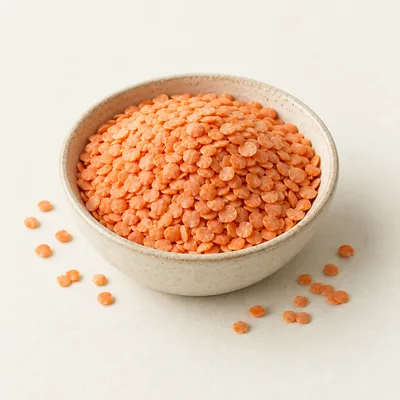 PULSERed lentil
Spiced tsebhi and fasting dishes
 COFFEE CULTURECoffee
Roasted and brewed through a social ceremony
Berbere is a blend with household identity. Dried chilli joins aromatics such as coriander, fenugreek, ginger or cloves in proportions that vary. It structures zigni and other sauces rather than functioning as a simple garnish. [10]
Fasting traditions sustain a deep plant-based repertoire. Orthodox Christian fasting periods exclude animal products and foreground lentils, chickpeas, vegetables and seed oils. These dishes are complete traditions, not modern substitutes. [10]
The shared platter is both serving system and social form.
Sauces are arranged over one broad bread. Diners tear taita or injera to pick up zigni, shiro, lentils and vegetables. The bread’s fermentation, grain blend and absorbency are central to the meal. [10]
Coastal restaurants deserve their own reading. Massawa and Red Sea towns have access to fish species and trading histories not represented by an Asmara highland menu. Ask what was caught locally and how it is seasoned or preserved. [9]
Food-culture sources checked .
Highland injera meals
Around Asmara, injera is described as a fermented, spongy bread made from a batter of grains, with spicy meat and vegetable stews served on top. Ask whether the batter contains teff-like or other grains, barley, wheat or a blend, and whether the stew uses butter, oil, stock or a separate sauce. Confirm whether the injera is cooked on a shared surface and whether toppings are added after cooking.
Flatbreads, beans and breakfast dishes
Shahan-ful is a bean stew served with pitas and is described as commonly eaten for breakfast or brunch in modest establishments. Fata, Fit-Fit and Kitcha Fit-Fit also need recipe-level checking: ask what bread is used, whether wheat is present, and whether yoghurt, butter or ghee is mixed through or served separately. Confirm any garnish, sauce and shared utensils.
Red Sea cooking in Massawa
In the old town of Massawa, simple restaurants may serve Red Sea-style food such as grilled spicy fish and khobzen, described as pitas drenched in goat’s butter and honey. Ask whether the fish is grilled on a shared surface, what seasoning or marinade is used, and whether the pita, butter and honey are handled separately from other orders.
Other restaurant traditions
Italian food is widely available, including pasta, lasagne, steak and grilled fish, while Asmara also has Chinese, Sudanese and Indian restaurants. Treat each recipe as variable: ask about wheat in pasta or wrappers, dairy in sauces, egg, stock, marinades, frying oil and shared woks or pans rather than assuming a cuisine-wide method.
Ingredients worth recognising
Start with these ingredients, then follow their names and recorded food connections. Check the recipe and product actually used.
Barley Flour
Barley flour is milled from barley and is recorded as a typical base for Ga’at; it also appears in some regional or alternative injera formulations. Ask whether it is used alone or blended, and whether the same bowl, batter or griddle is shared.
Wheat flour
Wheat flour is recorded in Ga’at variations, injera batters, kitcha and sambusa wrappers. Ask which flour is used in the complete recipe, including substitutes, dusting flour, sauces or pastry, and whether preparation shares utensils or cooking surfaces.
Injera flatbread
Some injera flatbread formulations use barley or wheat. Ask which grain combination is used today, whether the batter is fermented, and whether the bread is cooked on a surface also used for other breads or dishes.
Butter
Butter may cook Tsebhi Dorho and tops Ga’at; it is also recorded in Fata, while khobzen may use goat’s butter. Ask which butter is used, whether it is added during cooking or at serving, and whether the pan is shared.
Yogurt
Yoghurt is included in some Fit-Fit variations and may be mixed into or served with Kitcha Fit-Fit. Ask whether it is in the dish, on top, or in a sauce, and whether the recipe also contains ghee or butter.
Hard-Boiled Egg
Hard-boiled egg is recorded as a customary accompaniment or component in many Tsebhi Dorho preparations. Ask whether egg is added to the stew, plated separately, or handled with shared knives, boards or serving utensils.
How food labelling works
A current, country-specific allergen-labelling summary for Eritrea has not yet been verified for this guide. Do not transfer the list of regulated allergens or restaurant disclosure rules from your home country to this one.
Read the complete ingredients on the actual package and keep any local-language sticker with the original label. For imported products, compare the information on that pack rather than a photograph of the brand sold elsewhere. Ask the manufacturer or seller to clarify an unfamiliar term.
For loose food or meals prepared to order, ask who can check the recipe and the labels on bought-in ingredients. Explain every food you avoid, including ingredients outside familiar allergy groups; a short symbol chart may not cover your list.
Language and communication
Languages relevant to food communication are Tigrinya, Arabic and English. Prepare a written explanation in the language most useful for the setting, naming the ingredient of concern and asking for confirmation of the complete recipe, stock, sauce, toppings and cooking equipment.
Tigrinya is described as the country’s lingua franca, while Arabic and English are also main languages. Regional and urban communication can vary, so show the written explanation before ordering and ask the person preparing the food to confirm the answer, not only the server.
Eating in different settings
Asmara highland restaurant
For injera with stews, ask whether the batter contains wheat or barley and whether the stew uses butter, oil or stock. Ask if stews are placed on one shared injera and whether bread, toppings and serving utensils are handled separately.
Breakfast or brunch counter
For shahan-ful with pita, Fata or Fit-Fit, ask what bread is used and whether yoghurt, butter or ghee is included. Check whether the beans, bread and toppings are prepared in shared pans, bowls, oil or utensils.
Massawa simple restaurant
For grilled spicy fish or khobzen, ask about the marinade, seasoning, pita, goat’s butter and honey. Confirm whether the fish shares a grill, oil, knife or serving surface with bread or other foods.
Bakery or packaged-food shop
Ask for the complete ingredient list for himbasha, wheat bread, sambusa or other packaged items. Check flour, milk-derived ingredients, egg and vegetable oil, and ask whether loose foods share tongs, trays, counters or fryers.
Before you travel
Review your personal plan
Discuss your travel plans with your clinician and keep your prescribed medicines and emergency instructions accessible. Tell companions where these are and how to follow your plan.
Check your medicines before entering Eritrea
Some medicines prescribed or bought in the UK may have different legal status or regulation in Eritrea, where the available range is limited and many medicines are locally produced. Before travel, check what requirements apply to your medicine with the relevant Eritrean authority, review NHS guidance and TravelHealthPro, and arrange enough prescribed medicine plus contingency for the stay.
Make the first meals easier to organise
Contact your accommodation and transport providers in advance. Save your written food list, menu questions and destination address offline. Check entry restrictions before packing backup food, and plan how you will check meals during arrival and onward journeys.
Plan access to medical help
There are three public hospitals in Asmara, with facilities often less equipped elsewhere and more limited in rural areas. Check your insurer’s eligibility and arrangements for care, and review the FCDO list of medical facilities, including regional limits and which facilities have some staff who speak English.
Emergency resources
For a suspected severe allergic reaction, follow your prescribed emergency plan and seek urgent medical help. Give your exact location clearly.
Ambulance and urgent medical help
Call 122244 and ask for an ambulance. Please note that the call handler may not speak English.
Explore next
Your allergy in Eritrea
Choose a food concern for the country notes and questions relevant to it.
Dishes in Eritrea
Follow the ingredients and cuisine connections in individual dish records.
Your own food list
Combine allergy groups and individual ingredients in one guide, with local names where recorded.
Allergy cards
Prepare the information you need to explain your food requirements.
FAQs, sources and review dates
Could injera be wheat-free because it is fermented?
Not necessarily. Some injera formulations use wheat, while others use barley. Ask which grains are in the actual batter, including blended or substitute flour, and ask about shared batter containers, ladles and cooking surfaces.
What should I ask about Tsebhi Dorho?
Ask whether butter is used as the cooking medium and whether a hard-boiled egg is included or served alongside. Then check the stew’s stock, seasoning and utensils, and whether the egg is handled separately from the rest of the dish.
Is coconut or pine nut relevant to these examples?
Neither coconut nor pine nuts appears in the Eritrean food examples. If either matters to you, ask specifically about the complete recipe, garnish, sauce and shared utensils rather than assuming it is absent from an individual preparation.
Sources checked: . This researched draft is awaiting editorial review. Practical questions apply the sources below to local food settings; they do not confirm any individual meal's ingredients or preparation.
Sources & references (10)
- FCDO · Eritrea health and medical assistance
Emergency contact details, local healthcare and medicine guidance. UK-specific eligibility does not apply to every visitor.
- Wikivoyage contributors · Eritrea
Community-edited food and dining context, checked against the recorded food examples. This is not an allergy or medical authority. Brief food-context adaptations; CC BY-SA 4.0, https://creativecommons.org/licenses/by-sa/4.0/.
- FARE · Dining out
General recipe and preparation questions, applied here to country-specific food examples.
- FARE · Travelling with food allergies
General preparation, written communication and access to prescribed medicines. Not country-specific import permission.
- PlateSafe · Eritrea recorded food connections
Existing draft dish and ingredient records, used as examples to investigate. These are not independently verified recipes or suitability assessments.
- Unicode CLDR · Territory language data
Language suggestions. Regional language needs must be confirmed with the particular food provider.
- FAO — Eritrea country and agricultural profile
- UNESCO World Heritage Centre — Asmara: A Modernist African City
- FAO — Eritrea fisheries and Red Sea resources
- Visit Eritrea — Understanding Eritrean food culture