
BEFORE YOUR FIRST MEAL
Navigating food allergies in Estonia
Estonian food often brings together dark breads, potatoes, cabbage, meat, fish and dairy, with recipes influenced by Baltic, German, Russian and Nordic cooking. A familiar dish name may cover meaningful variations: rye bread can include wheat, pancakes usually contain wheat, milk and egg, and fish dishes may be fried, breaded or served with creamy mixtures.
What to know first
Bread and grain details matter
Rukkileib is defined by rye flour, while sepik commonly uses wheat flour with some rye. Ask whether the loaf or dish contains both grains, and whether sauces use flour.
Traditional plates combine several components
Verivorst may contain barley groats and is served with lingonberry jam; mulgikapsad can also include barley. Check the sausage, accompaniments and any stock separately.
Explain the complete concern
Give staff a written explanation naming the food to avoid, then ask about the recipe, stock, sauce, toppings, shared utensils, shared oil and shared cooking water.
Preparation can change the questions
For räim tomatis, ask whether the fish was dusted or breaded with wheat before frying. For creamy casseroles, check every added dairy ingredient rather than relying on the dish name.
Read the full label
EU food-information rules cover 14 allergen categories; on prepacked food, included categories must stand out in the ingredients list. Still read the complete list for foods outside those categories.
Understanding the food
Rye bread, potatoes, barley, pork, dairy, herring, cabbage, mushrooms and berries reflect a short growing season and long traditions of fermenting, smoking, salting and preserving. Setomaa, the islands, coastal villages, southern farms and contemporary Tallinn each bring a different accent.
Coast, islands and inland cultural regions preserve different foods.
| Region or setting | Food landscape | Examples to explore |
|---|---|---|
| Tallinn & north coast | Baltic fish, city markets and contemporary Estonian cooking | Sprat sandwiches, herring, rye bread and seasonal tasting menus |
| Saaremaa & western islands | Seafood, dairy, juniper and wind-exposed farming | Smoked fish, island bread, lamb and local cheese |
| South Estonia & Võromaa | Smoke sauna culture, farms, forests and fermentation | Smoke-cured meat, barley dishes, mushrooms and sour foods |
| Setomaa & Lake Peipus | Seto traditions, onions, fish and Orthodox calendar foods | Lake fish, onion dishes, sõir cheese and festival breads |
Visit Estonia describes the cuisine through season and preservation. Spring herbs, summer berries, autumn mushrooms and game, and winter cellar foods shape menus more reliably than a single national dish list. [8][9]
Regional cultural traditions remain distinct. Island smokehouses, Seto feasts, Lake Peipus onion growers and Võromaa smoke sauna customs attach food to community, landscape and calendar. [8][11]
Dark bread anchors fresh, pickled and smoked foods.
Dense sour bread and crisp baked forms
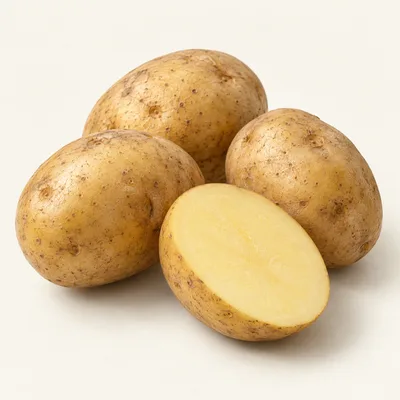 FIELD CROPPotato
Boiled, mashed, roasted and worked into salads
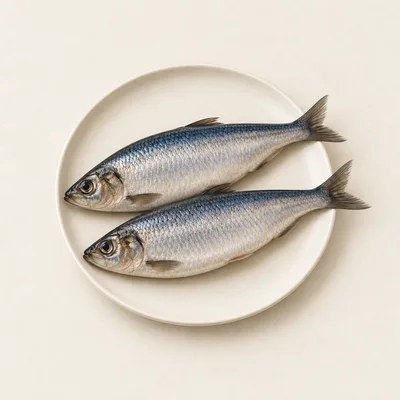 BALTIC FISHHerring
Salted, marinated or layered into cold dishes
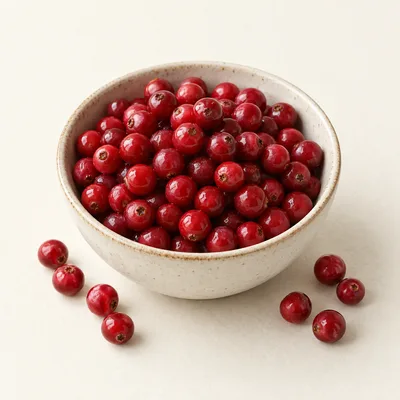 FOREST FRUITLingonberry
Preserves and sharp accompaniments to savoury food
Fermentation and smoke are preservation techniques with flavour consequences. Sour rye, cultured dairy, pickled vegetables and smoked fish or meat concentrate food for winter while creating the profile associated with traditional meals. [9][8]
New Estonian cooking uses the same pantry with lighter handling. Contemporary chefs foreground local grain, wild herbs, berries, mushrooms, fish and small producers without needing to reproduce a historic farmhouse plate exactly. [10][8]
Markets, farm restaurants and seasonal menus reveal more than a fixed checklist.
Look for regional labels and a short seasonal menu. An island smokehouse, Setomaa farm or Lake Peipus fish restaurant can explain its ingredients more precisely than a generic “traditional Estonian” venue. [8][9]
Tallinn offers both historical and contemporary frames. Market halls and casual cafés suit rye bread, fish and pastries; modern restaurants interpret forest, coast and farm ingredients through tasting menus. Both need a clear account of provenance. [10]
Food-culture sources checked .
Rye, wheat and barley on the same table
Rye is prominent in rukkileib and leivakali, but rye breads used for leivakali may also include wheat. Karask is characteristically made with barley flour, sometimes alongside wheat and egg. Barley groats appear in mulgikapsad, mulgipuder and verivorst. Ask which grain is used, whether wheat has been added, and whether a separate flour, crumb or thickener enters the recipe.
Fish may be topped, fried or baked
Kiluvõileib uses sprats as its defining topping on bread, with butter commonly spread underneath. Rosolje traditionally includes herring and may have sour cream and hard-boiled egg. Räim tomatis centres on herring, but some versions are fried or breaded with wheat; räimevorm uses herring in a mixture that can include cream and sometimes butter. Confirm the fish, coating and sauce.
Dairy appears in drinks, cakes and savoury dishes
Kama traditionally uses roasted rye flour and is commonly mixed with buttermilk or another cultured milk. Kohupiimakook has a quark filling, with wheat flour, butter and egg commonly involved. Vastlakukkel is an enriched wheat bun with milk, butter and cream in the dough or filling. Ask whether dairy is in the base, filling, topping or accompanying drink.
Regional and recipe variation is significant
Estonian cooking reflects German, Russian and Nordic influences, with regional dishes such as mulgikapsad and mulgipuder alongside everyday breads and sweets. Similar names do not establish identical recipes: klimp is a wheat-flour dumpling soup that may contain milk and egg, while kissel has a recognised milk-based variation. Request the exact preparation.
Ingredients worth recognising
Start with these ingredients, then follow their names and recorded food connections. Check the recipe and product actually used.
Rye bread
Rye is the defining grain, but many rye-bread formulations include wheat, so the colour or name is not enough. Ask for the full flour list and whether the loaf shares a slicer, board or toaster.
Barley Flour
Barley flour is milled directly from barley and is characteristic in karask; it also relates to roasted mixtures and grain-based dishes. Ask whether wheat flour, egg or dairy is added to the finished recipe.
Wheat flour
Wheat flour is central to pancakes, dumplings, cakes, buns and some breaded fish preparations. Ask whether it is in the batter, coating, sauce or shared fryer, and whether a separate wheat-containing garnish is added.
Butter
Butter is milk-derived and appears as a spread, enriched-dough ingredient, cake fat or part of a creamy fish casserole. Ask whether it is used in the base, brushed on top or added during cooking.
Herring
Herring is the defining fish in rosolje, räim tomatis and räimevorm, but the surrounding ingredients vary. Ask whether it is plain, breaded, fried, preserved or mixed with cream, egg or another dressing.
Egg
Egg commonly binds pancakes, dumplings, cakes, enriched buns and some savoury dishes; hard-boiled egg may garnish rosolje. Ask about batter, glaze, garnish, mayonnaise-style dressing and shared utensils used with egg.
How food labelling works
EU food-information rules cover 14 allergen categories used as ingredients. On prepacked food, these must stand out in the ingredients list. The categories include gluten-containing cereals, crustaceans, eggs, fish, peanuts, soybeans, milk, specified nuts, celery, mustard, sesame, sulphites above the stated threshold, lupin and molluscs.
Allergen information is also required for food sold without prepacking, including restaurant meals. Ask how to obtain the information for the exact order. National arrangements affect how it is supplied; an ingredient declaration does not by itself describe shared equipment or handling.
If you avoid a food outside those categories, read the complete ingredients and name that food when speaking to staff. A short allergen key cannot answer every ingredient-specific question.
Language and communication
Prepare a written explanation in Estonian, the official language, naming the food you avoid and asking for the complete recipe, stock, sauce, toppings and cooking method. Use dish and ingredient names as recognition aids, not as a complete allergy request; confirm the answer for the exact order.
Russian is also used in parts of Estonia, including Narva, Kohtla-Järve and some Tallinn neighbourhoods. Ask which language the person checking your order understands, and have a written explanation prepared accordingly. Keep food names alongside your complete request, then confirm sauces, substitutions and shared equipment with the kitchen.
Eating in different settings
Market bread stall
At a farmer’s market or bread counter, ask whether rukkileib, sepik or another loaf contains wheat as well as rye. Check ingredients for seeds, seasonings and added dairy, and ask whether slicing uses the same board or machine.
Bakery or café
For karask, kringel, pannkoogid, kohupiimakook or vastlakukkel, ask about every flour, milk, butter, cream and egg component. Confirm fillings, glazes and toppings, then ask whether the item was prepared beside other doughs.
Restaurant meal
With verivorst, mulgikapsad, rosolje or räimevorm, ask about the sausage filling, grain, stock, dressing and garnish separately. For fish, check breading and shared oil; for creamy dishes, ask whether butter or cream is included.
Supermarket or packaged-food shop
Read the complete ingredient list on bread, sweets, cultured dairy and fish products. Check highlighted allergen categories, but also identify foods outside those categories by name, and ask staff for the product’s full information if the label is unclear.
Before you travel
Review your personal plan
Discuss your travel plans with your clinician and keep your prescribed medicines and emergency instructions accessible. Tell companions where these are and how to follow your plan.
Check your medicines before entering Estonia
The legal status of medicines prescribed or bought in the UK can differ in Estonia. Before travelling, check what you can take into Estonia with the Estonian Medicine Agency and consult TravelHealthPro’s medicine-travel guidance. Ask the agency whether any documentation or restrictions apply to your medicines.
Make the first meals easier to organise
Contact your accommodation and transport providers in advance. Save your written food list, menu questions and destination address offline. Check entry restrictions before packing backup food, and plan how you will check meals during arrival and onward journeys.
Plan access to medical help
For medically necessary state healthcare, check whether you qualify for and carry a GHIC or EHIC; these are not substitutes for travel insurance and may not cover private, non-urgent or repatriation costs. Consult the NHS healthcare-abroad guidance and the FCDO list of providers when planning access.
Emergency resources
For a suspected severe allergic reaction, follow your prescribed emergency plan and seek urgent medical help. Give your exact location clearly.
Ambulance and urgent medical help
Dial 112 and ask for an ambulance.
Explore next
Your allergy in Estonia
Choose a food concern for the country notes and questions relevant to it.
Dishes in Estonia
Follow the ingredients and cuisine connections in individual dish records.
Your own food list
Combine allergy groups and individual ingredients in one guide, with local names where recorded.
Allergy cards
Prepare the information you need to explain your food requirements.
FAQs, sources and review dates
Could a rye-based item contain wheat?
Yes, but rye bread is defined by rye and many formulations include wheat, while leivakali may use rye bread with wheat. Ask for the exact flour list rather than treating “rye” as a complete description.
What should I ask about kohuke or other milk-curd sweets?
Kohuke is described as a flavoured milk-curd sweet covered with chocolate, but the name does not answer every ingredient question. Ask about the curd, chocolate coating, flavouring, filling, shared utensils and the complete package label.
Is pine nut or coconut covered by the listed EU allergen categories?
Do not assume that an ingredient outside the 14 categories is answered by a short allergen key. If avoiding pine nuts or coconut, name it specifically, read the complete ingredients and ask about the exact recipe and handling.
Sources checked: . This researched draft is awaiting editorial review. Practical questions apply the sources below to local food settings; they do not confirm any individual meal's ingredients or preparation.
Sources & references (11)
- FCDO · Estonia health and medical assistance
Emergency contact details, local healthcare and medicine guidance. UK-specific eligibility does not apply to every visitor.
- Wikivoyage contributors · Estonia
Community-edited food and dining context, checked against the recorded food examples. This is not an allergy or medical authority. Brief food-context adaptations; CC BY-SA 4.0, https://creativecommons.org/licenses/by-sa/4.0/.
- FARE · Dining out
General recipe and preparation questions, applied here to country-specific food examples.
- FARE · Travelling with food allergies
General preparation, written communication and access to prescribed medicines. Not country-specific import permission.
- PlateSafe · Estonia recorded food connections
Existing draft dish and ingredient records, used as examples to investigate. These are not independently verified recipes or suitability assessments.
- Unicode CLDR · Territory language data
Language suggestions. Regional language needs must be confirmed with the particular food provider.
- European Commission · Allergen information
Scoped allergen-labelling summary. Does not establish an individual meal’s ingredients or preparation.
- Visit Estonia — Estonian food
- Visit Estonia — An introduction to Estonian cuisine
- Taste Estonia — Official Estonian food platform
- UNESCO Intangible Heritage — Smoke sauna tradition in Võromaa