

BEFORE YOUR FIRST MEAL
Navigating food allergies in Fiji
Fijian meals commonly bring together tubers, coconut, fish, meat or vegetables, while Indo-Fijian cooking adds curries, thali and wheat-based breads. Palusami, kokoda, lovo cooking, cassava cake and fish curry may vary between recipes. Ask about every component rather than relying on a dish name, especially coconut fillings, marinades, batters, sauces, garnishes and shared cooking equipment.
What to know first
Coconut and fillings
Palusami may contain taro leaves, coconut filling and sometimes fish; ask whether the filling also contains meat, fish, onion, garlic or other added ingredients.
Raw and cooked fish
Kokoda uses fish or other seafood marinated in lemon and coconut milk, while fish curry and ika vakalolo involve cooked fish; confirm the complete preparation.
Explain the whole meal
Describe the ingredient you must avoid and ask about the dish, stock, sauce, marinade, toppings, batter, oil and utensils, rather than asking only for a suitable dish.
Shared preparation
For bhajia, samosa, puri or other fried foods, ask whether the oil is shared. For lovo or buffet food, ask about shared tools, surfaces and serving utensils.
Read the complete list
When buying packaged food, read the complete ingredient list and any advisory wording. Do not assume a product is suitable from its name, flavour or dietary label.
Understanding the food
Taro, cassava, breadfruit, coconut, leafy greens and reef or offshore fish support iTaukei foodways; indenture-era migration created a distinct Indo-Fijian repertoire of roti, dhal, rice, pickles and curries; Chinese, Rotuman and other Pacific influences add further layers. Resort dining is only one small window.
Community, island and access to the sea all shape the meal.
| Setting | Food landscape | Examples to explore |
|---|---|---|
| iTaukei villages | Root crops, coconut, greens, fishing and communal earth ovens | Lovo, kokoda, rourou, fish and boiled root crops |
| Indo-Fijian towns & farms | Rice, wheat, pulses, vegetables and spice gardens | Roti, dhal, tarkari, chutneys and Fiji-style curries |
| Coasts & outer islands | Daily catch, reef foods, coconut and limited supply chains | Grilled fish, shellfish, sea grapes and root-crop sides |
| Suva, Nadi & resort areas | Markets, migration and international tourism | Fijian, Indo-Fijian, Chinese and contemporary Pacific food |
Tourism Fiji presents the food culture as plural. iTaukei and Indo-Fijian traditions are both central, with markets, street snacks, village meals and restaurants offering different windows into them. [7][8]
Colonial port history helps explain some of the mixture. UNESCO describes Levuka as a Pacific port where Indigenous and settler communities encountered global maritime commerce. That history should be read alongside the coercion of indenture and colonial rule. [9]
Root crops and coconut organise the island plate.
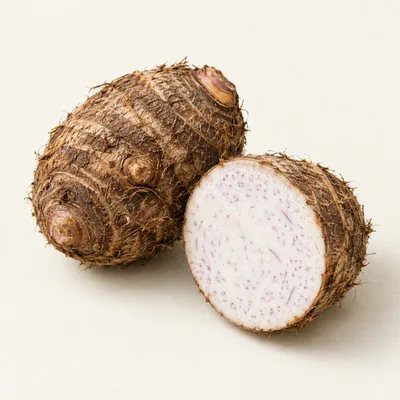 ROOTTaro
Boiled corms and leaves cooked as rourou
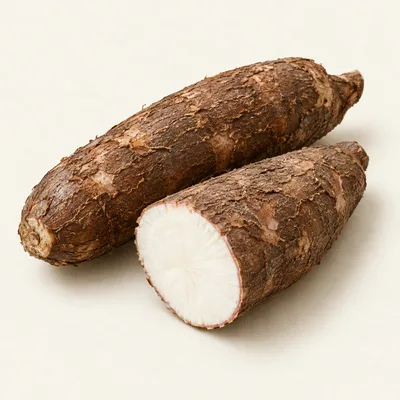 ROOTCassava
A widely grown everyday starch
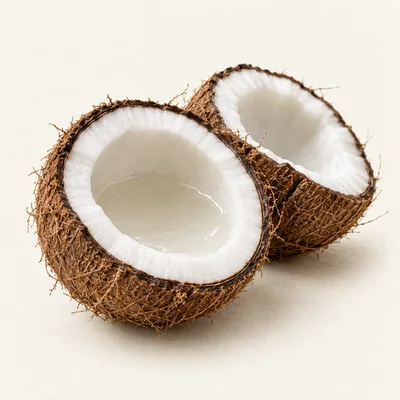 TREE CROPCoconut
Milk, cream and flesh in savoury and sweet dishes
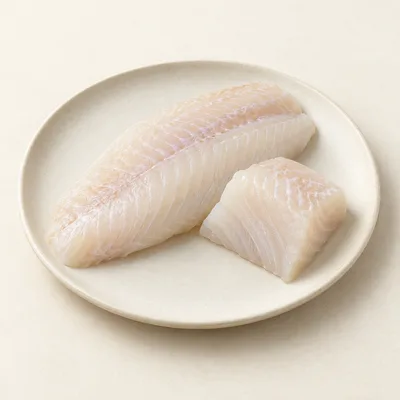 OCEAN PROTEINFish
Raw-marinated, grilled, curried or cooked in an earth oven
Kokoda depends on both acid and coconut cream. Fresh fish firms in citrus before coconut cream, onion, chilli and vegetables are added. Fish handling and refrigeration still matter because the dish is not heat-cooked. [7]
Lovo is a method and a gathering. Wrapped meat, fish and root crops cook over heated stones in an earth oven. The long communal preparation gives context that a resort buffet label alone cannot provide. [7][8]
Markets and community kitchens reveal Fiji beyond the resort.
Municipal markets show what each region is growing and landing. Taro, cassava, leafy vegetables, tropical fruit, spices and fish vary with island and season. Prepared-food stalls add rotis, curries, snacks and fresh juices. [8][10]
Identify the tradition rather than calling every dish “Fijian”. An iTaukei rourou, Indo-Fijian goat curry and Rotuman preparation carry different histories and ingredient logics. The community name is useful information, not a division to smooth over. [7]
Food-culture sources checked .
Tubers, leaves and coconut
Taro, yams, sweet potatoes, manioc and breadfruit may accompany a relish of meat, fish, seafood or vegetables. Palusami is made with taro leaves, lemon and coconut milk, sometimes with a meat or fish filling. Ask whether the coconut mixture is prepared separately and what is added to the relish.
Raw, marinated and pit-cooked dishes
Kokoda is fish or other seafood marinated in lemon and coconut milk, so ask whether the fish is raw and whether the marinade includes anything beyond the named ingredients. Lovo food is cooked in a pit oven; ask how your portion is wrapped, placed and served, and whether tools or surfaces are shared.
Indo-Fijian meals and fried foods
Thali meals may combine rice, roti and several spicy dishes. Possible examples include wheat-based roti, dhal puri, farata, puri, samosa, kachori, gulgula and jalebi; bhajia may use wheat or chickpea flour. Ask about each bread, batter, filling, sauce and frying oil separately.
Ingredients worth recognising
Start with these ingredients, then follow their names and recorded food connections. Check the recipe and product actually used.
Coconut
Coconut milk is recorded in palusami and kokoda, and coconut is prominent in the local food context. Ask whether it is in the filling, marinade, sauce or dessert, and whether extra toppings or garnishes are added.
Fish
Fish is the defining protein in kokoda, ika vakalolo and Fijian-style fish curry, and may appear in a palusami filling. Ask which fish or seafood is used, whether it is raw or cooked, and whether stock or sauce contains further ingredients.
Wheat flour
Wheat flour forms roti, puri, dhal puri, farata, samosa, kachori and gulgula, and can occur in some bhajia or papad. Ask which flour is used, how the food is fried, and whether wheat-based crumbs or thickener occur in fillings.
Yogurt
Yogurt is recorded in jalebi batter and is a core ingredient in the usual kadhi preparation. Ask whether it is mixed into the batter or sauce, whether dairy is added elsewhere, and whether a garnish or accompanying dish has a separate recipe.
Egg
Egg is commonly incorporated as a binder in Fijian cassava cake and may occur in some samosa pastry or filling variations. Ask whether the complete cake, wrapper or filling contains egg, including any brushing or binding step.
Butter
Butter is included in the recorded Fijian cassava cake mixture. Ask whether butter is used in the cake itself, in a topping or in a greased baking vessel, and whether another dairy ingredient is included in the complete recipe.
How food labelling works
A current, country-specific allergen-labelling summary for Fiji has not yet been verified for this guide. Do not transfer the list of regulated allergens or restaurant disclosure rules from your home country to this one.
Read the complete ingredients on the actual package and keep any local-language sticker with the original label. For imported products, compare the information on that pack rather than a photograph of the brand sold elsewhere. Ask the manufacturer or seller to clarify an unfamiliar term.
For loose food or meals prepared to order, ask who can check the recipe and the labels on bought-in ingredients. Explain every food you avoid, including ingredients outside familiar allergy groups; a short symbol chart may not cover your list.
Language and communication
Fiji has three official languages: English, Fijian and Hindi. Prepare a written explanation in English first, then consider Fijian or local Hindi for the person taking the order. Names such as palusami, kokoda and lovo help identify dishes, but are not complete allergy requests.
English is widely used, while some remote islands may have less English use. Ask staff to confirm the full recipe, cooking liquid, garnish and shared equipment in writing where possible. Regional languages, including Rotuman on Rotuma, are relevant only where your journey takes you; local confirmation still matters.
Eating in different settings
Market or fruit stall
For fresh fruit, tubers, taro leaves, coconut and vutu, ask whether the item is plain or has been cut, dressed or coated. Check knives, boards, tongs and containers if preparation or sampling has already begun.
Café or small restaurant
Ask whether the dish is cooked to order or comes from a display, then check the complete recipe. For fish and chips, ask about batter, seasoning, shared oil and chips, rather than treating the dish name as a guarantee.
Hotel lovo or shared meal
Ask which dishes were cooked in the lovo, what each parcel contains, and whether serving spoons, trays or preparation surfaces are shared. Check relishes, coconut sauces, fish, meat and vegetable dishes individually.
Indian restaurant or bakery
For thali, roti, dhal puri, bhajia, samosa or sweets, ask about wheat flour, chickpea flour, dairy, egg, nuts, fillings and frying oil. Confirm each component separately, including chutneys, kadhi and garnishes.
Before you travel
Review your personal plan
Discuss your travel plans with your clinician and keep your prescribed medicines and emergency instructions accessible. Tell companions where these are and how to follow your plan.
Check your medicines before entering Fiji
The legal status and regulation of some medicines prescribed or bought in the UK can differ in Fiji. Before travel, read the relevant TravelHealthPro guidance and ask the appropriate Fijian authority what status and import requirements apply to this medicine. Ask your prescriber or pharmacist what documentation is appropriate to carry.
Make the first meals easier to organise
Contact your accommodation and transport providers in advance. Save your written food list, menu questions and destination address offline. Check entry restrictions before packing backup food, and plan how you will check meals during arrival and onward journeys.
Plan access to medical help
Healthcare facilities in Fiji are limited in range and availability, and serious emergencies may involve evacuation to another country. There is no reciprocal healthcare agreement with the UK, and hospitals usually request immediate cash payment. Check FCDO’s list of providers, your insurer’s arrangements and payment requirements before travelling.
Emergency resources
For a suspected severe allergic reaction, follow your prescribed emergency plan and seek urgent medical help. Give your exact location clearly.
Ambulance and urgent medical help
Dial 911 and ask for an ambulance.
Explore next
Your allergy in Fiji
Choose a food concern for the country notes and questions relevant to it.
Dishes in Fiji
Follow the ingredients and cuisine connections in individual dish records.
Your own food list
Combine allergy groups and individual ingredients in one guide, with local names where recorded.
Allergy cards
Prepare the information you need to explain your food requirements.
FAQs, sources and review dates
Could palusami be fish-free?
It can depend on the recipe. The recorded connection says some versions include fish, while the food description also allows meat or fish filling. Ask what is inside the taro leaves, whether the coconut mixture was shared, and whether the accompanying relish contains fish or seafood.
Is a vegetable curry automatically suitable?
No. Ask for the complete recipe, including stock, sauce, yoghurt, ghee, butter, flour, toppings and shared utensils. A vegetarian description does not answer questions about dairy, wheat, soy-based seasonings, cross-contact or the oil used for fried accompaniments.
What should I check about raisins?
Some commercial raisin formulations, especially light-coloured varieties, use sulphites. If raisins appear in a sweet, filling or garnish, ask to see the product ingredients or packaging and check whether that particular formulation contains sulphites.
Sources checked: . This researched draft is awaiting editorial review. Practical questions apply the sources below to local food settings; they do not confirm any individual meal's ingredients or preparation.
Sources & references (10)
- FCDO · Fiji health and medical assistance
Emergency contact details, local healthcare and medicine guidance. UK-specific eligibility does not apply to every visitor.
- Wikivoyage contributors · Fiji
Community-edited food and dining context, checked against the recorded food examples. This is not an allergy or medical authority. Brief food-context adaptations; CC BY-SA 4.0, https://creativecommons.org/licenses/by-sa/4.0/.
- FARE · Dining out
General recipe and preparation questions, applied here to country-specific food examples.
- FARE · Travelling with food allergies
General preparation, written communication and access to prescribed medicines. Not country-specific import permission.
- PlateSafe · Fiji recorded food connections
Existing draft dish and ingredient records, used as examples to investigate. These are not independently verified recipes or suitability assessments.
- Unicode CLDR · Territory language data
Language suggestions. Regional language needs must be confirmed with the particular food provider.
- Tourism Fiji — Food and drink
- Tourism Fiji — Fiji foodies and local eats
- UNESCO World Heritage Centre — Levuka Historical Port Town
- FAO — Fiji country profile