
BEFORE YOUR FIRST MEAL
Navigating food allergies in Finland
Finnish food often combines potatoes, bread, fish, meat and dairy, with regional specialities such as Savonia’s fish-filled kalakukko and rye breads found nationwide. A familiar dish name may conceal wheat, rye, barley, milk, egg, mustard or a stock ingredient. Ask about the complete recipe, then check sauces, dressings, toppings, frying fat and shared utensils before ordering.
What to know first
Rye, wheat and barley appear in different foods
Kalakukko uses a fish filling in a bread-like rye pie; rieska may use barley and sometimes wheat, while ruisleipä is defined by rye. Check each grain separately.
Creamy dishes still need a full recipe check
Lohikeitto commonly has salmon and cream, while casseroles such as imelletty perunalaatikko may contain milk, butter and wheat flour. Confirm stock, garnish and finishing ingredients.
Explain the restriction before choosing a dish
Ask whether the complete order contains a named ingredient, and whether sauce, coating, topping or dressing is made separately. Ask staff to confirm the finished dish, not just its title.
Preparation matters at counters and buffets
For fried vendace, grill food, market pastries or a buffet, ask about shared oil, water, pans, knives, boards and serving utensils, as well as ingredients in the recipe.
Read the complete packaged-food list
For prepacked food in Finland, the 14 regulated allergen categories must stand out in the ingredients list; loose and restaurant food requires a way to obtain information for the exact order.
Understanding the food
Rye, oats, barley, potatoes, dairy, freshwater fish, Baltic herring, mushrooms and wild berries connect everyday meals to short growing seasons and long preservation traditions. Lapland, Karelia, the Swedish-speaking coast, Lakeland and the Åland Islands each contribute distinctive foods.
Water, forest and latitude create distinct regional tables.
| Region | Food landscape | Examples to explore |
|---|---|---|
| Lakeland & Karelia | Freshwater fish, rye, mushrooms and eastern baking | Karjalanpiirakka, kalakukko, vendace and fish soups |
| West coast & Åland | Baltic fisheries, Swedish-speaking baking and island farms | Herring, black bread, pancakes and local apples |
| Lapland | Arctic berries, reindeer herding, fish and Sámi foodways | Reindeer, cloudberries, Arctic char and preserved foods |
| Cities & southern farms | Grains, dairy, markets and contemporary Nordic cooking | Rye bread, porridge, seasonal vegetables and modern Finnish menus |
Visit Finland organises the cuisine by nature and season. Ice-free fishing, berry and mushroom harvests, summer potatoes and winter preservation determine menus more strongly than a fixed year-round national list. [9][10]
Sámi food should be identified on its own terms. Reindeer, fish, berries and gathered plants belong to living Indigenous livelihoods and knowledge across Sápmi, not to a generic Lapland attraction. [11]
Rye and clean acidity support rich fish and dairy.
Sour loaves, crispbread and filled regional bakes
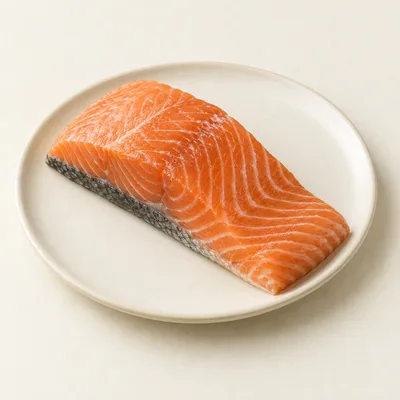 LAKE & SEASalmon
Soup, smoking, curing and open-fire cooking
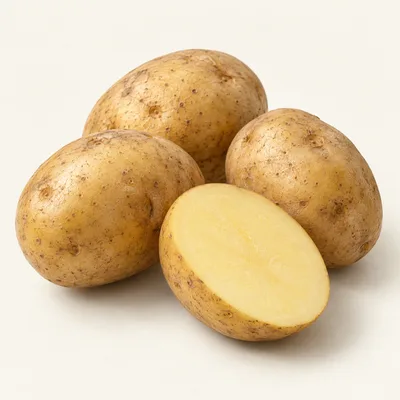 FIELD CROPPotato
New-season delicacy and year-round staple
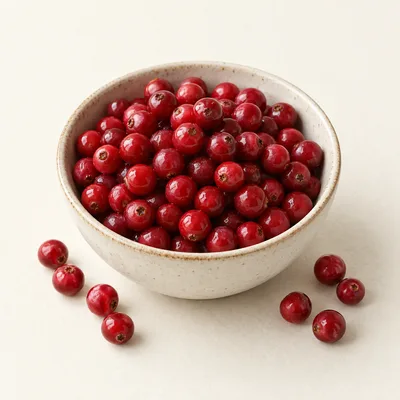 FOREST FRUITLingonberry
Tart preserve beside meat, porridge and desserts
Karjalanpiirakka is a regional bake with a national life. A thin rye crust encloses rice or potato porridge and is often finished with egg butter. The Karelian name and technique remain important even though the pastries are sold throughout Finland. [8]
Foraging belongs to everyday food knowledge. Bilberries, lingonberries, cloudberries and mushrooms move from forest to breakfast, preserves, desserts and savoury sauces. Availability follows place and season. [10][9]
Market halls, lunch counters and destination restaurants reveal different Finland.
The daily lunch is practical and broad. Soup, fish, meatballs, salads and grain dishes appear in workplace restaurants and cafés, while market halls specialise in bread, smoked fish, pastries and seasonal produce. [9]
Modern Finnish restaurants keep the landscape visible. Many contemporary kitchens use local fish, game, roots, grains, herbs and berries with restrained technique. Ask where the ingredient came from and which season it represents. [10][11]
Food-culture sources checked .
Fish, meat and composed plates
Fish may be served smoked, fried, pickled or as a pie filling: warm-smoked salmon, fried vendace and Savonia’s kalakukko are distinct examples. Lohikeitto combines salmon with a commonly creamy broth. Ask whether fish is coated, marinated or served with sauce, and whether a meat dish contains breadcrumb, egg or mixed meats.
Rye, barley and wheat are not interchangeable
Ruisleipä is rye bread, while mämmi uses rye flour and rye malt. Rieska is characteristically barley-based, but some versions add wheat. Wheat also appears in foods such as lihapiirakka, pannukakku and short pasta. Ask which flour or grain is used, including in thickening, pastry, crumbs and sourdough.
Casseroles, porridge and egg-bound mixtures
Finnish examples include potato, swede, carrot, cabbage, liver and macaroni casseroles, with recipes varying in their use of milk, butter and egg. Joulupuuro is cooked with cow milk; vispipuuro uses wheat semolina. Ask whether a topping, binding mixture or cooking liquid is part of the served portion.
Markets, buffets and sweet foods vary by preparation
Open-air markets and market halls may offer fish, farm cheese, berries and pastries, while a seisova pöytä can include fish, cold meats and warm dishes. Joulutorttu, blueberry pie and Runebergintorttu have pastry or cake components. Ask about fillings, glaze, cream, egg wash, crumbs and shared serving tools.
Ingredients worth recognising
Start with these ingredients, then follow their names and recorded food connections. Check the recipe and product actually used.
Rye flour
Rye flour is the defining grain in ruisleipä and forms the pastry in Kainuun rönttönen; it also appears in kalakukko and mämmi. Ask whether rye is used alone or alongside wheat, including in crumbs or pastry.
Wheat flour
Wheat flour is used in foods including pannukakku, lihapiirakka and many pastries, and may thicken gravy such as nakkikastike. Ask about wheat flour in coatings, breadcrumb crusts, sauces and laminated dough, rather than relying on the dish name.
Cow Milk
Cow milk is used in joulupuuro and many casseroles, while milk may moisten the breadcrumb mixture in lihapullat. Ask whether milk is in the cooking liquid, batter, filling or sauce, and whether a dish also contains butter or cream.
Egg
Egg commonly binds or finishes foods such as joulutorttu, macaroni casserole, pannukakku and meatballs. Ask whether egg is mixed into the recipe, brushed on the surface, included in an egg-butter topping or present in a prepared coating.
Fish
Fish is intrinsic to kalakukko, while other possible versions include rosolli with herring variations and fish soups. Ask which species is used, whether it is mixed into a salad or filling, and whether fish stock, garnish or shared equipment is involved.
Mustard
Mustard is a common coating for Finnish Christmas ham and may also occur in condiments such as some tomato ketchups. Ask whether mustard is brushed on, mixed into a sauce or supplied separately, and check the complete condiment recipe.
How food labelling works
EU food-information rules cover 14 allergen categories used as ingredients. On prepacked food, these must stand out in the ingredients list. The categories include gluten-containing cereals, crustaceans, eggs, fish, peanuts, soybeans, milk, specified nuts, celery, mustard, sesame, sulphites above the stated threshold, lupin and molluscs.
Allergen information is also required for food sold without prepacking, including restaurant meals. Ask how to obtain the information for the exact order. National arrangements affect how it is supplied; an ingredient declaration does not by itself describe shared equipment or handling.
If you avoid a food outside those categories, read the complete ingredients and name that food when speaking to staff. A short allergen key cannot answer every ingredient-specific question.
Language and communication
Prepare a written explanation in Finnish and Swedish, Finland’s two national languages. Use it to name the food or ingredient to avoid and to ask for confirmation of the complete recipe, stock, sauce, topping, coating and preparation method. A dish name is only a recognition aid, not a complete request.
Regional Sámi languages are recognised in Finland and are relevant within their respective communities; Northern Sámi, Inari Sámi and Skolt Sámi are named. If a menu or explanation uses a local language, arrange written confirmation in advance and ask staff to verify the exact dish.
Eating in different settings
Open-air market or market hall
For fish, cheese, berries or pastries, ask the stallholder what is in the complete item and whether it was prepared with shared knives, boards or tongs. For a fish pie such as kalakukko, check the grain in the crust and every filling ingredient.
Bakery or café
Ask which flour is in rieska, ruisleipä, joulutorttu or blueberry pie, and whether wheat, rye or barley is combined. Confirm butter, milk, egg wash, cream and fillings, then ask whether the item was cut or served with shared equipment.
Lunch buffet or restaurant
At a lounas meal or seisova pöytä, ask staff to identify every component of the selected plate. Check salad dressing, bread, fish preparations, gravies and serving utensils, and ask whether a fresh portion can be prepared separately rather than using a shared dish.
Hotel, guesthouse or self-catering shop
For breakfast or packaged food, read the complete ingredients list and ask about bread, cheese, porridge, ready meals and spreads. In a room or communal meal, confirm whether cooking uses shared pans, oil, water or utensils and whether toppings are added separately.
Before you travel
Review your personal plan
Discuss your travel plans with your clinician and keep your prescribed medicines and emergency instructions accessible. Tell companions where these are and how to follow your plan.
Check your medicines before entering Finland
The legal status and regulation of medicines prescribed or bought in the UK can differ in Finland. Read TravelHealthPro’s best-practice guidance before travel, and ask the appropriate Finnish authority what import and documentation requirements apply to each medicine.
Make the first meals easier to organise
Contact your accommodation and transport providers in advance. Save your written food list, menu questions and destination address offline. Check entry restrictions before packing backup food, and plan how you will check meals during arrival and onward journeys.
Plan access to medical help
For medically necessary state healthcare in Finland, UK travellers should check whether they are eligible for a GHIC or EHIC and review NHS guidance on eligibility and replacement arrangements. These cards are not travel insurance and may not cover private care, non-urgent treatment or repatriation. FCDO lists providers where some staff speak English.
Emergency resources
For a suspected severe allergic reaction, follow your prescribed emergency plan and seek urgent medical help. Give your exact location clearly.
Ambulance and urgent medical help
Dial 112 and ask for an ambulance.
Explore next
Your allergy in Finland
Choose a food concern for the country notes and questions relevant to it.
Dishes in Finland
Follow the ingredients and cuisine connections in individual dish records.
Your own food list
Combine allergy groups and individual ingredients in one guide, with local names where recorded.
Allergy cards
Prepare the information you need to explain your food requirements.
FAQs, sources and review dates
Could lohikeitto contain more than salmon and cream?
Yes. Salmon is the principal fish and cream is commonly used in the characteristic broth, but ask about the complete recipe, including stock, vegetables, seasoning and garnish. Confirm whether the serving ladle and pan are shared with other soups or fish dishes.
Is a dish containing rye automatically the same as one containing wheat?
No. Rye flour, rye malt, wheat flour, barley flour and wheat semolina are different recorded ingredients. Ruisleipä and mämmi centre on rye, while rieska centres on barley and may include wheat. Ask for every grain used in the specific recipe, including crumbs and thickener.
What if I need to avoid celery rather than a common allergen category?
Name celery specifically and ask about the complete recipe. It may occur in some versions of lihakeitto or in a beef-broth vegetable base, and some seasoned ketchups may include celery-derived flavouring. Read the full ingredients list rather than relying on a short allergen key.
Sources checked: . This researched draft is awaiting editorial review. Practical questions apply the sources below to local food settings; they do not confirm any individual meal's ingredients or preparation.
Sources & references (11)
- FCDO · Finland health and medical assistance
Emergency contact details, local healthcare and medicine guidance. UK-specific eligibility does not apply to every visitor.
- Wikivoyage contributors · Finland
Community-edited food and dining context, checked against the recorded food examples. This is not an allergy or medical authority. Brief food-context adaptations; CC BY-SA 4.0, https://creativecommons.org/licenses/by-sa/4.0/.
- FARE · Dining out
General recipe and preparation questions, applied here to country-specific food examples.
- FARE · Travelling with food allergies
General preparation, written communication and access to prescribed medicines. Not country-specific import permission.
- PlateSafe · Finland recorded food connections
Existing draft dish and ingredient records, used as examples to investigate. These are not independently verified recipes or suitability assessments.
- Unicode CLDR · Territory language data
Language suggestions. Regional language needs must be confirmed with the particular food provider.
- European Commission · Allergen information
Scoped allergen-labelling summary. Does not establish an individual meal’s ingredients or preparation.
- Visit Finland — Traditional and iconic Finnish foods
- Visit Finland — Finnish food culture
- Visit Finland — Taste Finland’s four seasons
- Visit Finland — Tastes of Lapland and wild food of the north