

BEFORE YOUR FIRST MEAL
Navigating food allergies in France
France’s food changes markedly between regions and establishments: a Breton crêperie, Lyon bouchon, village restaurant and Paris brasserie may prepare similarly named dishes differently. Wheat bread, pastry, dairy sauces, eggs, wine and fish occur frequently in examples of French food. Treat every menu description as a starting point, then check the complete recipe, accompaniments and kitchen handling before ordering.
What to know first
Regional recipes vary
A moules marinières may use butter and white wine, while coastal versions can differ; bouillabaisse may include fish alone or fish with crustaceans. Ask for the exact preparation.
Pastry and batter need detail
Crêpes, galettes, beignets, quiche and choux pastries can involve wheat flour, milk, butter or egg. Ask about the batter, fillings, glaze and cooking surface.
Explain the whole order
In French, describe the food you avoid and ask about the dish, sauce, stock, toppings, garnish and accompaniment together. Do not rely on a dish name alone.
Ask about preparation
Check whether shared oil, water, pans, boards, utensils or serving tools are used, particularly for frites, fried batter, bread, pastry and dishes finished with sauces.
Read labels completely
For prepacked food in France, the 14 EU allergen categories used as ingredients must stand out in the ingredients list. Restaurant allergen information is required, but ask how to obtain it for your exact order.
Understanding the food
Atlantic shellfish, Breton buckwheat, Normandy dairy, Alpine cheeses, Alsatian charcuterie, Burgundy wine cooking, Mediterranean olive oil, Basque peppers, overseas Creole cuisines and countless local breads make “French cuisine” an umbrella. Paris gathers these traditions but does not replace them.
Climate, coast and historical province matter more than a national shortlist.
| Region or area | Food landscape | Examples to explore |
|---|---|---|
| North, Normandy & Brittany | Dairy, apples, buckwheat, cold-water fish and shellfish | Crêpes, galettes, cider, butter sauces and seafood |
| East & mountains | Charcuterie, cheese, wine, freshwater fish and winter dishes | Choucroute, fondue, Comté, quenelles and mustard |
| Southwest & Atlantic | Duck, beans, peppers, walnuts, oysters and wine | Cassoulet, confit, Basque dishes and Bordeaux canelés |
| Mediterranean & overseas France | Olive oil, herbs, seafood, tropical crops and Creole histories | Bouillabaisse, ratatouille, Niçoise food and overseas regional cuisines |
France’s official tourism platform treats gastronomy as regional heritage. Protected cheeses, wines, breads, seafood, charcuterie and produce connect particular landscapes to specialised work rather than forming one standard restaurant menu. [8][11]
The celebrated meal is a social sequence, not a claim that every meal is formal. UNESCO describes choosing products, pairing food and wine, setting the table and moving through courses for important occasions. Bakeries, cafés, markets and quick lunches coexist with that ritual. [9]
Technique turns familiar ingredients into place-specific products.
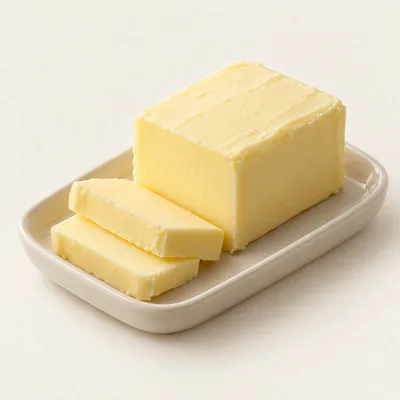 DAIRY FATButter
Especially prominent in northern and western baking and sauces
Baguettes, country loaves, pastry and regional breads
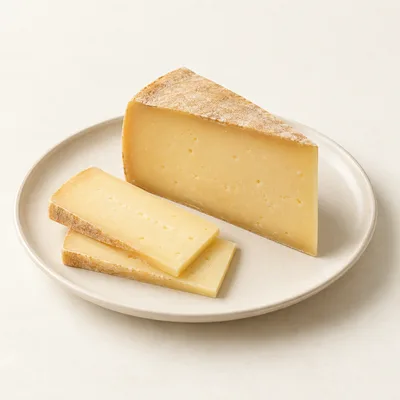 DAIRY CRAFTCheese
Milk, mould, ageing and landscape create hundreds of identities
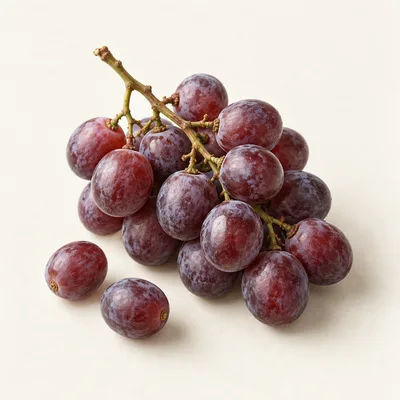 VINEYARDGrape
Wine, spirits, vinegar, raisins and cooking traditions
A baguette is daily craft infrastructure. UNESCO links its crisp crust, open crumb, simple ingredients and repeated production to bakeries and everyday social life. Buying it from a working boulangerie gives more context than treating it as a generic side. [10]
Protected names encode method and origin. An AOP cheese, butter, olive oil or wine specifies geography and production rules. The label can help explain why apparently similar products taste and behave differently. [8]
Match the venue to the information you want.
Markets and specialist shops explain ingredients. Boulangeries, fromageries, charcuteries, fishmongers and weekly markets show season, origin and craft directly; a bistro or regional restaurant shows how those products become a meal. [8][10]
Menu formulas make restaurant structure legible. A fixed-price entrée–plat–dessert menu can reveal the kitchen’s seasonal priorities, while cafés, crêperies, brasseries and bouchons carry their own narrower conventions. The venue type is useful evidence. [8][9]
Food-culture sources checked .
Bread, pastry and crêpes
Boulangeries offer baguettes, ficelle, flûte, tradition and pain de campagne, while breakfasts commonly include bread, croissants or pains au chocolat. Possible versions of crêpe bretonne, galette complète, kouign-amann and quiche use wheat flour, with possible milk, butter and egg. Ask whether a galette is entirely buckwheat or includes wheat, and whether fillings, toppings or the cooking plate are shared.
Regional stews, sauces and gratins
French dishes vary substantially by region: cassoulet is associated with the south-west, choucroute with Alsace, fondue and raclette with the Alps, and bouillabaisse with Marseille and the Riviera. Butter, cream, cheese, wheat flour and wine recur in some versions of sauces or braises, including boeuf bourguignon, blanquette de veau and gratin dauphinois. Confirm the stock, thickener, wine, garnish and finishing fat.
Fish, shellfish and composed plates
Moules marinières may be steamed with white wine and butter, while versions recorded for Brittany, Normandy and the south vary in cream, shallots, garlic, tomatoes or peppers. Salade Niçoise may include tuna or anchovies and hard-boiled egg; pan bagnat may contain tuna, anchovy, egg and wheat bread. Ask about the complete dressing, bread, frying oil, shellfish additions and contact with other seafood.
Ingredients worth recognising
Start with these ingredients, then follow their names and recorded food connections. Check the recipe and product actually used.
Wheat flour
Wheat flour is recorded in baguettes, crêpes, galettes with possible wheat blends, pastry, batters and sauces. Check the complete recipe for dough, breadcrumbs, béchamel, coating and garnish, and ask whether shared flour or utensils are involved.
Fish stock
Fish stock may appear in fish soups, stews or sauces, and is prepared from fish or fish bones. Ask exactly what stock is used, whether it is concentrated or blended, and whether shellfish or other ingredients enter the same pot.
Butter
Butter is recorded in beurre blanc, omelettes, pastries, fish dishes, gratins and garlic-herb preparations such as escargots de Bourgogne. Ask whether butter is in the cooking fat, sauce, pastry, topping or finishing step rather than only in the dish’s headline description.
Dijon Mustard
Dijon mustard is intrinsic to recorded dishes such as poulet Gaston Gérard and mustard tarts, and may appear in dressings. Some formulations use wine or other sulfite-containing ingredients. Ask for the exact mustard, sauce and vinaigrette ingredients.
Almond
Almond is central to calissons d’Aix and occurs in some bredele, stollen, Paris-Brest and trout preparations. Ask whether almond is in the filling, garnish, flour, praline or coating, and whether another topping or decoration is added.
Mussel
Mussels are the defining ingredient of moules dishes, with recorded versions using wine, butter, cream or regional additions. Ask whether the pot contains only mussels or other seafood, what liquid and sauce are used, and whether bread or frites share preparation equipment.
How food labelling works
EU food-information rules cover 14 allergen categories used as ingredients. On prepacked food, these must stand out in the ingredients list. The categories include gluten-containing cereals, crustaceans, eggs, fish, peanuts, soybeans, milk, specified nuts, celery, mustard, sesame, sulphites above the stated threshold, lupin and molluscs.
Allergen information is also required for food sold without prepacking, including restaurant meals. Ask how to obtain the information for the exact order. National arrangements affect how it is supplied; an ingredient declaration does not by itself describe shared equipment or handling.
If you avoid a food outside those categories, read the complete ingredients and name that food when speaking to staff. A short allergen key cannot answer every ingredient-specific question.
Language and communication
French is France’s sole official language and should be prioritised when explaining a food restriction. Prepare a written French explanation naming the exact food avoided, then ask staff to confirm the complete recipe, sauce, stock, toppings and preparation surface. Dish names are recognition aids, not a complete request.
English may be available for travellers, but do not assume that a particular server can discuss ingredients in it. Regional food terms such as Breton, Alsatian, Provençal or Lyonnais can signal a style, yet they do not settle the recipe; ask for staff confirmation in French.
Eating in different settings
Boulangerie or pâtisserie
For baguettes, croissants, pains au chocolat, éclairs or madeleines, ask whether the item contains wheat, milk, butter, egg, nuts or sesame. Check fillings, glaze and toppings, and whether tongs, trays or display surfaces are shared.
Crêperie or galette counter
Ask whether the galette batter is only buckwheat or includes wheat flour, and whether butter is used on the plate. For crêpes, confirm milk, egg, fillings and sauces, then ask whether the same surface or utensils serve other batters.
Brasserie, bistro or regional restaurant
Before ordering boeuf bourguignon, blanquette, gratin, moules or salade Niçoise, ask about stock, wine, flour, cream, butter, mustard, anchovy, egg and bread. Confirm garnish, dressing and shared pans, oil or serving utensils.
Market, supermarket or accommodation
For packaged bread, chocolate, mustard, cider, wine, pastry or prepared salads, read the full ingredients list and highlighted allergen information. Ask staff about an unfamiliar ingredient, and do not treat a short allergen key as a handling statement.
Before you travel
Review your personal plan
Discuss your travel plans with your clinician and keep your prescribed medicines and emergency instructions accessible. Tell companions where these are and how to follow your plan.
Check your medicines before entering France
The legal status and regulation of medicines prescribed or bought in the UK can differ in France. Read TravelHealthPro guidance before travelling and ask the relevant French authority or your prescriber what medicine import and documentation requirements apply.
Make the first meals easier to organise
Contact your accommodation and transport providers in advance. Save your written food list, menu questions and destination address offline. Check entry restrictions before packing backup food, and plan how you will check meals during arrival and onward journeys.
Plan access to medical help
For medically necessary state healthcare in France, travellers who are eligible for one need a GHIC or valid EHIC, with treatment on the same basis as for French citizens; charges may still apply. These cards do not replace travel insurance. Check your eligibility through NHS guidance and ask your insurer what non-urgent or private-care costs are covered.
Emergency resources
For a suspected severe allergic reaction, follow your prescribed emergency plan and seek urgent medical help. Give your exact location clearly.
Ambulance and urgent medical help
Call 112 and ask for an ambulance.
Explore next
Your allergy in France
Choose a food concern for the country notes and questions relevant to it.
Dishes in France
Follow the ingredients and cuisine connections in individual dish records.
Your own food list
Combine allergy groups and individual ingredients in one guide, with local names where recorded.
Allergy cards
Prepare the information you need to explain your food requirements.
FAQs, sources and review dates
Could a salad be free from fish if it is called Salade Niçoise?
Not necessarily. The recorded example commonly includes tuna or anchovies and hard-boiled egg. Ask whether either fish is present, what the dressing contains, whether croutons or cheese are added, and whether the salad is assembled with shared utensils.
What should I ask about wine in a cooked dish?
Possible versions of boeuf bourguignon, daube, moules and some sauces use red or white wine, and wine may contain sulfites. Ask whether wine is in the recipe, sauce or stock and whether the exact product can be checked; do not infer from the dish name.
Is a food outside the common allergen categories covered by a short allergen key?
No. The checked notes specifically advise reading the complete ingredients and naming that food when speaking to staff. Ask about the exact ingredient, including less obvious forms in sauces, fillings, seasonings, stock or packaged components.
Sources checked: . This researched draft is awaiting editorial review. Practical questions apply the sources below to local food settings; they do not confirm any individual meal's ingredients or preparation.
Sources & references (11)
- FCDO · France health and medical assistance
Emergency contact details, local healthcare and medicine guidance. UK-specific eligibility does not apply to every visitor.
- Wikivoyage contributors · France
Community-edited culinary context only; not an allergy or medical authority. Brief food-context adaptations, CC BY-SA 4.0: https://creativecommons.org/licenses/by-sa/4.0/. Recipe questions also use PlateSafe’s draft records.
- FARE · Dining out
General recipe and preparation questions, applied here to country-specific food examples.
- FARE · Travelling with food allergies
General preparation, written communication and access to prescribed medicines. Not country-specific import permission.
- PlateSafe · France recorded food connections
Existing draft dish and ingredient records, used as examples to investigate. These are not independently verified recipes or suitability assessments.
- Unicode CLDR · Territory language data
Language suggestions. Regional language needs must be confirmed with the particular food provider.
- European Commission · Allergen information
Scoped allergen-labelling summary. Does not establish an individual meal’s ingredients or preparation.
- France.fr — A journey to the heart of French gastronomy
- UNESCO Intangible Heritage — Gastronomic meal of the French
- UNESCO Intangible Heritage — Artisanal know-how and culture of baguette bread
- France.fr — Official tourism portal