
BEFORE YOUR FIRST MEAL
Navigating food allergies in Gambia
Gambian food commonly brings rice, stews, fish, meat, vegetables, onions and spices together, while peanuts appear prominently in several recorded dishes. A dish name may not reveal its protein, thickener, binder or accompaniment: Yassa has recognised fish and chicken variations, and Domoda centres on peanut sauce. Confirm the complete preparation, especially when eating shared or filled foods.
What to know first
Rice dishes vary
Benachin may be prepared with fish as a common protein variation, while versions also include meat, fish or vegetables with rice, tomato, onions and spices. Ask which version is served.
Sauces and marinades matter
Domoda has a peanut-based thick stew sauce. Chicken Yassa is described with onion, black pepper and lime or lemon, while recorded fish-yassa versions may include mustard in the marinade.
Explain the whole concern
Ask in English, Mandinka or Wolof for every ingredient in the dish, sauce, stock, filling and topping. Ask whether the requested version is cooked separately from other foods.
Check preparation as well as ingredients
For fried or filled foods such as Fataya and Gambian fish balls, ask about the dough or coating, binding ingredients, shared oil and utensils, and whether the filling changes by batch.
Read the complete label
Read the complete ingredients and allergen information on the actual product. If you avoid a food that is not highlighted, ask the producer or food provider to check it specifically.
Understanding the food
Rice is the common base for domoda, benachin and fish dishes; millet, sorghum, cassava, okra, leafy greens and groundnuts broaden the inland pantry; coastal and river communities add fresh, smoked and dried fish. Mandinka, Wolof, Fula, Jola and other communities bring overlapping but distinct food knowledge.
The river links different farming and fishing zones.
| Region or setting | Food landscape | Examples to explore |
|---|---|---|
| Atlantic coast & Greater Banjul | Marine fish, urban markets and tourism | Grilled fish, yassa, benachin and street snacks |
| Lower river | Rice-growing wetlands, gardens and fishing | Rice dishes, oysters, smoked fish and vegetable sauces |
| Central & upper river | Groundnuts, millet, sorghum, livestock and river fish | Domoda, porridges, dried fish and leafy sauces |
| Village compounds | Shared cooking, seasonal harvest and community technique | One-pot rice, stews, couscous and fermented drinks |
The tourism board foregrounds rice dishes and sauces. Benachin cooks rice and its ingredients in one pot, while domoda pairs rice with a groundnut-based stew. Fish yassa adds a sharp onion and citrus profile. [7]
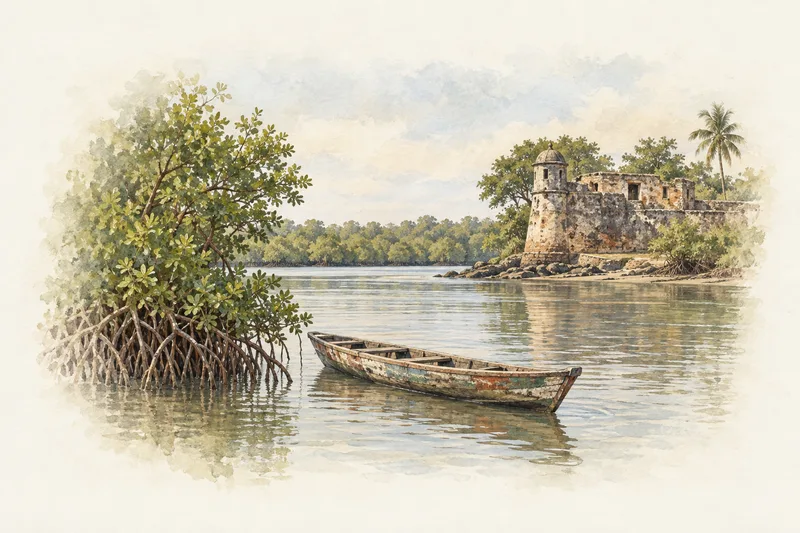
The river is both food source and historical route. Fishing, rice cultivation, oyster gathering and transport follow the Gambia River, whose cultural sites also carry the history of the Atlantic slave trade and colonial commerce. [10][9]
Rice absorbs the sauce; groundnut supplies depth.
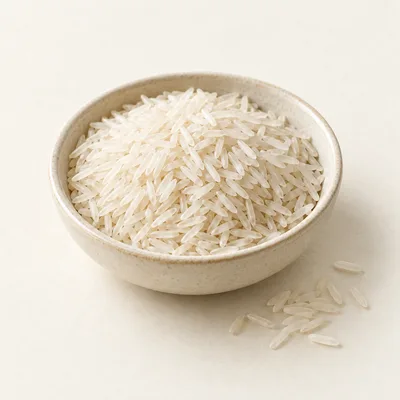 GRAINRice
One-pot dishes and the base for stews
Roasted and pounded into domoda and snacks
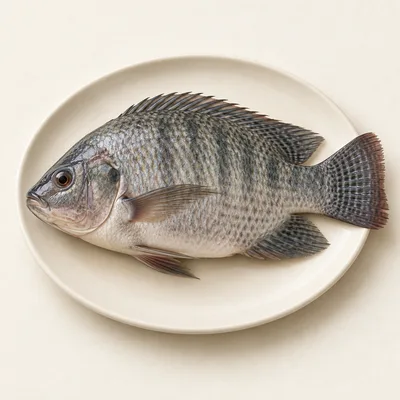 RIVER & OCEANFish
Fresh, smoked, dried or grilled
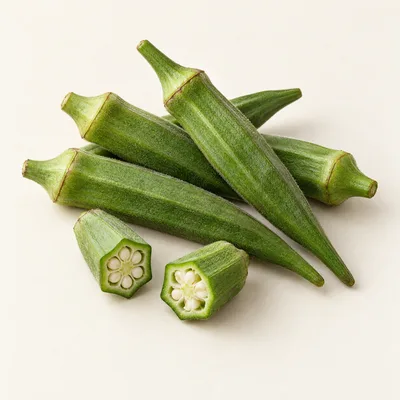 SAUCE VEGETABLEOkra
Texture and body in soups and stews
Benachin changes with the pot. Tomato, vegetables, fish or meat and rice cook together, with browning and stock creating the final flavour. Jollof is a regional family of dishes rather than a single standard recipe. [7]
Groundnuts are crop, sauce and livelihood. They remain a major agricultural product and enter thick savoury stews as well as snacks and oil. Their role is structural, not an optional garnish. [9]
Chop shops, markets and home-style restaurants show the daily cuisine.
A changing lunch pot is often the most useful menu. Small kitchens may prepare one rice dish and one or two sauces for the day. Asking what is ready provides clearer information than expecting every national favourite. [7][8]
Tourist-coast menus need a local reading. Hotels and beach restaurants may mix Gambian, Senegalese and international food. Look for named rice dishes, fresh catch and local vegetables rather than assuming grilled fish alone explains the cuisine. [8]
Food-culture sources checked .
Rice, stew and changing proteins
Benachin or Jollof rice may include onions, spices, tomatoes or tomato paste, combined with meat, fish or vegetables. Fish is a common Benachin variation. Ask whether the rice was cooked with a stock, protein or sauce, and whether toppings were added afterwards.
Peanut-thickened dishes
Domoda is recorded as a meat stew with rice and a peanut butter sauce. Peanut butter is also a common addition to Mbahal, while ground peanut butter is characteristic of Plasas. Confirm whether the sauce contains peanut, whether it is mixed through the pot, and what is served alongside it.
Fish in different forms
Fish is defining or core in Caldo, Ebbeh, Kankalang and Gambian fish balls, and is a common choice in pepper soup, Superkanja and some Plasas or Nyambeh Nyebbeh preparations. Ask for the species where relevant, and check stocks, coatings, binders and shared serving utensils.
Filled, creamy and marinated foods
Fataya may have a fish filling and wheat-flour pastry dough. Gambian fish balls may use egg and wheat flour as binder or coating. Chakery is recorded with wheat-semolina couscous, yoghurt and commonly cow milk; Sombi has cow milk as a core ingredient. Yassa variations may use fish and mustard.
Ingredients worth recognising
Start with these ingredients, then follow their names and recorded food connections. Check the recipe and product actually used.
Fish
Fish may be the defining or core ingredient in dishes such as Caldo, Ebbeh, Kankalang and fish balls, or a variation in Benachin and Yassa. Ask which fish is used, whether stock contains fish, and whether serving tools are shared.
Peanut Butter
Peanut butter forms the defining thick sauce in Domoda and is recorded as a common addition to Mbahal; Plasas may use ground peanut butter. Ask whether it is blended into the whole pot or added separately.
Wheat flour
Wheat flour forms Fataya pastry dough and is commonly used as a binder or coating for Gambian fish balls. Ask whether flour is present in fillings or coatings, and whether frying equipment is shared with other foods.
Egg
Egg is commonly used to bind the fish mixture for Gambian fish balls. Ask whether the batch uses egg, whether the coating has additional ingredients, and whether the same utensils or preparation surface are used for other orders.
Cow Milk
Cow milk is a common accompaniment or variation with Chere, a dairy ingredient in Chakery, and a core ingredient in Sombi. Ask whether milk is cooked into the dish, served alongside it, or replaced with another ingredient.
Dijon Mustard
Mustard is commonly included in the marinade of recorded Yassa variations, and Dijon mustard is a mustard-based condiment. Ask whether the marinade uses mustard, which mustard product was used, and whether a sauce is added after cooking.
How food labelling works
A current, country-specific allergen-labelling summary for Gambia has not yet been verified for this guide. Do not transfer the list of regulated allergens or restaurant disclosure rules from your home country to this one.
Read the complete ingredients on the actual package and keep any local-language sticker with the original label. For imported products, compare the information on that pack rather than a photograph of the brand sold elsewhere. Ask the manufacturer or seller to clarify an unfamiliar term.
For loose food or meals prepared to order, ask who can check the recipe and the labels on bought-in ingredients. Explain every food you avoid, including ingredients outside familiar allergy groups; a short symbol chart may not cover your list.
Language and communication
English is the official language and is widely used at tourist venues. Prepare a written explanation in English that lists the exact foods to avoid and asks for complete recipe details, including sauces, fillings, stock and shared equipment.
Mandinka, Wolof, Fula and Sarrancule are also named languages of The Gambia; Wolof is described as commonly spoken in major cities. Where regional communication is important, carry the same written explanation in a language the person helping you confirms they understand. Dish and ingredient names are recognition aids, not a complete request.
Eating in different settings
Market or food counter
When choosing rice, stew or a fish dish, ask whether the serving comes from a mixed pot and what was added to the rice or sauce. Ask about peanut butter, fish stock, toppings and the utensils used to serve different dishes.
Bakery or fried-food stall
For Fataya, ask whether the pastry is made with wheat flour and whether fish is in the filling. For fish balls, ask about egg and wheat-flour coating, the frying oil, and whether the same oil or tools are used for other foods.
Restaurant meal
Before ordering Domoda, Yassa or Benachin, ask for the full recipe rather than relying on the dish name. Confirm the protein, marinade, sauce, stock, mustard or peanut butter, and whether the kitchen can prepare the requested version separately.
Accommodation or packaged-food shop
For Chakery, Sombi or packaged ingredients, ask what milk, yoghurt or couscous is included. Read the complete ingredient list on packaged food and ask staff to identify sauces, seasonings and added ingredients rather than accepting a broad description.
Before you travel
Review your personal plan
Discuss your travel plans with your clinician and keep your prescribed medicines and emergency instructions accessible. Tell companions where these are and how to follow your plan.
Check your medicines before entering Gambia
The legal status of medicines prescribed or bought in the UK can differ in The Gambia. Keep prescription medicines in original packaging with a prescription copy, and check a specific medicine, especially codeine- or diazepam-containing products, with the Gambian High Commission in the UK before travel.
Make the first meals easier to organise
Contact your accommodation and transport providers in advance. Save your written food list, menu questions and destination address offline. Check entry restrictions before packing backup food, and plan how you will check meals during arrival and onward journeys.
Plan access to medical help
Medical facilities are described as very limited, with potentially high medical-evacuation costs; private clinics treat fee-paying patients. Check the FCDO provider information and your insurer before travel, including access arrangements and whether specialist medicines are available or should be brought with you.
Emergency resources
For a suspected severe allergic reaction, follow your prescribed emergency plan and seek urgent medical help. Give your exact location clearly.
Ambulance and urgent medical help
Confirm emergency contact details in person at a local station before they are needed. Save the contacts and transport arrangements appropriate to the particular area where you are staying.
Explore next
Your allergy in Gambia
Choose a food concern for the country notes and questions relevant to it.
Dishes in Gambia
Follow the ingredients and cuisine connections in individual dish records.
Your own food list
Combine allergy groups and individual ingredients in one guide, with local names where recorded.
Allergy cards
Prepare the information you need to explain your food requirements.
FAQs, sources and review dates
Can I assume Yassa contains chicken?
No. Chicken Yassa may be prepared with chicken, onion, black pepper and lime or lemon; fish-yassa variations are also possible, and mustard is commonly included in the marinade. Ask which protein is used and whether the marinade and sauce are the same for every batch.
What should I ask about couscous in Chakery?
Traditional couscous is generally made from wheat semolina, and Chakery is recorded with yoghurt and commonly added cow milk. Ask what couscous and dairy ingredients are present, whether milk or yoghurt is mixed through, and whether any topping or accompanying sauce has its own ingredients.
Should I treat vegetable oil as one specific ingredient?
No. The recorded ingredient entry says generic vegetable oil may be soybean oil, but its source is unspecified. If the oil matters to you, ask which oil was actually used, whether it is shared, and whether the food was fried in the same oil as other items.
Sources checked: . This researched draft is awaiting editorial review. Practical questions apply the sources below to local food settings; they do not confirm any individual meal's ingredients or preparation.
Sources & references (10)
- FCDO · Gambia health and medical assistance
Emergency contact details, local healthcare and medicine guidance. UK-specific eligibility does not apply to every visitor.
- Wikivoyage contributors · Gambia
Community-edited culinary context only; not an allergy or medical authority. Brief food-context adaptations, CC BY-SA 4.0: https://creativecommons.org/licenses/by-sa/4.0/. Recipe questions also use PlateSafe’s draft records.
- FARE · Dining out
General recipe and preparation questions, applied here to country-specific food examples.
- FARE · Travelling with food allergies
General preparation, written communication and access to prescribed medicines. Not country-specific import permission.
- PlateSafe · Gambia recorded food connections
Existing draft dish and ingredient records, used as examples to investigate. These are not independently verified recipes or suitability assessments.
- Unicode CLDR · Territory language data
Language suggestions. Regional language needs must be confirmed with the particular food provider.
- The Gambia Tourism Board — Cuisine
- The Gambia Tourism Board — Official portal
- FAO — The Gambia country profile
- UNESCO World Heritage Centre — Kunta Kinteh Island and Related Sites