
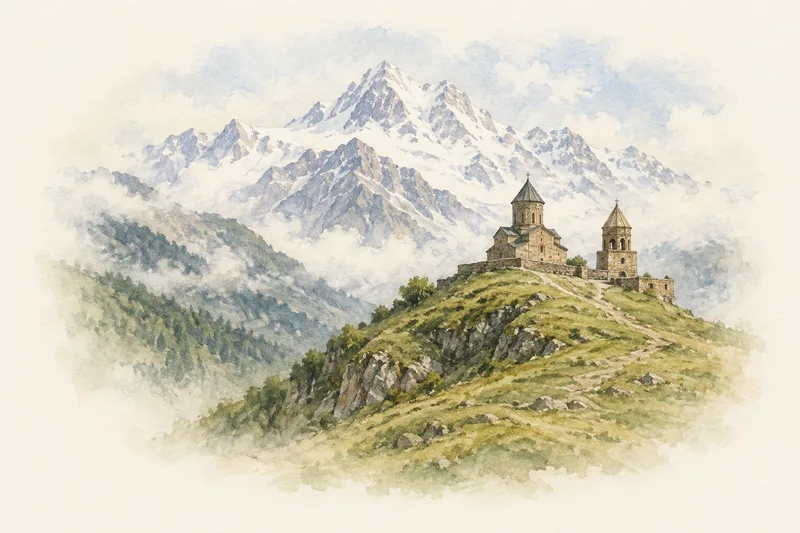
BEFORE YOUR FIRST MEAL
Navigating food allergies in Georgia
Georgian food often centres on breads, dumplings, beans, meat, vegetables, cheese, walnuts and fresh herbs. The same named dish can vary by filling, region or household, while a feast may place many dishes together. For allergy or coeliac planning, ask about the complete recipe, cooking liquid, toppings and utensils rather than relying on a dish name alone.
What to know first
Dumplings and bread
Khinkali uses a wheat-flour wrapper, while khachapuri is bread with cheese; fillings and regional versions can add meat, vegetables or egg.
Walnut-rich recipes
Walnut can feature in dishes such as badrijani nigvzis, pkhali, satsivi, kharcho, kuchmachi, churchkhela and some lobio variations.
Explain the whole request
Ask in Georgian first where possible, then show a written explanation covering ingredients, stock, sauces, toppings, shared oil, water and utensils.
Preparation matters
Ask whether a dish is assembled or cooked with your concern, whether the same surface or water is used, and whether toppings are added afterwards.
Read complete lists
For packaged food, read the complete ingredient list and preparation directions. Do not assume a traditional name or a vegetarian description answers an allergy or gluten question.
Understanding the food
Khachapuri and khinkali are entry points, not a complete map. Kakhetian wine and meat, western walnut and maize dishes, Adjara’s Black Sea food, Svan mountain preservation, Samegrelo’s heat and herb-rich Imeretian cooking create sharply regional repertoires.
Mountain, valley and Black Sea regions cook differently.
| Region | Food landscape | Examples to explore |
|---|---|---|
| Kakheti & east | Wine valleys, wheat, livestock and clay-oven bread | Mtsvadi, shotis puri, churchkhela and qvevri wine |
| Imereti & Samegrelo | Maize, walnuts, cheese, herbs and assertive sauces | Elarji, gebzhalia, satsivi and regional khachapuri |
| Adjara & Black Sea | Dairy, seafood, greens and Ottoman-era links | Adjarian khachapuri, borano, fish and sinori |
| Svaneti & mountain regions | Harsh winters, preserved meat, potatoes and spice salt | Kubdari, tashmijabi and Svan salt |
Georgia’s official tourism platform organises food by region and wine culture. The same names can change filling, shape and seasoning across provinces, while many dishes remain strongly attached to a particular landscape. [7][8]
Qvevri wine is agricultural and social knowledge. UNESCO records grapes fermenting and ageing in large buried earthenware vessels, with skills transmitted through families and communities and wine used in daily and ceremonial life. [9]
Walnut, sour fruit and herbs build sauces with unusual depth.
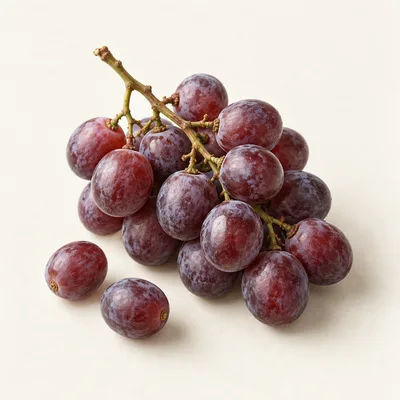 VINEYARDGrape
Wine, vinegar, grape must and churchkhela
Pounded into satsivi, vegetable fillings and relishes
Tone-baked bread, khachapuri and dumpling dough
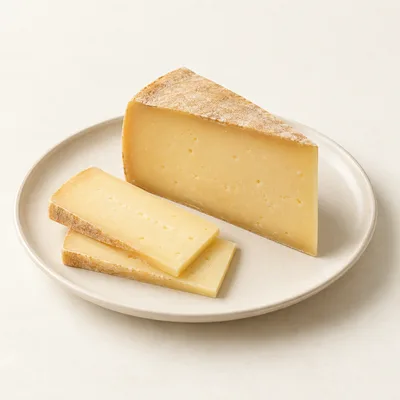 DAIRYCheese
Regional fresh, brined and aged cheeses for breads and plates
Khachapuri is a regional family, not one boat-shaped bread. Imeretian, Mingrelian, Adjarian and other versions differ in shape, cheese, topping and richness. Naming the region is more informative than calling one form definitive. [7]
Walnut sauces make vegetables and poultry part of one flavour language. Ground walnuts combine with garlic, herbs, spices and acidity in satsivi, pkhali and other preparations. The nut is often integral even when finely processed. [7]
The supra turns eating into an ordered social event.
Toasts, pacing and the tamada structure the feast. A supra is not merely a large table: a toastmaster leads a sequence of toasts while dishes arrive for sharing. Hospitality and rhetoric are part of the experience. [7][9]
Regional restaurants are worth seeking beyond Tbilisi. A focused Megrelian, Adjarian, Kakhetian or Svan menu can clarify sauces, breads and spice profiles that a national restaurant may compress into a highlights list. [8]
Food-culture sources checked .
Khachapuri variations
Khachapuri may be prepared as Imeruli or Megruli, both wheat-dough breads with cheese; Megruli has additional cheese on top. Adjaruli adds a whole egg to hot cheese, while Guruli includes egg and Penovani uses puff pastry. Ask which dough, cheese, butter and finishing ingredients are used in this version.
Dumplings and filled breads
Khinkali has a wheat-flour wrapper and may be filled with spiced minced meat, mushrooms, cheese or vegetables. Lobiani is bean-filled bread, with a recorded Rachuli version including bacon. Ask about the exact filling, dough, broth or juice, and whether dumplings share cooking water with other foods.
Sauces, stews and vegetables
Meat may be served as a stew, sauce or barbecue, with mtsvadi recorded as a popular barbecued example. Walnut is characteristic in many kharcho recipes and central to satsivi; pkhali also uses walnut. Ask whether a sauce, garnish or seasoning paste is mixed through or added separately.
Feasts, bread and sweets
A supra is a banquet with abundant dishes and wine, so ask about every shared serving and accompaniment rather than one main plate. Shoti and larger lavashi are wheat-flour breads. Churchkhela combines grape must, walnuts and flour; its coating and toppings should be checked separately.
Ingredients worth recognising
Start with these ingredients, then follow their names and recorded food connections. Check the recipe and product actually used.
Egg
Egg is intrinsic to the recorded ingredient example and is specified in Adjaruli and Guruli khachapuri, chirbuli and some breads. Ask whether it is mixed into the filling, brushed on the dough, or added as a topping.
Walnut
Walnut is the principal or customary nut in badrijani nigvzis, pkhali, satsivi, gozinaki and churchkhela, and appears in some kharcho and lobio versions. Ask about sauces, fillings, crumbs and finishing garnishes.
Wheat flour
Wheat flour forms the dough of khinkali, khachapuri, lobiani and shoti, and thickens common churchkhela and pelamushi versions. Ask about every dough, thickener and shared work surface; gluten and wheat are separate considerations.
Butter
Butter is recorded in Adjaruli and Imeruli khachapuri, kada, nazuki and sinori. Ask whether it is in the dough, filling, sauce or finishing step, and whether another fat is used on the same pan.
Yogurt
Yogurt is commonly served with tolma as an accompaniment, so it may be separate from the main cooking. Ask whether it is optional, mixed into a sauce, or placed on the same serving plate.
How food labelling works
A current, country-specific allergen-labelling summary for Georgia has not yet been verified for this guide. Do not transfer the list of regulated allergens or restaurant disclosure rules from your home country to this one.
Read the complete ingredients on the actual package and keep any local-language sticker with the original label. For imported products, compare the information on that pack rather than a photograph of the brand sold elsewhere. Ask the manufacturer or seller to clarify an unfamiliar term.
For loose food or meals prepared to order, ask who can check the recipe and the labels on bought-in ingredients. Explain every food you avoid, including ingredients outside familiar allergy groups; a short symbol chart may not cover your list.
Language and communication
Georgian is the national language and should be prioritised for a written food explanation. Names such as khinkali and khachapuri help with recognition, but they are not complete allergy requests. Show the full wording to the person taking the order and ask for confirmation of the recipe.
Russian remains useful with some older generations and in areas with ethnic Azeri or Armenian populations, particularly Kvemo Kartli and Samtskhe-Javakheti. Regional language patterns therefore matter. Use Georgian where possible, Russian where appropriate, and request staff confirmation rather than assuming a shared language.
Eating in different settings
Local café or cantine
For khachapuri, khinkali, pkhali or kuchmachi, ask which flour, cheese, egg, meat and walnut ingredients are used today. Check whether khinkali share water with other dumplings and whether butter, sauce or garnish is added after cooking.
Bakery or bread counter
At a bakery, ask whether shoti, lavashi, nazuki, kada or khachapuri contain wheat flour, milk, butter or egg. Ask about fillings and glazes, and whether the same trays, tongs or preparation surfaces are used for different breads.
Restaurant or supra
Before a shared meal, explain every relevant ingredient concern and ask which dishes contain walnuts, dairy, wheat or egg. Check shared serving spoons, sauces, bread baskets, toppings and whether a dish is cooked in common oil or stock.
Market or packaged-food shop
For churchkhela, gozinaki, raisins, sauces or prepared dairy, read the complete ingredient list. Ask about wheat flour, walnuts, milk-derived ingredients and any added wine or vinegar, rather than judging from appearance or the product name.
Before you travel
Review your personal plan
Discuss your travel plans with your clinician and keep your prescribed medicines and emergency instructions accessible. Tell companions where these are and how to follow your plan.
Check your medicines before entering Georgia
Medicine rules can differ between the UK and Georgia. Before travel, check TravelHealthPro guidance and Georgia’s entry requirements; for a specific medicine’s legal status, contact the Georgian Embassy in the UK. Keep the relevant import and prescription documentation requirements available for checking before departure.
Make the first meals easier to organise
Contact your accommodation and transport providers in advance. Save your written food list, menu questions and destination address offline. Check entry restrictions before packing backup food, and plan how you will check meals during arrival and onward journeys.
Plan access to medical help
The UK has no reciprocal healthcare agreement with Georgia, so treatment is payable as provided by you or your travel insurer. Facilities are available in Tbilisi but may be expensive, while those outside Tbilisi are limited. Check current insurer arrangements and suitable providers before travelling.
Emergency resources
For a suspected severe allergic reaction, follow your prescribed emergency plan and seek urgent medical help. Give your exact location clearly.
Ambulance and urgent medical help
Dial 112 and ask for an ambulance.
Explore next
Your allergy in Georgia
Choose a food concern for the country notes and questions relevant to it.
Dishes in Georgia
Follow the ingredients and cuisine connections in individual dish records.
Your own food list
Combine allergy groups and individual ingredients in one guide, with local names where recorded.
Allergy cards
Prepare the information you need to explain your food requirements.
FAQs, sources and review dates
Could khachapuri be suitable if the topping is removed?
Do not infer that from the appearance. Adjaruli, Guruli and Imeruli examples involve wheat dough, and cheese or butter are central in several versions; Adjaruli also has egg. Ask about the complete dough, filling, cooking surface and finishing ingredients.
What should I ask about churchkhela?
The recorded example uses grape must, walnuts and wheat flour in the coating. Ask whether the visible nut filling is walnut, whether flour is used to thicken the coating, and whether the product has additional ingredients not shown on its complete label.
Is yogurt only a problem when it is cooked?
Cooking status does not answer whether it is suitable. Yogurt is commonly served with tolma as an accompaniment, so ask whether it is on the dish, mixed into a sauce, or kept separate, and identify the milk source from the recipe or label.
Sources checked: . This researched draft is awaiting editorial review. Practical questions apply the sources below to local food settings; they do not confirm any individual meal's ingredients or preparation.
Sources & references (10)
- FCDO · Georgia health and medical assistance
Emergency contact details, local healthcare and medicine guidance. UK-specific eligibility does not apply to every visitor.
- Wikivoyage contributors · Georgia
Community-edited culinary context only; not an allergy or medical authority. Brief food-context adaptations, CC BY-SA 4.0: https://creativecommons.org/licenses/by-sa/4.0/. Recipe questions also use PlateSafe’s draft records.
- FARE · Dining out
General recipe and preparation questions, applied here to country-specific food examples.
- FARE · Travelling with food allergies
General preparation, written communication and access to prescribed medicines. Not country-specific import permission.
- PlateSafe · Georgia recorded food connections
Existing draft dish and ingredient records, used as examples to investigate. These are not independently verified recipes or suitability assessments.
- Unicode CLDR · Territory language data
Language suggestions. Regional language needs must be confirmed with the particular food provider.
- Georgia Travel — Food and wine
- Georgia Travel — Official tourism portal
- UNESCO Intangible Heritage — Ancient Georgian traditional qvevri wine-making method
- FAO — Georgia country profile