

BEFORE YOUR FIRST MEAL
Navigating food allergies in Germany
Germany combines hearty traditional plates with bakery food, sausage stalls, coastal fish snacks and Turkish-influenced fast food. Wheat, egg, dairy, mustard, celery, fish and nuts appear across these examples, but recipes vary between regions and businesses. Treat dish names as starting points only: ask about the complete recipe, sauces, stocks, toppings, frying medium and shared equipment before ordering.
What to know first
Traditional plates
Rinderroulade may come with mustard, gravy, red cabbage and potato dumplings; ask whether the gravy contains wheat flour and whether every accompaniment is made separately.
Batter, breading and dough
Schnitzel, Spätzle, bread rolls and potato dishes can use wheat, egg or breadcrumbs. Confirm the exact coating, dough and cooking method rather than relying on the dish name.
Explain the whole order
Describe the ingredient you avoid, then ask about the main dish, sauce, stock, garnish, bread, toppings and frying oil. Request confirmation for the complete plated meal.
Preparation matters
Ask whether oil, water, pans, boards or utensils are shared with breaded schnitzel, sausages, fish or bakery products, and whether toppings are added after cooking.
Read the label
EU rules require the 14 regulated allergen categories to stand out in prepacked ingredients and provide information for unpackaged food; ask how it applies to your exact order.
Understanding the food
North Sea fish, Rhineland sour and sweet contrasts, Swabian noodles, Franconian sausages, Bavarian dumplings, eastern cakes and modern migrant food all belong to Germany. Bread, potatoes, cabbage, pork, apples and dairy recur, but the regional form matters more than the ingredient list.
Coast, river valley and mountain regions support different kitchens.
| Region | Food landscape | Examples to explore |
|---|---|---|
| North & Baltic coast | Marine fish, rye, cabbage and dairy | Herring, fish rolls, Labskaus and smoked fish |
| Rhineland & wine regions | River vineyards, pork, apples and sweet-sour cooking | Sauerbraten, Reibekuchen, Flammkuchen and regional wine |
| Southwest | Egg noodles, orchards, forests and dairy | Spätzle, Maultaschen, Black Forest foods and onion tart |
| Bavaria, Franconia & east | Dumplings, sausages, bread, beer and local baking | Weisswurst, Klöße, Bratwurst and sheet cakes |
Germany Travel presents cuisine as a route through federal regions. Sausage, bread, beer and cake traditions are highly local, while coasts, vineyards, orchards and forests create products not shared evenly across the country. [8][9]
Wine maps add another regional layer. Germany’s thirteen wine-growing regions follow river valleys and particular soils, pairing with food cultures from the Mosel and Rheingau to Baden and Franconia. [10]
Bread and preservation connect daily meals to craft.
Mixed-grain loaves, sourdough and dense regional breads
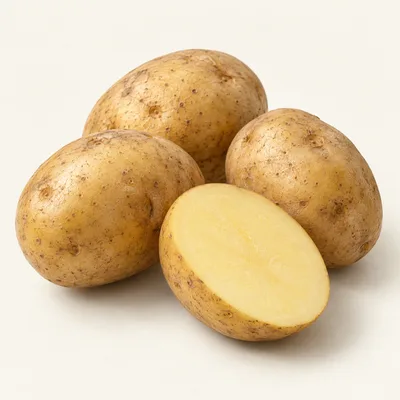 FIELD CROPPotato
Dumplings, pancakes, salads and soups
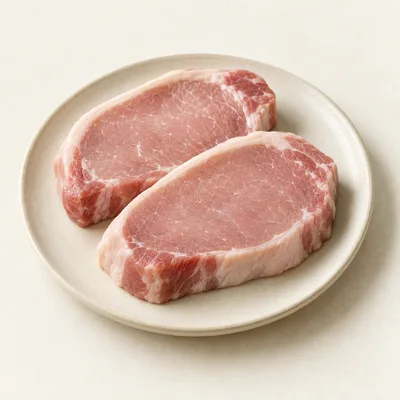 MEAT CRAFTPork
Roasts, cured meats and hundreds of sausage styles
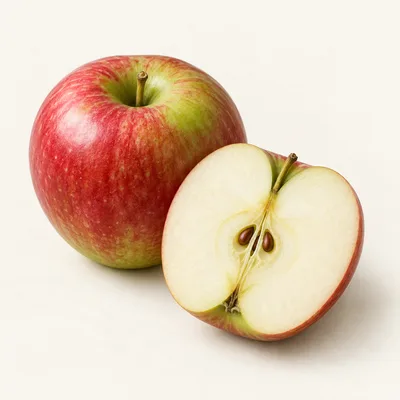 ORCHARDApple
Cakes, sauce, juice, cider and savoury pairings
A bakery is as regionally revealing as a restaurant. Loaf shape, grain blend, sourness, seeds and rolls vary by town and baker. Cake and pastry traditions add another daily ritual, especially around afternoon coffee. [8][11]
Sausage names often encode place and method. Fresh, smoked, cooked and cured sausages differ in grind, seasoning and service. Nürnberger, Thüringer, Weisswurst and currywurst should not be treated as interchangeable examples. [8]
Bakery, market, beer hall and regional inn each answer a different question.
Look for a short menu tied to the landscape. A coastal fish stall, Franconian wine tavern, Swabian inn or Bavarian beer garden will explain its region more clearly than a generic “German restaurant”. [8][10]
Migration is part of contemporary German food. Döner shops, Italian ice-cream cafés, Vietnamese restaurants and many other migrant-run businesses shape everyday city eating. They belong in the modern food story rather than outside it. [9]
Food-culture sources checked .
Hearty plates and sauces
Traditional German meals may consist of meat with potatoes, gravy and vegetables or salad. Rinderroulade combines beef, bacon, pickled cucumber, onion and mustard with red cabbage, dumplings and gravy; Sauerbraten and Schweinebraten may have wheat-thickened gravy. Ask whether the sauce, stock and sides are made from the same base, and whether mustard is in the recipe or added separately.
Wheat-based staples
Wheat appears in many forms: breaded Schnitzel, Spätzle, Maultaschen, Schupfnudeln, pretzels, bread and cakes. Traditional Spätzle uses wheat flour and egg, while Kartoffelpuffer may use wheat flour or another starch. Ask whether a coating, binder or thickener is present, whether the named alternative starch is confirmed, and whether a shared fryer or cooking water is used.
Sausages, stalls and fish
Imbiss counters commonly serve fries, Wurst and currywurst; the sausage may have a wheat-based binder, while spiced ketchup can have mustard or celery-derived flavouring. Coastal Fischbrötchen and Rollmops involve herring, with other examples using plaice. Ask about the sausage formulation, ketchup, bread roll, fish garnish, pickling liquid and contact with other orders.
Regional and modern variation
Food varies between regions and recipes. Bavarian and Franconian beer gardens offer simple meals, southern butcher counters may serve Leberkäs or roast pork in rolls, and Black Forest, Bavarian Forest and Odenwald menus may feature venison with Spätzle. Modern German cooking also draws on other European and Turkish influences, so ask for the full recipe rather than assuming a standard version.
Ingredients worth recognising
Start with these ingredients, then follow their names and recorded food connections. Check the recipe and product actually used.
Bread
Bread can mean wheat, rye, soy, sesame, egg or milk depending on the loaf or roll. For Fischbrötchen, bakery sandwiches or Strammer Max, ask for the exact bread ingredients and toppings. Your
Bratwurst sausage
Bratwurst is not one fixed formulation: some versions use wheat-based binders or breadcrumbs. Ask what is in this sausage, whether it is grilled on a shared surface, and whether the bun or curry ketchup is separate. Your
Celery
Celery may be part of beef broth, vegetable stock, lentil stew, Kartoffelsuppe or Sauerbraten’s aromatic base. Ask specifically about stock, seasoning paste and prepared sauce, including celery-derived flavouring in ketchup. Your
Herring
Herring is central to Rollmops, Fischbrötchen and a common Labskaus accompaniment. Ask whether it is fresh, pickled or soused, what the pickling liquid contains, and whether the roll, garnish and sauce are included. Your
Quark
Quark is a fresh milk-based dairy ingredient in Käsekuchen and Quarkbällchen. Ask whether the filling or dough contains quark, other milk ingredients, cream or butter, and check the complete label for packaged versions. Your
Dijon Mustard
Dijon mustard may be spread inside Rinderroulade, used in sauces or added to potato salad; some formulations use wine or sulphite-containing ingredients. Ask whether it is included, which brand or recipe is used, and whether another condiment replaces it. Your
How food labelling works
EU food-information rules cover 14 allergen categories used as ingredients. On prepacked food, these must stand out in the ingredients list. The categories include gluten-containing cereals, crustaceans, eggs, fish, peanuts, soybeans, milk, specified nuts, celery, mustard, sesame, sulphites above the stated threshold, lupin and molluscs.
Allergen information is also required for food sold without prepacking, including restaurant meals. Ask how to obtain the information for the exact order. National arrangements affect how it is supplied; an ingredient declaration does not by itself describe shared equipment or handling.
If you avoid a food outside those categories, read the complete ingredients and name that food when speaking to staff. A short allergen key cannot answer every ingredient-specific question.
Language and communication
German (Deutsch) is the national language and the most useful language for written allergy explanations. Standard German is widely understood, while regional dialects can be challenging, particularly in southern and rural areas. Write the ingredient concern clearly and ask staff to confirm the entire recipe, not just the dish name.
North Frisian and Danish have regional relevance in Schleswig-Holstein, while Sorbian is used by a small community in eastern Germany. These are not a universal substitute for German: where regional language affects communication, arrange written details in advance and seek confirmation from the person preparing the food.
Eating in different settings
Imbiss or currywurst stall
For Currywurst or Bratwurst, ask what binds the sausage, whether the ketchup contains mustard or celery flavouring, and whether fries share oil with breaded foods. Confirm the roll, toppings and serving utensils separately.
Bakery or butcher counter
For bread, sandwiches, pretzels, pastries or a hot-counter roll, ask for the complete ingredient list and the allergen information for the exact item. Check fillings, butter, cheese, sesame toppings and whether serving tools contact other products.
Gasthaus, Biergarten or restaurant
Before ordering Rinderroulade, Schnitzel, Spätzle or Kartoffelsuppe, ask about gravy, stock, breading, egg, mustard, cream and celery. Confirm sides and garnishes, and ask whether the kitchen uses shared pans, oil or cooking water.
Supermarket or packaged-food shop
Compare the full ingredient list on bread, sausage, chocolate coating, stock, vinegar or quark desserts. Check highlighted regulated allergens and also name any ingredient-specific concern, since a short allergen key cannot answer every question.
Before you travel
Review your personal plan
Discuss your travel plans with your clinician and keep your prescribed medicines and emergency instructions accessible. Tell companions where these are and how to follow your plan.
Check your medicines before entering Germany
The legal status and regulation of medicines prescribed or bought in the UK can differ in Germany. Before travelling, check TravelHealthPro for guidance on travelling with medicines and whether you need to confirm any German requirements. Do not change prescribed medicines without appropriate clinical advice.
Make the first meals easier to organise
Contact your accommodation and transport providers in advance. Save your written food list, menu questions and destination address offline. Check entry restrictions before packing backup food, and plan how you will check meals during arrival and onward journeys.
Plan access to medical help
For medically necessary state healthcare in Germany, UK visitors need a GHIC or EHIC; eligibility, replacement arrangements and what counts as medically necessary are set out by NHS guidance. These cards are not travel insurance and may not cover private care, non-urgent treatment or repatriation. Check insurer and provider arrangements.
Emergency resources
For a suspected severe allergic reaction, follow your prescribed emergency plan and seek urgent medical help. Give your exact location clearly.
Ambulance and urgent medical help
Dial 112 and ask for an ambulance.
Explore next
Your allergy in Germany
Choose a food concern for the country notes and questions relevant to it.
Dishes in Germany
Follow the ingredients and cuisine connections in individual dish records.
Your own food list
Combine allergy groups and individual ingredients in one guide, with local names where recorded.
Allergy cards
Prepare the information you need to explain your food requirements.
FAQs, sources and review dates
Can a dish labelled vegetarian still contain an unexpected ingredient?
Yes. A seemingly vegetarian dish may contain chicken stock or bacon cubes. For Kartoffelsuppe, lentils, potato dishes or vegetable sides, ask about stock, cooking fat, garnishes and any bacon or meat seasoning.
How should I check a chocolate-covered or nut-topped dessert?
Ask about the coating and topping separately. Spaghettieis may have white chocolate shavings or ground almond nuts; Printen, Bienenstich and cakes may also use almond or other nuts. Check the complete recipe and whether the decoration is added after preparation.
What if I avoid malt or a particular vinegar rather than a regulated allergen?
Name that exact ingredient and ask for the complete list. Vinegar varies: some is malt-based and some may contain sulphites. This matters for dressings, sauces and potato salad, so do not rely on a general allergen summary alone.
Sources checked: . This researched draft is awaiting editorial review. Practical questions apply the sources below to local food settings; they do not confirm any individual meal's ingredients or preparation.
Sources & references (11)
- FCDO · Germany health and medical assistance
Emergency contact details, local healthcare and medicine guidance. UK-specific eligibility does not apply to every visitor.
- Wikivoyage contributors · Germany
Community-edited culinary context only; not an allergy or medical authority. Brief food-context adaptations, CC BY-SA 4.0: https://creativecommons.org/licenses/by-sa/4.0/. Recipe questions also use PlateSafe’s draft records.
- FARE · Dining out
General recipe and preparation questions, applied here to country-specific food examples.
- FARE · Travelling with food allergies
General preparation, written communication and access to prescribed medicines. Not country-specific import permission.
- PlateSafe · Germany recorded food connections
Existing draft dish and ingredient records, used as examples to investigate. These are not independently verified recipes or suitability assessments.
- Unicode CLDR · Territory language data
Language suggestions. Regional language needs must be confirmed with the particular food provider.
- European Commission · Allergen information
Scoped allergen-labelling summary. Does not establish an individual meal’s ingredients or preparation.
- Germany Travel — Culinary Germany
- Germany Travel — Official tourism portal
- German Wine Institute — Germany’s wine regions
- German UNESCO Commission — Intangible cultural heritage