
BEFORE YOUR FIRST MEAL
Navigating food allergies in Ghana
Ghanaian meals often combine a starch with soup, stew, fish, meat or vegetables, and the finished plate may include separate toppings or salad accompaniments. Fufu, banku, rice dishes, plantain snacks and groundnut-based foods can vary between cooks. Ask about the complete recipe and serving process rather than relying on a dish name, especially at counters and informal food stalls.
What to know first
Starch and soup vary
Fufu may be made from yam, plantain or cassava and served with different soups or stews. Ask which base and which accompanying soup are being prepared today.
Fish appears widely
Fish is a common addition to many soups and stews, while Fante Fante is fish-based. Confirm whether fish is mixed into the dish, served alongside it or omitted.
Explain the whole meal
Describe the ingredient concern clearly and ask about stock, sauce, toppings, salad cream, mayonnaise, shared utensils and shared cooking oil or water.
Check preparation separately
For fried plantain, bofrot or other cooked foods, ask what oil, batter and utensils are used, and whether the same fryer, pan or serving spoon is shared.
Read complete labels
For packaged foods, read the full ingredient list rather than relying on a product name or dietary wording. Check each flavour, sauce, stock and added topping separately.
Understanding the food
Cassava, yam, plantain, maize, rice, millet, sorghum, groundnuts, palm oil, tomatoes, chillies and fish combine differently among Akan, Ga-Dangme, Ewe, Mole-Dagbani and many other communities. Accra gathers those traditions, but coastal, forest and northern meals keep distinct starches and soups.
Starch and soup combinations shift across ecological zones.
| Region or setting | Food landscape | Examples to explore |
|---|---|---|
| Accra & Ga coast | Marine fish, maize, cassava and urban street food | Kenkey, fried fish, shito, waakye and kelewele |
| Central & western coast | Fishing, coconut, cassava and Fante foodways | Fante kenkey, fish stews, ampesi and palm soups |
| Ashanti & forest belt | Plantain, cocoyam, yam, palm and Akan soups | Fufu, light soup, palm-nut soup and abom |
| Northern savannas | Millet, sorghum, rice, groundnuts and livestock | Tuo zaafi, ayoyo soup, rice dishes and grilled meat |
Ghana’s ecology divides staples before it divides recipes. FAO profiles roots, tubers and plantain in wetter southern zones and cereals and livestock across the north. Trade and cities create overlap without removing those foundations. [8]
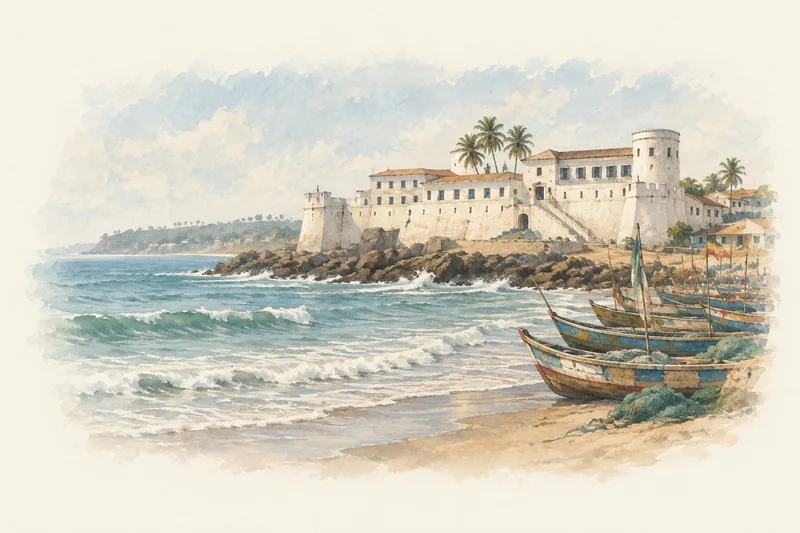
Coastal food sits within a difficult Atlantic history. UNESCO’s forts and castles document gold trade, colonial power and the transatlantic slave trade. Fishing towns and markets occupy living landscapes that cannot be reduced to picturesque seafood stops. [9]
The starch is chosen for a particular soup or sauce.
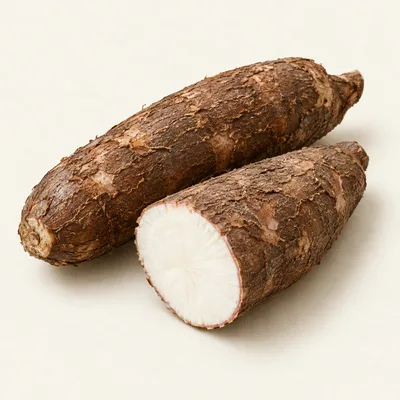 ROOTCassava
Fufu, gari, banku blends and boiled ampesi
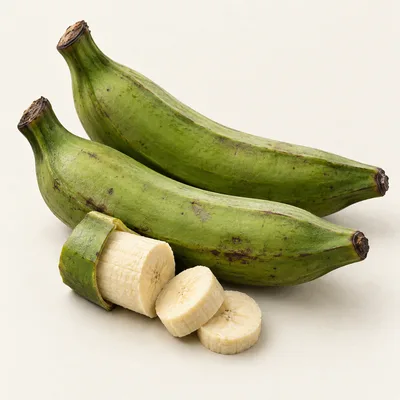 TROPICAL STARCHPlantain
Fufu, ampesi, kelewele and roasted snacks
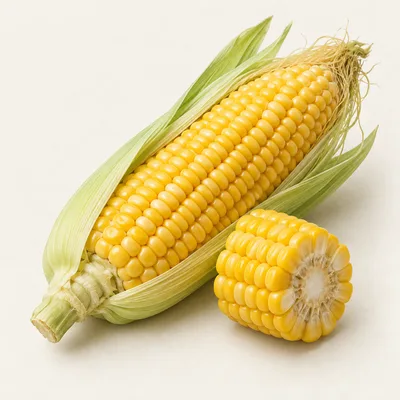 GRAINMaize
Kenkey, banku, porridge and roasted snacks
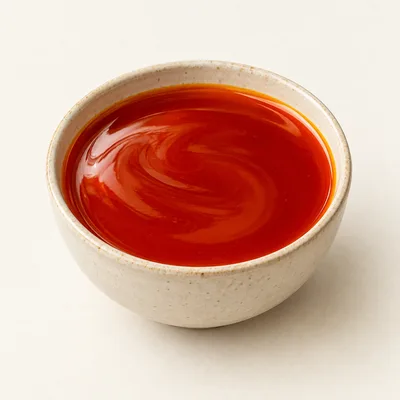 SAUCE FATRed palm oil
Stews, beans and palm-nut soup
Fermented maize and cassava create several distinct staples. Ga kenkey, Fante kenkey and banku differ in dough, wrapping, fermentation and texture. Their sourness and firmness suit particular fish, pepper and soup combinations. [7][8]
Shito is a concentrated table sauce. Chilli, oil, dried fish or shrimp and aromatics cook down into a dark condiment served with rice, kenkey, fried yam and many street foods. Recipes vary widely by household and vendor. [7]
Chop bars and specialist vendors make the meal system visible.
A chop bar usually pairs a chosen starch with a chosen soup. Fufu, banku, omo tuo or ampesi may be ordered with light, groundnut, palm-nut or green soups and selected fish or meat. Watching the pairings is more useful than memorising isolated dishes. [7]
Street-food expertise is highly specialised. Waakye sellers, kenkey stalls, kelewele vendors and grilled-fish spots may each repeat one preparation daily. Short menus often provide clearer provenance and technique. [7][10]
Food-culture sources checked .
Fufu, banku and soups
Fufu is described as pounded balls of yam, plantain or cassava, served with soups and meat or fish stews. Banku is a fermented corn version commonly paired with grilled tilapia or okra soup. Ask which starch was used, whether fermentation or added ingredients matter to your needs, and whether the soup contains fish, groundnuts, palm nut, okra or another vegetable.
Rice, beans and accompaniments
Jollof rice generally combines rice, vegetables, meat pieces and spices in a tomato-based sauce, but the recipe varies by chef. Waakye combines beans and rice and may come with gari. Rice meals can also include shredded lettuce, cucumber, tomatoes, salad cream or mayonnaise. Confirm the rice pot, sauce, protein and every side rather than ordering from the name alone.
Snacks, fruit and regional examples
Plantains, yams and sweet potatoes may be prepared in several ways, while kelewele is a spiced fried plantain snack. Fresh pineapple, mango, papaya, coconut, oranges and bananas are also available. Possible dishes include aprapransa, mpotompoto, gari foto, red red and kontomire stew; ask how that particular cook prepares the dish and what accompanies it.
Ingredients worth recognising
Start with these ingredients, then follow their names and recorded food connections. Check the recipe and product actually used.
Fish
Fish may be grilled, mixed into soup or stew, or served as an accompaniment. It is recorded in dishes including Fante Fante, light soup, okro soup and palm-nut soup. Ask which fish is used and whether fish stock, flakes or a separate portion enters the whole dish.
Wheat flour
Wheat flour is the main flour recorded for bofrot dough. Ask whether the dough contains wheat flour, whether other flour is added, and whether the same oil, tray, tongs or preparation surface is used for other foods.
Peanut
Peanut, also called groundnut, can form the base of groundnut soup or appear in aprapransa, eto, gari soakings and nkate cake. Ask about peanut in the recipe, toppings, garnishes and shared grinding or serving equipment.
Egg
Egg is mixed into or served with some gari foto and is a common topping for eto. Ask whether egg is included in the cooked mixture, added at the end, or placed on top, and whether the same spoon or pan is used for other portions.
Cow Milk
Cow milk or milk powder may enrich bofrot dough, while cow milk is also recorded as an addition to Tom Brown. Ask whether milk, milk powder or another milk-derived ingredient is used, and whether it is added during cooking or served separately.
How food labelling works
A current, country-specific allergen-labelling summary for Ghana has not yet been verified for this guide. Do not transfer the list of regulated allergens or restaurant disclosure rules from your home country to this one.
Read the complete ingredients on the actual package and keep any local-language sticker with the original label. For imported products, compare the information on that pack rather than a photograph of the brand sold elsewhere. Ask the manufacturer or seller to clarify an unfamiliar term.
For loose food or meals prepared to order, ask who can check the recipe and the labels on bought-in ingredients. Explain every food you avoid, including ingredients outside familiar allergy groups; a short symbol chart may not cover your list.
Language and communication
English is Ghana’s official language and a lingua franca across the country. Prepare a written explanation in English covering the ingredient, the complete recipe, stock, sauce, toppings and shared equipment. Ask the person preparing the food to confirm each point, not merely the dish name.
Twi/Fante are associated with Ashanti and Fante regions, Ga with Greater Accra, and Ewe east of Lake Volta. Regional language support may help explain a question, but use the national-language version first where possible and seek confirmation from the actual cook.
Eating in different settings
Street food counter
At a rice, bean or snack counter, ask what is in the pot and which toppings are added after serving. For waakye, check gari and sides; for kelewele, ask about the frying oil and shared utensils. Have the server identify the exact portion before it is plated.
Bofrot or snack seller
Ask the seller to check the complete bofrot dough ingredients, including wheat flour, egg, cow milk or milk powder. Confirm whether the frying oil and tongs are shared with other doughs or savoury foods, and whether toppings or fillings are added after frying.
Restaurant or shared meal
For fufu, banku, soup or stew, ask which starch was used and whether fish, meat, groundnuts, palm nut, okra or stock is in the recipe. Check whether the soup, protein and garnish are cooked separately or combined in one pot.
Packaged-food shop
Read the entire ingredient list on rice products, snacks, flour-based foods, sauces and drinks. Check flavourings, stock ingredients and added milk or peanut rather than trusting a front-of-pack description. If the label is incomplete or unclear, ask the shop or manufacturer before buying.
Before you travel
Review your personal plan
Discuss your travel plans with your clinician and keep your prescribed medicines and emergency instructions accessible. Tell companions where these are and how to follow your plan.
Check your medicines before entering Ghana
The legal status and regulation of medicines prescribed or bought in the UK can differ in Ghana. Before travelling, read the relevant TravelHealthPro best-practice guidance and check medicine import requirements with the appropriate Ghanaian authority and your prescriber or pharmacist.
Make the first meals easier to organise
Contact your accommodation and transport providers in advance. Save your written food list, menu questions and destination address offline. Check entry restrictions before packing backup food, and plan how you will check meals during arrival and onward journeys.
Plan access to medical help
Medical facilities may be poor outside towns, and serious treatment may require medical evacuation. Check that travel insurance covers healthcare, evacuation and repatriation, and that you have accessible funds. For provider details, consult the current FCDO information for Ghana; confirm eligibility and arrangements with your insurer.
Emergency resources
For a suspected severe allergic reaction, follow your prescribed emergency plan and seek urgent medical help. Give your exact location clearly.
Ambulance and urgent medical help
Call 999 or 112 and ask for an ambulance.
Explore next
Your allergy in Ghana
Choose a food concern for the country notes and questions relevant to it.
Dishes in Ghana
Follow the ingredients and cuisine connections in individual dish records.
Your own food list
Combine allergy groups and individual ingredients in one guide, with local names where recorded.
Allergy cards
Prepare the information you need to explain your food requirements.
FAQs, sources and review dates
Could a soup contain fish even if fish is not in its name?
Yes. Fish is recorded as a common protein or addition in several soups and stews, including ademe, agushie, ayoyo, garden egg, kontomire and palm-nut soup. Ask whether fish, fish pieces or fish stock is used, and whether the serving spoon is shared.
How should I check groundnut-based foods?
Groundnut means peanut. Groundnut soup uses peanut as its base, while roasted groundnuts or peanuts may top aprapransa, eto and gari soakings, and define nkate cake. Ask about the base, garnish, grinding equipment and shared serving utensils.
Is coconut automatically part of a Ghanaian fruit or meal order?
No. Coconut is mentioned among fresh fruits, but its presence in a particular meal still needs checking. Ask whether coconut is included in the recipe, drink, topping or fruit serving, and whether it is added separately.
Sources checked: . This researched draft is awaiting editorial review. Practical questions apply the sources below to local food settings; they do not confirm any individual meal's ingredients or preparation.
Sources & references (10)
- FCDO · Ghana health and medical assistance
Emergency contact details, local healthcare and medicine guidance. UK-specific eligibility does not apply to every visitor.
- Wikivoyage contributors · Ghana
Community-edited culinary context only; not an allergy or medical authority. Brief food-context adaptations, CC BY-SA 4.0: https://creativecommons.org/licenses/by-sa/4.0/. Recipe questions also use PlateSafe’s draft records.
- FARE · Dining out
General recipe and preparation questions, applied here to country-specific food examples.
- FARE · Travelling with food allergies
General preparation, written communication and access to prescribed medicines. Not country-specific import permission.
- PlateSafe · Ghana recorded food connections
Existing draft dish and ingredient records, used as examples to investigate. These are not independently verified recipes or suitability assessments.
- Unicode CLDR · Territory language data
Language suggestions. Regional language needs must be confirmed with the particular food provider.
- Ghana Tourism Authority — Official portal
- FAO — Ghana country profile
- UNESCO World Heritage Centre — Forts and Castles, Volta, Greater Accra, Central and Western Regions
- UNESCO World Heritage Centre — Asante Traditional Buildings