
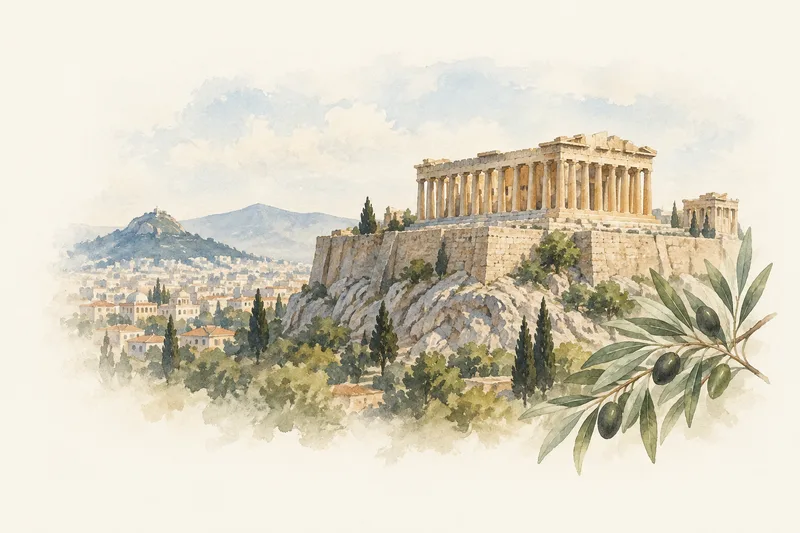
BEFORE YOUR FIRST MEAL
Navigating food allergies in Greece
Greek food varies from island seafood and Corfiot stews to mainland pies, breads and dairy-rich dishes. Meals may combine several shared plates, while bakeries and tavernas offer foods with layered recipes and changing toppings. A dish name alone cannot establish suitability: ask about every component, including bread, stock, sauces, coatings, garnishes, frying oil and utensils.
What to know first
Look beyond the main ingredient
Moussaka may contain wheat flour, milk, butter, cheese and sometimes egg in its béchamel; ask about the topping as well as the aubergine and meat.
Expect recipe variation
Avgolemono is egg-based, while some versions of the soup use wheat-based orzo instead of rice. Ask which grain and thickener were used today.
Explain the whole dish
Describe the food you avoid and ask staff to check the complete recipe, stock, sauce, toppings and preparation rather than relying on a dish name.
Check shared preparation
For fried cod, courgette fritters or chips, ask whether the oil, pan, water, utensils and coating are shared with foods you avoid.
Read packaged labels carefully
EU rules cover 14 allergen categories; on prepacked food, relevant allergens must stand out in the ingredients list. Still read the full list for other concerns.
Understanding the food
Olive oil, wheat, pulses, greens, cheese, fish, lamb, honey and wine recur across the country, but Crete, Epirus, Macedonia, the Peloponnese, the Aegean and Ionian islands use them differently. Ottoman, Venetian, Balkan, Asia Minor and local pastoral histories remain visible in regional cooking.
Mainland mountains and island seas create distinct repertoires.
| Region | Food landscape | Examples to explore |
|---|---|---|
| Crete | Olive oil, wild greens, barley rusks, cheese and pastoral food | Dakos, kalitsounia, horta and lamb or goat dishes |
| Macedonia, Thrace & Epirus | Pies, peppers, pulses, freshwater fish and mountain dairy | Filled pies, beans, Florina peppers and aged cheeses |
| Peloponnese & central mainland | Olives, citrus, wheat, pork and regional pasta | Lalagia, hilopites, roast meats and vegetable stews |
| Aegean, Ionian & Dodecanese islands | Fish, capers, legumes, local cheeses and maritime exchange | Fava, kakavia, sofrito, pies and island sweets |
Visit Greece treats local products as a route through the country. Cheeses, olives, wines, herbs, breads and seafood attach to particular islands, valleys and mountain regions rather than appearing as uniform national ingredients. [8][9]
The Mediterranean diet is cultural practice, not a nutrient diagram. UNESCO emphasises cultivation, harvesting, fishing, preservation, cooking and shared meals. It does not mean every Greek restaurant dish is automatically light or identical. [10]
Olive oil, acid and herbs let vegetables carry the meal.
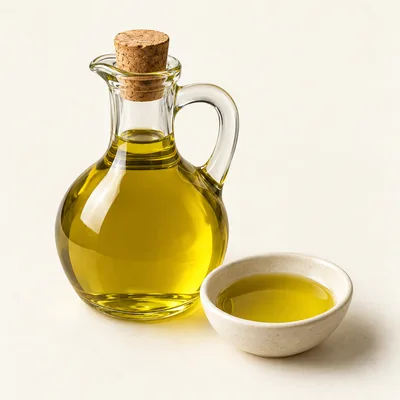 PRIMARY FATOlive oil
Cooking, preserving, dressing and baking
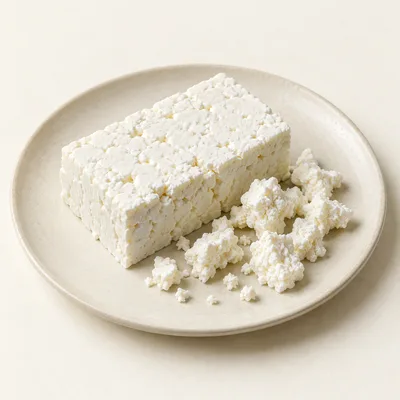 DAIRYCheese
Regional sheep, goat and mixed-milk traditions
Bread, pies, rusks, pasta and celebration baking
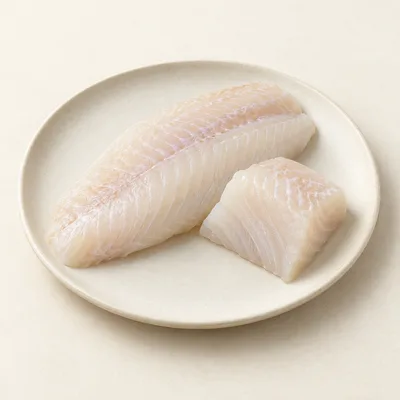 SEAFOODFish
Grilled whole, fried, salted or simmered in soup
Ladera make oil-cooked vegetables a category of their own. Beans, okra, aubergine, courgette or greens cook slowly with tomato, herbs and generous olive oil. They are complete home-style dishes, not merely sides. [9][10]
Feta is one protected cheese among many. Graviera, kasseri, manouri, metsovone and island cheeses differ by milk, region and ageing. A generic “Greek cheese” label hides useful production detail. [8]
A mezedopoleio, fish taverna and pie shop provide different knowledge.
Venue type helps predict the rhythm of ordering. Meze encourages several shared plates; a psarotaverna focuses on the day’s fish by weight; a mageireio displays cooked foods for lunch; specialist bakeries or pie shops narrow the choice further. [8][9]
Ask for the region behind the house dish. Athens and Thessaloniki gather island, Asia Minor, northern and migrant traditions. A city restaurant may be most useful when it identifies the place and family associated with its recipes. [11]
Food-culture sources checked .
Pies, pastry and bakery counters
Greek bakeries sell tiropita, spanakopita, bougatsa and village bread, while regional recipes include Cretan honey pie, kalitsounia and Corfiot almond pie. Phyllo and other pastry are commonly wheat-based, but fillings and finishes vary: cheese, egg, butter, milk, almonds or other nuts may appear. Ask whether the dough, filling, glaze and bakery trays are shared or made separately.
Sauces, soups and thickened dishes
Avgolemono can appear as a soup finish or sauce, including with arnaki fricassee and lahanodolmades, and the versions described use egg. Moussaka and pastitsio use béchamel-style layers that may contain wheat flour, milk, butter, cheese and egg. Ask about stock, thickener, garnish and whether a supposedly plain rice, vegetable or meat portion has been finished with sauce.
Seafood, meat and frying
Fish is central to kakavia, bianco, bourdeto and salt-cod dishes; shrimp saganaki combines crustacean seafood with feta, while octopus bourdeto uses mollusc seafood. Fried preparations can add wheat coatings, as in Lefkada bakaliaros. Meat dishes also vary: bifteki may use egg, breadcrumbs or cheese, and stifado may include wine. Ask about the exact protein, coating, cooking fat and accompanying sauce.
Ingredients worth recognising
Start with these ingredients, then follow their names and recorded food connections. Check the recipe and product actually used.
Feta cheese
Feta appears in Greek salad, spanakopita, tiropita, bouyiourdi and shrimp saganaki. It is milk-derived, but the surrounding recipe may also contain wheat pastry, egg or seafood. Ask whether feta is mixed into the filling, added afterwards, or replaced with another cheese.
Phyllo Pastry
Phyllo is conventionally made with wheat flour and is recorded in dishes such as baklava, galaktoboureko, spanakopita and tiropita. Check the pastry itself, the flour used to dust or bind it, and whether butter, egg or a nut filling is added.
Egg
Egg is a defining part of avgolemono and is also used in some binders, custards, fritters and enriched doughs. Ask specifically about sauces and brushing or glazing, not only obvious egg dishes. Confirm whether egg is in the filling, thickener, coating or shared batter.
Shrimp
Shrimp is a crustacean and is recorded in shrimp saganaki. Seafood may also be present in shared pans, broths or meze. Ask whether the dish uses shrimp stock or mixed seafood, whether the pan is shared, and whether cheese or sauce is added after cooking.
Walnut
Walnut is the usual filling in baklava and is also recorded in Pontic walnut pastry. Ask about nut fillings, chopped toppings and pastry handling, including whether the same board, tray or serving tools are used for other pastries. Do not assume a plain-looking syrup pastry is nut-free.
How food labelling works
EU food-information rules cover 14 allergen categories used as ingredients. On prepacked food, these must stand out in the ingredients list. The categories include gluten-containing cereals, crustaceans, eggs, fish, peanuts, soybeans, milk, specified nuts, celery, mustard, sesame, sulphites above the stated threshold, lupin and molluscs.
Allergen information is also required for food sold without prepacking, including restaurant meals. Ask how to obtain the information for the exact order. National arrangements affect how it is supplied; an ingredient declaration does not by itself describe shared equipment or handling.
If you avoid a food outside those categories, read the complete ingredients and name that food when speaking to staff. A short allergen key cannot answer every ingredient-specific question.
Language and communication
Greek is the national language. Prepare a written explanation in Greek naming the food you avoid and asking staff to check the complete recipe, stock, sauce, toppings, frying oil, water and utensils. Use dish names such as moussaka or avgolemono only to identify what you are asking about, not to establish suitability.
Ask which language the person checking your meal can use comfortably, and keep your written Greek explanation available. Greek dish names and their spellings in Latin letters can vary. Show the explanation alongside your order and ask the kitchen to confirm the recipe, substitutions and shared preparation for that serving.
Eating in different settings
Bakery or fourno
For tiropita, spanakopita, bougatsa or koulouri, ask what flour is in the pastry and whether the filling contains milk, egg or sesame. Ask if trays, tongs and preparation surfaces are shared with baklava, walnut pastry or other items you avoid.
Taverna and shared meze
Before ordering Greek salad, tzatziki, skordalia or taramasalata, ask about the complete recipe, bread, dairy, fish roe and toppings. If dishes will be shared, request separate serving utensils and ask whether bread or sauces are placed on every plate.
Seafood counter or fish restaurant
For kakavia, grilled fish, bourdeto or salt-cod dishes, ask whether the seafood is fresh or frozen where relevant to your order, what broth or sauce is used, and whether flour, shared pans or shared frying oil are involved.
Packaged-food shop
Read the complete ingredients list on bread, pasta, biscuits, sauces and cured foods. EU allergen categories must stand out on prepacked labels, but ask about an ingredient outside those categories by name and do not treat a short allergen key as a full recipe.
Before you travel
Review your personal plan
Discuss your travel plans with your clinician and keep your prescribed medicines and emergency instructions accessible. Tell companions where these are and how to follow your plan.
Check your medicines before entering Greece
Medicine rules in Greece may differ from those in the UK. Bring prescribed medicines in their original containers, with the prescription label, and carry a doctor’s letter stating the quantity needed; the prescription name should match your passport. For controlled medicines, contact OKANA before travelling to check what is required.
Make the first meals easier to organise
Contact your accommodation and transport providers in advance. Save your written food list, menu questions and destination address offline. Check entry restrictions before packing backup food, and plan how you will check meals during arrival and onward journeys.
Plan access to medical help
Treatment and facilities are generally good on the mainland but may be limited on some islands. Uninsured people may not be able to get treatment or diagnostic tests from private doctors, and may need to use public hospitals or primary healthcare centres. If you may be eligible for a GHIC or EHIC, check your eligibility and coverage, and arrange travel insurance for costs those cards may not cover, including private care or repatriation.
Emergency resources
For a suspected severe allergic reaction, follow your prescribed emergency plan and seek urgent medical help. Give your exact location clearly.
Ambulance and urgent medical help
Dial 112 or 166 and ask for an ambulance.
Explore next
Your allergy in Greece
Choose a food concern for the country notes and questions relevant to it.
Dishes in Greece
Follow the ingredients and cuisine connections in individual dish records.
Your own food list
Combine allergy groups and individual ingredients in one guide, with local names where recorded.
Allergy cards
Prepare the information you need to explain your food requirements.
FAQs, sources and review dates
Is Greek salad a simple choice?
The recorded Greek salad commonly includes tomato, cucumber, onion, olives and feta, with oregano and olive oil. Ask whether feta is included, whether any vinaigrette or other topping has been added, and whether it is assembled with shared utensils used for other salads or cheese.
Can I rely on a dish called vegetarian or fasting?
No. Ask for every ingredient in the specific preparation. A fasting-style dish may still contain honey or seafood, while vegetable dishes may use dairy, egg, stock, bread or shared oil. Confirm the sauce, garnish and cooking method directly.
What about an ingredient outside common allergen groups, such as olives?
Name it specifically and read the complete ingredient list on packaged olives. The recorded ingredient notes say some cured or processed olives may use sulphites, but this is not universal. In restaurants, ask whether the olives are cured, marinated or dressed, and what was added.
Sources checked: . This researched draft is awaiting editorial review. Practical questions apply the sources below to local food settings; they do not confirm any individual meal's ingredients or preparation.
Sources & references (11)
- FCDO · Greece health and medical assistance
Emergency contact details, local healthcare and medicine guidance. UK-specific eligibility does not apply to every visitor.
- Wikivoyage contributors · Greece
Community-edited culinary context only; not an allergy or medical authority. Brief food-context adaptations, CC BY-SA 4.0: https://creativecommons.org/licenses/by-sa/4.0/. Recipe questions also use PlateSafe’s draft records.
- FARE · Dining out
General recipe and preparation questions, applied here to country-specific food examples.
- FARE · Travelling with food allergies
General preparation, written communication and access to prescribed medicines. Not country-specific import permission.
- PlateSafe · Greece recorded food connections
Existing draft dish and ingredient records, used as examples to investigate. These are not independently verified recipes or suitability assessments.
- Unicode CLDR · Territory language data
Language suggestions. Regional language needs must be confirmed with the particular food provider.
- European Commission · Allergen information
Scoped allergen-labelling summary. Does not establish an individual meal’s ingredients or preparation.
- Visit Greece — Gastronomy
- Visit Greece — Traditional Greek cuisine
- UNESCO Intangible Heritage — Mediterranean diet
- Visit Greece — Official tourism portal