
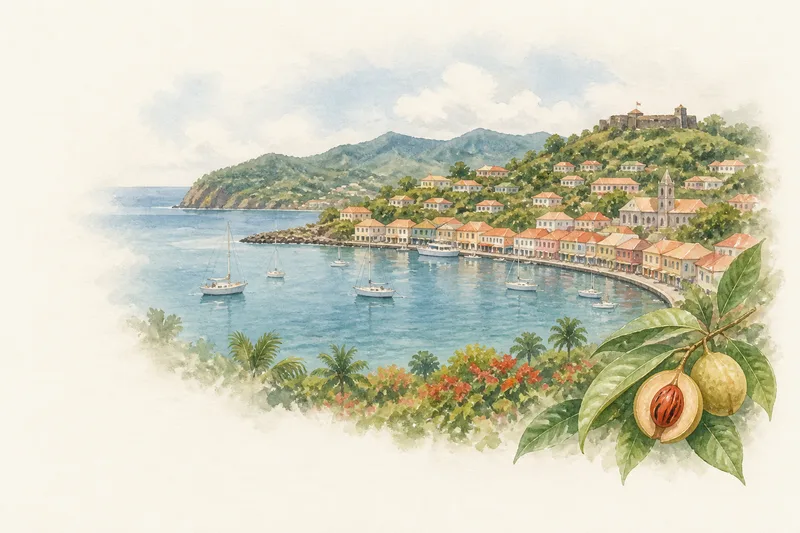
BEFORE YOUR FIRST MEAL
Navigating food allergies in Grenada
Grenada’s food includes well-seasoned fish and chicken, rice dishes such as pelau, and desserts including cassava pone. Recorded recipes also show recurring questions around wheat flour, dairy, egg, fish, crab, celery and coconut. Recipes vary, so ask about the complete preparation rather than relying on a familiar dish name, especially for soups, fritters, baked dishes and shared fried foods.
What to know first
Rice and one-pot cooking
Pelau is a rice dish cooked in a pot, but ask what protein, stock, seasoning and finishing ingredients are included in this particular preparation.
Bakes, fritters and puddings
Wheat flour, egg, butter or milk may appear in fried bake, conch fritters, cassava pone and other recipes; confirm the full batter or mixture.
Explain the whole concern
Ask whether the dish, stock, sauce, filling and garnish contain your ingredient, and whether the same oil, water or utensils are shared.
Preparation matters
For soups and fried foods, ask about dumplings, batter, breadcrumbs, cooking oil and adjacent foods, rather than assuming a plain-looking fish, chicken or vegetable serving.
Read the complete label
Read the complete ingredients and allergen information on the actual product. If you avoid a food that is not highlighted, ask the producer or food provider to check it specifically.
Understanding the food
Nutmeg, mace, cocoa, coconut, breadfruit, root crops, plantain, callaloo and fish reflect Indigenous Caribbean crops, African food knowledge, European colonisation and later migration. Grenada, Carriacou and Petite Martinique share foundations but keep different maritime and community traditions.
Volcanic farms and seafaring islands shape different meals.
| Island or setting | Food landscape | Examples to explore |
|---|---|---|
| St George’s & southwest | Markets, restaurants and national crossroads | Oil down, fish, cocoa products and spice-led dishes |
| Interior & rural Grenada | Nutmeg, cocoa, fruit, root crops and small farms | Callaloo, provisions, soups and estate products |
| Carriacou & Petite Martinique | Fishing, boatbuilding and smaller-island foodways | Fresh fish, corn dishes, pea soups and preserved foods |
| Festivals & beach cooks | Communal pots, grills and seasonal catch | Oil down, grilled fish, bakes and rum or fruit drinks |
Pure Grenada foregrounds spices as agriculture and cooking. Nutmeg, mace, cinnamon, cloves, bay and cocoa enter tours, markets, drinks, sweets and savoury dishes rather than existing only as export souvenirs. [7][9]
The Grenadines add a distinctly maritime scale. Carriacou and Petite Martinique depend more visibly on fishing, boats and inter-island exchange, while Grenada’s mountainous interior supports a broader plantation and garden crop mix. [8][10]
Spice, coconut and provisions build the national pot.
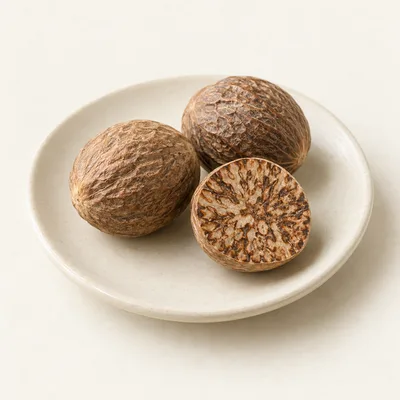 SPICE CROPNutmeg & mace
Savoury seasoning, baking, drinks and preserves
Estate agriculture, hot drinks and chocolate
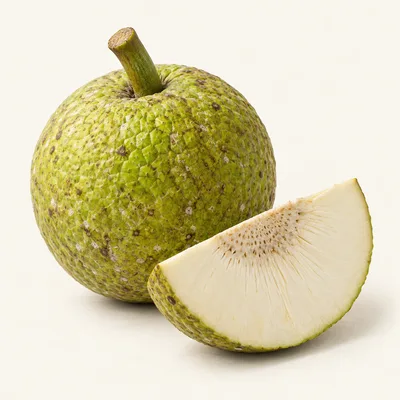 STARCH FRUITBreadfruit
The foundation of oil down and a roasted or boiled staple
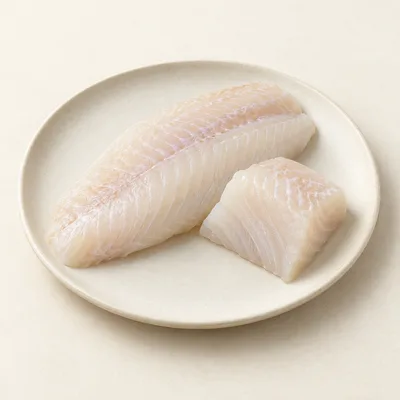 COASTAL PROTEINFish
Grilled, stewed, fried or salted
Oil down is a one-pot method with social meaning. Breadfruit, coconut milk, callaloo, dumplings, spices and salted meat or other proteins cook down until the liquid is absorbed. The household balance and layering matter more than one official formula. [7]
Nutmeg has an agricultural history behind the aroma. Processing separates the red mace from the seed and requires drying and grading. Farm or cooperative visits explain the labour and vulnerability of the crop more clearly than a decorative sprinkle. [9][10]
Markets, fish fries and estate visits provide complementary views.
The market shows spice as an everyday ingredient. Fresh produce, ground spices, cocoa balls, preserves and prepared foods reveal how export crops enter household use. Ask sellers how a spice is prepared rather than buying an anonymous blend. [7][9]
A fish fry is about catch and community. Vendors may grill, fry or stew different species alongside provisions, bakes and sauces. Availability follows weather and fishing, so the changing menu is part of the experience. [8]
Food-culture sources checked .
Soups and broths
Chicken Soup may use celery as an aromatic, while Fish Broth may contain fish, onion, garlic and celery, with wheat-flour dumplings in some versions. Conch Soup can also be served with wheat-flour dumplings. Ask whether stock is bought or made, which protein and aromatics were used, and whether dumplings or flour additions were cooked in the same pot.
Fish, saltfish and seafood
Fish and chicken are described as staple offerings, and the recorded dishes include salted cod or other salted fish in Green Fig and Saltfish, Saltfish Accra, Saltfish and Bake, Stewed Saltfish, Oil Down and roast breadfruit. Callaloo Soup may have crab, while Crab Back and conch fritters require questions about the named seafood and the complete preparation.
Bakes, fritters and baked dishes
Fried Bake, Grenadian Roti, Saltfish and Bake, Conch Fritters and Saltfish Accra commonly connect with wheat flour; fritters may also use egg, and Crab Back may use breadcrumbs, butter or egg. Macaroni Pie combines pasta with dairy and may use egg. Ask about batter, crumbs, fillings, shared oil and utensils.
Desserts and sweet dishes
Cassava Pone is recorded with possible butter, cow milk, wheat flour and egg variations. Coconut Pudding may combine coconut milk with cow’s milk, and Nutmeg Ice Cream has a cream-and-milk base in the examples. Black Cake may contain butter, wheat flour and egg; ask about the exact recipe, decoration and packaged toppings.
Ingredients worth recognising
Start with these ingredients, then follow their names and recorded food connections. Check the recipe and product actually used.
Wheat flour
Wheat flour is linked with fried bake, roti, fritters, dumplings, macaroni pie and some cassava pone or pudding versions. Ask whether flour is in the dough, binder or soup dumpling, and whether flour-based foods share oil or utensils.
Butter
Butter is recorded in cassava pone, Black Cake, Crab Back, macaroni pie and some sweet potato pudding recipes. Ask whether it is used in the mixture, filling, greasing or topping, and whether another dairy ingredient is added.
Fish
Fish is the primary base in Fish Broth, while salted fish or cod appears in several Grenadian dishes. Confirm the species or product, how it was salted, and whether fish stock or another seafood was added to the recipe.
Celery
Celery is a possible aromatic in Chicken Soup and Fish Broth, and appears in some stock or seasoning formulations. Ask directly about fresh celery, stock cubes, broth and sauces, including ingredients used before the dish reaches the plate.
Egg
Egg may bind conch fritters, Crab Back, Saltfish Accra, macaroni pie, Black Cake, cassava pone and some puddings or ice cream. Ask whether it is in the batter, custard, filling or glaze, rather than judging from the dish name.
Coconut
Coconut appears in Coconut Drops and Coconut Pudding, with coconut milk used in some pudding recipes. Ask whether the preparation uses coconut flesh, milk or another coconut product, and check the complete recipe without assigning it to a legal allergen group.
How food labelling works
A current, country-specific allergen-labelling summary for Grenada has not yet been verified for this guide. Do not transfer the list of regulated allergens or restaurant disclosure rules from your home country to this one.
Read the complete ingredients on the actual package and keep any local-language sticker with the original label. For imported products, compare the information on that pack rather than a photograph of the brand sold elsewhere. Ask the manufacturer or seller to clarify an unfamiliar term.
For loose food or meals prepared to order, ask who can check the recipe and the labels on bought-in ingredients. Explain every food you avoid, including ingredients outside familiar allergy groups; a short symbol chart may not cover your list.
Language and communication
English is Grenada’s official language and is described as universally understood. Prepare a written explanation in clear English naming the ingredient or ingredients to avoid, the forms that may contain them, and the need to confirm the complete recipe.
Locals may use a rapid English dialect among themselves; French persists in place names, while Creole is described as having practically died out. Use English for written questions, then ask staff to confirm the dish, stock, sauce, toppings, shared oil, water and utensils.
Eating in different settings
St George’s quick lunch
St George’s is described as geared to quick lunches and closing early. Before ordering, ask what is in the day’s soup, pelau, fish or chicken plate, whether stock or gravy contains your ingredient, and whether a short preparation window is possible.
Grand Anse hotel dining
Grand Anse hotels are described as having substantial dining aimed largely at non-residents. Contact the venue ahead with a written ingredient explanation, then ask whether the kitchen can identify the complete recipe, sauces, garnishes and shared cooking surfaces.
Fritter or bake counter
For conch fritters, Saltfish Accra, Fried Bake or Saltfish and Bake, ask about wheat flour, egg, breadcrumbs and seasoning. Confirm which oil is used, what else is fried there, and whether tongs, trays or utensils are shared.
Packaged-food shop
For biscuits, desserts, sauces, stocks or other packaged food, read the complete ingredient list rather than relying on a front label or product name. Check whether the recipe includes dairy, egg, fish, celery, wheat, coconut or an unspecified seasoning.
Before you travel
Review your personal plan
Discuss your travel plans with your clinician and keep your prescribed medicines and emergency instructions accessible. Tell companions where these are and how to follow your plan.
Check your medicines before entering Grenada
The legal status and regulation of medicines prescribed or bought in the UK can differ in Grenada. Before travel, check TravelHealthPro’s best-practice guidance and confirm any medicine import or documentation requirements with the relevant Grenadian authority.
Make the first meals easier to organise
Contact your accommodation and transport providers in advance. Save your written food list, menu questions and destination address offline. Check entry restrictions before packing backup food, and plan how you will check meals during arrival and onward journeys.
Plan access to medical help
Grenada’s main government hospital can manage many types of treatment, but serious cases may require evacuation. Treatment may be expensive, so check that insurance and accessible funds cover care and repatriation; consult the FCDO medical-provider information for current options.
Emergency resources
For a suspected severe allergic reaction, follow your prescribed emergency plan and seek urgent medical help. Give your exact location clearly.
Ambulance and urgent medical help
Request ambulance assistance through the appropriate hospital: St George’s General Hospital, 434; Princess Alice Hospital in Grenville, 724; or Princess Royal Hospital on Carriacou, 774.
Explore next
Your allergy in Grenada
Choose a food concern for the country notes and questions relevant to it.
Dishes in Grenada
Follow the ingredients and cuisine connections in individual dish records.
Your own food list
Combine allergy groups and individual ingredients in one guide, with local names where recorded.
Allergy cards
Prepare the information you need to explain your food requirements.
FAQs, sources and review dates
Could cassava pone contain more than cassava?
Yes. Recorded variations may include butter and cow milk, with wheat flour as an additional binder and egg as a possible binder. Ask about the exact mixture, baking tin, topping and any sauce, rather than assuming the name describes every ingredient.
How should I ask about a fish or saltfish dish?
Name the concern and ask whether the dish uses fresh fish, salted cod or another salted fish, then ask about stock, sauce, batter and garnish. For Fish Broth or fritters, also check dumplings, flour, egg, shared oil and utensils.
Is coconut automatically covered by a legal allergen category?
Do not assume that. Coconut Drops and Coconut Pudding may use different coconut forms, including coconut milk. Ask whether coconut flesh, milk or another product is present and read the complete packaged ingredient list; this page does not assign coconut to a legal group.
Sources checked: . This researched draft is awaiting editorial review. Practical questions apply the sources below to local food settings; they do not confirm any individual meal's ingredients or preparation.
Sources & references (10)
- FCDO · Grenada health and medical assistance
Emergency contact details, local healthcare and medicine guidance. UK-specific eligibility does not apply to every visitor.
- Wikivoyage contributors · Grenada
Community-edited culinary context only; not an allergy or medical authority. Brief food-context adaptations, CC BY-SA 4.0: https://creativecommons.org/licenses/by-sa/4.0/. Recipe questions also use PlateSafe’s draft records.
- FARE · Dining out
General recipe and preparation questions, applied here to country-specific food examples.
- FARE · Travelling with food allergies
General preparation, written communication and access to prescribed medicines. Not country-specific import permission.
- PlateSafe · Grenada recorded food connections
Existing draft dish and ingredient records, used as examples to investigate. These are not independently verified recipes or suitability assessments.
- Unicode CLDR · Territory language data
Language suggestions. Regional language needs must be confirmed with the particular food provider.
- Pure Grenada — Culinary experiences
- Pure Grenada — Official tourism portal
- Grenada Tourism Authority — Food and spices
- FAO — Grenada country profile