
BEFORE YOUR FIRST MEAL
Navigating food allergies in Guatemala
Guatemalan food ranges from everyday maize tortillas, rice and stewed black beans to filled tamales, broths, grilled meats and coastal seafood dishes. Recipes can vary between an urban restaurant, a small-town comedor and a family kitchen. Treat dish names as starting points only: ask about the complete recipe, cooking fats, toppings, sauces and utensils before ordering.
What to know first
Maize is not the whole recipe
Tortillas are commonly served with meals, but a corn tortilla can include wheat flour. Ask whether the tortilla is made only from maize and what else is added.
Sauces change the dish
Pepián includes sesame in the recorded example, while mole de plátano may include almonds and sesame. Ask about every ground sauce, garnish and finishing topping.
Explain the whole concern
Describe the ingredient or reaction you must avoid, then ask the server to check the recipe, stock, sauce, toppings and shared cooking equipment rather than relying on a dish name.
Frying needs a direct check
For buñuelos, chiles rellenos, tostadas or other fried foods, ask what oil is used, whether it is shared, and whether batter, breading or crumbs enter the oil.
Read the complete list
Read the complete ingredients and allergen information on the actual product. If you avoid a food that is not highlighted, ask the producer or food provider to check it specifically.
Understanding the food
Nixtamalised maize, beans, squash, chilli, tomato, cacao, herbs and seeds underpin many meals, while highland potatoes and sheep, Caribbean coconut and seafood, Pacific produce and mestizo or Afro-Caribbean histories create regional depth. Ceremonial recados and everyday tortillas belong to the same living systems.
Cultural and ecological regions produce different recados and staples.
| Region or setting | Food landscape | Examples to explore |
|---|---|---|
| Western highlands | Maya maize, beans, potatoes, greens and market towns | Tamales, boxbol, recados, atol and regional breads |
| Central highlands & Antigua | Markets, colonial-era baking and mixed regional cuisine | Pepián, jocón, rellenitos and sweets |
| Caribbean & Izabal | Garifuna coconut, seafood, plantain and cassava | Tapado, rice and beans, fish and cassava breads |
| Petén & lowlands | Forest crops, maize, cacao and Maya foodways | Corn drinks, tamales, pumpkin seed sauces and local herbs |
Maya food knowledge is contemporary, not archaeological residue. Maize, beans, squash, chilli, cacao and seed-thickened sauces remain part of living community agriculture and ceremony. Ancient sites provide history but cannot speak for today’s diverse Maya peoples. [9][8]
Colonial cities layered new ingredients and institutions onto Indigenous systems. Antigua’s urban heritage reflects Spanish rule, religious orders, trade and earthquake rebuilding. Wheat breads and confectionery sit beside much older maize and cacao traditions. [10]
Toasting and grinding turn seeds and chillies into complex recados.
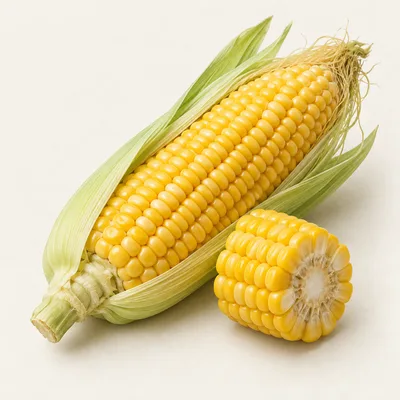 FOUNDATION GRAINMaize
Tortillas, tamales, atol and ceremonial foods
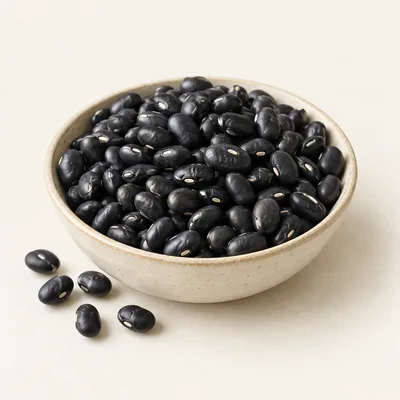 PULSEBlack bean
Whole, stewed, refried or sweetened
Drinks, ceremony, sweets and contemporary chocolate
Fresh, dried, smoked and toasted for regional sauces
Pepián is a technique of layered roasting. Tomato, tomatillo, dried chillies, seeds and spices are toasted and ground into a thick sauce for meat and vegetables. Colour and heat vary with the chosen chillies and household method. [7]
Nixtamalisation is the daily technology behind the tortilla. Cooking maize with an alkaline material changes flavour, texture and nutrition before it is ground into masa. Tortilla quality begins well before the griddle. [8]
Markets and community food projects make regional differences visible.
A market meal can be more informative than a highlights menu. Tortillas, tamales, soups, grilled meats, seasonal fruit and atol are organised around local shopping and work rhythms. Look for what vendors specialise in and who their regular customers are. [7]
Seek Indigenous and Garifuna food experiences led by the community. Use the community or nation name, learn who controls the interpretation and avoid treating ceremonial or household knowledge as a performance detached from its owners. [7][9]
Food-culture sources checked .
Maize, rice and beans
Maize tortillas are described as accompanying many meals, while frijoles negros are stewed black beans and breakfast may combine beans with rice. Ask whether a tortilla is pure maize or contains wheat flour, and whether beans or rice were cooked with stock, butter, cheese, sauce or shared utensils.
Tamales and filled dishes
Tamales use steamed cornmeal with varied fillings and banana-leaf wrapping; the filling is therefore the key question, not the wrapper. Ask what is inside, whether the masa contains dairy, and whether the preparation shares a steamer, work surface or utensils with other foods.
Ground sauces and toppings
Pepián is recorded with sesame in its ground sauce, and mole de plátano with almonds and sesame. Dobladas, tostadas and enchiladas may have cheese or egg toppings, while mustard appears with some other dishes. Ask for sauce, garnish and topping ingredients separately.
Coastal and regional variation
Fish meals, ceviche and Garífuna tapado provide different seafood examples: ceviche may use fish or shrimp, while tapado may include fish, prawns and crab. Food choices are described as broader in tourist locations and more limited in aldeas, so communicate before selecting a local dish.
Ingredients worth recognising
Start with these ingredients, then follow their names and recorded food connections. Check the recipe and product actually used.
Corn tortilla
A tortilla may be served with beans, rice or filled dishes, but some formulated versions include wheat flour as well as corn. Ask whether this batch is made only from maize, and whether the griddle is shared with wheat-based items.
Bread
Bread is relevant to torrejas, molletes and other bakery foods. Formulations can include wheat, milk, egg, soy or sesame, and rye is also used in recognised breads. Ask for the complete recipe or label, including enriched dough, toppings and bakery surfaces.
Fish
Fish appears in ceviche, seafood meals and tapado, but the dish may include additional seafood or a mixed preparation. Ask which species and other proteins are present, how the fish is marinated, and whether shared knives, boards or containers are used.
Cheese
Cheese is recorded as a filling or topping in dobladas, enchiladas, fiambre, garnachas and tostadas. Ask what type is used, whether it is added after cooking, and whether the complete dish also contains butter, milk, egg or a prepared sauce.
Mustard Paste
Mustard appears as a topping or sauce in mixtas and shucos, and in some fiambre dressings. Ask whether the sauce is mustard paste alone or a prepared mixture, and check every additional dressing, mayonnaise, stock or condiment served with it.
Sesame Seed
Sesame is recorded in pepián and as a customary topping on some champurradas, and it is also central to some mole de plátano versions. Ask whether sesame is in the sauce, decoration or shared cooking area, not just whether it is visible.
How food labelling works
A current, country-specific allergen-labelling summary for Guatemala has not yet been verified for this guide. Do not transfer the list of regulated allergens or restaurant disclosure rules from your home country to this one.
Read the complete ingredients on the actual package and keep any local-language sticker with the original label. For imported products, compare the information on that pack rather than a photograph of the brand sold elsewhere. Ask the manufacturer or seller to clarify an unfamiliar term.
For loose food or meals prepared to order, ask who can check the recipe and the labels on bought-in ingredients. Explain every food you avoid, including ingredients outside familiar allergy groups; a short symbol chart may not cover your list.
Language and communication
Spanish is Guatemala’s official language and is widely used in the main tourist destinations. In more remote villages, communication may involve a Maya language and Spanish may be limited. Prepare a written explanation in Spanish, naming the ingredient to avoid and requesting confirmation of the full recipe, sauces, toppings and cooking equipment.
K’iche’, Q’eqchi’ and Kaqchikel are among the commonly spoken indigenous languages, with language use varying by region. If travelling in an area where one is locally used, prepare the same written explanation with a trusted speaker before arrival. Ask the person taking the order to confirm the answer rather than relying on recognition of a dish name.
Eating in different settings
Market or street counter
For tostadas, dobladas, garnachas or mixtas, ask what is added after cooking: cheese, mustard, egg, sauce or other toppings. Ask whether the tortilla is maize-only, what oil is used, and whether the same griddle, tongs or oil handles other foods.
Bakery or sweet shop
With champurradas, buñuelos, molletes, torrejas or canillitas de leche, ask for the complete dough, coating, filling and topping ingredients. Check wheat flour, egg, butter, milk, sesame and pastry cream separately, and ask whether items are prepared on shared trays.
Restaurant or comedor
For pepián, tapado, ceviche, caldos or churrascos, ask for the complete recipe rather than ordering by name. Confirm stock, ground sauce, marinade, garnish and cooking fat, then ask whether utensils, pans or serving spoons are shared.
Accommodation or packaged-food shop
For bread, hot-dog buns, dark chocolate, ketchup, vinegar or mayonnaise, read the whole ingredient list on the exact pack. Ask staff to identify the product’s formulation and check sauces or spreads added to breakfast, sandwiches or packed meals.
Before you travel
Review your personal plan
Discuss your travel plans with your clinician and keep your prescribed medicines and emergency instructions accessible. Tell companions where these are and how to follow your plan.
Check your medicines before entering Guatemala
British-issued prescriptions cannot be used in Guatemala. Before travelling, ask the relevant Guatemalan authority or your prescriber whether your medicine is permitted and what documentation is needed, and use NHS and TravelHealthPro guidance for travelling with medicines. Ask where to obtain supplies locally if necessary.
Make the first meals easier to organise
Contact your accommodation and transport providers in advance. Save your written food list, menu questions and destination address offline. Check entry restrictions before packing backup food, and plan how you will check meals during arrival and onward journeys.
Plan access to medical help
For healthcare facilities, the FCDO provides a list of English-speaking doctors in Guatemala. Check with your insurer and the provider whether the facility can provide the care you may need and what payment arrangements apply. If you are referred to a medical facility, contact your insurer quickly.
Emergency resources
For a suspected severe allergic reaction, follow your prescribed emergency plan and seek urgent medical help. Give your exact location clearly.
Ambulance and urgent medical help
Call 122 or 123 and ask for an ambulance.
Explore next
Your allergy in Guatemala
Choose a food concern for the country notes and questions relevant to it.
Dishes in Guatemala
Follow the ingredients and cuisine connections in individual dish records.
Your own food list
Combine allergy groups and individual ingredients in one guide, with local names where recorded.
Allergy cards
Prepare the information you need to explain your food requirements.
FAQs, sources and review dates
Can I assume a tamal contains only maize and its named filling?
No. One possible version uses steamed cornmeal, banana-leaf wrapping and varied fillings, rather than there being a single universal recipe. Ask what is in the masa and filling, including dairy, egg, sauces and stock, and ask whether the steamer or utensils are shared.
What should I ask about ceviche and tapado?
Ask whether the ceviche uses fish, shrimp or another combination, and whether shared containers or knives are used. For tapado, ask specifically about fish, prawns and crab, then check the broth, additions and serving utensils rather than relying on the word “seafood”.
What about an ingredient outside common allergy groups, such as vinegar?
Ask which vinegar is used and request the bottle or complete label where possible. The recorded ingredient information notes that some vinegars are malt-based or may contain sulphites, but the generic term does not identify the formulation.
Sources checked: . This researched draft is awaiting editorial review. Practical questions apply the sources below to local food settings; they do not confirm any individual meal's ingredients or preparation.
Sources & references (10)
- FCDO · Guatemala health and medical assistance
Emergency contact details, local healthcare and medicine guidance. UK-specific eligibility does not apply to every visitor.
- Wikivoyage contributors · Guatemala
Community-edited culinary context only; not an allergy or medical authority. Brief food-context adaptations, CC BY-SA 4.0: https://creativecommons.org/licenses/by-sa/4.0/. Recipe questions also use PlateSafe’s draft records.
- FARE · Dining out
General recipe and preparation questions, applied here to country-specific food examples.
- FARE · Travelling with food allergies
General preparation, written communication and access to prescribed medicines. Not country-specific import permission.
- PlateSafe · Guatemala recorded food connections
Existing draft dish and ingredient records, used as examples to investigate. These are not independently verified recipes or suitability assessments.
- Unicode CLDR · Territory language data
Language suggestions. Regional language needs must be confirmed with the particular food provider.
- Guatemala Tourism Institute — Official portal
- FAO — Guatemala country profile
- UNESCO World Heritage Centre — Tikal National Park
- UNESCO World Heritage Centre — Antigua Guatemala