
BEFORE YOUR FIRST MEAL
Navigating food allergies in Guinea-Bissau
Food in Guinea-Bissau often centres on rice, with fish appearing in everyday preparations and palm oil or peanut paste shaping some sauces and soups. Meat, vegetables, fruit and snack foods add variation. Recipes can change between households, stalls and restaurants, so identify every ingredient and ask about stock, toppings, shared utensils, oil and cooking water rather than relying on a dish name.
What to know first
Rice dishes vary
Arroz de Peixe and Tcheben are fish-centred examples, while Arroz de Chabeu is a palm-oil rice preparation where fish commonly accompanies the rice. Ask which protein is used today.
Peanut can define a sauce
Arroz de Mancarra and Caldo de Mancarra use peanut paste as a defining base. Ask whether the complete sauce contains peanut paste and whether a separate portion is possible.
Explain the whole recipe
Describe the ingredient you need to avoid and ask about the rice, sauce, stock, garnish, topping and cooking fat. Confirm the answer with the person preparing or serving the food.
Check shared preparation
For market food or a shared bowl, ask whether the same spoon, pan, board, oil or cooking water has been used for another dish, especially fish, peanut paste or butter.
Read the complete label
Read the complete ingredients and allergen information on the actual product. If you avoid a food that is not highlighted, ask the producer or food provider to check it specifically.
Understanding the food
Mangrove rice, millet, cassava, palm oil, groundnuts, leafy vegetables, fish and shellfish support meals across the mainland and Bijagós. Cashew dominates the export economy and supplies fruit, nuts and fermented drinks, while Portuguese and wider West African exchange add their own layers.
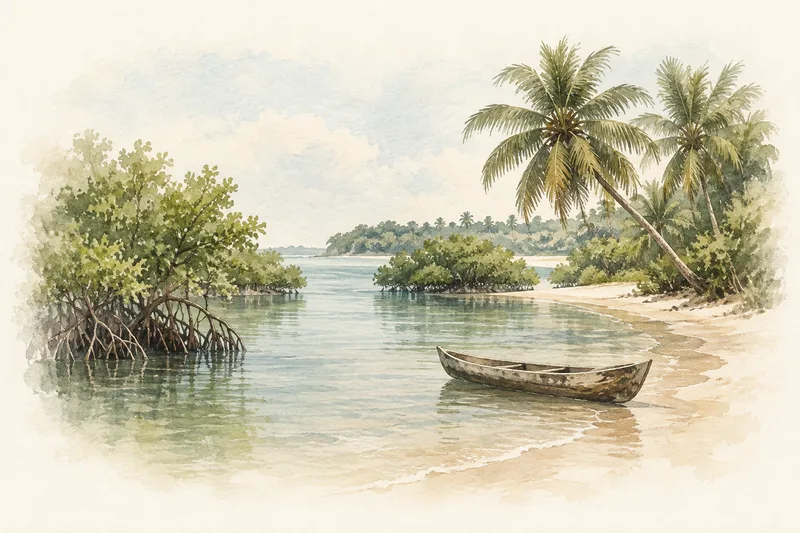
Mangrove lowlands and the island archipelago create distinct food systems.
| Region or setting | Food landscape | Examples to explore |
|---|---|---|
| Bissau | Urban markets, regional migration and port foods | Rice with fish sauce, grilled fish, caldo and street snacks |
| Coastal mangroves | Saltwater rice, oysters, fish and palm | Mangrove rice, shellfish, smoked fish and palm sauces |
| Interior mainland | Cashew orchards, millet, groundnuts and livestock | Grain dishes, groundnut sauce, cashew fruit and stews |
| Bijagós Archipelago | Island fishing, rice, palm and Bijagó foodways | Fresh fish, shellfish, rice and seasonal island foods |
Rice and fish connect coast, islands and capital. FAO profiles rice as the principal staple alongside cassava, millet and groundnuts, while fisheries provide essential food and livelihoods across the coast and Bijagós. [7]
The Bijagós are a living cultural landscape. UNESCO describes island communities, sacred sites, mangroves and marine biodiversity as interdependent. Food experiences need to respect Bijagó authority and conservation practice. [8]
Cashew is important, but rice remains the centre of the meal.
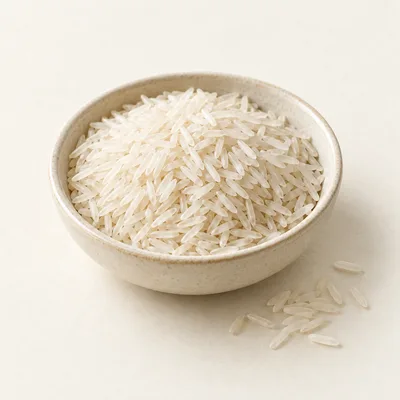 STAPLE GRAINRice
Cooked beneath fish, leaf or groundnut sauces
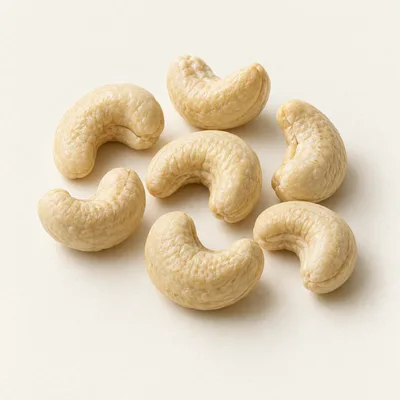 ORCHARD CROPCashew
Export nut, fresh fruit and fermented drink
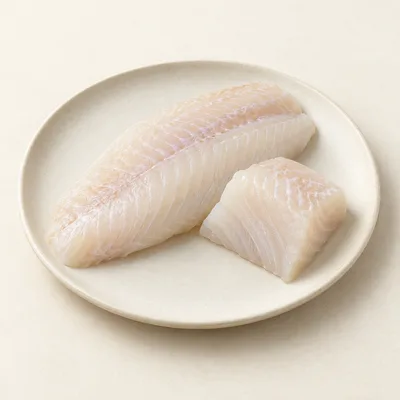 COASTAL PROTEINFish
Fresh, smoked, dried or grilled
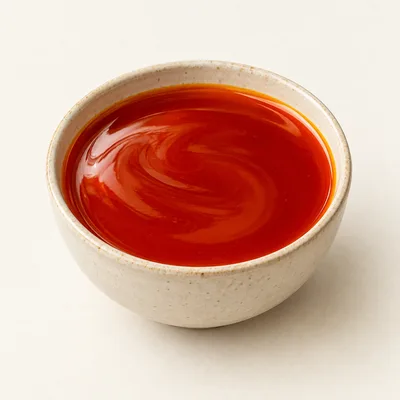 SAUCE FATRed palm oil
Colour and depth for rice and vegetable sauces
Cashew ties household income to a vulnerable export crop. FAO investment work follows production, processing and market dependence. Locally, the apple is eaten or fermented and the nut may be roasted, but much of the harvest enters export chains. [9][7]
Caldo describes a sauced meal rather than one immutable recipe. Fish or meat may simmer with onion, tomato, palm oil, groundnut or greens and be served over rice. The cook, region and available catch determine the result. [7]
Bissau’s short menus follow the market and landing beach.
Ask which fish and which sauce are available today. Freshness, season and transport shape the offering; grilled fish with rice may be more locally revealing than a long international menu. [7][10]
Island visits require conservation and community context. Meals in the Bijagós may involve locally caught fish, shellfish, rice and palm products, but access and interpretation should follow community and biosphere-reserve guidance. [8]
Food-culture sources checked .
Rice, fish and broth
Rice is recorded in Arroz de Peixe, Tcheben and Arroz de Chabeu examples, but the accompanying preparation matters. Ask whether fish is mixed through the rice, served beside it or used in a broth. For Caldo de Peixe or Caldo de Chabeu, ask about the complete stock, added vegetables, seasoning and finishing oil, then check whether the same ladle serves other pots.
Peanut-based preparations
Peanut paste is the defining base recorded for Arroz de Mancarra and Caldo de Mancarra. Ask whether it is made in the kitchen or bought prepared, what else enters the sauce, and whether a spoon or pan is shared with another preparation. In Caldo de Mancarra, also ask whether fish is included in that particular pot rather than assuming the named dish gives the full recipe.
Grains, toppings and vegetables
Cuscuz de Milho may be a maize-based preparation in which butter is used as a topping or finishing ingredient. Ask whether butter is added during cooking, at serving, or omitted, and whether another fat is used instead. Market vegetables include okra, tomatoes, peppers, onions, garlic, potatoes and sweet potatoes; ask about sauces, stock and shared utensils rather than treating a plain vegetable name as a complete dish.
Ingredients worth recognising
Start with these ingredients, then follow their names and recorded food connections. Check the recipe and product actually used.
Peanut Paste
Peanut paste may form the sauce or soup base in Arroz de Mancarra and Caldo de Mancarra. Ask whether it is present in the full recipe, whether extra paste is added at serving, and whether the preparation equipment is shared.
Vegetable Oil
Vegetable oil is a broad ingredient description, and the recorded source says it may be soybean oil but is unspecified. Ask which oil was used, whether it is reused, and whether the same oil cooked other foods.
Fish
Fish is recorded as the defining ingredient of Arroz de Peixe, Caldo de Peixe and Tcheben, and as a common variation elsewhere. Ask which fish is present, whether it is in the stock, and whether serving utensils are shared.
Oyster
Oyster is a mollusc ingredient, but it is not linked here to a particular Guinea-Bissau dish. If it appears on a menu or in a mixed preparation, ask whether oyster is included and how the dish was cooked.
Butter
Butter may top or finish Cuscuz de Milho. Ask whether it is stirred into the maize preparation or added only at the end, and whether the server can identify every other topping, sauce or finishing ingredient.
Peanut
Peanut is named in the local culinary source, while its presence in a particular meal still needs checking. Ask about whole peanuts, crushed peanuts and peanut paste in sauces, snacks, toppings and shared serving bowls.
How food labelling works
A current, country-specific allergen-labelling summary for Guinea-Bissau has not yet been verified for this guide. Do not transfer the list of regulated allergens or restaurant disclosure rules from your home country to this one.
Read the complete ingredients on the actual package and keep any local-language sticker with the original label. For imported products, compare the information on that pack rather than a photograph of the brand sold elsewhere. Ask the manufacturer or seller to clarify an unfamiliar term.
For loose food or meals prepared to order, ask who can check the recipe and the labels on bought-in ingredients. Explain every food you avoid, including ingredients outside familiar allergy groups; a short symbol chart may not cover your list.
Language and communication
Portuguese is Guinea-Bissau’s official language and the language used for writing. Prepare a written explanation in Portuguese that names the ingredient to avoid and asks for the complete recipe, including stock, sauce, toppings, cooking fat and shared utensils. Written details can help when discussing packaged food or a planned meal.
A Portuguese creole is widely spoken among local people, while Fula, Balanta, Mandinka, Pepel and Bijago are also recorded local languages. Regional variation matters: ask a trusted local speaker to help communicate the explanation, then seek confirmation from the person preparing the food rather than relying only on a dish name.
Eating in different settings
Market stall or street snack
For a sandwich, omelette, hard-boiled egg, fish or beef snack, ask what is inside the bread and whether the filling, sauce or dough contains anything you avoid. Ask whether the knife, board, pan or oil was used for other fillings, doughnuts or cakes.
Restaurant rice or soup
When ordering Arroz de Peixe, Arroz de Chabeu, Tcheben, Caldo de Peixe or Caldo de Mancarra, ask for the complete recipe. Confirm the protein, stock, peanut paste, palm oil, vegetables and garnish, then ask whether the serving spoon is shared between pots.
Shared meal
If invited to eat from a large bowl, explain your needs before food is served. Ask which dishes contain fish, peanut paste, butter or another ingredient you avoid, and whether a clean serving spoon and separate portion can be arranged.
Packaged-food shop
For imported or packaged food, read the full ingredient list rather than relying on a front label, picture or dietary claim. Ask someone to clarify any unfamiliar term, and check whether the product is a snack, sauce, frozen fruit drink or other prepared item.
Before you travel
Review your personal plan
Discuss your travel plans with your clinician and keep your prescribed medicines and emergency instructions accessible. Tell companions where these are and how to follow your plan.
Check your medicines before entering Guinea-Bissau
Pharmacies in Guinea-Bissau are limited and may lack supplies. UK prescriptions are accepted at pharmacies, but those pharmacies are not accredited with UK insurance companies. Before travelling, check the legal status and regulation of your medicines, and ask your insurer about reimbursement.
Make the first meals easier to organise
Contact your accommodation and transport providers in advance. Save your written food list, menu questions and destination address offline. Check entry restrictions before packing backup food, and plan how you will check meals during arrival and onward journeys.
Plan access to medical help
Medical facilities are extremely limited and hospitals are not fully operational. Check that travel insurance covers treatment abroad and repatriation, and confirm that you have accessible funds. Ask your insurer whether the policy covers these costs and what payment arrangements apply.
Emergency resources
For a suspected severe allergic reaction, follow your prescribed emergency plan and seek urgent medical help. Give your exact location clearly.
Ambulance and urgent medical help
Call 1313 and ask for an ambulance.
Explore next
Your allergy in Guinea-Bissau
Choose a food concern for the country notes and questions relevant to it.
Dishes in Guinea-Bissau
Follow the ingredients and cuisine connections in individual dish records.
Your own food list
Combine allergy groups and individual ingredients in one guide, with local names where recorded.
Allergy cards
Prepare the information you need to explain your food requirements.
FAQs, sources and review dates
Could a fish dish contain more than fish and rice?
Yes. Examples include fish with rice, soups and sauces, and fish may be a variation rather than the defining ingredient. Ask about stock, peanut paste, palm oil, vegetables, seasoning and garnish, as well as the pan and serving spoon used.
How should I ask about peanuts in a group meal?
Ask which bowl or sauce contains peanut paste, whole peanuts or crushed peanuts, and whether the rice or vegetables were mixed with it. Also ask whether the same spoon, pan or board was used before requesting a separately served portion.
What about an ingredient outside common allergy groups, such as palm oil?
Treat it as a recipe question rather than assuming it is present or absent. Ask whether palm oil is used in the rice, sauce or soup, when it is added, and what other ingredients share the pot, oil or serving utensil.
Sources checked: . This researched draft is awaiting editorial review. Practical questions apply the sources below to local food settings; they do not confirm any individual meal's ingredients or preparation.
Sources & references (10)
- FCDO · Guinea-Bissau health and medical assistance
Emergency contact details, local healthcare and medicine guidance. UK-specific eligibility does not apply to every visitor.
- Wikivoyage contributors · Guinea-Bissau
Community-edited culinary context only; not an allergy or medical authority. Brief food-context adaptations, CC BY-SA 4.0: https://creativecommons.org/licenses/by-sa/4.0/. Recipe questions also use PlateSafe’s draft records.
- FARE · Dining out
General recipe and preparation questions, applied here to country-specific food examples.
- FARE · Travelling with food allergies
General preparation, written communication and access to prescribed medicines. Not country-specific import permission.
- PlateSafe · Guinea-Bissau recorded food connections
Existing draft dish and ingredient records, used as examples to investigate. These are not independently verified recipes or suitability assessments.
- Unicode CLDR · Territory language data
Language suggestions. Regional language needs must be confirmed with the particular food provider.
- FAO — Guinea-Bissau country profile
- UNESCO — Bolama-Bijagós Biosphere Reserve
- FAO — Cashew value chain in Guinea-Bissau
- Government of Guinea-Bissau — Official portal