

BEFORE YOUR FIRST MEAL
Navigating food allergies in Guinea
Guinean meals often centre on rice served with one of several sauces, sometimes accompanied by beef or fish. Conakry offers Lebanese and other international food, while local dishes are also found beyond the capital, including in Kankan. Fruit such as pineapple, mango, oranges and bananas is widely available. Recipes and proteins vary by place and by cook, so confirm the whole preparation.
What to know first
Rice and sauce
A local plate may combine Guinean-style rice with one of four main sauces, sometimes including beef or fish. Ask what is in both the sauce and the rice.
Recipe variation
Fish appears in several recorded sauce and soup examples, while peanut paste, mustard, egg or wheat flour may occur in particular dishes. Never rely on the dish name alone.
Explain the whole concern
Give a written explanation in French or the relevant regional language, then ask staff to confirm ingredients, stock, marinades, toppings and preparation equipment.
Check shared preparation
For fritters, fried foods or sauced dishes, ask whether oil, pans, utensils, water or cooking surfaces are shared with ingredients you need to avoid.
Read the full label
For packaged food, read the complete ingredient list rather than relying on a product name or dietary wording. Check imported products particularly carefully.
Understanding the food
Rice is central across much of the country, joined by cassava, fonio, maize, groundnuts, palm oil, leafy sauces and fish. Coastal Susu foodways, Fouta Djallon pastoral and grain traditions, Upper Guinea’s savanna crops and Forest Guinea’s tubers and forest products create distinct regional meals.
The four natural regions are also four broad food economies.
| Region | Food landscape | Examples to explore |
|---|---|---|
| Lower Guinea / coast | Mangrove rice, marine fish, palm and urban Conakry | Rice with fish or leaf sauce, smoked fish and palm-oil dishes |
| Middle Guinea / Fouta Djallon | Fonio, livestock, dairy and highland farming | Fonio dishes, milk foods, groundnut sauces and grilled meat |
| Upper Guinea | Savanna rice, millet, sorghum, groundnuts and cattle | Grain porridges, rice dishes and meat or leaf sauces |
| Forest Guinea | Cassava, plantain, rice, forest leaves and gathered products | Tuber staples, palm sauces, mushrooms and seasonal foods |
Guinea’s natural regions provide the clearest organising frame. FAO agricultural data reflects sharp differences between coastal rice systems, Fouta Djallon highlands, northeastern savanna and humid forest zones. [7]
Fonio carries both resilience and cultural meaning. The small-grained cereal grows in dry conditions, cooks quickly after careful processing and appears in everyday, festive and hospitality dishes across parts of the highlands and savanna. [8]
Rice or fonio is chosen for a specific sauce.
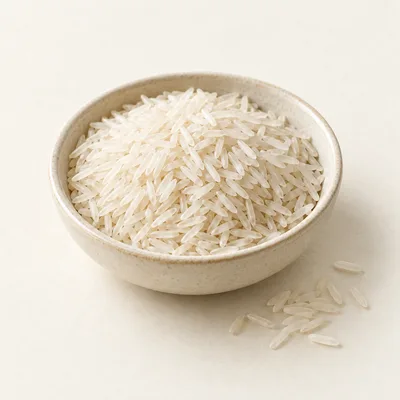 PRIMARY GRAINRice
Coastal cultivation and the base for sauces nationwide
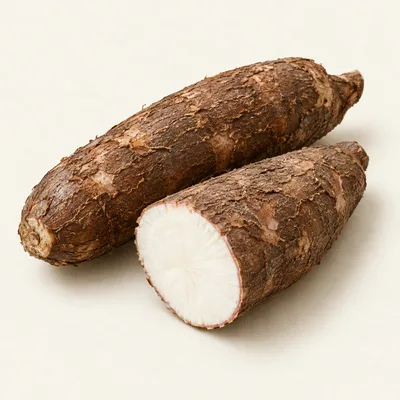 ROOTCassava
Roots, flour and processed leaves in forest regions
Pounded into rich meat, fish or vegetable sauces
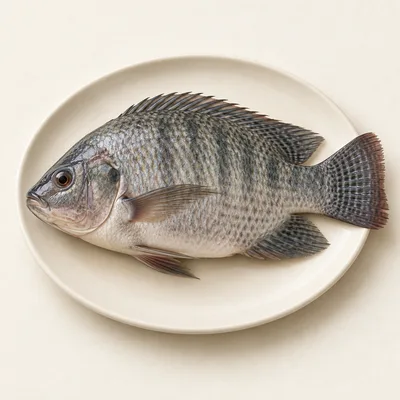 COAST & RIVERFish
Fresh, smoked, dried or simmered in sauce
Leaf sauces can be the main identity of the meal. Cassava leaves, sweet-potato leaves or other greens are pounded and cooked with palm oil, groundnut, fish or meat. The leaf and fat matter as much as the protein. [7]
Forest foods require precise local attribution. Mount Nimba and Forest Guinea contain exceptional biodiversity and long-standing community relationships with plants and landscapes. Avoid turning gathered foods into a generic “exotic” category. [9]
Conakry gathers regional dishes around rice and sauce.
Lunch counters often serve the clearest daily meal. One rice pot and several sauces may be ready for service, with fish or meat added by availability. Asking for the sauce name and region gives useful context. [10][7]
Highland and forest foods are not always available in the capital. Fonio, particular leaves, dairy products and seasonal forest ingredients may appear through specialist vendors or family networks rather than every restaurant menu. [8][9]
Food-culture sources checked .
Rice with sauces
Outside Conakry, a local meal may be Guinean-style rice with one of four main sauces, with beef or fish in some versions. Possible versions include Sauce feuille, Sauce gombo and Sauce graine; fish is a common or possible addition in these recipes. Ask whether the protein, stock, seasoning or peanut paste is part of the complete sauce, and whether the rice was cooked separately.
Peanut-based sauces
Kansiyé has ground peanut as its defining sauce base, while Mafé uses peanut paste as its defining sauce ingredient. Sauce feuille also has peanut paste as a common preparation variation. If peanut matters to you, ask about the sauce base, garnish, stock and serving spoon, rather than ordering from the name alone.
Fish and seafood variations
Fish is the defining protein in typical Konkoé and an occasional variation in Lafidi. It is also a common addition to Sauce gombo, Sauce graine and Soupou Kandia. Some Soupou Kandia versions may use crustaceans. Ask whether the recipe contains fish, dried shrimp, shrimp or another seafood, and whether stock or cooking liquid is shared.
Fritters, marinades and fruit
Banana fritter examples may use egg as a binder and wheat flour in the batter. Poulet Yassa commonly includes mustard in its marinade, with regional variation. Pineapple, mango, oranges and bananas are available, including from roadside sellers. Ask whether fruit is cut with shared knives and whether fritter batter or marinade is made separately.
Ingredients worth recognising
Start with these ingredients, then follow their names and recorded food connections. Check the recipe and product actually used.
Wheat flour
Wheat flour is recorded in banana fritter batter. Ask whether the batter contains wheat flour, whether other flour is added, and whether the fritter is cooked in oil also used for wheat-coated foods. Wheat and gluten are distinct considerations; coeliac disease is not an IgE allergy.
Egg
Egg is the specified intrinsic ingredient in the recorded egg entry and is used as a binder in some banana fritter batters. Ask whether the complete batter contains egg and whether utensils or frying equipment are shared with other egg preparations.
Peanut Paste
Peanut paste defines Mafé and is a common variation in Sauce feuille; Kansiyé uses ground peanut as its defining base. Ask whether peanut or peanut paste is in the sauce, garnish or stock, and whether the serving spoon is shared.
Fish
Fish is central to typical Konkoé and appears as a variation in several sauces, including Sauce gombo and Soupou Kandia. Ask whether fish is fresh, dried or included in stock, and whether the same pan, oil or ladle is used for other dishes.
Shrimp
Shrimp is a crustacean, and some Soupou Kandia versions may use crustaceans; dried shrimp is also recorded separately. Ask specifically about fresh shrimp, dried shrimp and seafood powder or stock, since a general answer about fish may not cover them.
Cow Milk
Cow milk or a milk-derived ingredient is recorded as this ingredient. It may be relevant when choosing international food or a breakfast rather than a named Guinean dish. Ask whether milk, milk powder, butter or another dairy ingredient is in the complete recipe.
How food labelling works
A current, country-specific allergen-labelling summary for Guinea has not yet been verified for this guide. Do not transfer the list of regulated allergens or restaurant disclosure rules from your home country to this one.
Read the complete ingredients on the actual package and keep any local-language sticker with the original label. For imported products, compare the information on that pack rather than a photograph of the brand sold elsewhere. Ask the manufacturer or seller to clarify an unfamiliar term.
For loose food or meals prepared to order, ask who can check the recipe and the labels on bought-in ingredients. Explain every food you avoid, including ingredients outside familiar allergy groups; a short symbol chart may not cover your list.
Language and communication
French is Guinea’s official language and should be prioritised for a written explanation of the ingredient or preparation concern. Use clear wording about the complete recipe, sauces, stock, marinades, toppings and shared utensils, then ask the cook or seller to confirm each point.
Susu is predominantly associated with the coastal region, Pular with Moyenne Guinée/Fouta Djallon, and Malinke with Haute Guinée. These regional contexts can help when travelling beyond Conakry, but names are recognition aids rather than a complete allergy request; seek confirmation in the language used locally.
Eating in different settings
Roadside fruit seller
For pineapple, mango, oranges or bananas, ask whether the fruit will be cut, peeled or served whole. If cut fruit is offered, ask whether the knife and board were used for other foods, and request separate preparation where possible.
Local rice-and-sauce restaurant
Ask which sauce is being served and whether it contains peanut paste, fish, shrimp, dried shrimp or another stock ingredient. Confirm the rice, sauce, garnish and serving spoon separately, including whether they were cooked or served with other dishes.
Fritter or fried-food counter
For banana fritters, ask whether the batter contains wheat flour and egg, what oil is used, and whether the oil, pan, tongs or draining surface is shared. Ask for the complete batter recipe rather than relying on the word ‘banana’.
Lebanese or international restaurant
When ordering breakfast or another international meal, ask about cow milk, wheat flour, egg, mustard and any sauces or spreads. Confirm marinades, bread, cooking oil and shared grills or pans, especially when the menu description is brief.
Before you travel
Review your personal plan
Discuss your travel plans with your clinician and keep your prescribed medicines and emergency instructions accessible. Tell companions where these are and how to follow your plan.
Check your medicines before entering Guinea
The official source says medicine regulations and legal status can differ from the UK, and advises reading TravelHealthPro guidance. Ask the relevant Guinean authority whether each medicine has import requirements, and check that your medicines are genuine. For prescribed medicines, ask an appropriate health professional about any concerns before travelling.
Make the first meals easier to organise
Contact your accommodation and transport providers in advance. Save your written food list, menu questions and destination address offline. Check entry restrictions before packing backup food, and plan how you will check meals during arrival and onward journeys.
Plan access to medical help
The source reports better-stocked pharmacies in Conakry and fewer outside the capital, with poor medical facilities and basic equipment. Check your insurer’s cover, accessible funds and arrangements for treatment or repatriation; ask the relevant authority or provider about current medical access in your destination.
Emergency resources
For a suspected severe allergic reaction, follow your prescribed emergency plan and seek urgent medical help. Give your exact location clearly.
Ambulance and urgent medical help
In Conakry, contact a clinic directly: Pasteur, +224 621 35 01 01 or +224 664 26 98 53; International Clinic, +224 654 05 55 55 or +224 654 09 99 99; Ambroise Paré, +224 631 40 10 40; Sino-Guinéenne, +224 621 08 88 62. Remote areas require local transport arrangements.
Explore next
Your allergy in Guinea
Choose a food concern for the country notes and questions relevant to it.
Dishes in Guinea
Follow the ingredients and cuisine connections in individual dish records.
Your own food list
Combine allergy groups and individual ingredients in one guide, with local names where recorded.
Allergy cards
Prepare the information you need to explain your food requirements.
FAQs, sources and review dates
Could Soupou Kandia contain both fish and crustaceans?
It may be: fish is a common protein variation, and some seafood versions may use crustaceans. Ask whether this serving contains fish, shrimp or dried shrimp, and whether the soup base, ladle and cooking pot are shared.
Is every banana fritter made with egg and wheat flour?
No conclusion should be drawn from the name. The recorded example says egg is used as a binder in some batters and wheat flour forms the batter. Ask for this cook’s complete recipe and frying arrangements before ordering.
What should I ask about mustard in Poulet Yassa?
Mustard is a common component of the marinade, with regional variation. Ask whether mustard is used in this recipe, what else is in the marinade, and whether the chicken shares a grill, pan, oil or utensils with other foods.
Sources checked: . This researched draft is awaiting editorial review. Practical questions apply the sources below to local food settings; they do not confirm any individual meal's ingredients or preparation.
Sources & references (10)
- FCDO · Guinea health and medical assistance
Emergency contact details, local healthcare and medicine guidance. UK-specific eligibility does not apply to every visitor.
- Wikivoyage contributors · Guinea
Community-edited culinary context only; not an allergy or medical authority. Brief food-context adaptations, CC BY-SA 4.0: https://creativecommons.org/licenses/by-sa/4.0/. Recipe questions also use PlateSafe’s draft records.
- FARE · Dining out
General recipe and preparation questions, applied here to country-specific food examples.
- FARE · Travelling with food allergies
General preparation, written communication and access to prescribed medicines. Not country-specific import permission.
- PlateSafe · Guinea recorded food connections
Existing draft dish and ingredient records, used as examples to investigate. These are not independently verified recipes or suitability assessments.
- Unicode CLDR · Territory language data
Language suggestions. Regional language needs must be confirmed with the particular food provider.
- FAO — Guinea country profile
- FAO — Fonio and food systems in Guinea
- UNESCO World Heritage Centre — Mount Nimba Strict Nature Reserve
- Republic of Guinea — Official government portal