

BEFORE YOUR FIRST MEAL
Navigating food allergies in Guyana
Guyana’s food combines locally established dishes with Indian-influenced curries, Chinese-style noodles and other traditions. Pepperpot may be served with bread or roti; curry may come with rice or roti; chow mein and fried rice bring different seasoning questions. Georgetown offers more choice than smaller towns, while remote lodges may rely on simpler supplies, so plan communication before ordering.
What to know first
Culinary pattern
Curries may centre on chicken, pork, beef, pumpkin or aubergine and can be served with roti or rice. Ask for the complete curry, gravy and accompaniment recipe.
Culinary variation
Pepperpot is a slow-cooked stew associated with pork or other meats, red peppers, cinnamon and casareep. Ask whether bread, roti or any topping is prepared separately.
Communication
Prepare a written English explanation naming every ingredient you must avoid, then ask staff to confirm the full recipe, stock, sauce, garnish and cooking method.
Preparation
For chow mein, fried rice, roti or fried items, ask whether shared oil, water, pans, boards or utensils are used for other dishes.
Label check
When buying packaged foods in Guyana, read the complete ingredient list and check named seasonings, preservatives and cereal ingredients rather than relying on product names.
Understanding the food
Cassava, rice, coconut, plantain, root vegetables, fish, pulses, curry spices and preserved meats move between coast, river and rainforest. Pepperpot and cook-up rice are national touchstones, but Indigenous cassava knowledge, Indo-Guyanese roti culture, Afro-Guyanese one-pot food and Chinese-Guyanese dishes retain distinct roots.
Coastal settlement and vast interior produce different food worlds.
| Region or community context | Food landscape | Examples to explore |
|---|---|---|
| Georgetown & coast | Rice, sugar history, markets and multiethnic city food | Cook-up rice, curries, chow mein, pastries and street snacks |
| Indo-Guyanese villages | Rice, pulses, roti, vegetables and Hindu or Muslim food calendars | Dhal puri, seven curry, choka and sweetmeats |
| Afro-Guyanese traditions | One-pot meals, ground provisions and celebration foods | Cook-up rice, metemgee, black cake and preserved meats |
| Interior Indigenous communities | Cassava processing, river fish, forest crops and community knowledge | Cassava bread, farine, cassareep and smoked fish |
The tourism authority presents cuisine through the country’s peoples. African, Indian, Indigenous, Chinese, Portuguese and European histories remain visible in cooking methods, religious calendars, breads, curries and one-pot meals. [7][8]
Cassava processing is foundational Indigenous technology. Grating, pressing and heating remove toxic compounds and produce bread, farine and cassareep. The knowledge is precise and community-held, not a casual wilderness technique. [7][10]
Cassareep, coconut and curry spices create several distinct flavour systems.
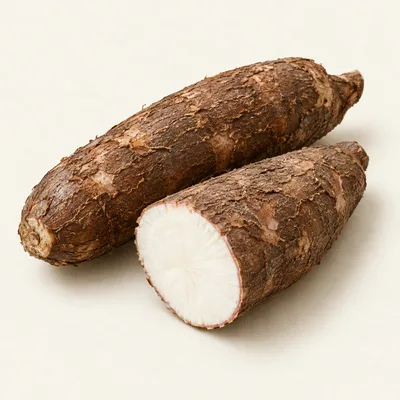 ROOTCassava
Bread, farine and reduced cassareep
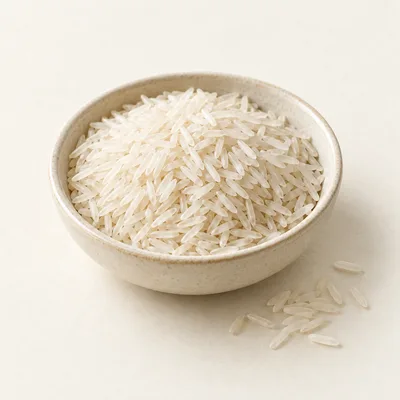 GRAINRice
Cook-up, curry plates and coastal farming
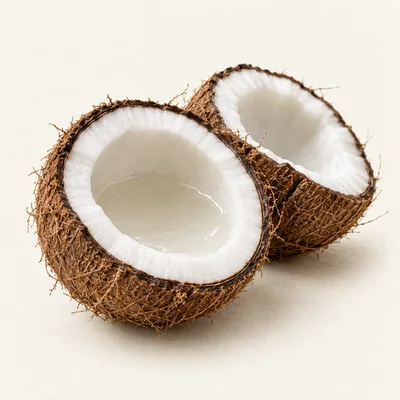 TREE CROPCoconut
Metemgee, rice, sweets and chutneys
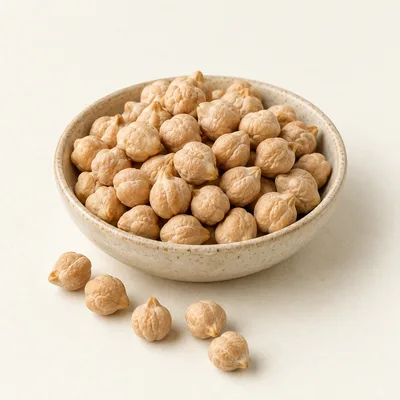 PULSEChickpea
Curries, dhal puri filling and snacks
Pepperpot depends on cassareep rather than colour alone. The reduced cassava extract supplies bitterness, sweetness and preservative qualities to a long-cooked meat stew associated especially with Christmas morning. [7]
Cook-up rice is a flexible one-pot structure. Rice, peas or beans, coconut milk, herbs and available meats cook together, with New Year’s “Old Year’s Night” versions carrying particular social meaning. [7]
Markets, bakeries and specialist cafés reveal the creole layers.
A mixed Georgetown menu benefits from asking who made what. Roti shops, Chinese-Guyanese restaurants, bakeries, market stalls and home-style lunch counters each carry different migration and community histories. [7][8]
Interior food experiences must be community-led. Cassava, fish and forest foods may be shared through Indigenous lodges or villages. Learn the community name, respect food protocols and avoid treating subsistence knowledge as a generic adventure product. [10][8]
Food-culture sources checked .
Curries with roti or rice
Curries can feature chicken, pork, beef, pumpkin or aubergine, and are traditionally served with roti or rice. When ordering a curry, ask what is in the cooking liquid, whether stock or seasoning paste is used, and whether the roti or rice is cooked and served separately from the curry.
Pepperpot and accompaniments
Pepperpot is described as a dark, strongly flavoured, slow-cooked stew using pork or other meats, red peppers, cinnamon and casareep. It may be eaten with plain white bread or roti. Ask which meat and flavourings are present today, whether the bread or roti shares preparation surfaces, and whether any garnish or sauce is added.
Noodles and rice dishes
Chinese restaurants and smaller-town menus may include chow mein, lo mein, meat-and-rice dishes or a noodle dish. The recorded Guyanese chow mein connection is wheat noodles with soy sauce; Guyanese fried rice commonly includes egg and soy sauce. Ask about the exact noodles, sauce, egg, stock, oil and wok or pan.
Regional and setting differences
Georgetown is described as having a wider range, including Indian food, steakhouses and European fare, while smaller towns may offer a shorter Creole menu with curry and noodles. Jungle lodges may have tinned goods and rice, alongside locally caught or grown food. Confirm what is available and how it is prepared before relying on a meal.
Ingredients worth recognising
Start with these ingredients, then follow their names and recorded food connections. Check the recipe and product actually used.
Wheat flour
Wheat flour forms the dough in bake, dhal puri, paratha roti, puri and sada roti, and appears in several pastries and breads. Ask whether flour is used in the dish, gravy or dusting, and whether shared boards or rolling surfaces are used.
Egg
Egg is intrinsic to egg and hard-boiled egg, and examples include it in black cake, corn pie, macaroni pie, fried rice and some doughs or glazes. Ask whether egg is mixed in, brushed on or added as a topping.
Fish
Fish is a common protein served with or cooked in metemgee, but the particular species and preparation are not specified. Ask which fish is used, whether it shares oil or utensils with other foods, and whether stock or seasoning contains additional ingredients.
Soy Sauce
Soy sauce is a common seasoning connection for Guyanese chow mein and fried rice. Ask whether it is included in the wok, marinade or finishing sauce, whether another sauce is substituted, and whether the same pan is used for several orders.
Butter
Butter is recorded in black cake, cassava pone, cheese roll, paratha roti, pine tart and salara, with the ingredient identified as milk-derived. Ask whether butter is in the dough, filling, glaze or cooking surface, and whether another fat is used.
Coconut
Coconut can be an ingredient, but it has no universal form or dish use here. Ask whether coconut appears as milk, cream, flesh or desiccated coconut, and check the product label or recipe rather than assigning it to a legal allergen category.
How food labelling works
A current, country-specific allergen-labelling summary for Guyana has not yet been verified for this guide. Do not transfer the list of regulated allergens or restaurant disclosure rules from your home country to this one.
Read the complete ingredients on the actual package and keep any local-language sticker with the original label. For imported products, compare the information on that pack rather than a photograph of the brand sold elsewhere. Ask the manufacturer or seller to clarify an unfamiliar term.
For loose food or meals prepared to order, ask who can check the recipe and the labels on bought-in ingredients. Explain every food you avoid, including ingredients outside familiar allergy groups; a short symbol chart may not cover your list.
Language and communication
English is Guyana’s only official language, while Guyanese Creole is widely spoken natively. Prepare your written explanation in English, using clear ingredient names and preparation questions. Ask the person taking the order to confirm your explanation back against the complete recipe.
Arawak and Macushi are Amerindian languages spoken most notably in the Amazonian region. If travelling in that regional context, arrange written communication in advance where needed and seek confirmation from the person preparing the food. Ingredient names alone are recognition aids, not a complete allergy request.
Eating in different settings
Georgetown restaurant
Use the broader choice of restaurants to ask for a dish-by-dish explanation. For pepperpot, curry, chow mein or fried rice, ask for every ingredient in the stew or sauce, the stock, toppings, oil and utensils, then confirm whether a plain accompaniment is prepared separately.
Smaller-town menu
A short Creole menu may include one or two curries and a noodle dish. Before ordering, ask which dishes are made today, whether the curry contains flour or packaged seasoning, and whether rice, roti and noodles use shared pots, boards or serving utensils.
Bakery or snack counter
For bake, cheese roll, salara, tennis roll, black cake or pine tart, ask about wheat flour, egg, butter, milk, mustard and any filling or glaze. Ask whether the item is made on shared trays or surfaces and request the complete recipe rather than relying on its name.
Jungle lodge or supplied meal
Food may be limited to tinned goods and rice, with whatever can be caught or grown locally. Ask in advance which packaged ingredients, fish or other meat will be provided, request complete labels where available, and clarify how food is cooked, stored and served.
Before you travel
Review your personal plan
Discuss your travel plans with your clinician and keep your prescribed medicines and emergency instructions accessible. Tell companions where these are and how to follow your plan.
Check your medicines before entering Guyana
The source warns that medicines prescribed or bought in the UK may have different legal status and regulation in other countries. Before travelling with prescribed or bought medicines, check current TravelHealthPro guidance and ask the relevant Guyanese authority what import requirements apply.
Make the first meals easier to organise
Contact your accommodation and transport providers in advance. Save your written food list, menu questions and destination address offline. Check entry restrictions before packing backup food, and plan how you will check meals during arrival and onward journeys.
Plan access to medical help
Medical facilities are described as very limited, including in Georgetown, and extremely limited in remote areas. Arrange travel health insurance and accessible funds, and check cover for treatment and repatriation. For serious or invasive treatment, the source advises arranging evacuation if possible; review the FCDO provider list.
Emergency resources
For a suspected severe allergic reaction, follow your prescribed emergency plan and seek urgent medical help. Give your exact location clearly.
Ambulance and urgent medical help
Call 913 and ask for an ambulance.
Explore next
Your allergy in Guyana
Choose a food concern for the country notes and questions relevant to it.
Dishes in Guyana
Follow the ingredients and cuisine connections in individual dish records.
Your own food list
Combine allergy groups and individual ingredients in one guide, with local names where recorded.
Allergy cards
Prepare the information you need to explain your food requirements.
FAQs, sources and review dates
Could a plain curry be suitable because it has no visible topping?
Not necessarily. Curries can be described by their main meat or vegetable, but recipes are not universal. Ask about the cooking liquid, stock, seasoning paste, oil, garnish and accompaniment, and ask whether the roti or rice was prepared with shared equipment.
What should I ask about Guyanese fried rice if I avoid egg or soy?
Egg and soy sauce are both recorded as common connections for Guyanese fried rice. Ask whether each is included, when it is added, what stock or seasoning is used, and whether the rice is cooked in a shared pan with chow mein or other dishes.
I avoid coconut, but it is not one of my usual allergy groups. How should I check?
Ask whether coconut is present and in what form: milk, cream, flesh or dried coconut. There is no universal dish use or legal classification, so request the actual recipe or product label and do not infer from a dish name.
Sources checked: . This researched draft is awaiting editorial review. Practical questions apply the sources below to local food settings; they do not confirm any individual meal's ingredients or preparation.
Sources & references (10)
- FCDO · Guyana health and medical assistance
Emergency contact details, local healthcare and medicine guidance. UK-specific eligibility does not apply to every visitor.
- Wikivoyage contributors · Guyana
Community-edited culinary context only; not an allergy or medical authority. Brief food-context adaptations, CC BY-SA 4.0: https://creativecommons.org/licenses/by-sa/4.0/. Recipe questions also use PlateSafe’s draft records.
- FARE · Dining out
General recipe and preparation questions, applied here to country-specific food examples.
- FARE · Travelling with food allergies
General preparation, written communication and access to prescribed medicines. Not country-specific import permission.
- PlateSafe · Guyana recorded food connections
Existing draft dish and ingredient records, used as examples to investigate. These are not independently verified recipes or suitability assessments.
- Unicode CLDR · Territory language data
Language suggestions. Regional language needs must be confirmed with the particular food provider.
- Guyana Tourism Authority — Cuisine
- Guyana Tourism Authority — Official portal
- FAO — Guyana country profile
- UNESCO — Guyana country profile and living heritage